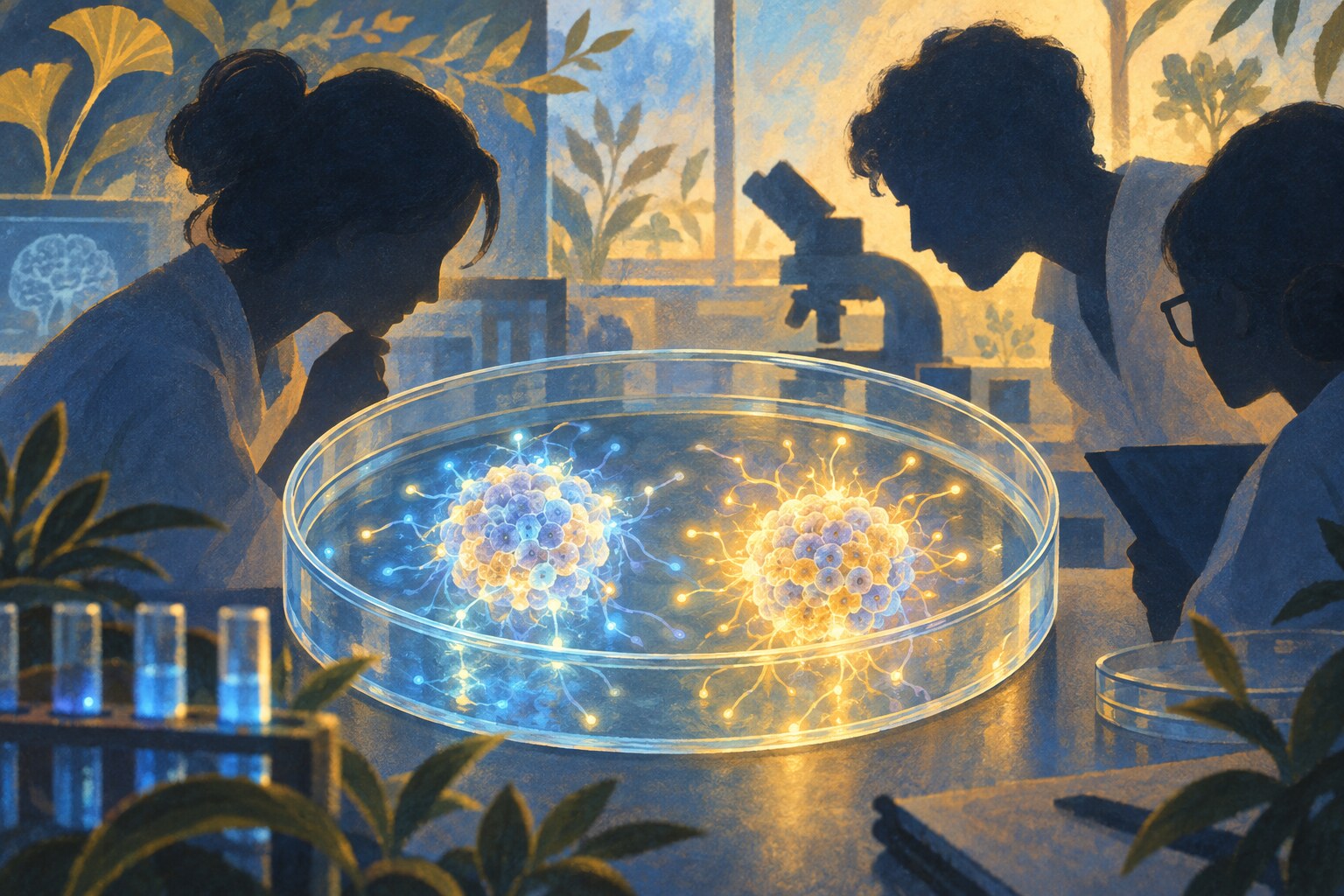
A Stanford Medicine-led study found that the front and back of the brain develop from two different groups of early cells, rather than from one starting point.
The researchers studied developing mouse embryos and found that the two cell populations stayed separate from the earliest stages. They also saw the same broad pattern across animals including chickens, zebrafish, and acorn worms.
Using human stem cells, the team then grew functional motor neurons associated with the hindbrain, which helps control breathing, swallowing, and other essential functions.
The new lab model may help scientists study diseases that affect the brain stem, including ALS and spinal muscular atrophy. It is a research tool, not a treatment, and the team says the next work will be to learn more about how these diseases damage the cells.