Bibi’s Storybook · Made Just for Kids

Hello, little one. Come sit with Bibi.

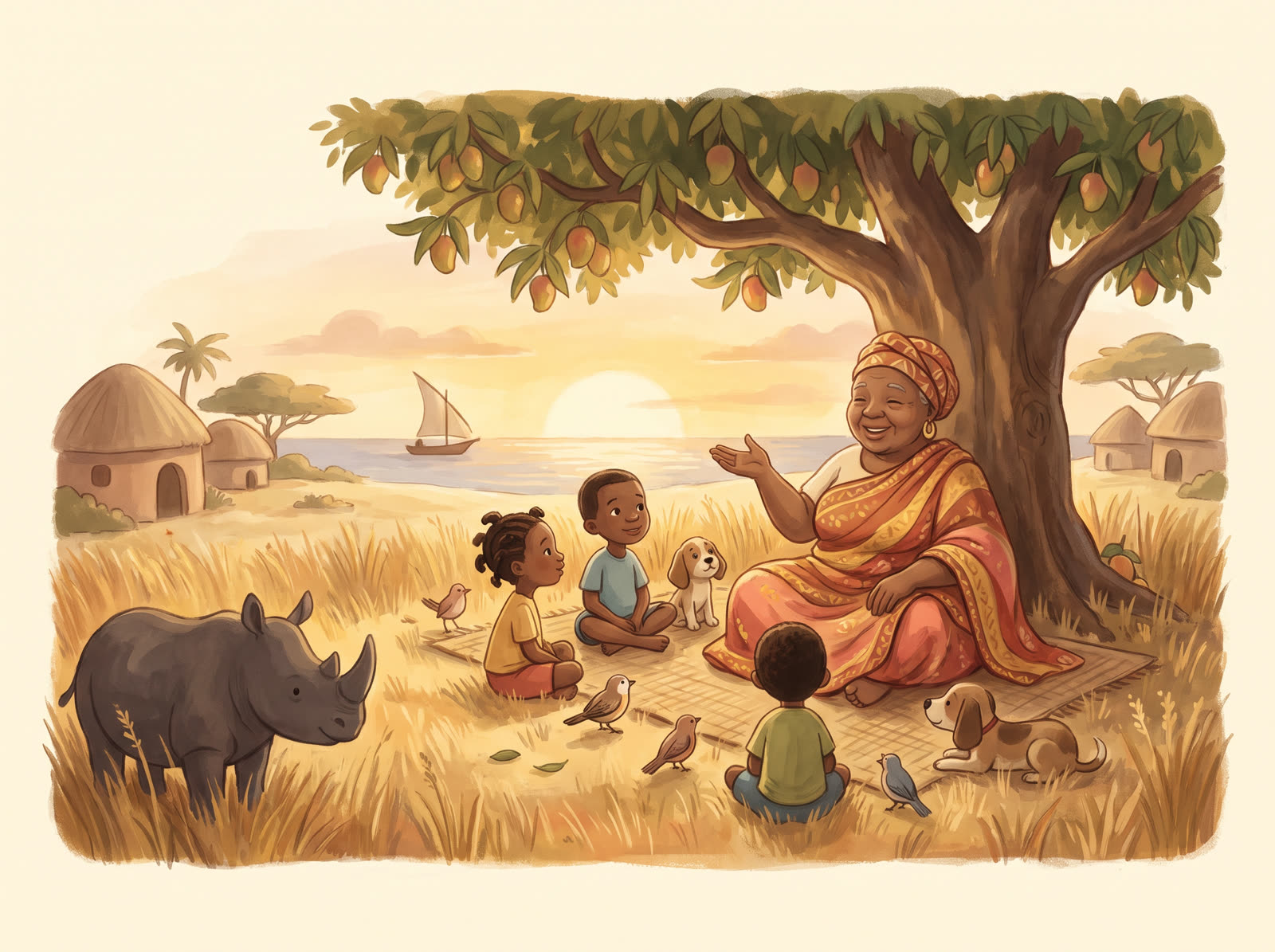
The rest of Global Good News Daily is written for grown-up readers. But this corner belongs only to children. Bibi is your warm, wise auntie who finds the gentlest good news in the world and tells it to you in short, complete chapters, under the mango tree, with the animals listening too. Every chapter has its own little comic book now, too — tap Flip through the comic and turn the pages just like a real storybook.

Open the storybook
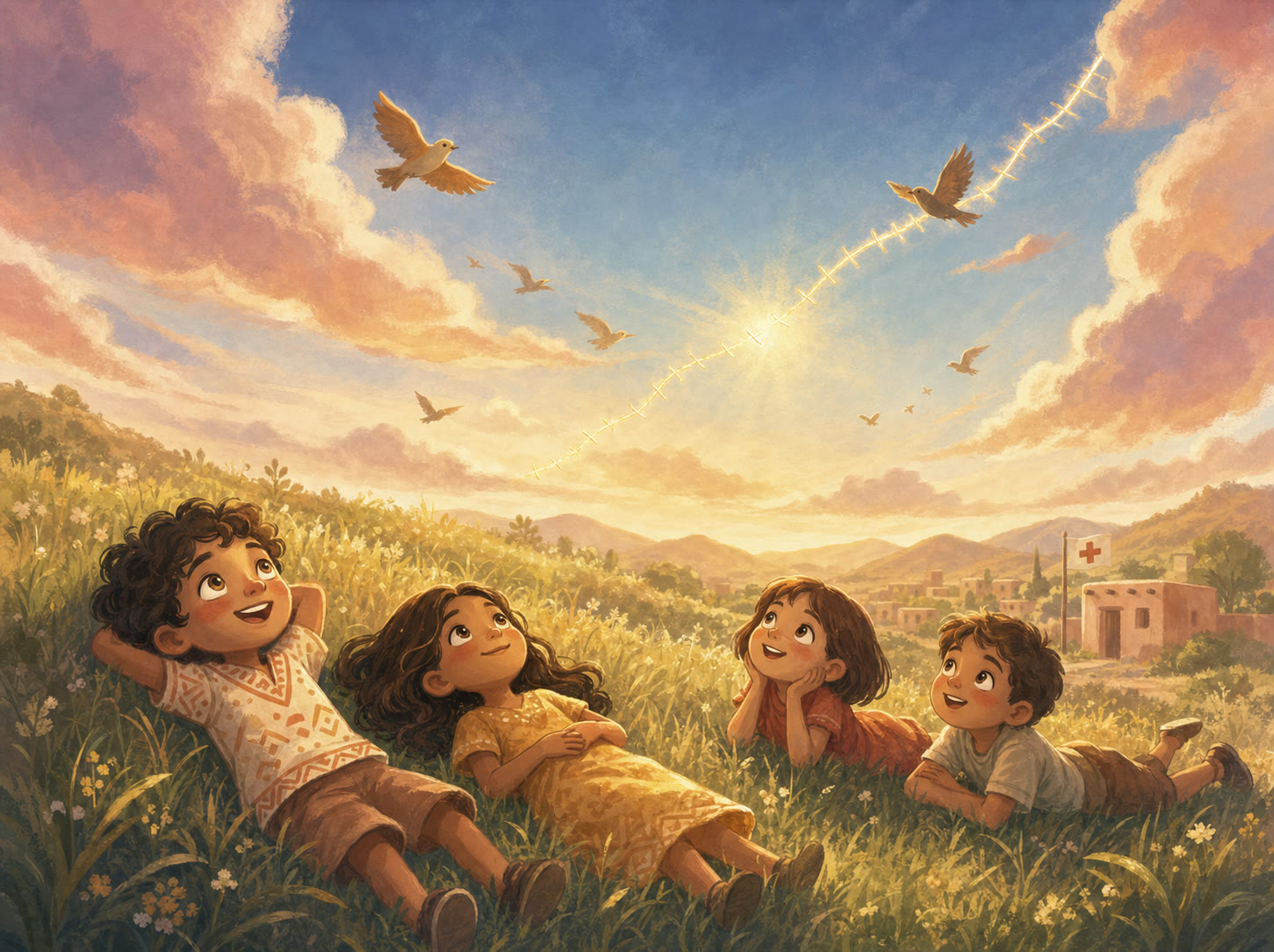
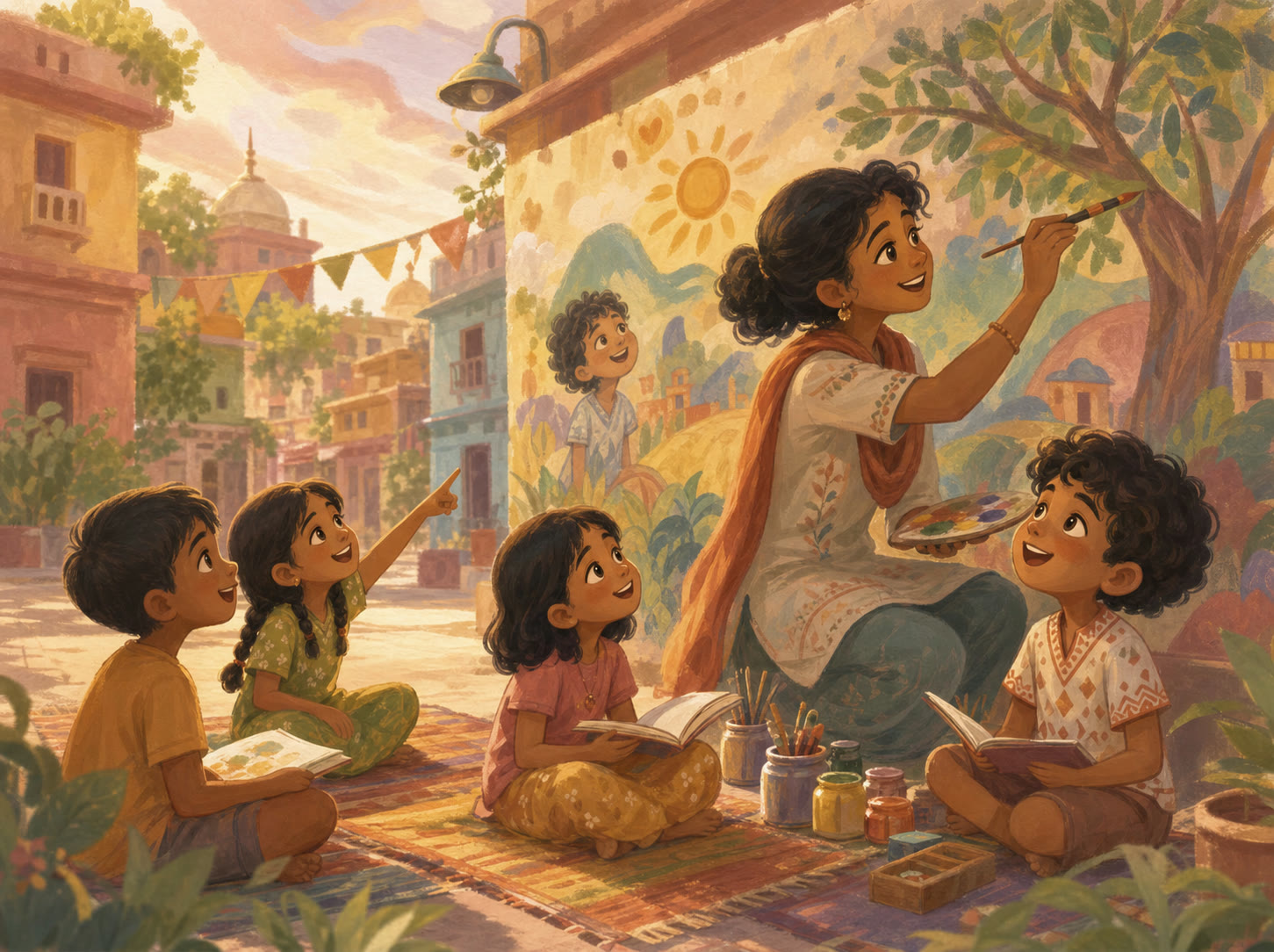
Bibi, a warm auntie storyteller, sitting under a mango tree with children, a puppy, and a rhino listening to her stories.
Table of contents

Bibi’s story corner

The shelf keeps getting longer, because good news never really runs out. Every tale here is true, every tale is gentle, and every one wraps up neatly before you close your eyes. Tap any cover to flip through its comic.

Book 32

Chapters 311–316

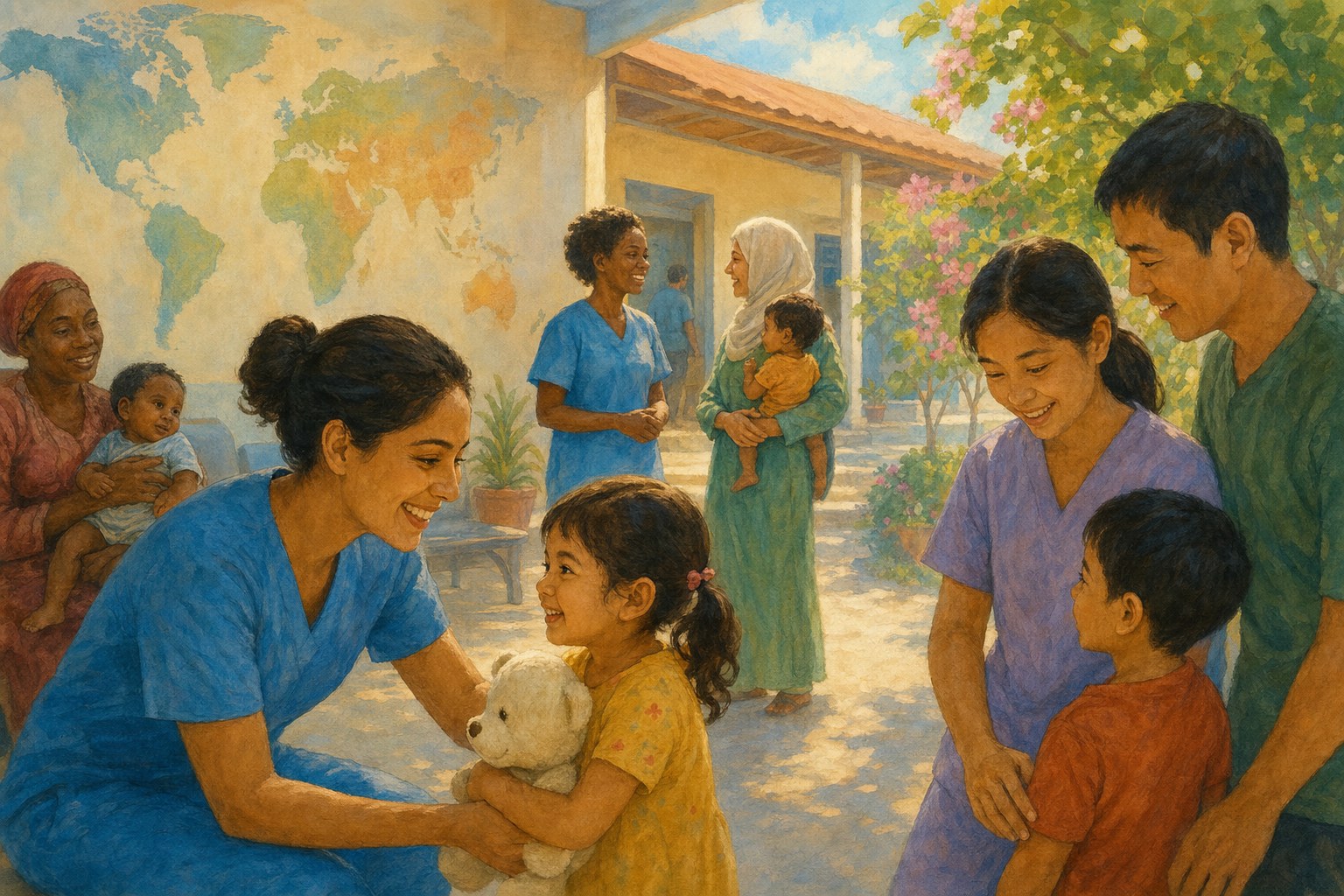
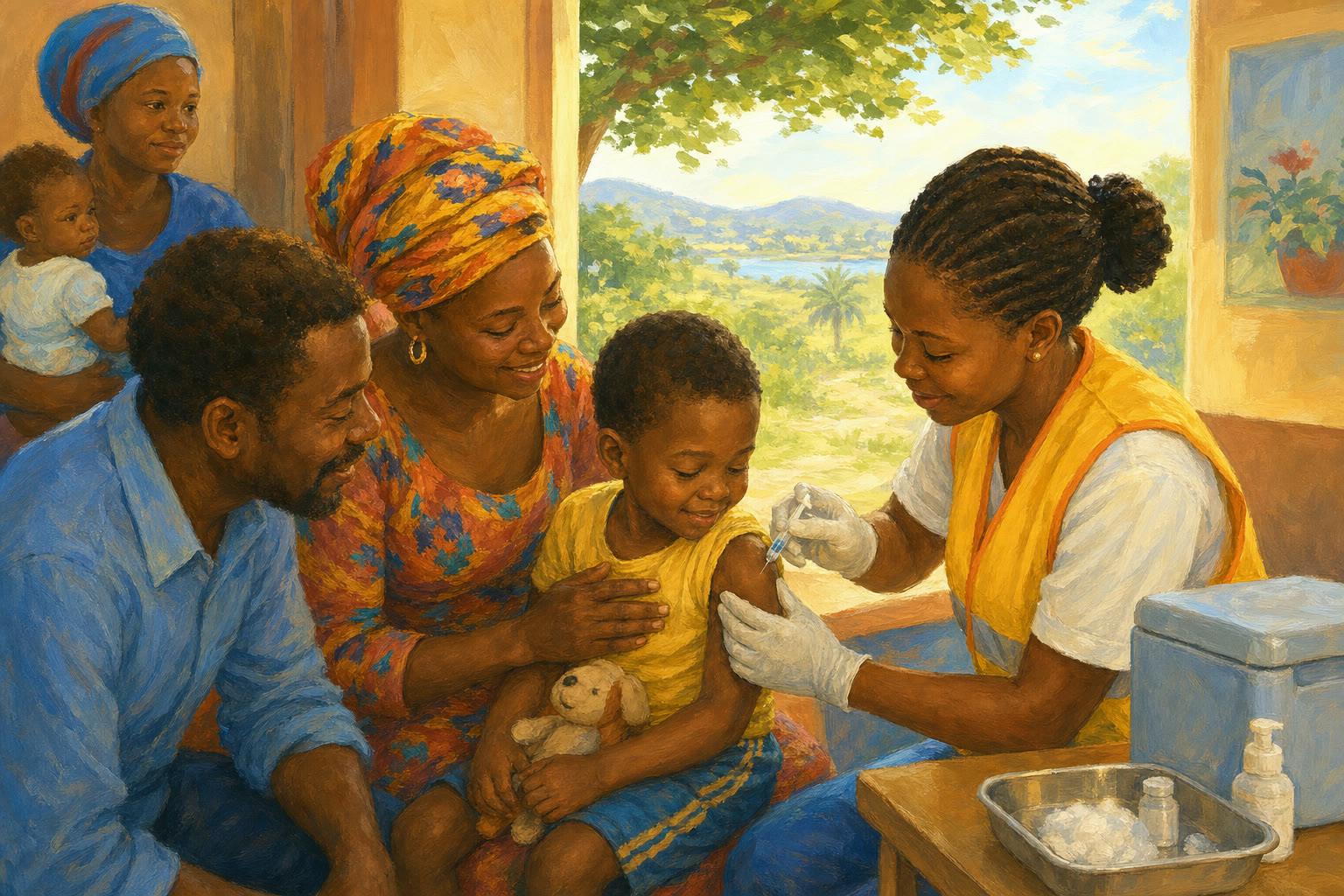
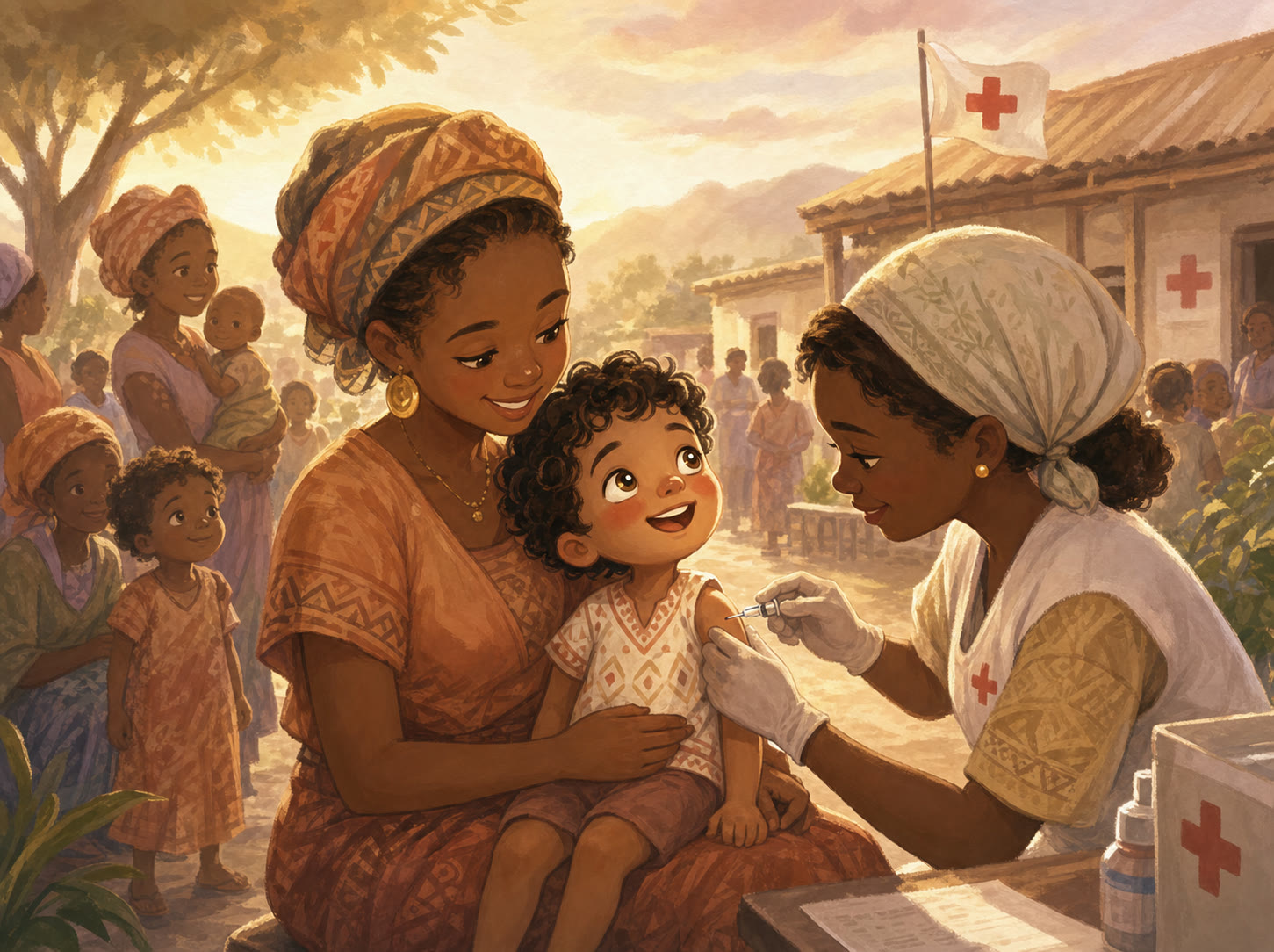
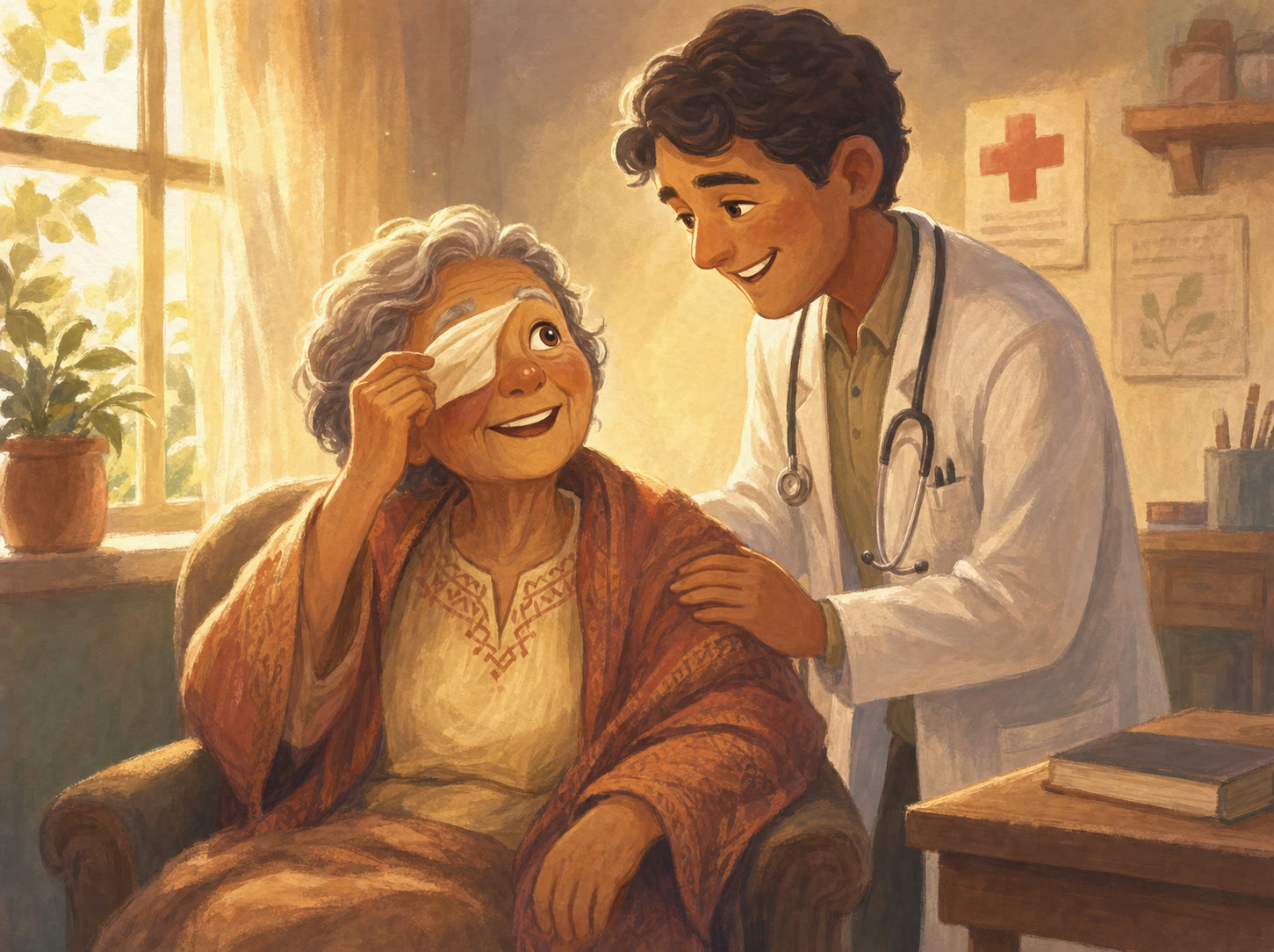
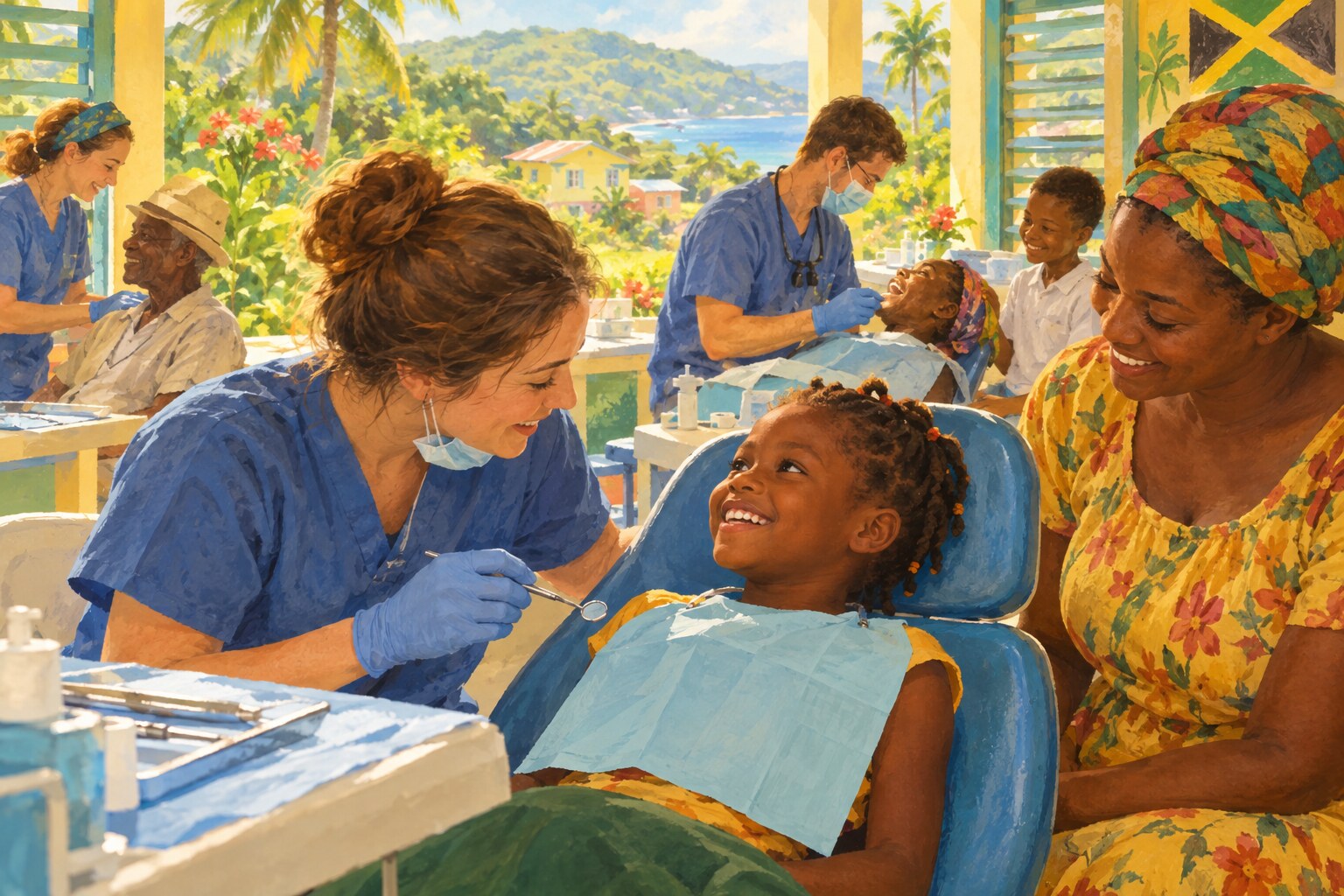
Volunteer dentists caring for patients at a community clinic in Jamaica. Chapter One

Ten Years of Healthy Smiles

Volunteer dentists have spent ten years bringing free dental care to people in Jamaica.

Read Bibi’s full telling

Little one, when your tooth hurts, it is hard to eat, hard to sleep and hard to smile. But in some places in Jamaica, it is difficult to see a dentist. So a group of volunteers called Jamaicans Caring for Jamaicans decided to help. Dentists and helpers travel together to towns that need them. This July, in a town called Montego Bay, they cared for more than four hundred and fifty people in just one visit. They have been doing this for ten whole years. Now they are raising money so they can keep coming back. Every tooth they fix is one more person who can smile without pain.

Bibi asks

What is one thing you do every day to keep your teeth healthy?

The End · Told by Bibi
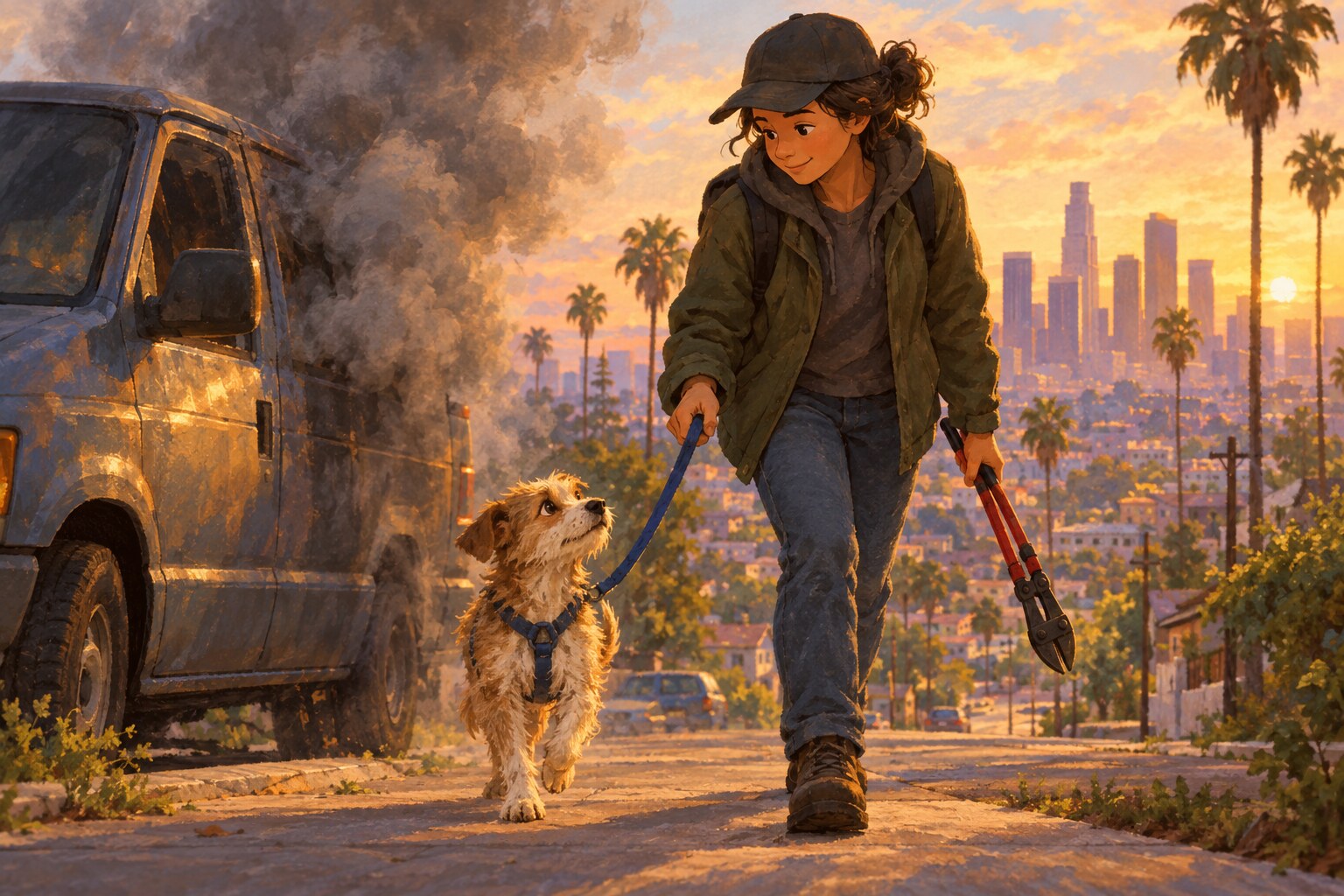
A stranger freeing a dog from a chain beside a smoking van. Chapter Two

Rosie and the Brave Stranger

When a van caught fire, a stranger rushed in to set a chained dog free.

Read Bibi’s full telling

Little one, a dog named Rosie lived with her owner, Clara, in a van in the big city of Los Angeles. Rosie was Clara's best friend and had even kept her safe before. One day the van caught fire, and Rosie was tied up inside with a chain. She could not run away. But a stranger saw what was happening. He did not stop to think about himself. He ran toward the fire with a strong tool for cutting metal, and he snipped the chain. Rosie was free, and she was alive. The stranger did not even know Rosie or Clara. Sometimes being brave means helping someone you have never met.

Bibi asks

What would you do if you saw an animal that needed help?

The End · Told by Bibi

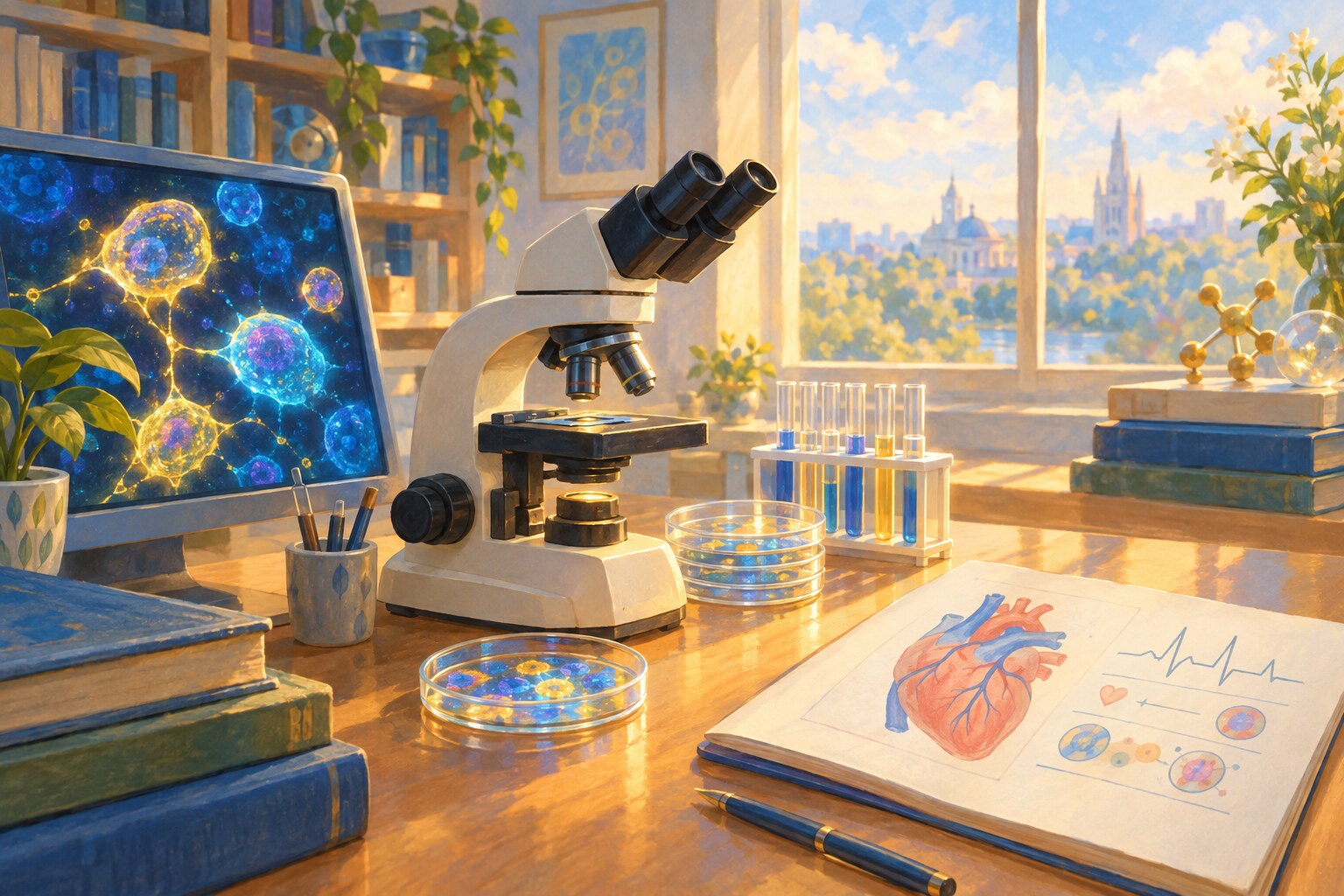
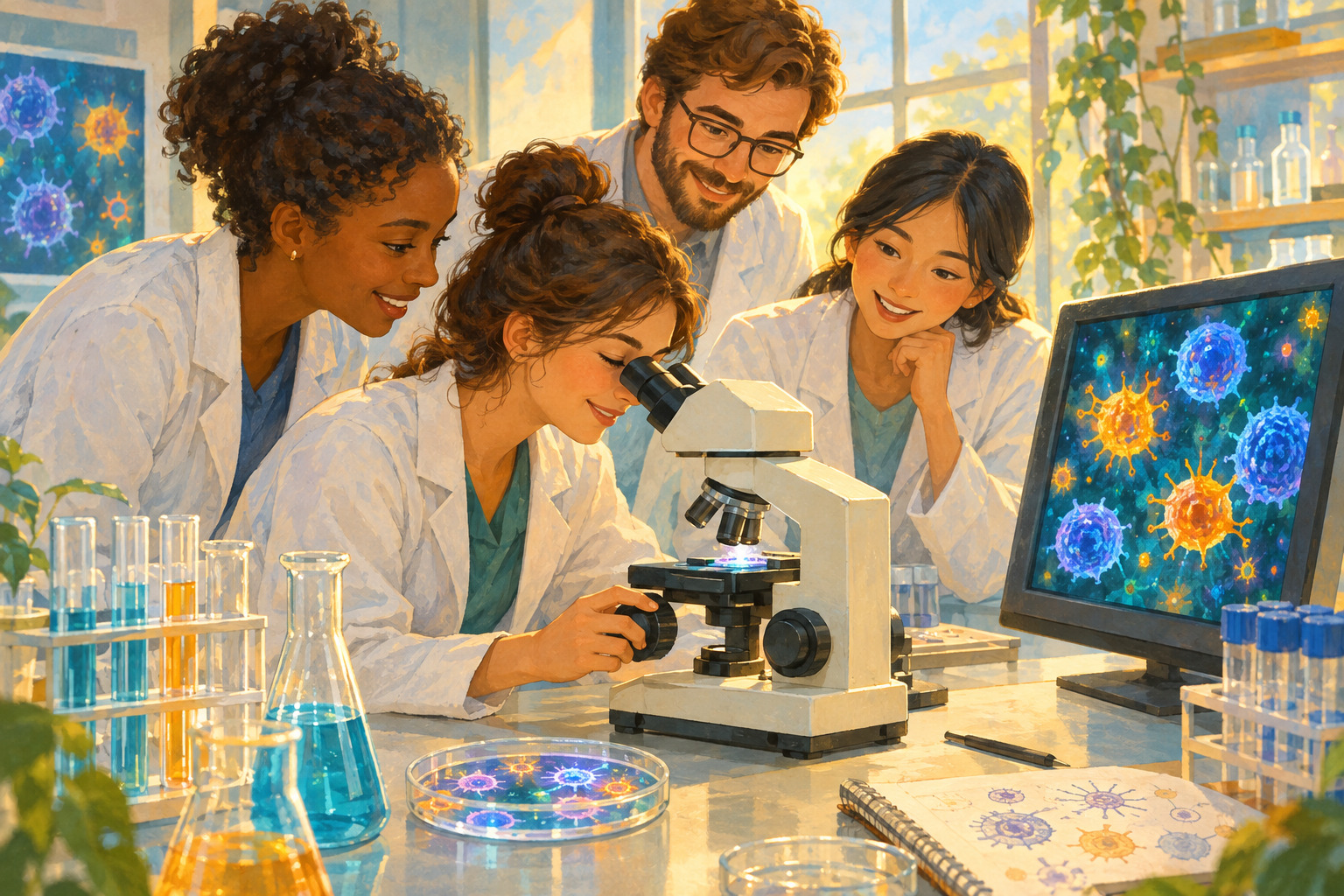
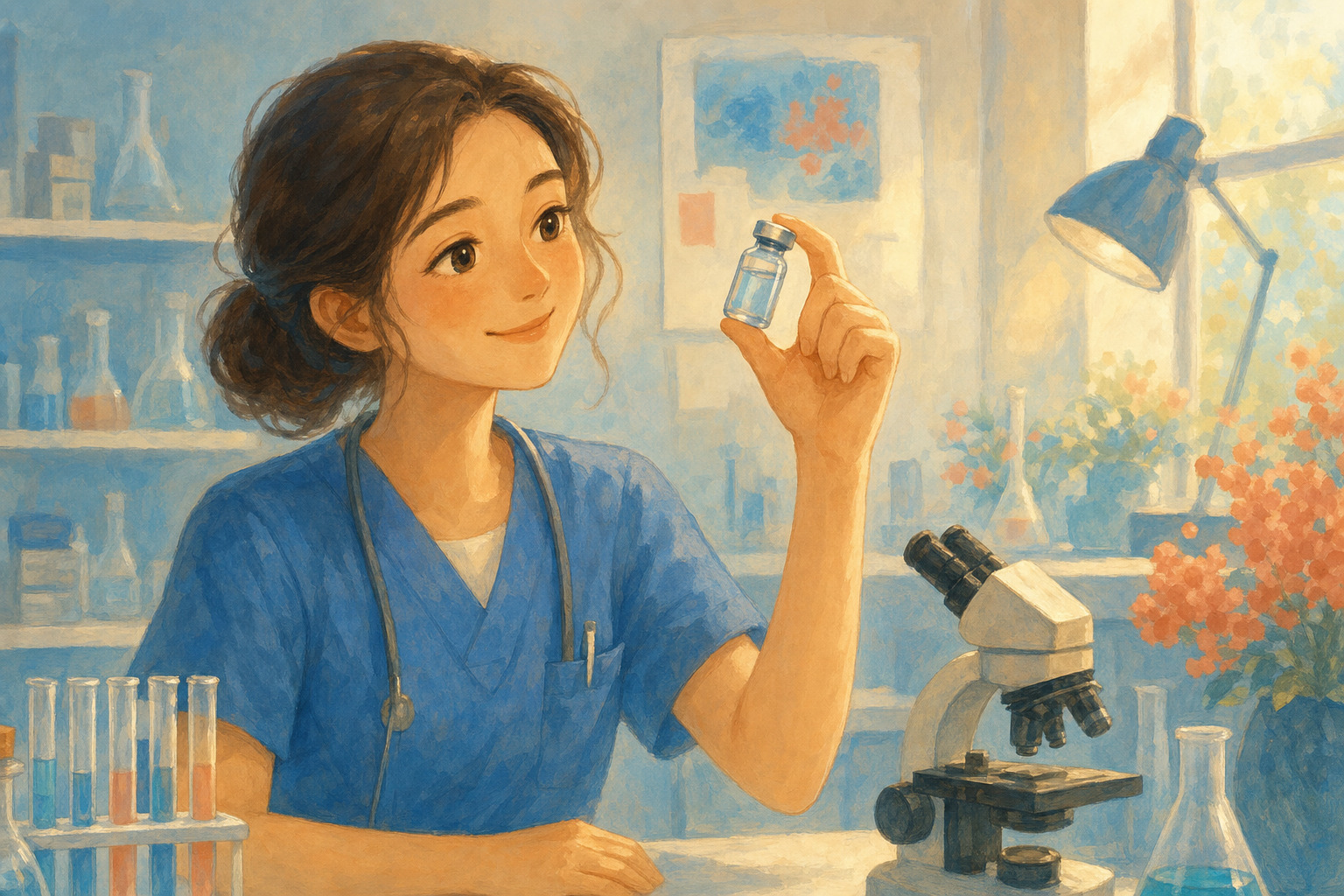
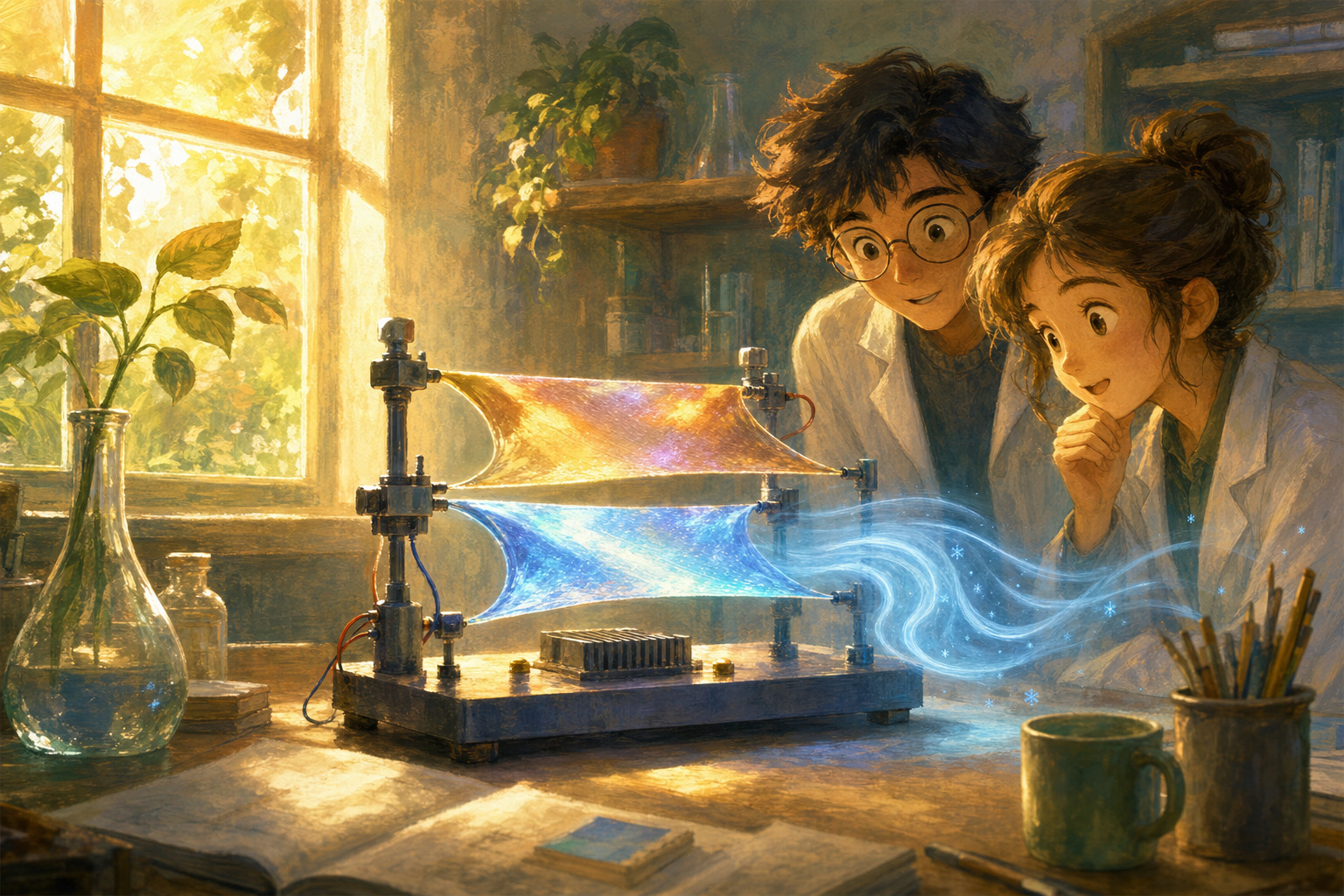
Doctors studying tiny immune cells on a glowing screen in a hospital lab. Chapter Three

Solving a Medicine Mystery

Doctors found out why a powerful cancer medicine sometimes makes the tummy very sore.

Read Bibi’s full telling

Little one, there is a special kind of medicine that helps people with a blood illness called cancer. Doctors take some of the person's own fighter cells, teach them to find the cancer, and put them back in. It has helped many, many people. But for a few people, something strange happens afterwards. Their tummy, deep inside, becomes red and very sore. Doctors in New York wanted to solve this mystery. They looked very closely and found that some of the fighter cells stay in the tummy for a long time and stir up trouble. Now doctors know where to look. Two patients got a medicine that calmed things down, and they felt better.

Bibi asks

What is a mystery you would like to solve one day?

The End · Told by Bibi

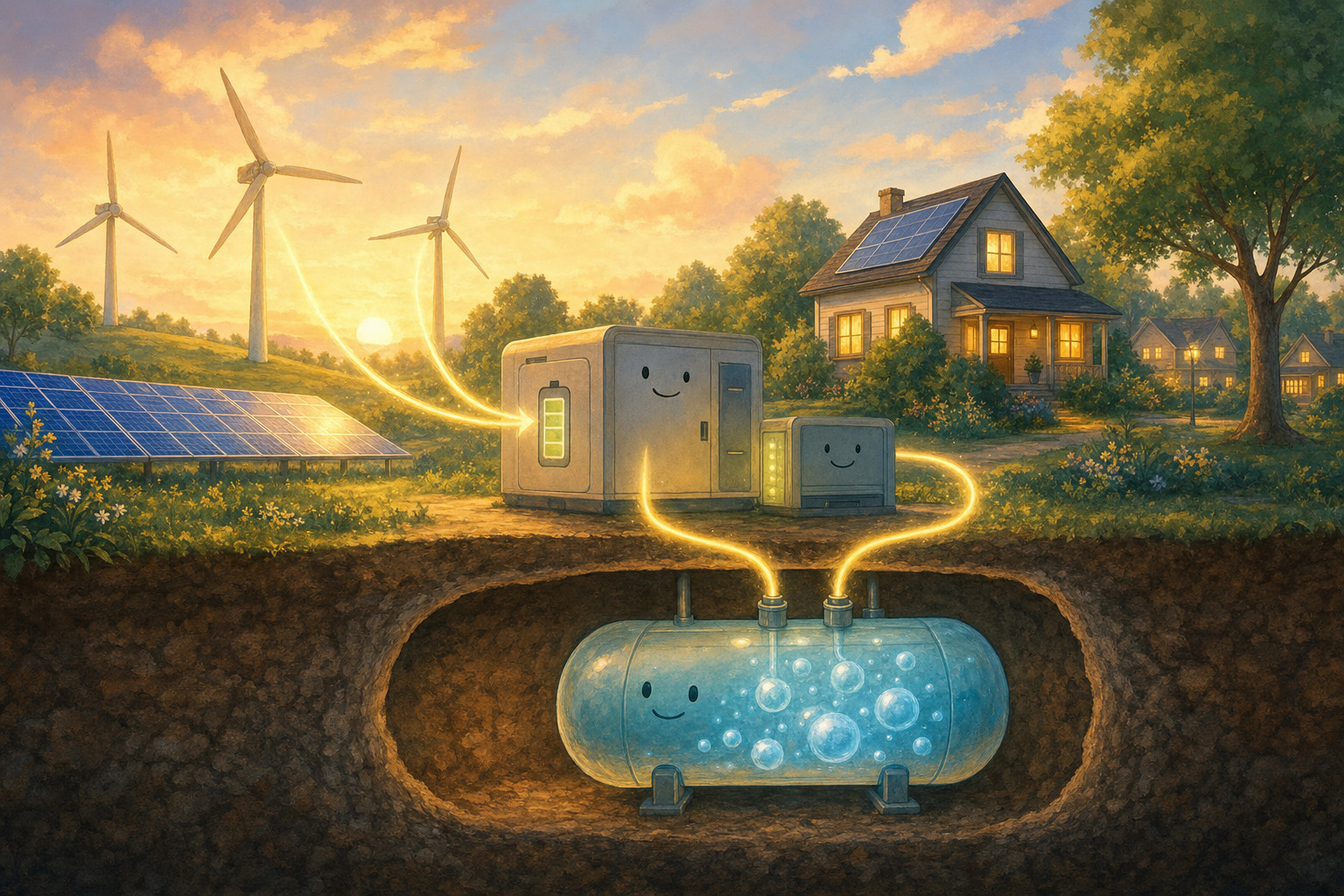
New energy-efficient homes with heat pumps on a sunny New York street. Chapter Four

Homes That Stay Cosy

New York is helping builders make new homes warm in winter and cool in summer using less energy.

Read Bibi’s full telling

Little one, a good home keeps you warm when it is cold and cool when it is hot. But some homes let the warm air leak out and use lots of energy. In New York, the government has set aside a big amount of money, one hundred and thirty-five million dollars, to help build better new homes. These homes will be sealed up snugly and use clever machines called heat pumps, which move heat in and out instead of burning fuel. That means cleaner air and smaller bills for families. Extra help will go to neighbourhoods that need it most. A cosy home that is kind to the planet is good for everyone.

Bibi asks

What helps your home feel cosy and comfortable?

The End · Told by Bibi

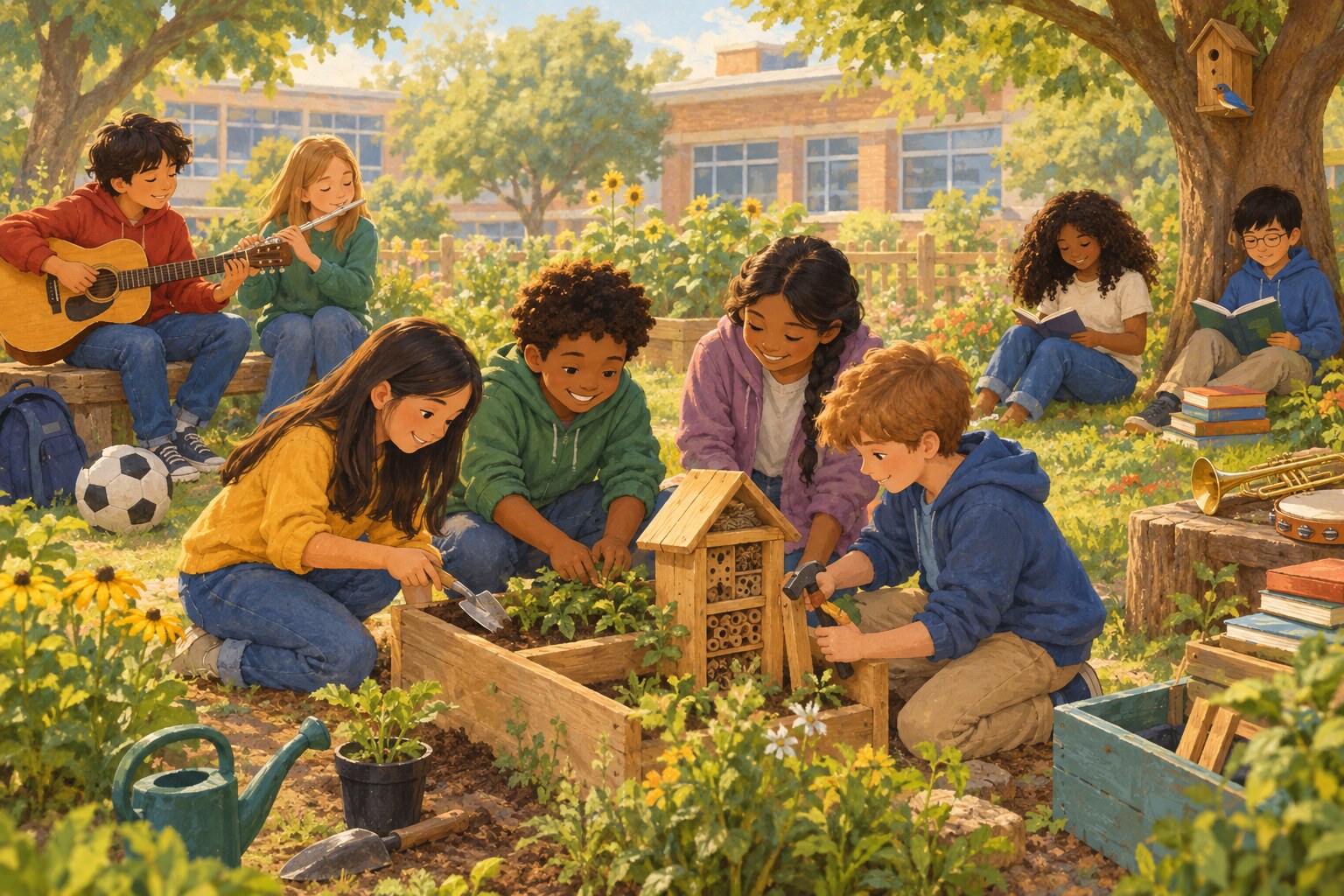
Secondary school students enjoying music, sport and outdoor clubs in England. Chapter Five

More Clubs After Lessons

Hundreds of schools in England will get help to offer music, sport and outdoor learning.

Read Bibi’s full telling

Little one, school is not only about reading and sums. It is also about finding what makes your heart sing. Maybe it is playing a drum, building a robot, kicking a ball, or exploring the woods. But some schools do not have enough money for these extra clubs. In England, more than four hundred schools in places with less money will now get help. They can start music groups, engineering clubs, sports teams, debating clubs and outdoor learning. Hundreds of thousands of children could take part. When every child can try new things, more children discover what they love.

Bibi asks

If your school started a new club, what would you want it to be?

The End · Told by Bibi

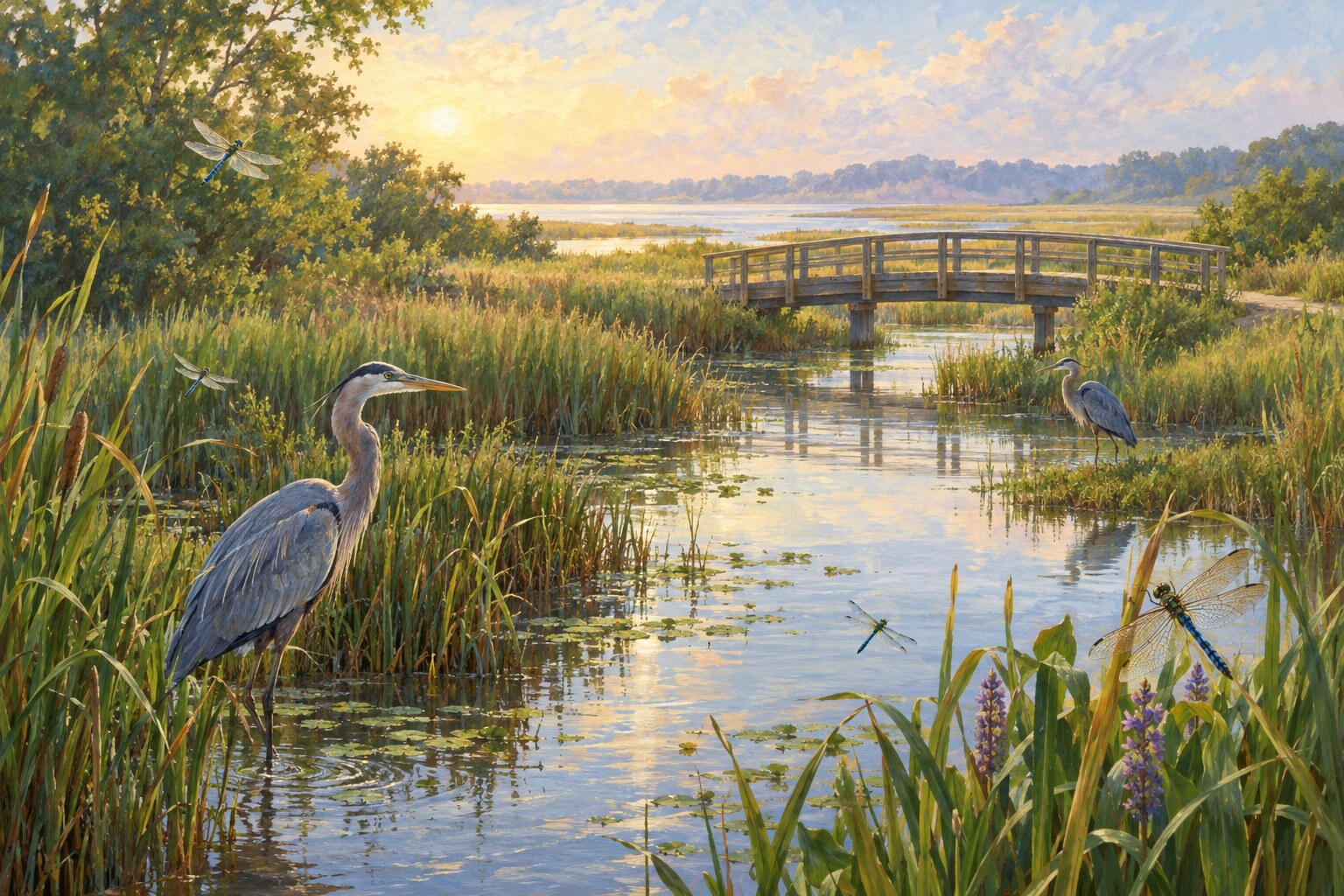
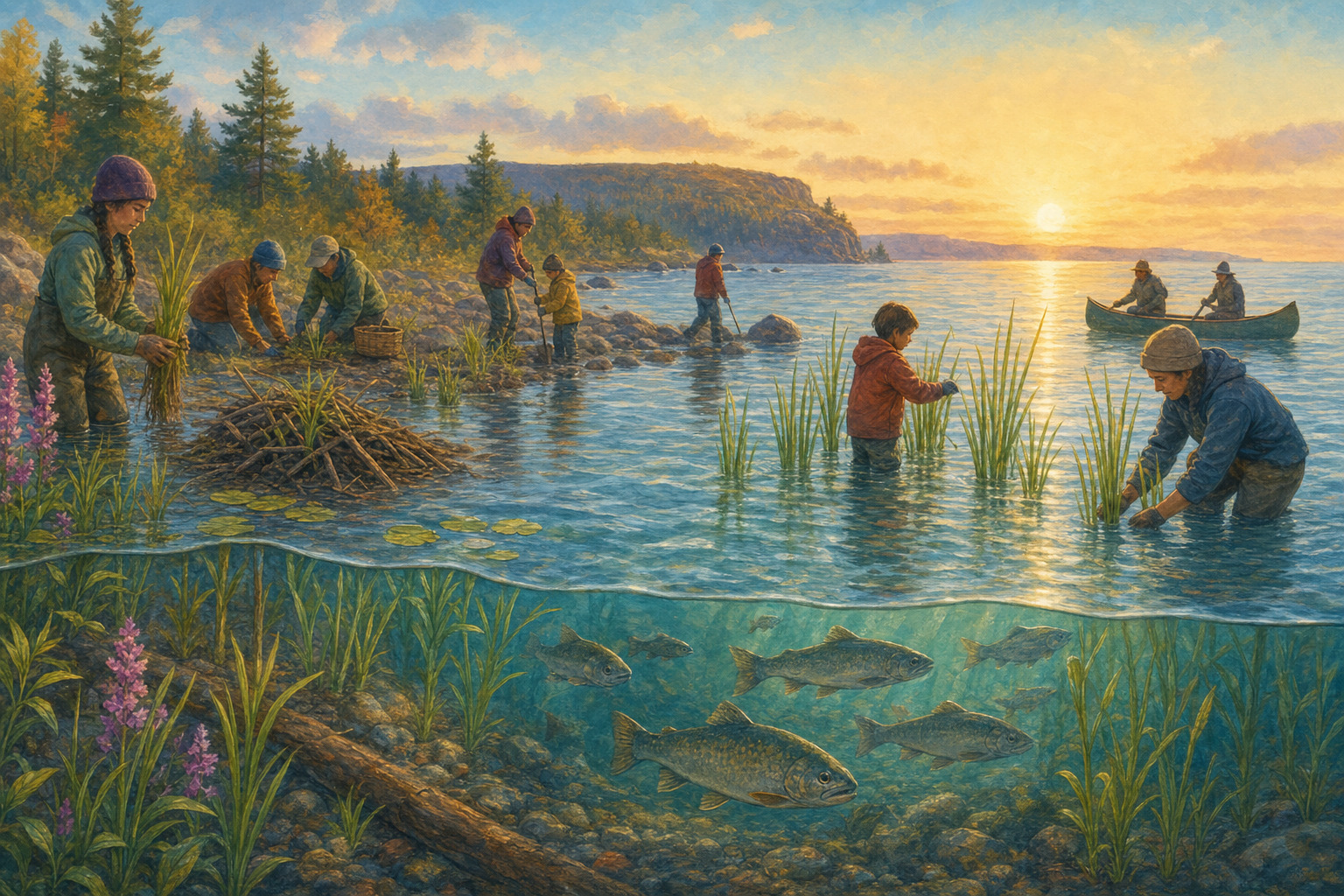
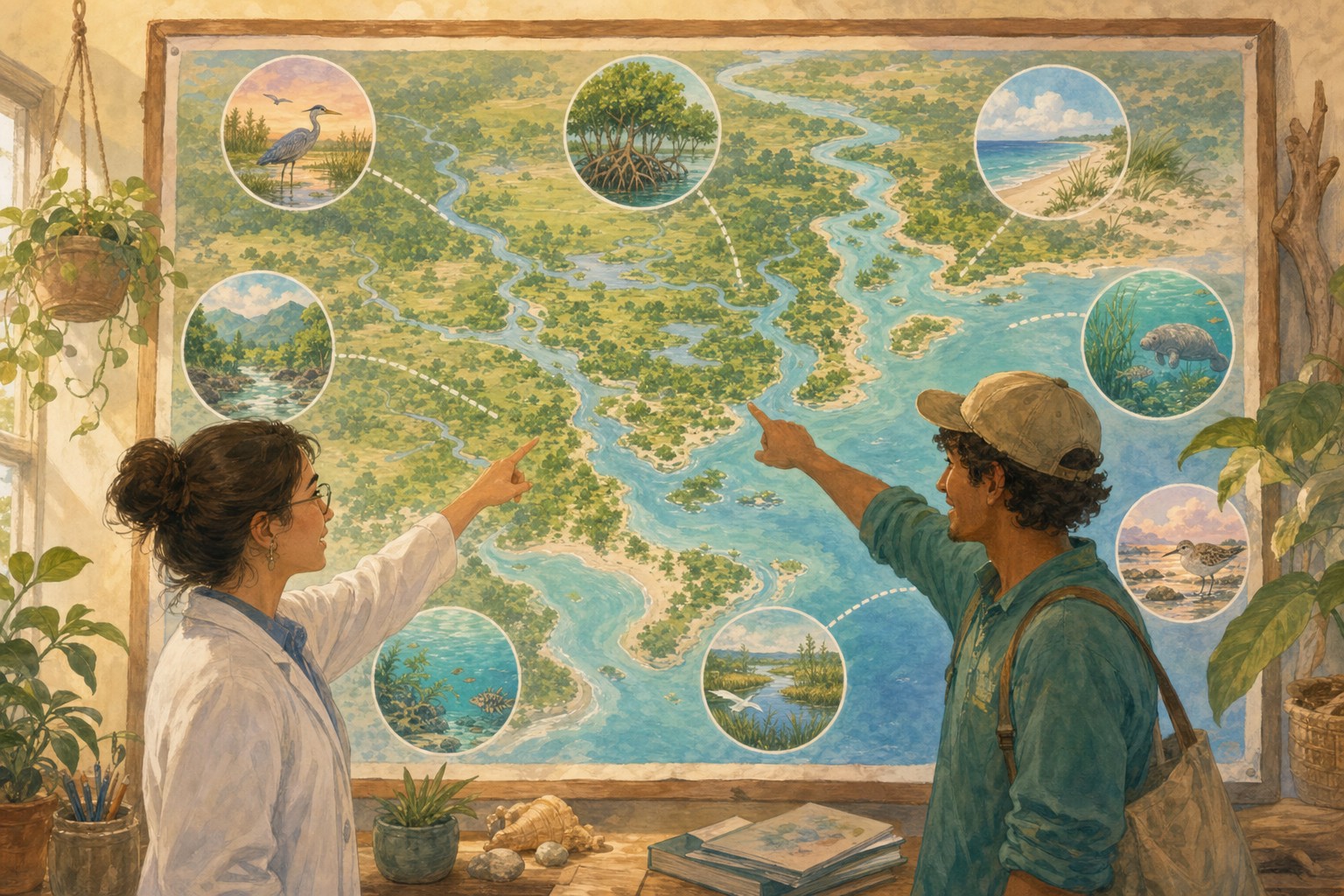
A green coastal marsh with herons and a small drone mapping it from above. Chapter Six

Caring for the Wetlands

New money will help people map, protect and learn about wetlands, the soggy homes of many animals.

Read Bibi’s full telling

Little one, a wetland is a soggy, squishy place where land and water meet. Frogs, herons, crabs and ducks all call it home. Wetlands also soak up rain like a big sponge, which helps stop floods, and they keep water clean. In the eastern part of America, a group that looks after the environment has given money to nine states and universities to care for their wetlands. They will make new maps, some with flying drones, fix damaged marshes, and protect streams. They will even make lessons so teachers can help children learn the names of wetland plants. When we understand a place, we take better care of it.

Bibi asks

Which animal would you most like to spot in a wetland?

The End · Told by Bibi

Book 31

Chapters 301–310

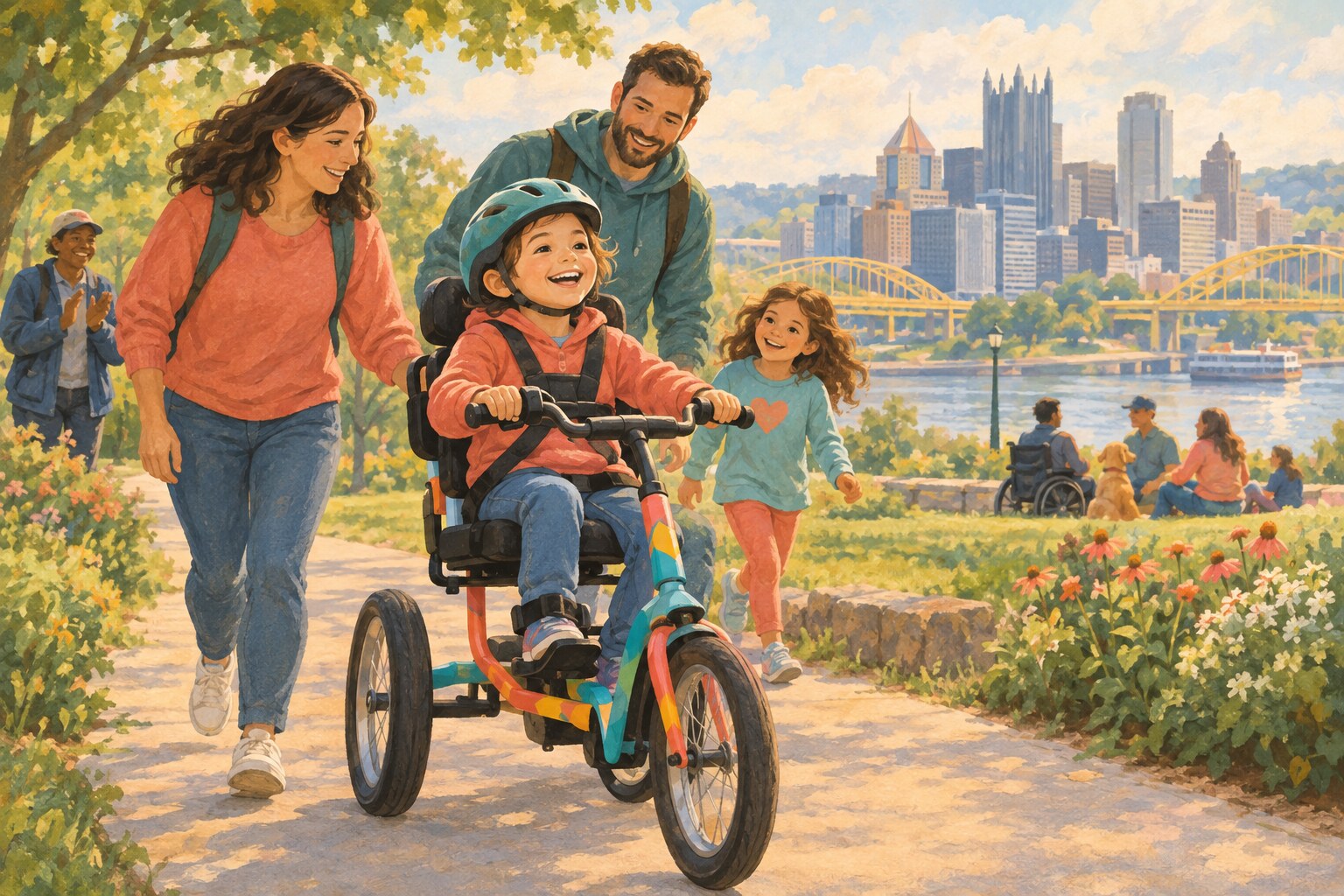
A child riding an adaptive bike with family in a sunny Pittsburgh park. Chapter One

Ten Thousand Ways to Play

A charity has given ten thousand special bikes, strollers and talking devices to children.

Read Bibi’s full telling

Little one, every child wants to ride a bike, go on outings, and tell people what they are thinking. But some children's bodies work differently, and an ordinary bike or stroller does not fit them. In Pittsburgh, a charity called Variety makes special equipment that fits each child just right. There are bikes built for one special rider, strollers that keep children safe and comfy, and small machines that help children speak when words are hard. Families do not pay anything. Now Variety has given away its ten-thousandth piece. One girl named Maeve rides her very own bike with her family. Ten thousand children, ten thousand new ways to join in.

Bibi asks

What is your favourite way to play outside with your family?

The End · Told by Bibi

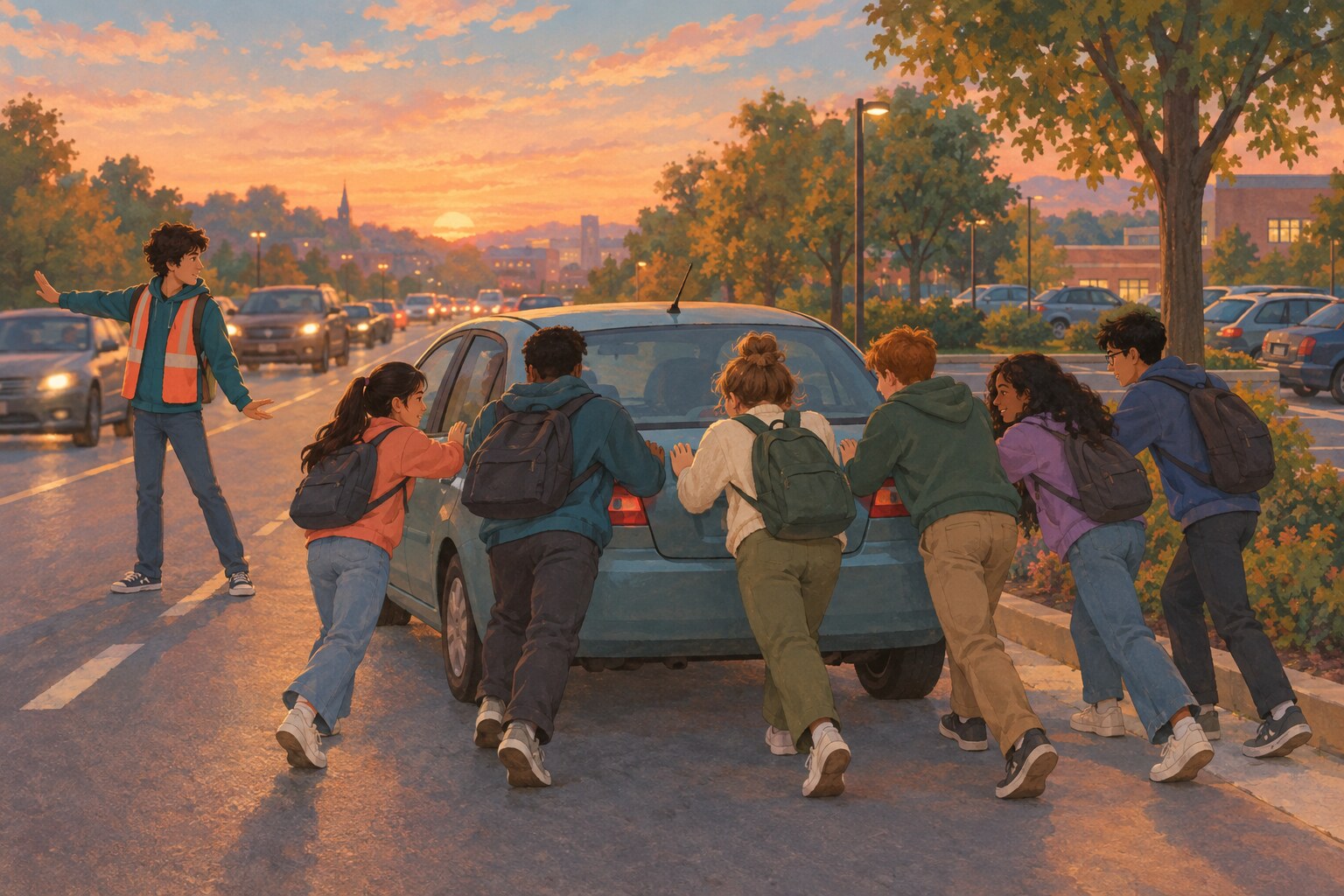
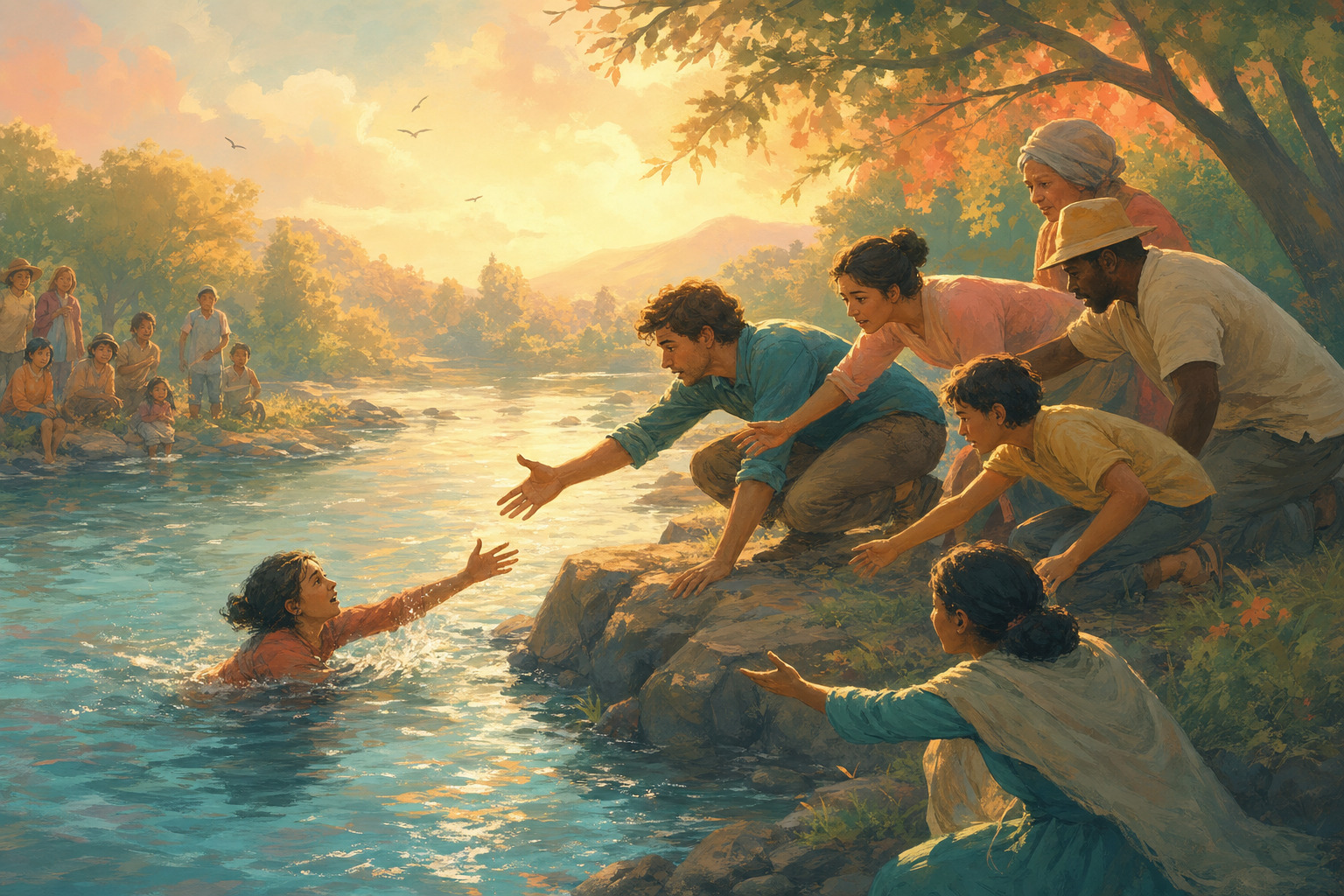
Teenagers pushing a stalled car to safety while one directs traffic. Chapter Two

Seven Strong Helpers

Seven teenagers pushed a stranger's stopped car out of busy traffic, and would not take any money.

Read Bibi’s full telling

Little one, a woman named Robin was driving home when her car suddenly stopped, right in the middle of a busy road. Cars were rushing past on both sides, and she was frightened. Then seven high school students saw her. They ran over and said, you steer, we will push. Together they pushed her car into a safe parking space, and one of them waved the traffic around. Robin tried to give them money to say thank you. They said no. Instead they gave her a hug and told her they were just glad she was safe. Seven pairs of hands, one small act, and a very big difference.

Bibi asks

If you saw someone stuck and scared, what is one way you could help?

The End · Told by Bibi

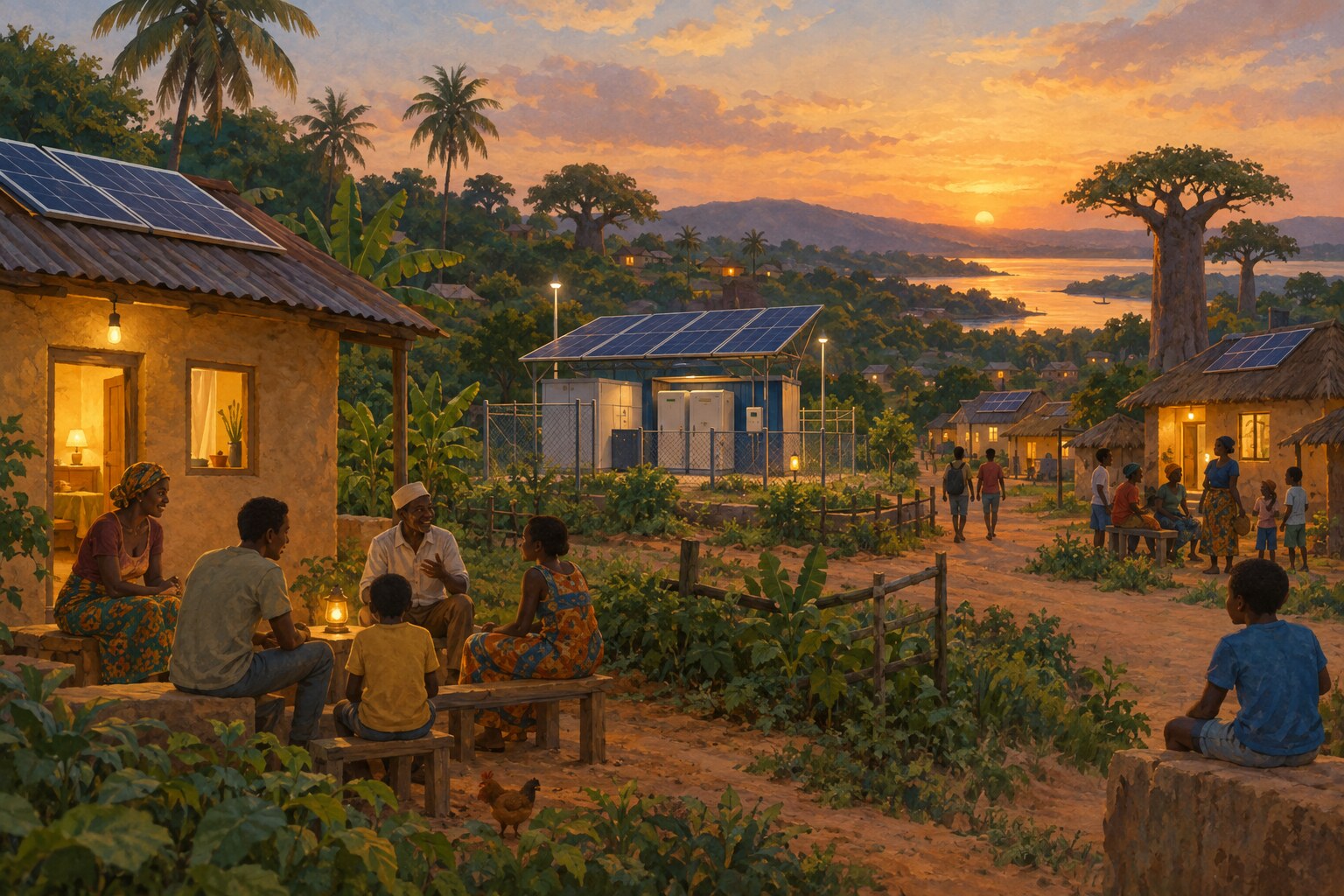
A rural village in Mozambique with small solar panels glowing at dusk. Chapter Three

Lights for Faraway Villages

Mozambique is gathering partners to bring electricity to villages far from the power lines.

Read Bibi’s full telling

Little one, imagine a village where there are no lights after sunset, and no power to keep medicine cold or pump water. In Mozambique, many villages are like that, far from the big power lines. But things are changing. A few years ago only about three in every ten people there had electricity. Now it is more than six in every ten. The country wants everyone to have power by the year 2030. So it is inviting banks, climate funds, kind donors and businesses to plan together. Some villages will get small solar power stations of their own. The work is just beginning, but the plan is to leave no village in the dark.

Bibi asks

What is one thing you do every day that needs electricity?

The End · Told by Bibi

Malaysian university students studying together on a bright campus. Chapter Four

Help to Keep Learning

In Malaysia, a scholarship is helping more than twelve hundred students from poor families stay at university.

Read Bibi’s full telling

Little one, going to university can cost a lot of money for classes, books and food. For families who do not have much, that can feel like a locked door. In Malaysia there is a list of families who need extra help, and now their children can get a special scholarship. Since January, more than twelve hundred students have received it. And here is a kind idea: it is not only for new students. Those who already started studying can get it too, so they do not have to stop halfway. The country has set aside even more money so thousands more can join. A scholarship is a key to a door that was locked.

Bibi asks

If someone gave you a key to learn anything, which door would you open?

The End · Told by Bibi

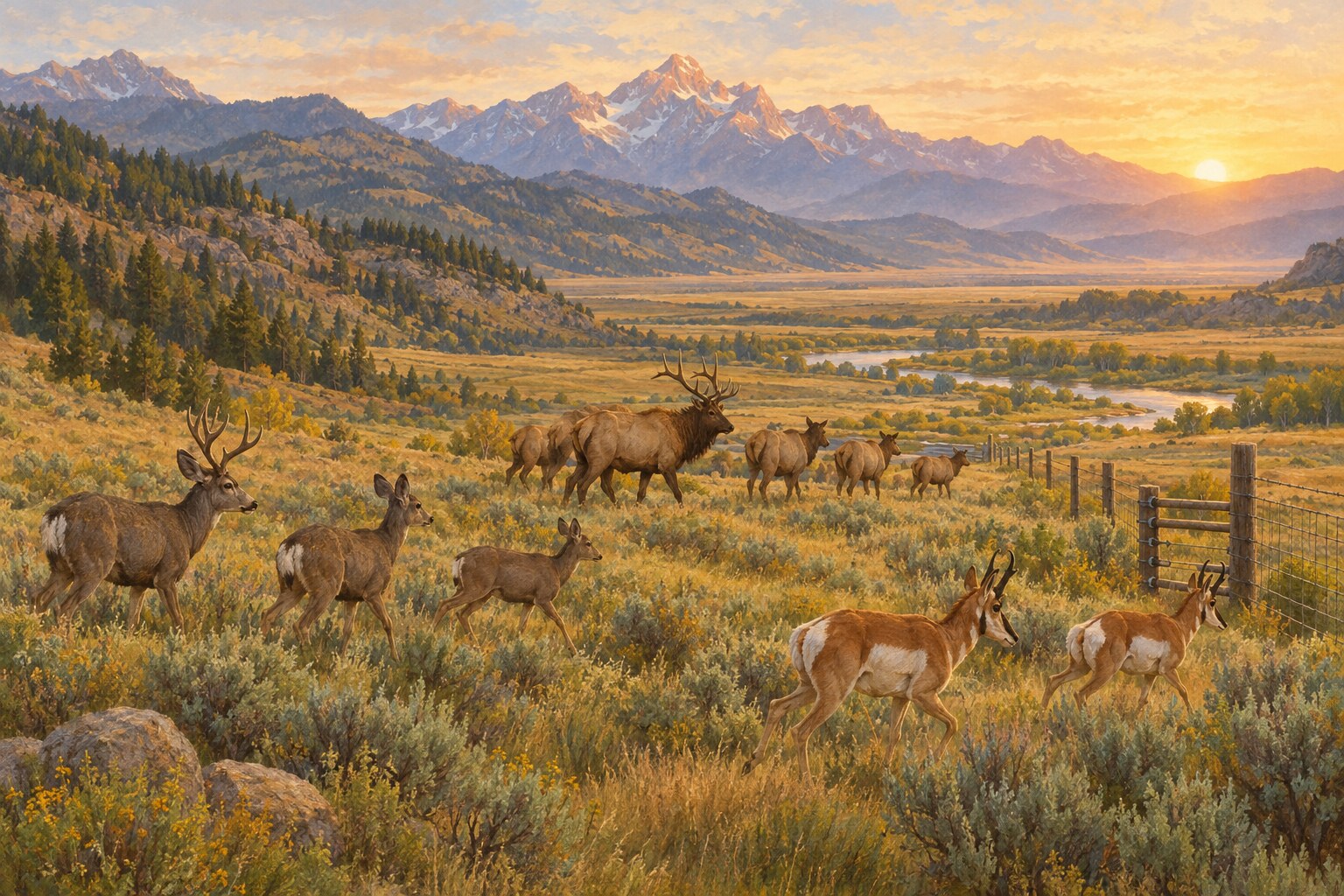
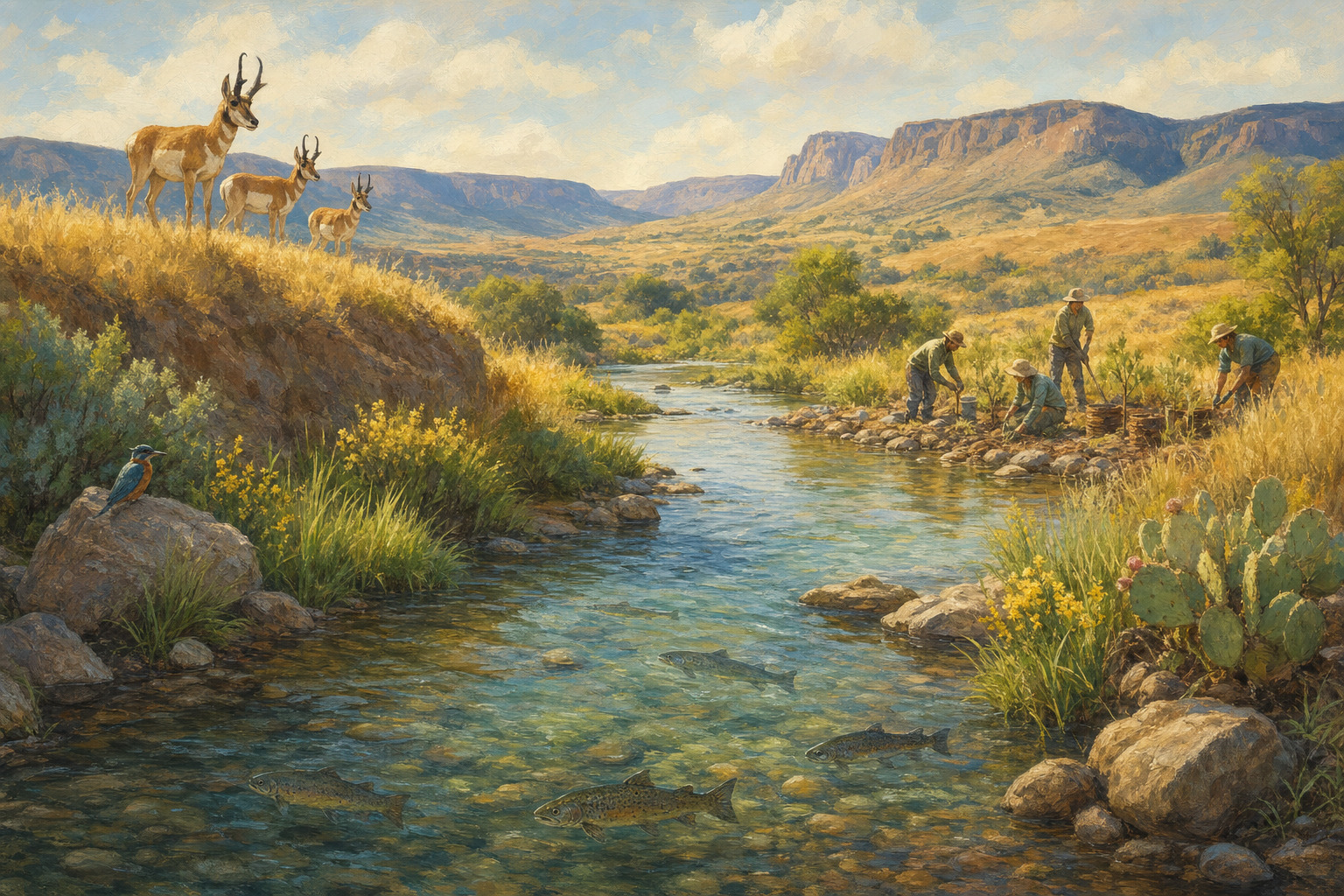
Elk and pronghorn crossing open western grassland past a wildlife-friendly fence. Chapter Five

Safe Roads for Deer and Elk

New grants will help deer, elk and pronghorn travel safely across the American West.

Read Bibi’s full telling

Little one, every year big animals like deer, elk, moose and pronghorn go on long journeys. In winter they walk down to warmer valleys, and in summer they walk back up into the mountains. But fences and overgrown land can block their path. Now a group has given thirteen million dollars to fourteen projects to help. People will fix fences so animals can jump over or slip under them safely. They will clear away plants that do not belong and help the grass grow back. That means more than two hundred thousand acres of land will be looked after. When we make room for animals to travel, the whole land stays healthier.

Bibi asks

If you were a deer on a long journey, what would you need along the way?

The End · Told by Bibi

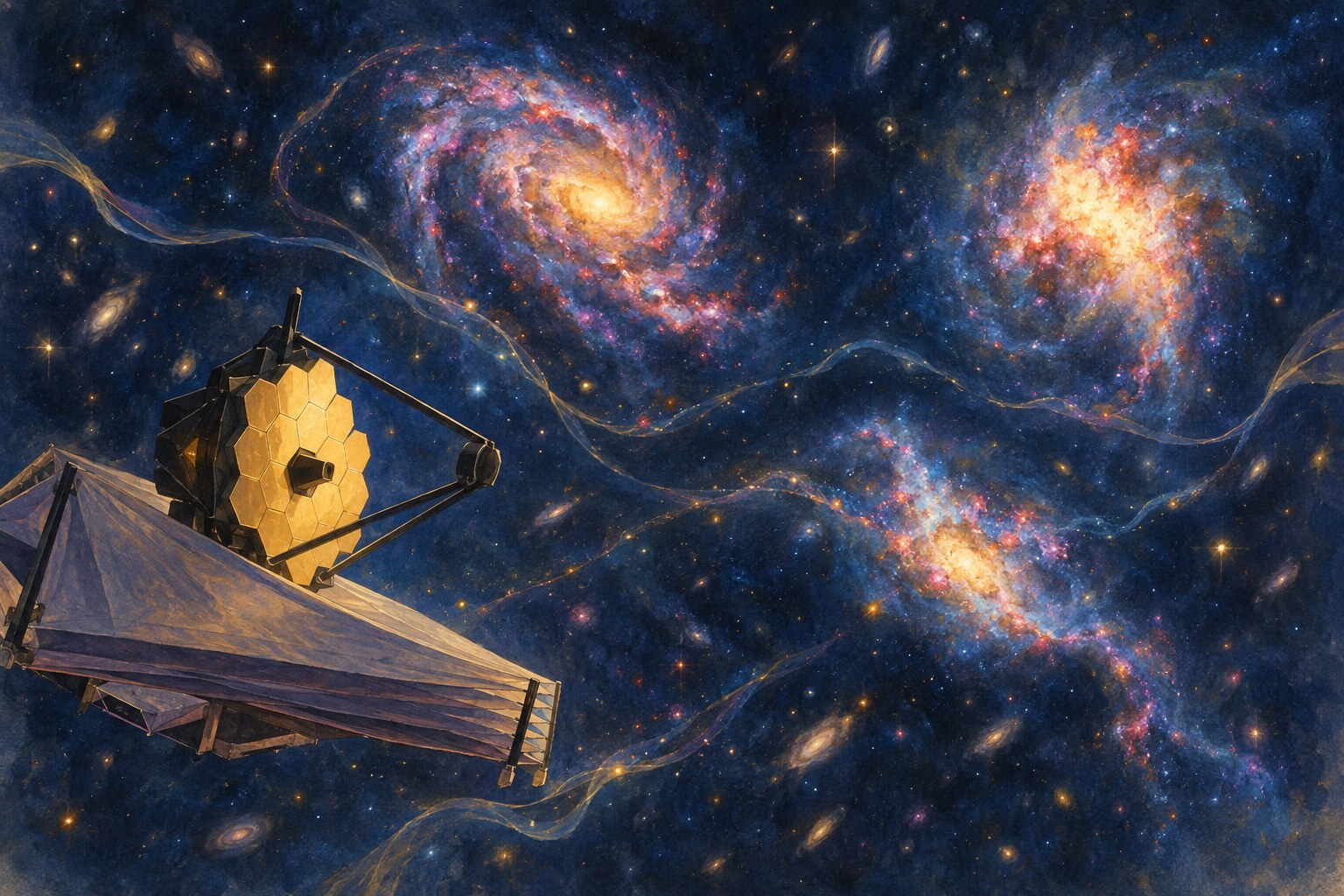
Young galaxies glowing in deep space, surrounded by drifting clouds of glowing gas. Chapter Six

Stardust From the Very Beginning

A giant space telescope saw baby galaxies already sharing the ingredients for new stars.

Read Bibi’s full telling

Little one, long, long ago, when the universe was very young, the first galaxies were just starting to shine. Their light has been travelling through space for more than thirteen billion years, and only now is it reaching us. A great space telescope called Webb caught that faint old light. Scientists looked at it very carefully for almost thirty hours. Hidden in the light they found signs of carbon, oxygen and silicon, the same things that make up stars, planets, and even you. And those ingredients were drifting out from the young galaxies into space. So even at the very beginning, galaxies were already sharing what they had to help new stars grow.

Bibi asks

Did you know you are made of the same things as the stars? How does that feel?

The End · Told by Bibi

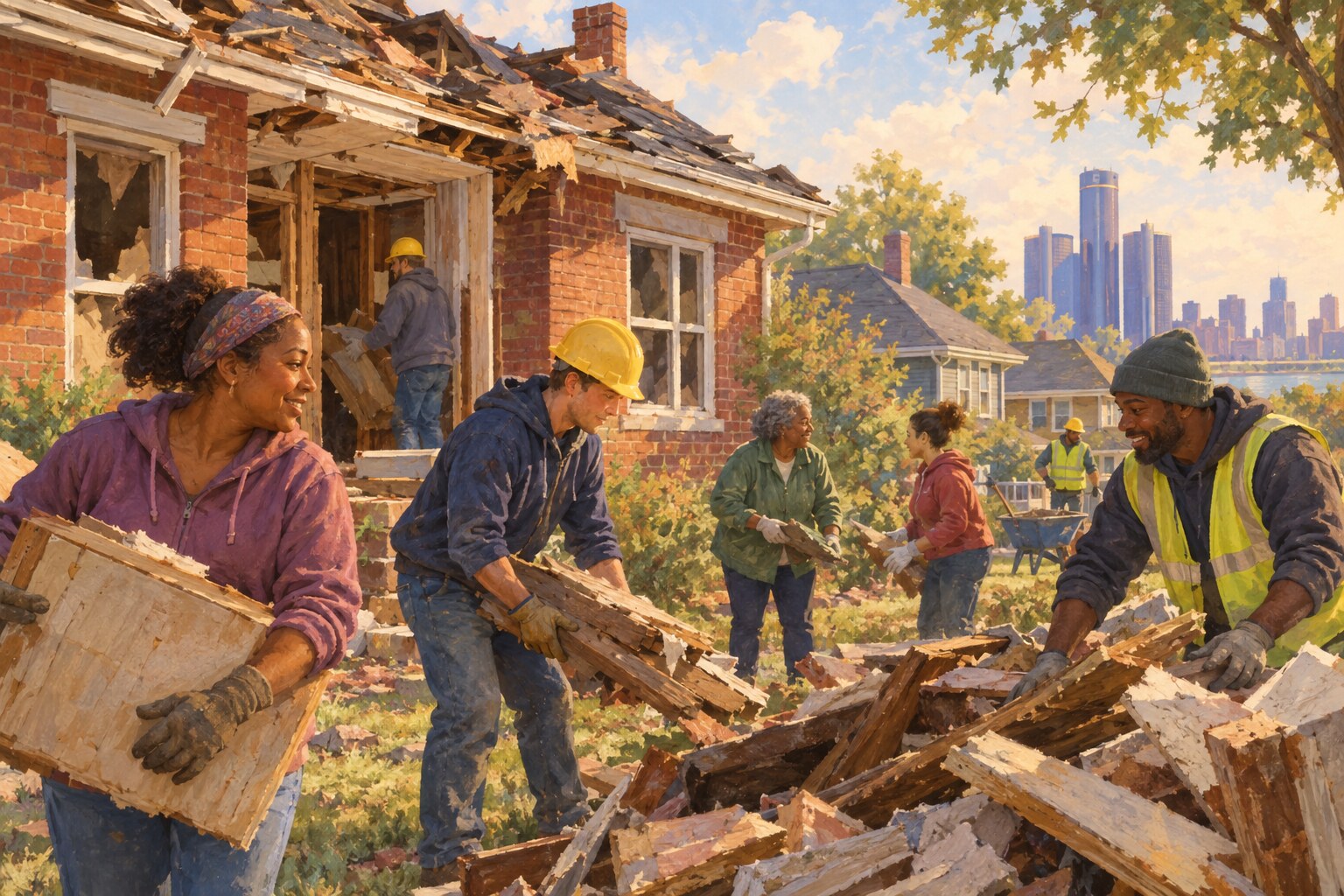
A construction crew clearing tornado debris from a Detroit home as the family watches. Chapter Seven

A Crew Arrives the Next Day

After a tornado hurt their home, a Detroit family got help from a football player and a building crew.

Read Bibi’s full telling

Little one, a strong spinning wind called a tornado hit a family's home in Detroit. Nadine and her family could not live there anymore, so they stayed in hotels for three whole weeks. Then a famous football player who grew up in Detroit saw their story on the news. He picked up the phone and called Nadine himself. He said, my friends build houses, and we will help. The very next day, a crew arrived to clear away the broken pieces. City workers took down the fallen porch, and inspectors checked that the house was safe. There is still work to do. But now Nadine is not doing it alone.

Bibi asks

When someone you know has a hard day, what could you do to help the very next day?

The End · Told by Bibi

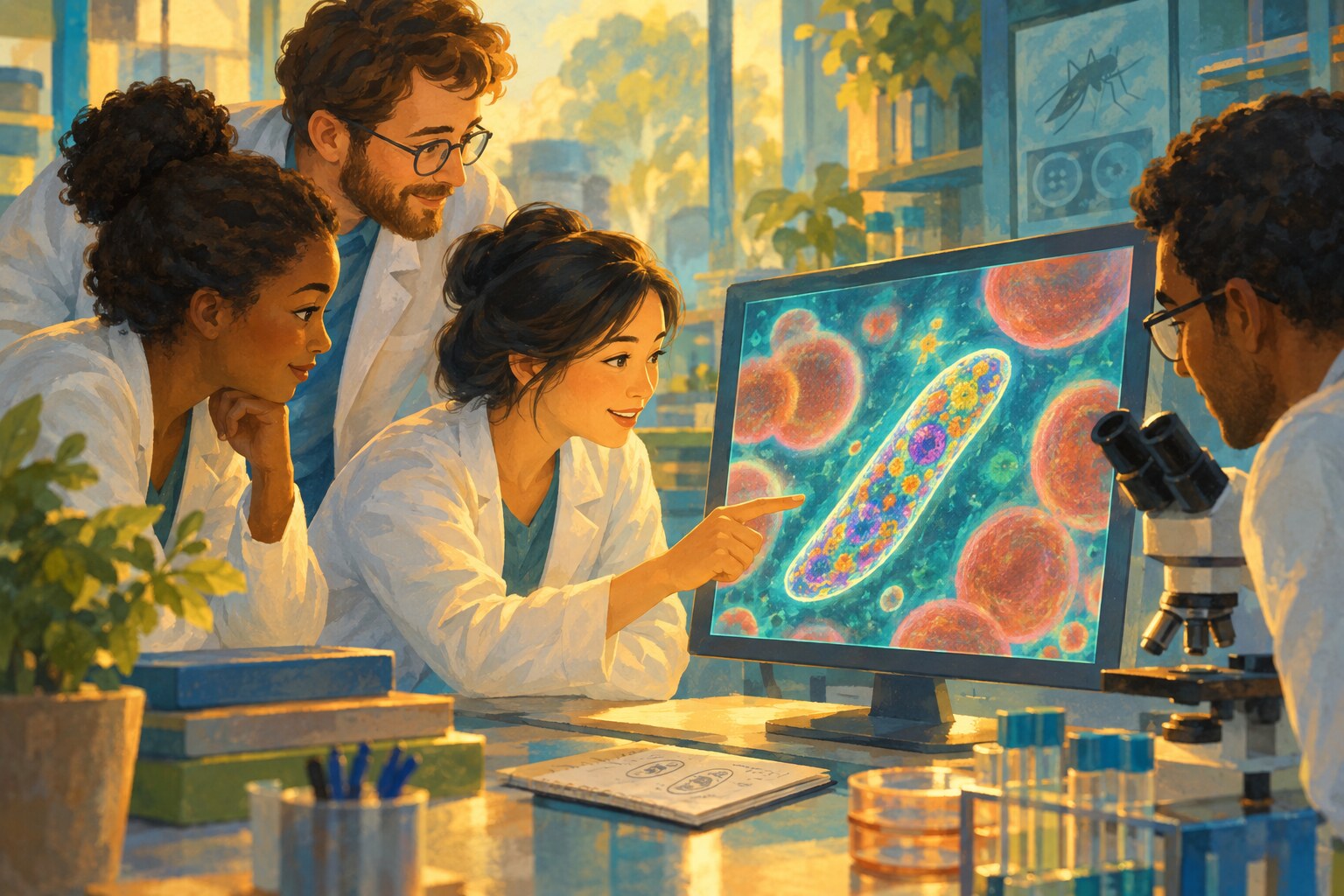
Scientists studying a tiny malaria parasite under a glowing microscope. Chapter Eight

A Tiny Spot on a Tiny Germ

Scientists found a weak spot on a malaria germ that could help make a new vaccine.

Read Bibi’s full telling

Little one, malaria is an illness that mosquitoes can carry from one person to another. One kind of malaria germ is very sneaky. It can hide inside a person's liver and come back months or even years later, making them sick again. Scientists in Florida looked very closely at this germ, and they found a tiny spot on it that nobody had noticed before. The germ uses that spot to get into the liver. In the lab, the scientists made special body helpers called antibodies that grab that exact spot, and the germ could not get in. A vaccine is still some years away. But finding the right spot is how good vaccines begin.

Bibi asks

What is something small that turned out to be very important?

The End · Told by Bibi

An ultra-thin glowing layer of material in a laboratory with gentle electric sparks. Chapter Nine

Strong Even When Tiny

Scientists found a material that keeps a special power even when it is thinner than almost anything.

Read Bibi’s full telling

Little one, most things get weaker when you make them very, very thin. A thin paper tears more easily than a thick book. But scientists found a material called hafnia that does something surprising. It has a special electrical trick: it can switch between two states, a little like a light switch flicking on and off. And the thinner they made it, the steadier that trick became. They made it so thin that a million of those layers side by side would only be as wide as a single millimetre, and it still worked. It even kept working when it was very, very hot. One day it might help make better computer memory and store energy.

Bibi asks

Can you think of something small that is surprisingly strong?

The End · Told by Bibi

Students walking across a leafy Maryland university campus in autumn. Chapter Ten

A Promise About Cost

A university in Maryland promised that eligible local students will pay much less to study there.

Read Bibi’s full telling

Little one, when young people finish school, some want to go to university to keep learning. But the price can be so high that families worry they cannot afford it. A university in Maryland called Mount St. Mary's made a promise. If you live in Maryland, work hard at school, and your family does not earn a very large amount, the university will lower the yearly cost of classes to twelve thousand five hundred dollars or less. The promise can last all four years. Food, books and a room still cost extra. But a clear promise helps families plan, and it lets more students believe that university can be for them too.

Bibi asks

What would you most like to learn about if you went to university one day?

The End · Told by Bibi

Book 30

Chapters 291–300

A greater one-horned rhinoceros walking through tall green grass beside calm water. Chapter One

A Plan for the One-Horned Rhino

India began a national project to look after its great one-horned rhinos.

Read Bibi’s full telling

Little one, the greater one-horned rhinoceros is enormous and grey, with skin that folds like armour and a single horn on its nose. Most of the ones left in the whole world live in a part of India called Assam, nearly eight out of every ten of them. On World Rhino Day, India announced a plan called Project Rhino. It will send money and expert help to the states where rhinos live, to guard them from harm, to keep their grasslands healthy, and to count them carefully so people know how they are doing. In some places rhinos have already been brought back to old homes where they had vanished. A big animal needs a big plan, and now it has one.

Bibi asks

If you could make a plan to protect one animal, which would you choose?

The End · Told by Bibi

A calm student helping on a stopped school bus while help arrives. Chapter Two

The Girl Who Stayed Calm

When a bus driver became very ill, a student helped stop the bus and called for help.

Read Bibi’s full telling

Little one, a girl named Alexis was riding the school bus home in Pennsylvania. Suddenly the driver became very ill and could not answer anyone. Alexis did not scream or freeze. She helped bring the big bus to a safe stop. Then she picked up the bus radio and called for help. While everyone waited, she checked whether the driver was still breathing and whether his heart was beating. Alexis had practised these things in a health class at school. Because she had practised, her hands knew what to do even when her heart was racing. The helpers arrived, and everyone on the bus was safe. Learning something carefully today can help someone tomorrow.

Bibi asks

What is one helpful thing you would like to learn, just in case?

The End · Told by Bibi

A living deep-water coral reef with colourful fish beneath the sea off Benin. Chapter Three

The Reef That Was Hiding

Scientists found living coral deep under the sea near Benin, where people thought it had died.

Read Bibi’s full telling

Little one, about sixty years ago some people looked at the deep sea near Benin, in West Africa, and they thought the coral reef there was probably dead. Nobody went back to check for a very long time. Then a new team of scientists came with special tools. First they used sound to draw a map of the sea floor. Then they sent a small underwater robot with a camera down deeper than a tall building is high. And what did the camera see? Living coral, growing on the rocks, with angelfish and snappers and other fish swimming around it. Sometimes something we thought was lost was only waiting for someone to look again.

Bibi asks

What is something you would like to look for again, even if others gave up?

The End · Told by Bibi

Workers laying new water pipeline across green hills in Saint Lucia. Chapter Four

New Pipes for Clean Water

Saint Lucia is replacing old water pipes so homes can count on water flowing.

Read Bibi’s full telling

Little one, on the island of Saint Lucia, water travels to homes through long pipes under the ground. Some of those pipes are very old. They crack and leak, and sometimes the taps in people's homes go dry. So the island and several friendly countries and banks have come together to replace five kilometres of old pipe with strong new pipe. They will also add special meters and a smart system that can spot a problem quickly, before it becomes a big one. More than fifty-six thousand homes and businesses will get more reliable water. When big storms come, strong pipes are much more likely to keep working. Clean water, every day, is a quiet kind of good news.

Bibi asks

How many times do you think you use water in one day?

The End · Told by Bibi

University students learning cloud computing together on laptops. Chapter Five

Free Lessons in the Cloud

University students can now take hundreds of computer courses for free.

Read Bibi’s full telling

Little one, many of the apps and websites people use every day live on giant computers far away. People call this the cloud, even though it is not in the sky at all. Learning how the cloud works can help young people get good jobs, but the classes can be expensive. Now a big company called Amazon Web Services has made a free programme for university students. For a whole year, students can try more than nine hundred lessons, practise in pretend labs, and even play learning games. If they keep going and collect badges, they can earn a free exam that proves what they know. When learning is free, more people get the chance to try.

Bibi asks

If you could take any class for free, what would you want to learn?

The End · Told by Bibi

A tiny flexible glowing thread beside softly lit brain cells. Chapter Six

A Thread That Listens to the Brain

Scientists made a tiny bendy thread that can listen to the brain, send light, and carry medicine.

Read Bibi’s full telling

Little one, your brain talks to itself all day long with tiny sparks of electricity. Scientists who want to understand the brain need ways to listen to those sparks. Researchers in Denmark and London have made a special thread thinner than a pencil line, and soft enough to bend. This one little thread can do three jobs. It can listen to the brain's sparks. It can shine a tiny light that gently wakes up certain cells. And it has little channels inside that can carry a drop of medicine to just the right spot. So far it has only been tested in mice, not in people. But one small tool doing three jobs means fewer tools, and gentler studies.

Bibi asks

If you could invent one tiny tool that did three jobs, what would it do?

The End · Told by Bibi

A Red Cross volunteer listening warmly to a woman at a table in a relief centre on Guam. Chapter Seven

The Volunteer Who Listened

After a big storm, a helper sat down with one woman and really listened to her.

Read Bibi’s full telling

Little one, a very strong storm called a typhoon blew across the island of Guam. Many families had to fix their homes and get ready for school again. A helper named Suzanne came from far away with the Red Cross. One day she met a woman who had no home, even before the storm came. Suzanne did not rush. She sat down beside her and asked questions, and then she listened, really listened, to every answer. That way the Red Cross could find the right help for her. Later the woman said that for the first time in a long while, she felt that someone truly saw her. Sometimes the kindest help begins with simply listening.

Bibi asks

Who is someone who really listens to you, and how does it feel?

The End · Told by Bibi

Researchers in a bright laboratory studying ideas for a shorter tuberculosis treatment. Chapter Eight

Making Medicine Time Shorter

Scientists got money to find a faster way to cure a sickness called TB.

Read Bibi’s full telling

Little one, there is a sickness called tuberculosis, or TB for short, that can hurt people's lungs. Medicine can cure it, but a person has to take pills every day for four to six months. That is a very long time. Some people feel sick from the pills, and some cannot afford them, so they stop too early. Now scientists in New York have been given a big grant, seventeen million dollars, to find out how to make the treatment shorter. They will study how the TB germs hide from medicine and how certain pills chase them out faster. If the medicine time gets shorter, many more people will finish it and get well.

Bibi asks

What helps you keep going when something takes a long time?

The End · Told by Bibi

A tiny hopping robot leaping onto a stair step in a workshop. Chapter Nine

The Robot That Hops Just Right

A tiny robot as light as a paperclip can choose exactly how high it jumps.

Read Bibi’s full telling

Little one, some engineers built a robot so small it can sit in the palm of your hand. It weighs about as much as a paperclip. They named it DirectHop, because it hops. Most jumping toys use a spring, and the spring decides how high they go. But this little robot has a tiny motor and three folding legs, so it can choose. A small hop, or a big hop, just the right size. It can jump up a stair step, land, and even turn itself right side up again, like a box turtle rolling back onto its feet. One day robots like this might explore tight spaces where people cannot easily go.

Bibi asks

If you had a tiny hopping robot, where would you send it to explore?

The End · Told by Bibi

Young woodland spreading across the hills of Scotland's Cairngorms seen from above. Chapter Ten

Six Million Trees From the Sky

Scientists flew over Scotland and counted millions of young trees growing back.

Read Bibi’s full telling

Little one, in the mountains of Scotland there is a place called the Cairngorms. Long ago much of it lost its trees. People decided to give the forest a chance to come back. But how do you know if a forest is growing? Scientists flew over it in an aeroplane that shone a special light down onto the land, and it made a map of every tree, and how tall each one was. They counted more than six million trees. Millions of them were still young, shorter than a small house. Most had grown all by themselves, from seeds the wind and birds had carried. When you give nature room and patience, it can heal itself.

Bibi asks

If you planted a seed today, how long would you wait to see it grow?

The End · Told by Bibi

Book 29

Chapters 281–290

A glowing virtual laboratory of connected windows where scientists guide small light-filled helpers. Chapter One

The Laboratory Made of Helpers

Scientists built a pretend laboratory where computer helpers try ideas for new medicines.

Read Bibi’s full telling

Little one, finding a new medicine is slow work. Scientists must try one idea, then another, then hundreds more, and most of them do not work. So researchers built something clever: a pretend laboratory inside a computer, full of small helpers that each do one job. One helper reads old studies. One suggests an idea. One checks whether the idea makes sense. They work together very quickly, and the ideas that look best are then tested by real scientists with real hands in a real laboratory. The computer helpers do not make medicine. They help people choose which door to open first. Sometimes the kindest invention is not the answer itself, but a faster way to find it.

Bibi asks

If you had a helper who could try your ideas quickly, what would you try first?

The End · Told by Bibi

A kind person in an apron offering covered home-cooked meals to neighbours on a quiet street at dusk. Chapter Two

The Cook Nobody Can Name

A quiet man has handed out about 15,000 home-cooked meals to people who needed them.

Read Bibi’s full telling

Little one, in a city called Vancouver there is a man who walks down the street carrying warm food he cooked himself. People call him Mr. Singh, but that is not really his name, and he does not want his picture taken. For two months he has given out meals to people living outside, about fifteen thousand plates of food. And he does something else too. He stops and asks each person how they are feeling today. He reminds them that they matter. He pays for all the food with his own money, and he hired one helper. He hopes one day to give a million meals, one plate at a time. He does not want to be famous. He just wants nobody near him to be hungry.

Bibi asks

If you cooked something warm for someone today, who would you bring it to?

The End · Told by Bibi

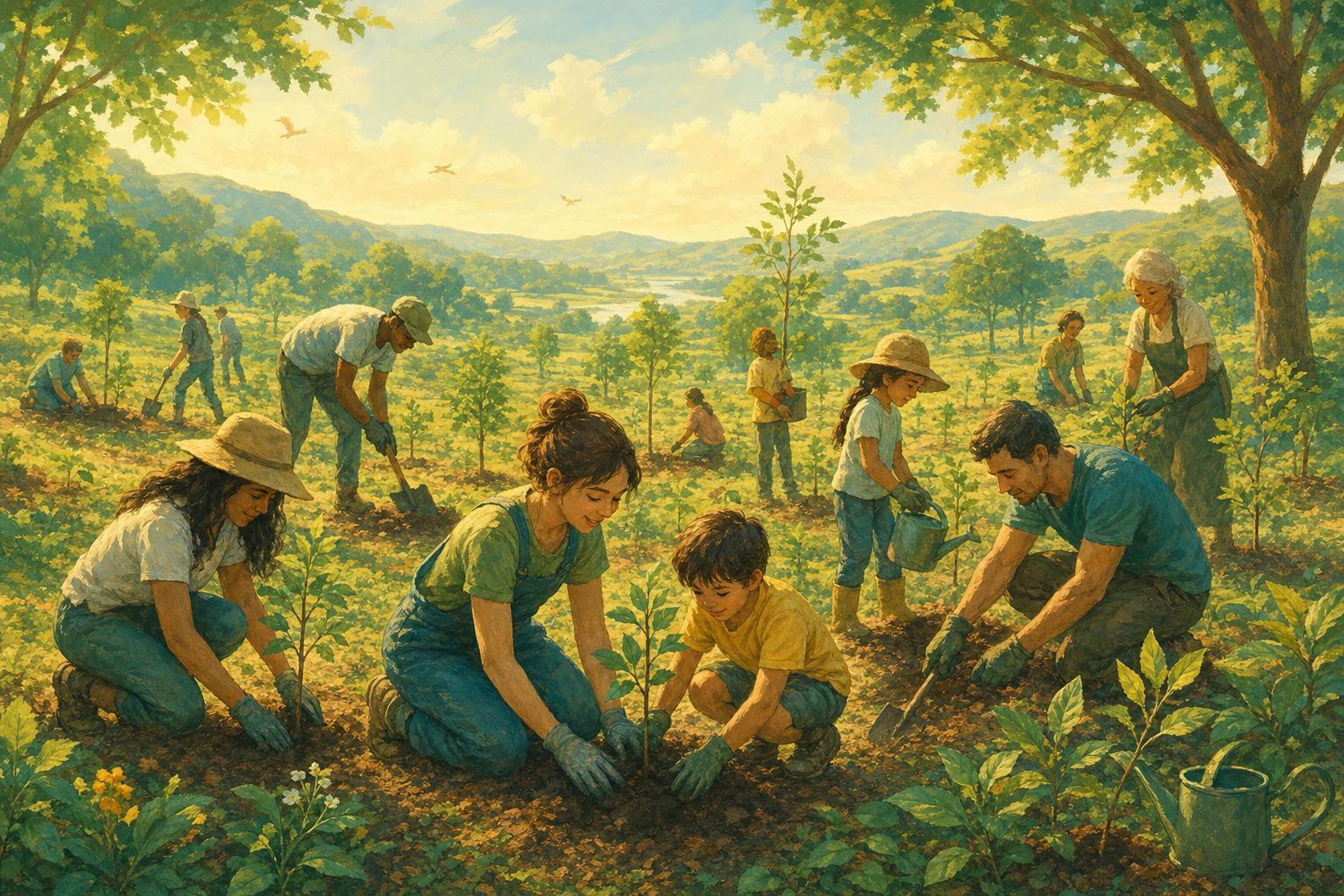
Volunteers planting young mangrove seedlings in shallow water along the Red Sea coast. Chapter Three

Fifty Thousand Trees With Wet Feet

In Egypt, volunteers planted fifty thousand young mangrove trees along the sea.

Read Bibi’s full telling

Little one, there are trees that like to stand with their feet in salty water. They are called mangroves, and their tangled roots hold the shore together. Along the Red Sea in Egypt, fifty thousand young mangroves have now been planted. Volunteers from nearby towns helped push each little seedling into the mud, and they come back to check whether the small trees are growing well. The roots give baby fish a safe place to hide. When big waves rush at the land, the mangroves take the first push, so the shore stays where it is. Some of the women there also keep bees near the trees and sell honey. A forest that protects the coast can feed families too.

Bibi asks

If you planted a tree today, who do you think would sit under it one day?

The End · Told by Bibi

Families releasing young lake sturgeon into a clean river while experts look on. Chapter Four

The Old Fish Comes Home

Young sturgeon were let go into an Ohio river where they had not lived for a long time.

Read Bibi’s full telling

Little one, the lake sturgeon is a very old kind of fish, with bony plates along its back like a small dragon. Long ago many of them swam in a river in Ohio called the Cuyahoga. Then the water became dirty and walls called dams blocked the way, and the sturgeon disappeared. People spent many years cleaning that river and taking the old dams out. Now the water is healthy again. So one September day, families gathered at the riverbank and gently let young sturgeon slip into the water. Each fish was small enough to hold in two hands. They may live for many, many years. The river waited, and the people worked, and the fish came home.

Bibi asks

What is something you would work many years to bring back, if you could?

The End · Told by Bibi

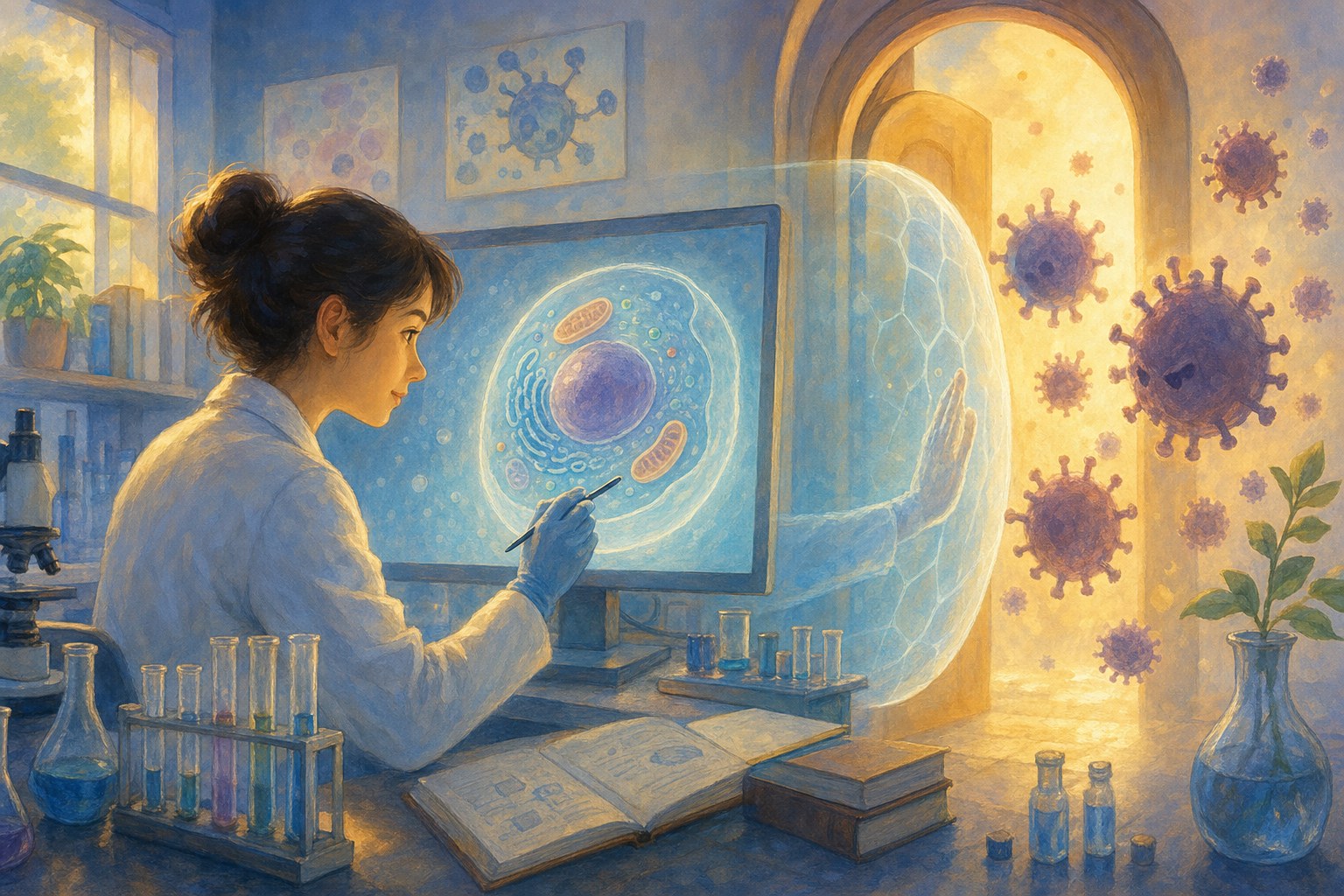
A glowing digital twin of a living cell with its moving inner parts shown on a screen. Chapter Five

A Pretend Cell for Practising

Scientists built cells inside a computer so they can try medicines without waiting.

Read Bibi’s full telling

Little one, your body is made of tiny rooms called cells, and inside every cell there are busy little parts that move all day long. Scientists made films of those moving parts through a very strong microscope. Then they taught a computer to watch forty thousand of those films, until the computer learned how a cell behaves when it is given different medicines. They also built a pretend cell, a kind of twin, that acts just like a real one. Now they can try an idea on the pretend cell first, and see what might happen, before using a real one. It is like practising a song quietly before singing it out loud. Careful practice helps people find good answers faster.

Bibi asks

What do you like to practise quietly first, before you do it for real?

The End · Told by Bibi

Haitian families receiving seeds and small livestock to replant their fields. Chapter Six

Seeds Instead of Boxes

Thirteen thousand families in Haiti are getting seeds and animals so they can grow food again.

Read Bibi’s full telling

Little one, when people are hungry, you can bring them a box of food, and that helps for a few days. But if you bring them seeds, they can grow food for many months. In Haiti, many families had to leave their fields because of trouble and hard times. Now thirteen thousand households are receiving seeds, more than two hundred tonnes of them, along with small animals to keep. The neighbours themselves helped decide which families needed help most, because they know their own village best. Later, ducks, chickens, guinea fowl, rabbits and goats will come too. Soon families will eat what they grew with their own hands. That is a different kind of help, the kind that keeps going.

Bibi asks

Would you rather be given a meal, or be taught how to grow one?

The End · Told by Bibi

A Detroit family standing safely outside their storm-damaged home as volunteers lift a fallen tree away. Chapter Seven

The Tree on the House

Volunteers brought a crane to lift a fallen tree off a family's home in Detroit.

Read Bibi’s full telling

Little one, a big tree fell onto a family's house in Detroit. It was not safe to go inside anymore. Markita and her little baby and her six-year-old son had to sleep somewhere else, while nearly all their things stayed behind in the house. Then people heard about it on the news. A crane company said, let us help. On a September morning they brought a huge machine with a long arm, and very carefully they lifted the tree up off the roof. Now the family can begin fixing their home. The tree is not the whole problem solved. But when the first heavy thing is lifted, the rest starts to feel possible.

Bibi asks

Who would you call first if something heavy landed on your day?

The End · Told by Bibi

A New York neighbourhood with homes receiving heat-pump upgrades and solar panels on rooftops. Chapter Eight

Warm Homes, Cleaner Air

New York is spending almost a billion dollars to make homes and schools cleaner and cheaper to heat.

Read Bibi’s full telling

Little one, keeping a house warm in winter costs money, and sometimes it makes smoke that dirties the air. New York decided to spend almost a billion dollars to fix both problems at once. Some of the money pays for someone to visit a family's home for free and find where the cold sneaks in. Some pays for better heating machines called heat pumps, which use electricity instead of burning fuel. Some goes to apartment buildings where rent is kept low, so those families are not left out. Fifty million dollars is for schools, so the air children breathe in class is cleaner. The rest helps put more sunshine power on rooftops. Warmer homes, smaller bills, cleaner air, all from the same plan.

Bibi asks

What would you fix first in your home if you could fix one thing?

The End · Told by Bibi

A glowing network of healthy cells sharing tiny golden energy sparks with neighbouring cells. Chapter Nine

Cells That Share Their Batteries

Scientists saw healthy cells hand tiny power packs to tired cells in mice.

Read Bibi’s full telling

Little one, inside almost every cell in your body there are tiny power packs called mitochondria. They make the energy that lets you run and think and grow. In some rare illnesses those power packs do not work well, and the body gets very tired. Scientists at Stanford were studying mice with such an illness. After the mice received healthy new cells, something surprising happened. The healthy cells travelled to the heart and the brain, and they handed over some of their own power packs to the tired cells nearby. Like sharing a battery with a friend whose torch has gone dim. The mice grew stronger and moved better. This was only mice, not people yet, and the help was partial. But it is a brand-new idea, and new ideas are how cures begin.

Bibi asks

When have you shared something of yours so a friend could keep going?

The End · Told by Bibi

Children carrying school bags toward a simple temporary classroom tent. Chapter Ten

School Again, At Last

Children in Gaza went back to real classrooms after almost three years away.

Read Bibi’s full telling

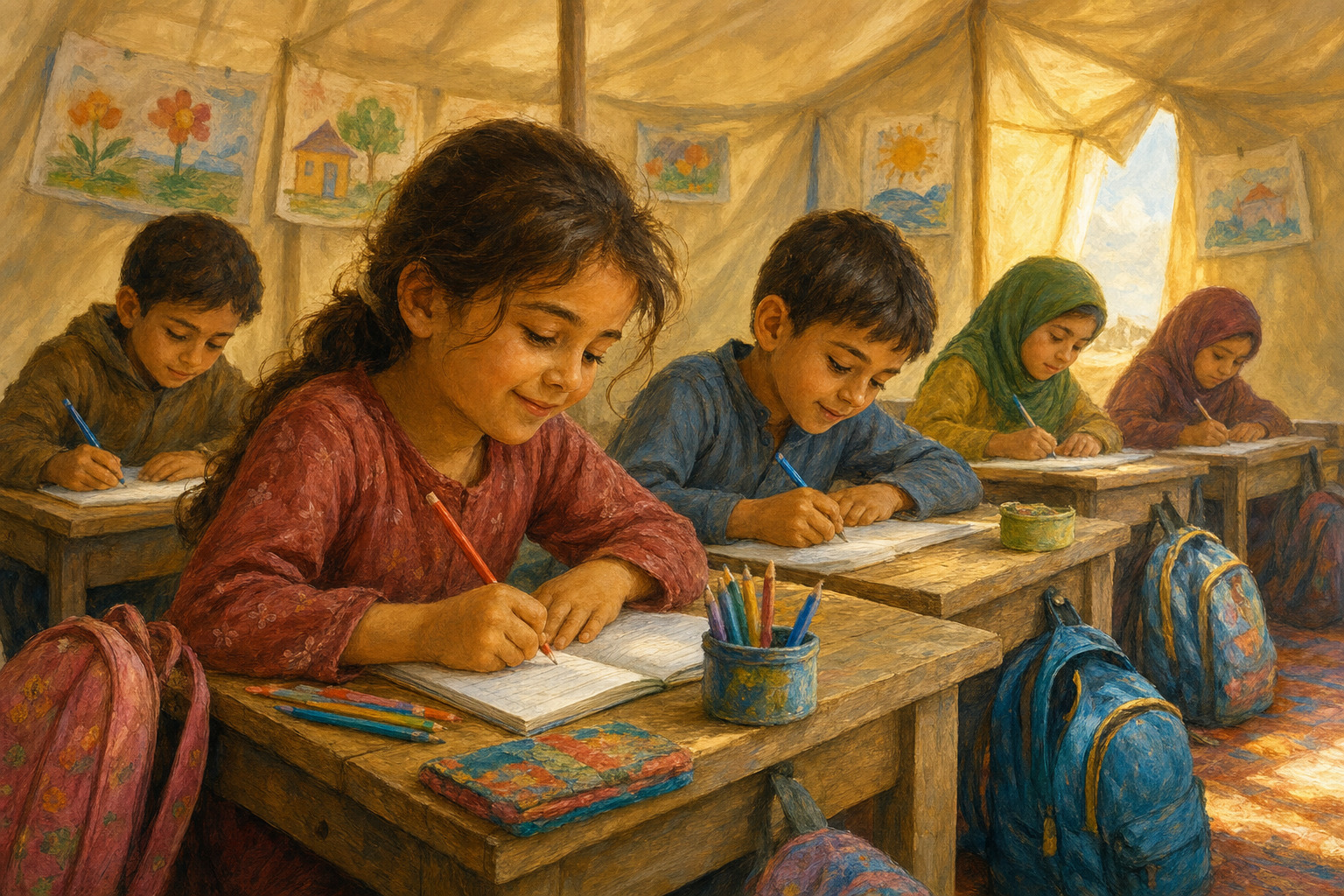
Little one, in Gaza many children had not sat in a classroom for almost three years. War had kept them away. Then one morning in September they picked up their school bags and went back. The schools are not the way they used to be. Some rooms are broken, and some classes meet inside tents. There are not enough desks or books or pencils, and some children sit on the floor to write. It is hard. But being in a class is more than a desk. It is a friend beside you, a teacher who knows your name, and a morning that begins the same way for everyone. Their teachers and parents said it was difficult, and they said it mattered very much.

Bibi asks

What do you miss most when you cannot go to school for a while?

The End · Told by Bibi

Book 28

Chapters 271–280

NASA’s Roman Space Telescope glides above Earth against a star-filled sky. Chapter One

The Telescope With Extra Time

A space telescope saved so much fuel it might study the stars for 22 years.

Read Bibi’s full telling

Little one, NASA built a big telescope called the Roman Space Telescope to study the universe. It was supposed to have enough fuel for about 10 years. But the people flying it did something very careful. When they steered the telescope for the first time, they used much less fuel than they expected. They saved so much that now the telescope might keep working for at least 22 years. That is more than twice as long. It means the telescope can keep looking at stars and galaxies and asking questions about the universe long after it was supposed to stop. Sometimes being very careful with what you have gives you more time than you planned.

Bibi asks

If you were given extra time to explore something you love, what would you look at first?

The End · Told by Bibi

Volunteers planting flowers and painting a mural outside homes in a welcoming neighborhood. Chapter Two

The Neighbors Who Fixed 28 Homes

Hundreds of people gave their time to repair homes and paint a mural together.

Read Bibi’s full telling

Little one, in a town called De Pere, about 325 people decided to spend three days helping their neighbors. They worked on 28 homes, fixing up gardens and outside walls. Together they gave more than 1,500 hours of their time. They also painted a big mural on a baseball field wall for everyone to see. Even on the last day, more than 100 people were still outside working, even though rain was coming. They did not get paid. They just wanted to make their neighborhood a better place. When many people give a little time, together they can do something very big.

Bibi asks

What is something small you could do for your neighborhood that others might see and smile at?

The End · Told by Bibi

Neighbors planning community solar and wind projects beside a village hall. Chapter Three

Power That Belongs to Everyone

A new fund will help towns in the UK build and own their own clean energy.

Read Bibi’s full telling

Little one, in the United Kingdom, the government has set aside 30 million pounds to help towns and communities build their own clean energy. That means solar panels on public buildings, wind turbines owned by local people, and small water power systems. The idea is that the people who live in a place can also own the energy it makes. When communities own their own energy, they can decide how it works and who benefits. It turns something big and far away into something close to home. Clean energy is not just about machines. It is about people having more say in how their world is powered.

Bibi asks

If your town could build something that everyone shared, what would you want it to be?

The End · Told by Bibi

Researchers studying a compact solid-state cooling device in a bright laboratory. Chapter Four

The Cooler That Never Got Tired

Scientists made a cooling device that worked one million times without wearing out.

Read Bibi’s full telling

Little one, the machines that keep food cold and homes cool use special chemicals that can be bad for the planet. Scientists in Hong Kong wanted to make something better. They built a cooling device out of a special metal that changes shape when you bend it, then goes back. They tested it one million times, and it kept working just as well as the first time. It did not wear out. It did not use the old chemicals. It made things cold using less energy and without hurting the air. If we can cool our homes and food without harming the planet, that is good news for everyone who breathes.

Bibi asks

If you could make something that never wore out, what would you want it to be?

The End · Told by Bibi

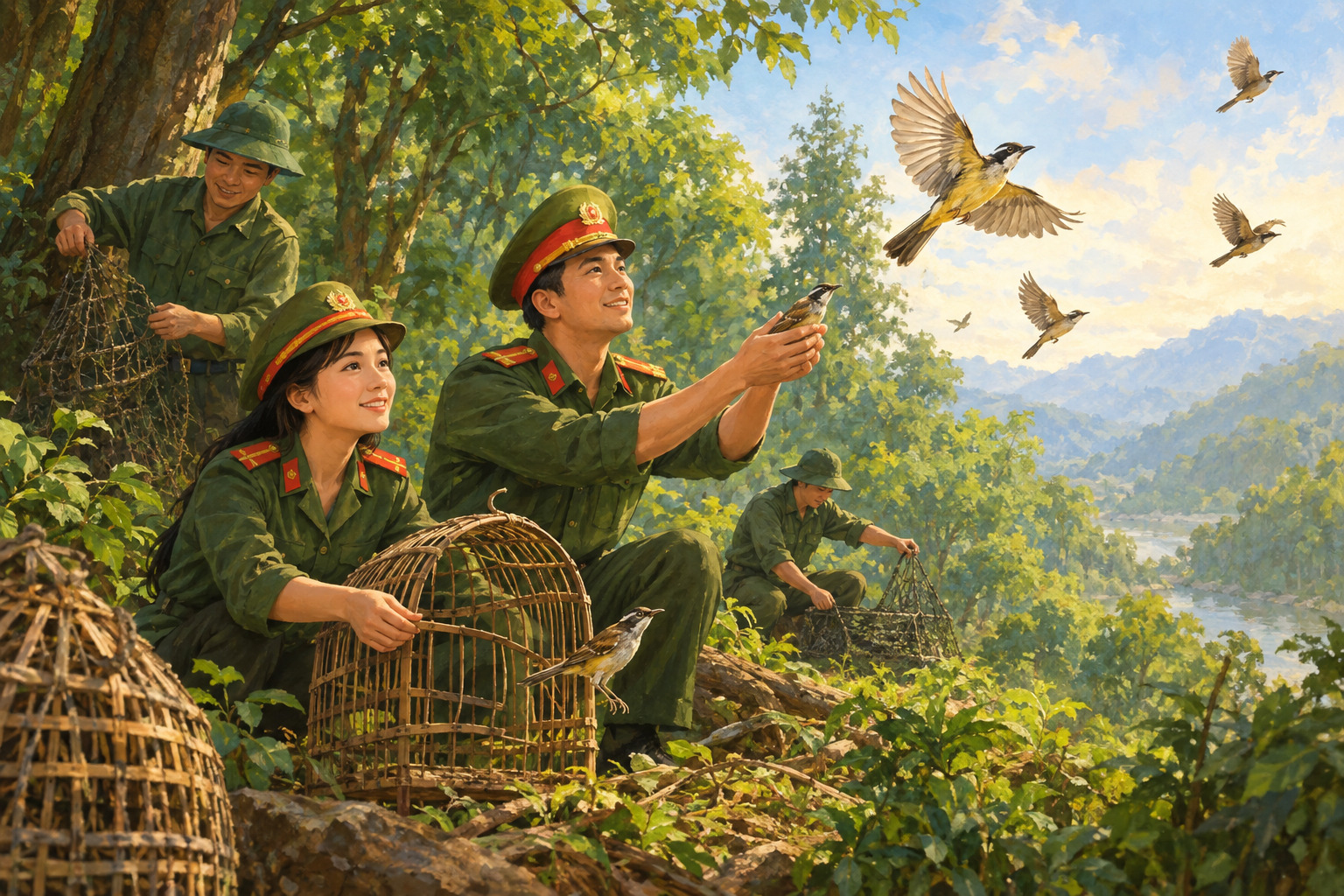
Migratory birds flying over a protected wetland after a ranger removes an empty trap. Chapter Five

Setting the Birds Free

People in Vietnam removed more than 20,000 bird traps before migration season.

Read Bibi’s full telling

Little one, every year birds fly long distances to find warm places to rest. But in some places, people set traps to catch them. In a part of Vietnam called Ha Tinh, officials decided to help. They went out and found 20,109 traps and took them all away. They also found 110 live birds caught in the traps and set them free. The birds flew back into the wild. The officials did this before the busy season when the most birds fly through. They wanted to make sure the birds had a safe place to rest and eat on their long journey. When you clear a path for something small and wild, you give it a chance to keep going.

Bibi asks

If you could clear a path for something small on a long journey, what would you clear it for?

The End · Told by Bibi

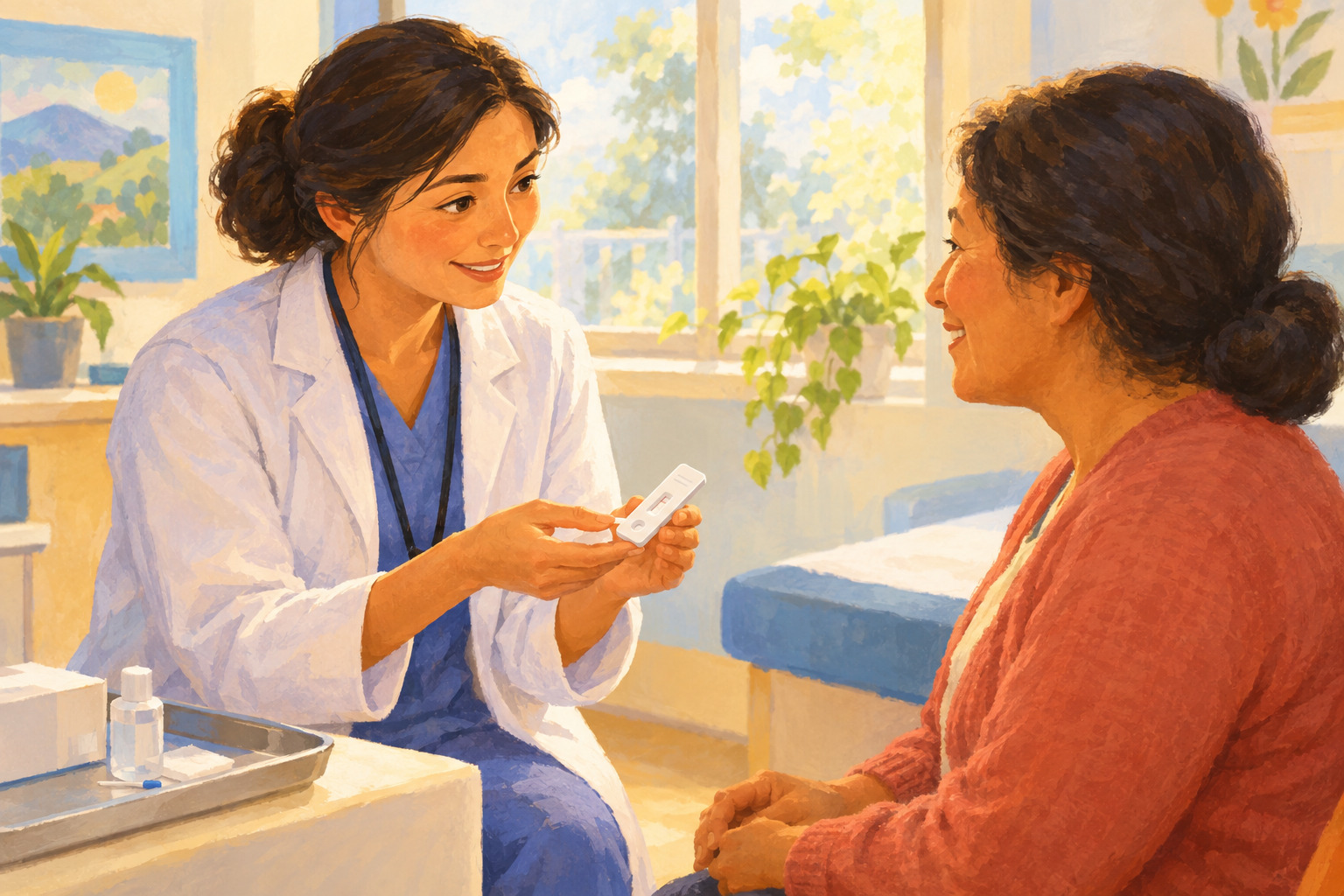
A nurse and patient looking together at a small testing device in a welcoming clinic. Chapter Six

Tests That Come to You

A new partnership will bring faster sickness tests closer to where people live.

Read Bibi’s full telling

Little one, when someone gets sick, it is important to know what is making them ill as quickly as possible. But in many places, the test to find out is far away in a big laboratory. Now a group called the Global Fund and some partners have promised up to 10 million dollars to bring faster tests to clinics closer to where people live. The new tests can tell a doctor what is wrong in less than an hour. That means people can start the right treatment sooner, even if they live far from a big city. Thirteen countries will be the first to try. When you bring the test closer to the person, you help them get better faster.

Bibi asks

If you could bring something important closer to someone who needed it, what would you bring?

The End · Told by Bibi

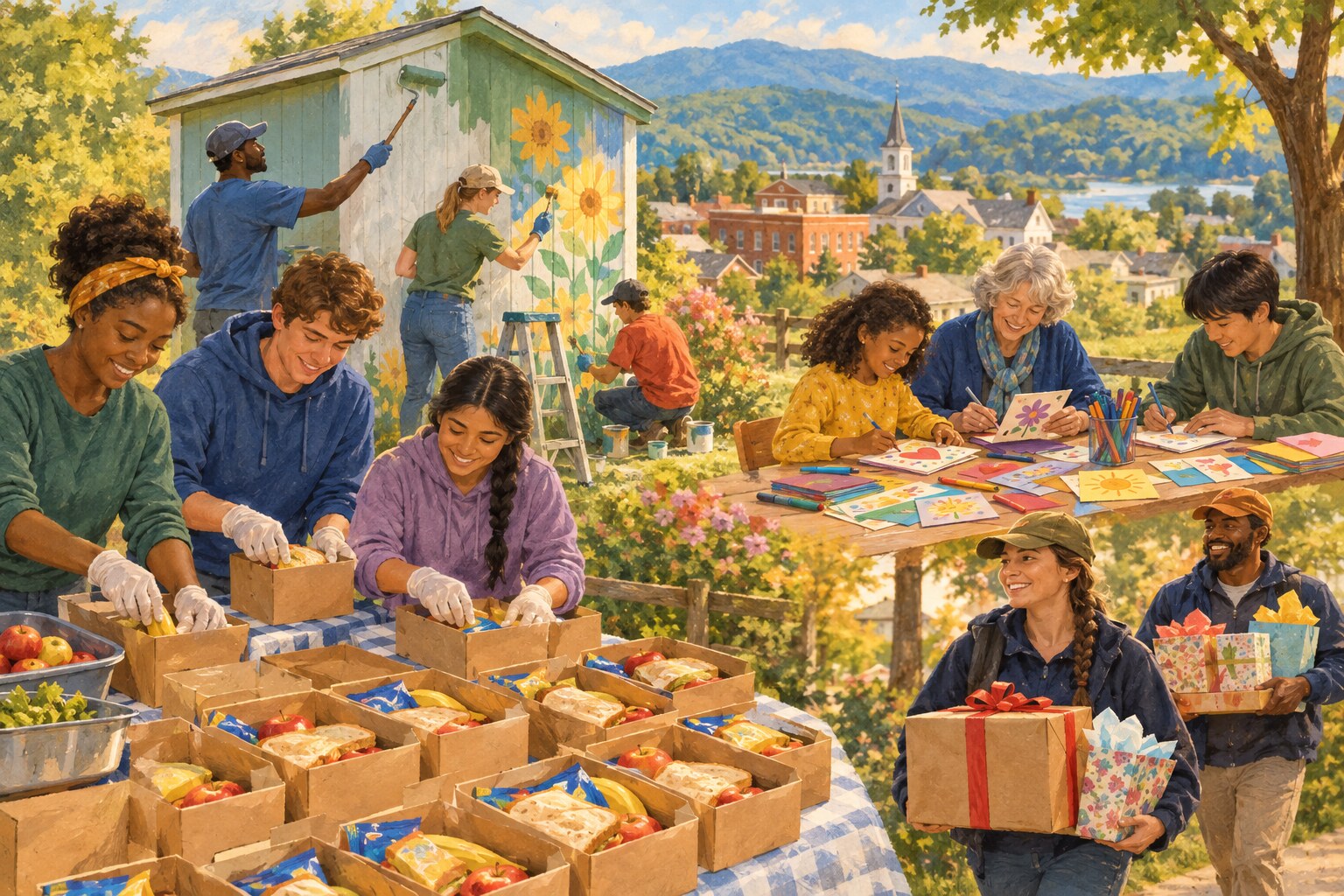
Volunteers working together on lunch boxes, cards, and community projects in Virginia. Chapter Seven

The Day Everyone Helped

More than 250 neighbors spent one day helping 16 different groups in their valley.

Read Bibi’s full telling

Little one, in a green valley in Virginia, more than 250 people woke up one morning and decided to spend the day helping. Some packed lunch boxes for families staying near a hospital. Some pulled weeds from a college garden until the fences could be seen again. Some painted a small shed so it would look bright and new. Others sat at long tables and made colourful cards for grandmothers and grandfathers living in care homes. A few wrapped gift packages for children who were getting medicine for cancer. Sixteen different groups received help that day. No single person did everything. Each one did one small thing, and together it became a very big kindness.

Bibi asks

If you had one whole day to help, what small thing would you choose to do?

The End · Told by Bibi

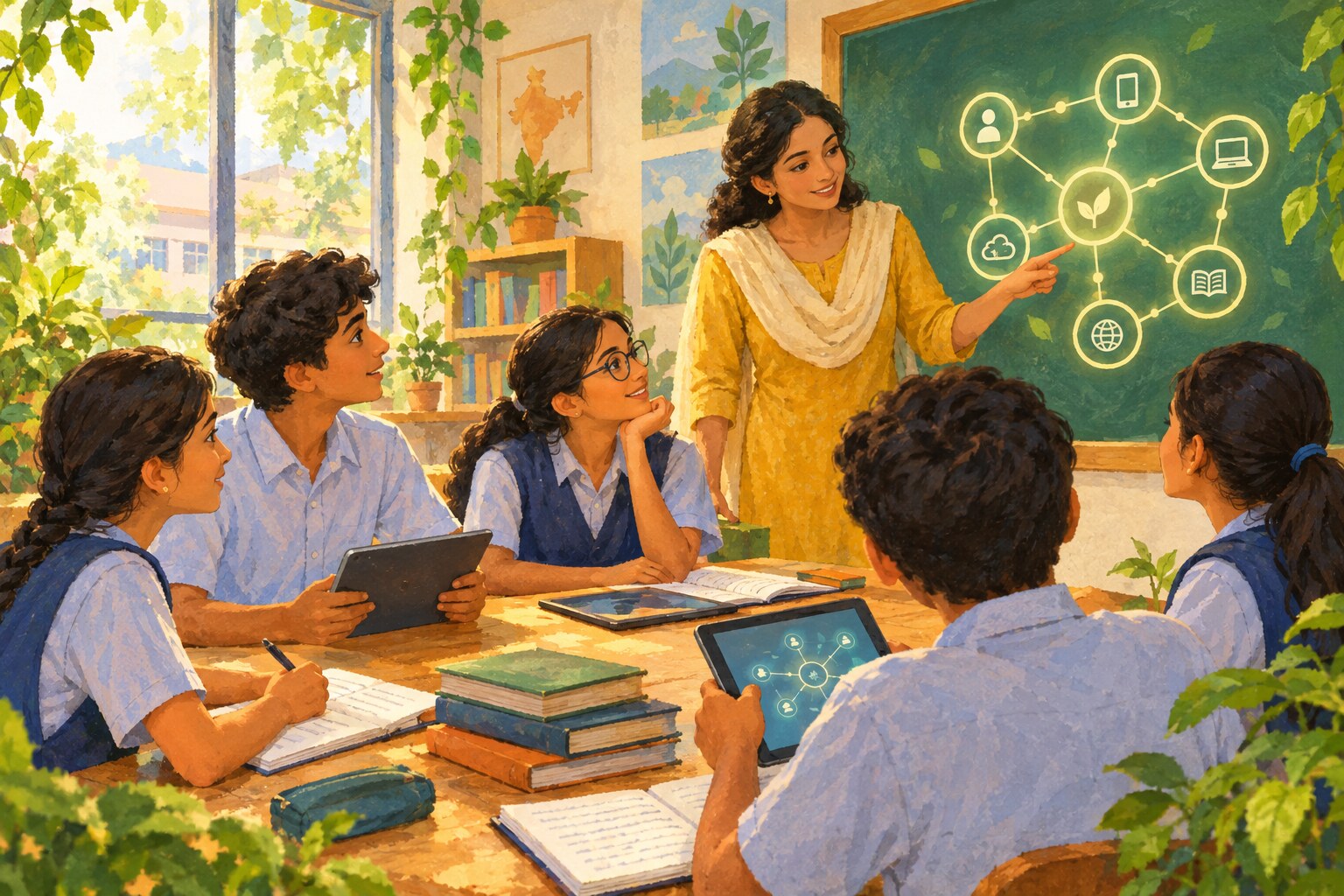
Indian school students learning about computers and AI with a teacher in a bright classroom. Chapter Eight

Free Lessons for Curious Minds

A state in India is teaching thousands of school students about computers and AI, for free.

Read Bibi’s full telling

Little one, in a hilly state called Tripura in India, many children go to government schools where families cannot pay for extra classes. Someone asked a good question: why should only some children learn about computers and artificial intelligence? So the state decided to teach these lessons for free. Students in middle and high school will learn how computers think, how to use them safely, and how to build simple useful things with them. Teachers are being trained too, so the lessons can reach schools far from the big towns. Nobody has to pay. A child who is curious only has to show up and ask questions. That is how a whole generation learns something new together.

Bibi asks

If someone taught you anything you wanted, for free, what would you ask to learn?

The End · Told by Bibi

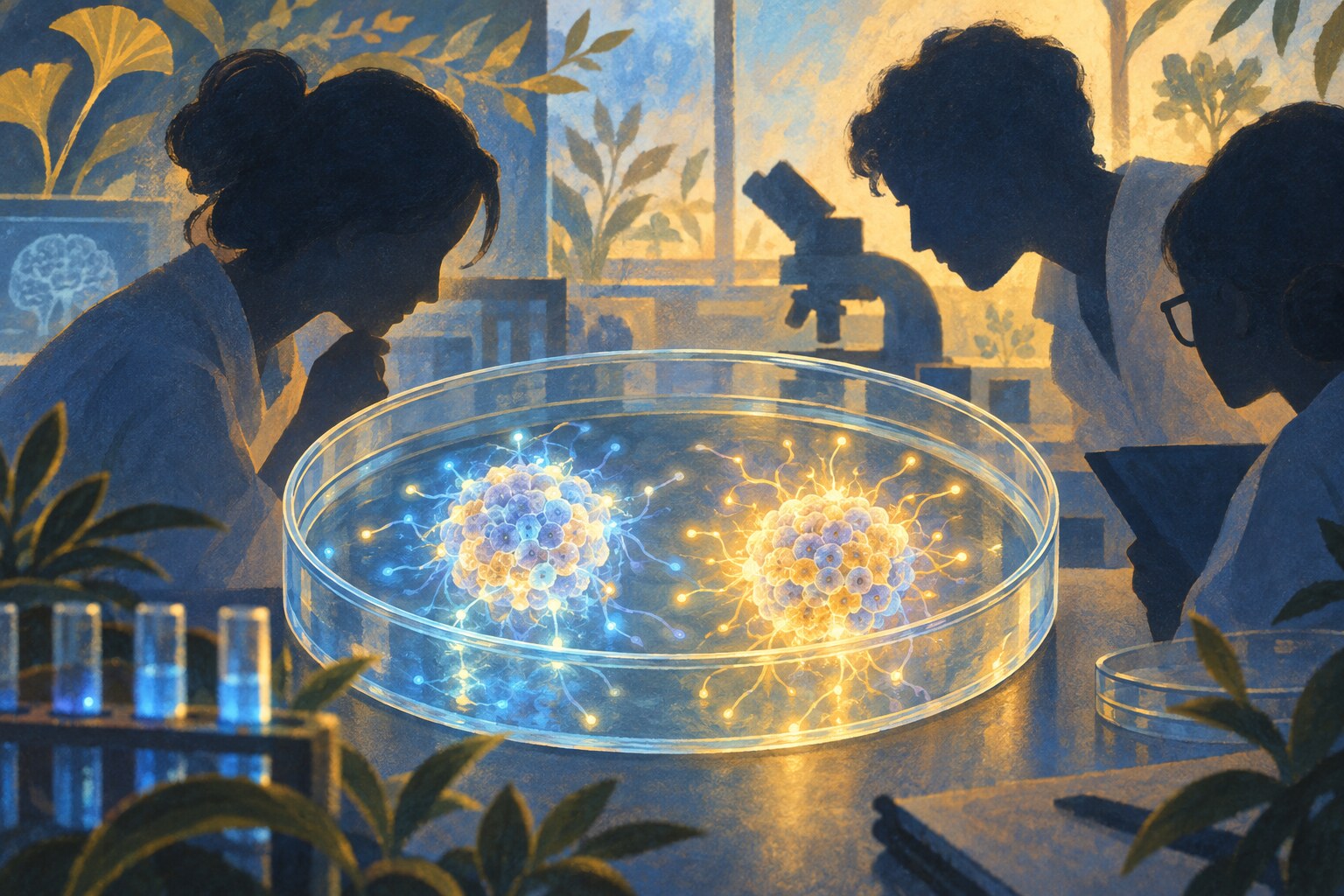
Researchers studying two softly glowing clusters of developing brain cells in a laboratory dish. Chapter Nine

Two Beginnings in One Brain

Scientists found that part of the brain may start growing from two different places.

Read Bibi’s full telling

Little one, your brain began very small, long before you could see or hear or laugh. For many years scientists thought one important part of it grew from a single starting place. Now researchers looking closely at tiny growing brain cells noticed something surprising. That part seems to begin from two different starting places, not one. It is a little like a river that looks like one river, but really began as two streams high in the mountains. Knowing this does not fix anything yet. But when doctors understand how something is built, they understand better what to do when it is built differently. Careful looking, again and again, is how people learn the truth about difficult things.

Bibi asks

What is something you once thought had one beginning, and later learned had two?

The End · Told by Bibi

A welcoming Ohio neighbourhood of new accessible apartments with older neighbours chatting by a garden. Chapter Ten

Four Hundred Seventy Front Doors

New homes are being built in Ohio for families and older neighbours who need them.

Read Bibi’s full telling

Little one, everybody needs a door they can close and call their own. In Ohio, some people were paying so much for rent that there was little left for food or medicine. So new buildings are going up with four hundred and seventy homes inside them. Some are apartments for families. Some are built for older neighbours who need a little help each day, with smooth paths and railings and no stairs to climb. The rents are set lower on purpose, so people who work in shops and schools and hospitals can afford to live near their work. A home is not only walls and a roof. It is the quiet place where the rest of your life becomes possible.

Bibi asks

What makes a place feel like home to you, beyond the walls and the roof?

The End · Told by Bibi

Book 27

Chapters 261–270

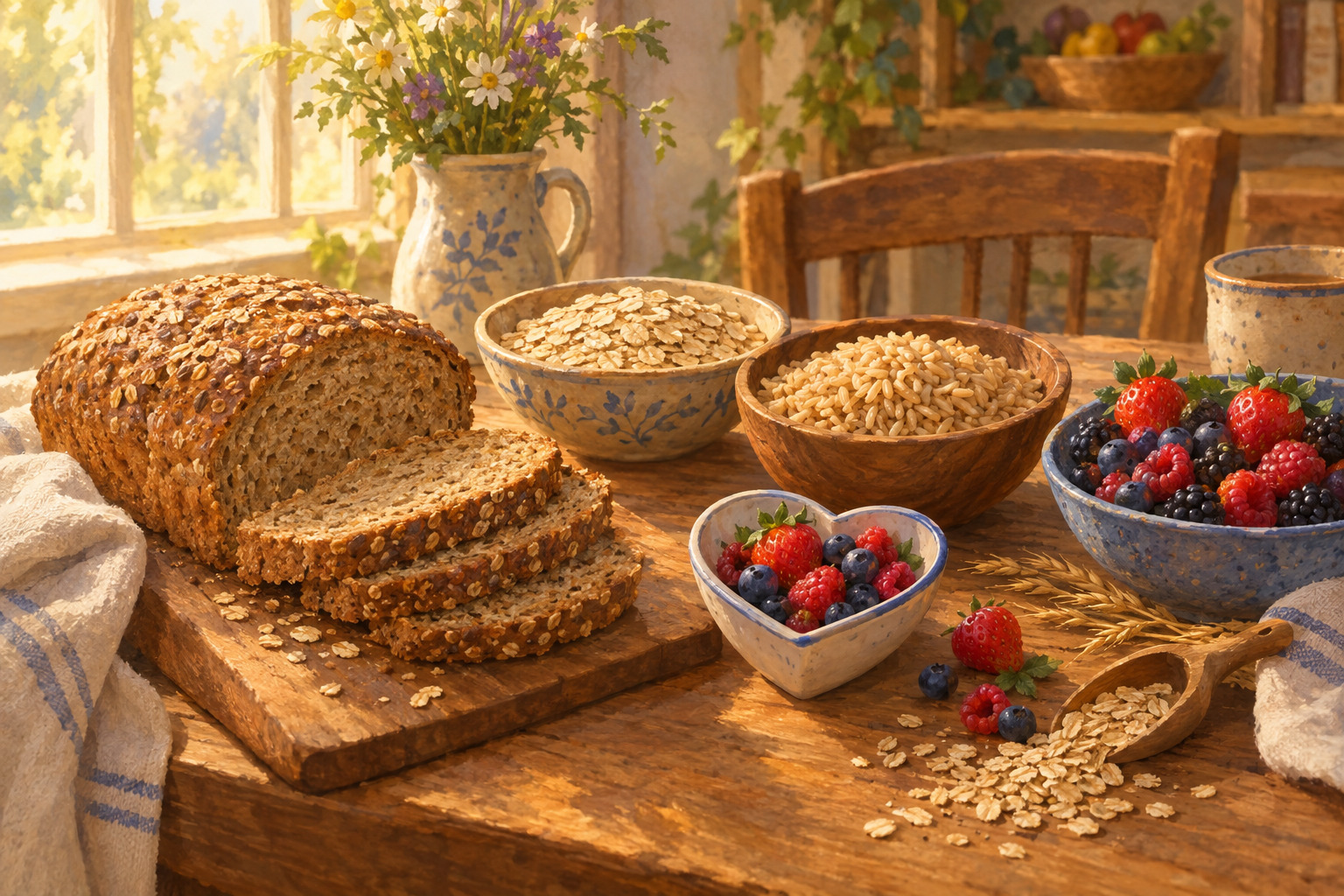
Whole-grain foods such as bread, oats, and brown rice sit on a warm kitchen table. Chapter One

Good Food for a Happy Heart

Scientists found that eating whole grains like oats and brown rice can help the heart stay healthy.

Read Bibi’s full telling

Scientists wanted to know if eating whole grains helps the heart. They looked at 87 studies where people ate whole grains like oats, whole wheat bread, and brown rice. They found that people who ate more whole grains had better numbers in many ways. Their weight was a little lower. Their cholesterol was better. Their blood pressure and blood sugar were better too. The best amount seemed to be about 60 to 100 grams a day. That is like a bowl of oats and two slices of whole wheat bread. The scientists said there is no one perfect amount for everyone, but whole grains can be part of eating well.

Bibi asks

If your heart could pick its favorite breakfast, what do you think it would choose?

The End · Told by Bibi

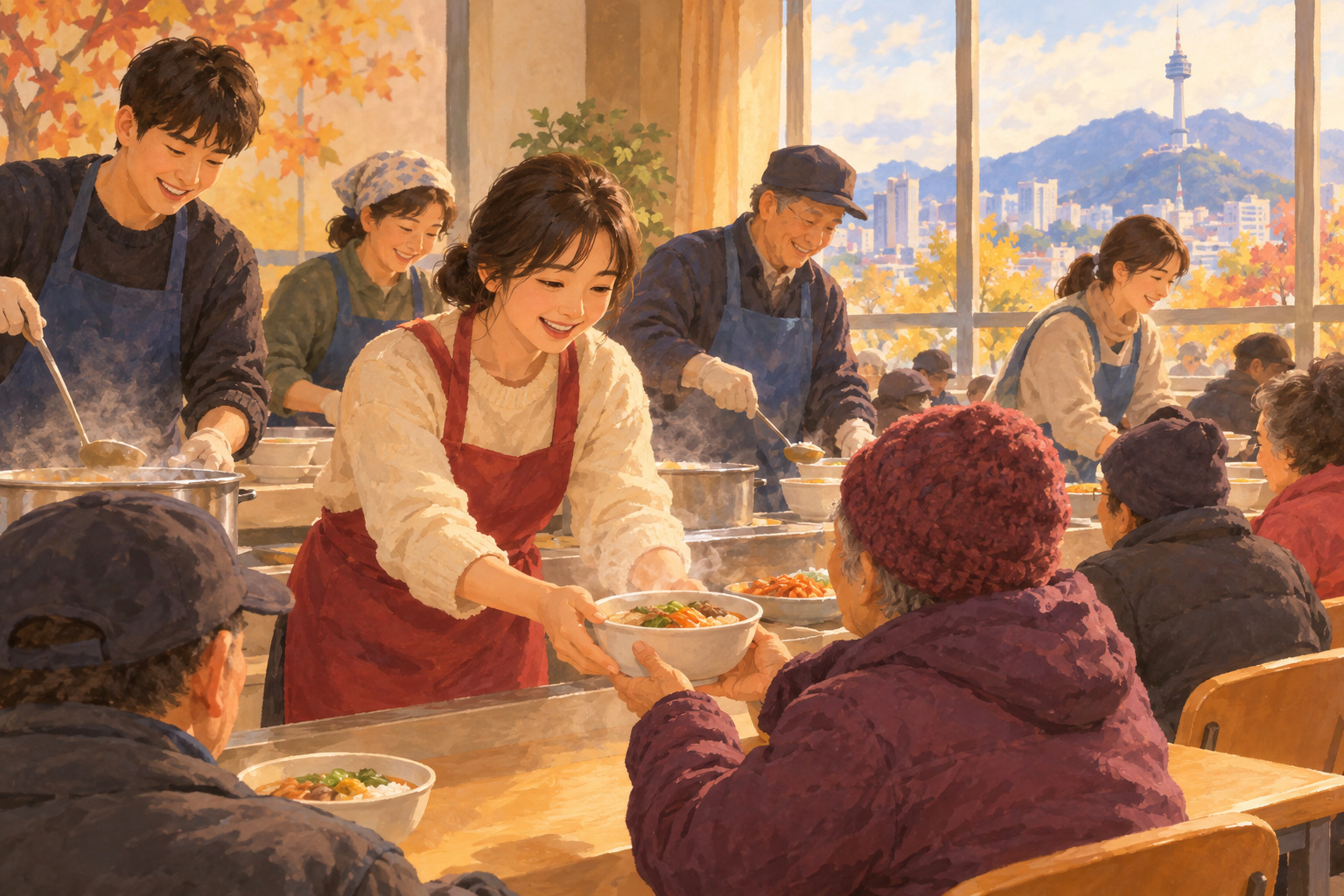
Volunteers serve warm meals to older adults and other neighbors at a community gathering. Chapter Two

Warm Food for Many People

Volunteers in a city called Daegu cooked and served meals for many people before a holiday.

Read Bibi’s full telling

In a city called Daegu in South Korea, there is a holiday called Chuseok. It is a time when families gather. But some people do not have family nearby or enough food. A group of volunteers decided to help. They cooked warm meals and served them to about 1,200 people. The food was free. The volunteers gave their time because they wanted to share the holiday feeling. A warm meal can tell someone they are not forgotten. The volunteers showed that a holiday is not only about one family. It can be about the whole community.

Bibi asks

If a holiday came and you had extra food, who would you share it with?

The End · Told by Bibi

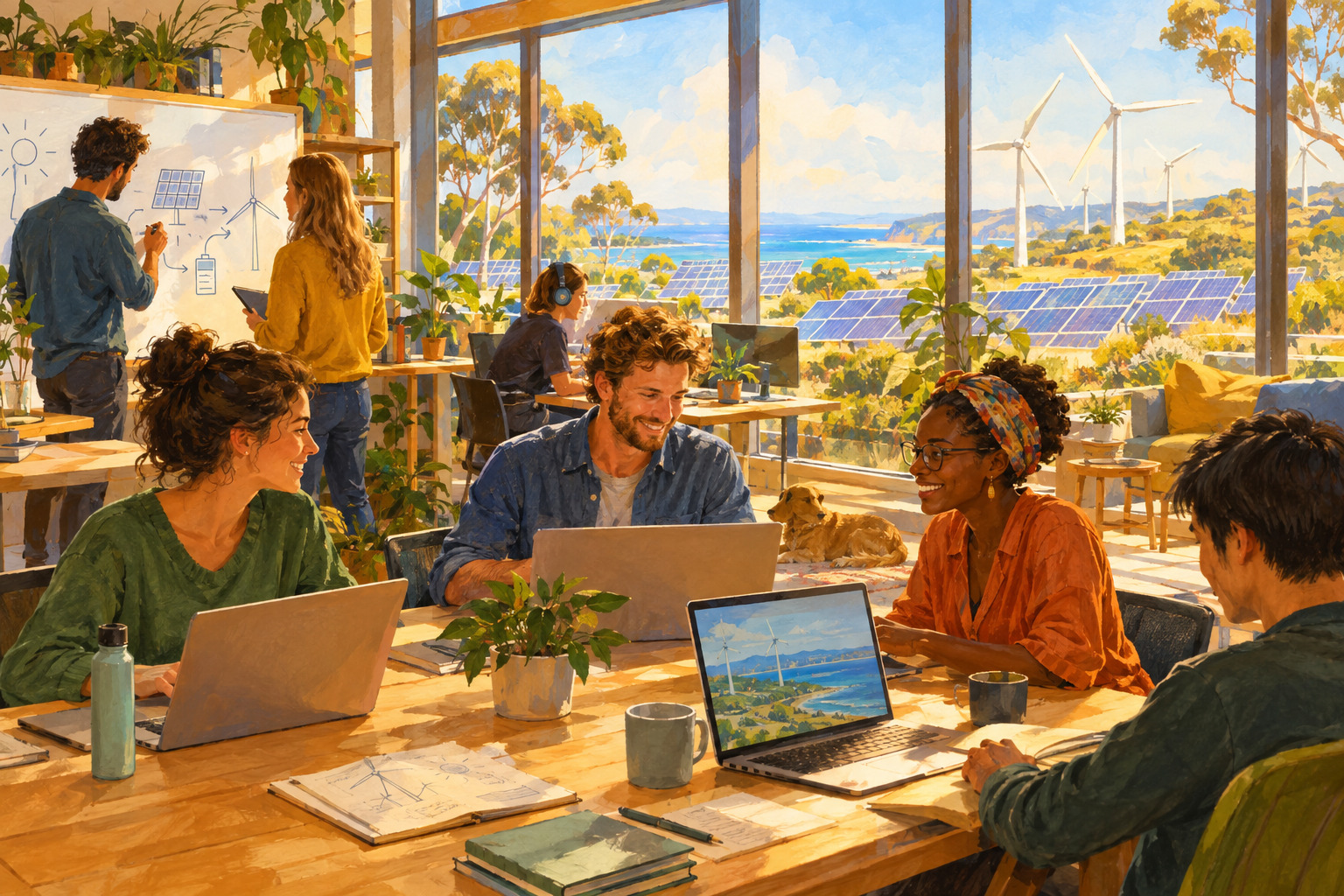
Young inventors work on small solar, wind, and battery prototypes in a bright workshop. Chapter Three

Helping New Clean Energy Ideas Grow

Australia started a program to help people with new clean energy ideas turn them into real businesses.

Read Bibi’s full telling

Some people have good ideas for making clean energy. But starting a new company is hard. You need money, help, and a place to work. Australia started a program called the Launchpad. It gives 30 million dollars to help new clean energy companies get started. The program helps them find money, learn new skills, and meet people who can help. The goal is to make more clean energy for Australia. Clean energy comes from the sun and wind. It does not make the air dirty. When new ideas get help, they can grow and reach more people.

Bibi asks

If you had an idea to make energy from the sun or wind, what would you build first?

The End · Told by Bibi

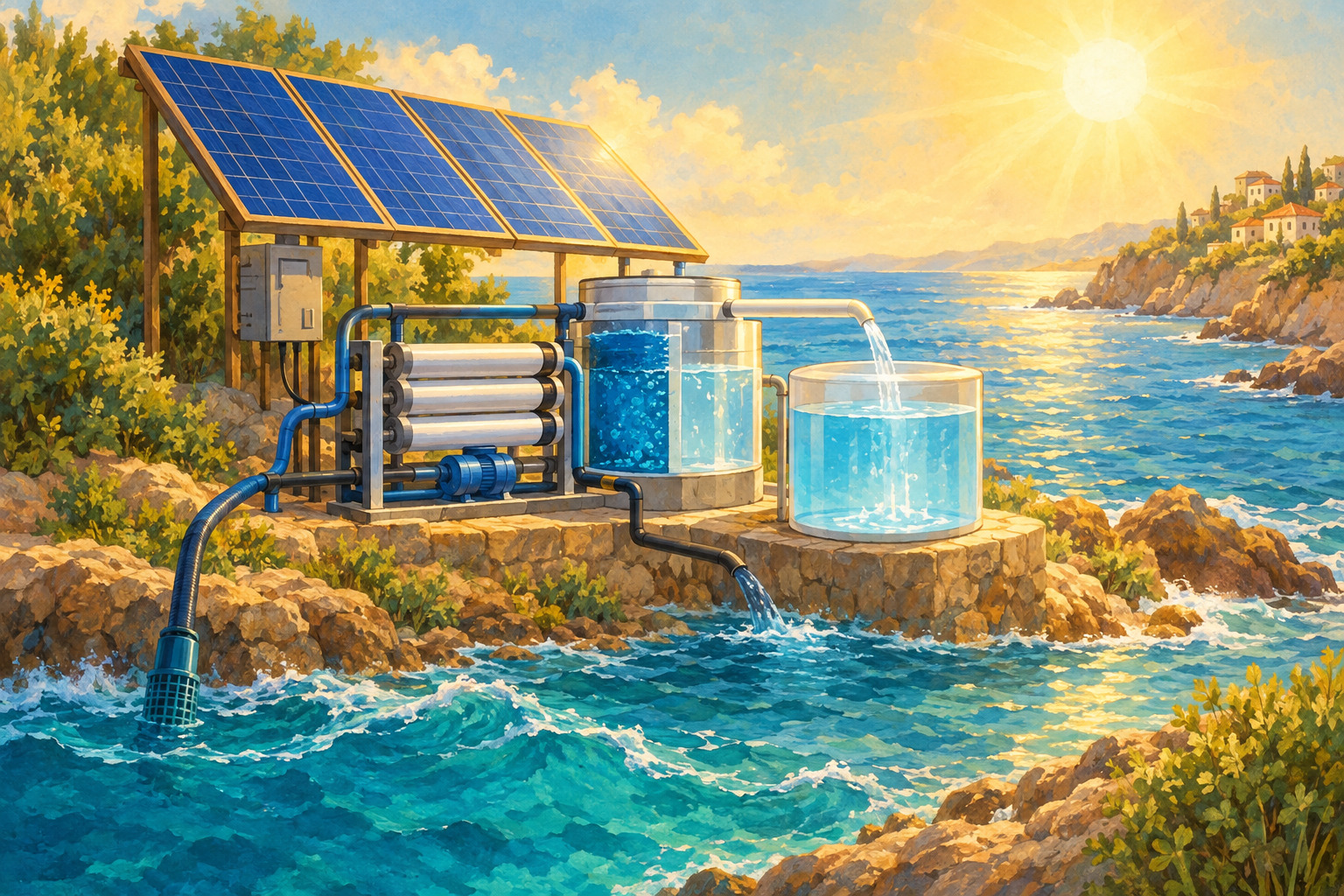
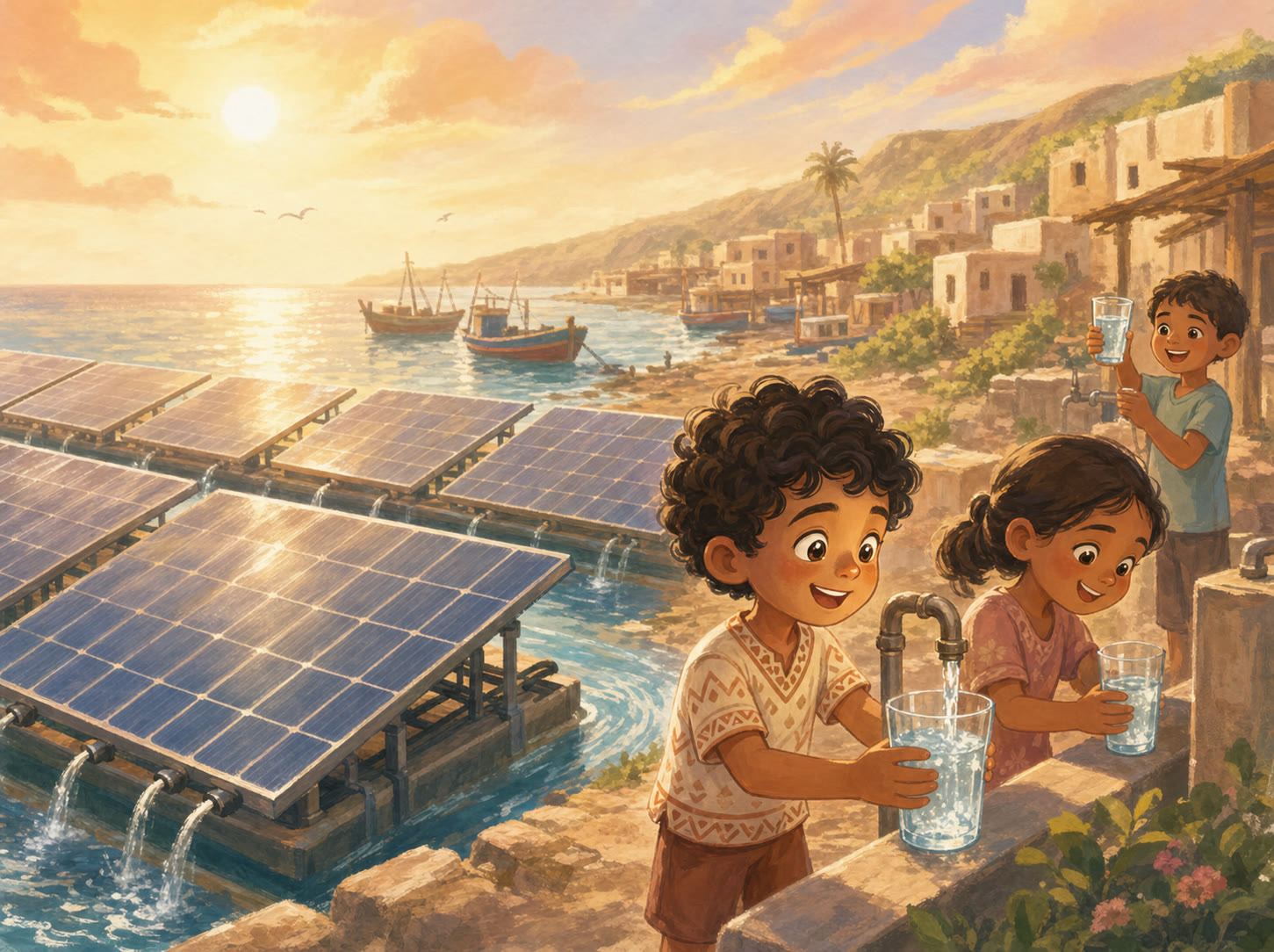
A solar research panel makes fresh water from seawater while collecting salt crystals. Chapter Four

Turning Sea Water Into Drinking Water

Scientists found a way to use sunlight to make sea water clean and safe to drink.

Read Bibi’s full telling

There is a lot of water in the sea. But sea water is too salty to drink. People need fresh water to live. But in many places, fresh water is hard to find. Scientists at a university found a new way to turn sea water into fresh water. They use sunlight to heat the water. The salt stays behind and the fresh water rises as steam. Then the steam turns back into water you can drink. Most ways of cleaning sea water leave a lot of salty waste behind. This new way does not. It uses the sun, which is free and does not make the air dirty. It could help people who live near the sea but do not have enough fresh water.

Bibi asks

If the sun could give you a drink of water from the sea, who would you share it with first?

The End · Told by Bibi

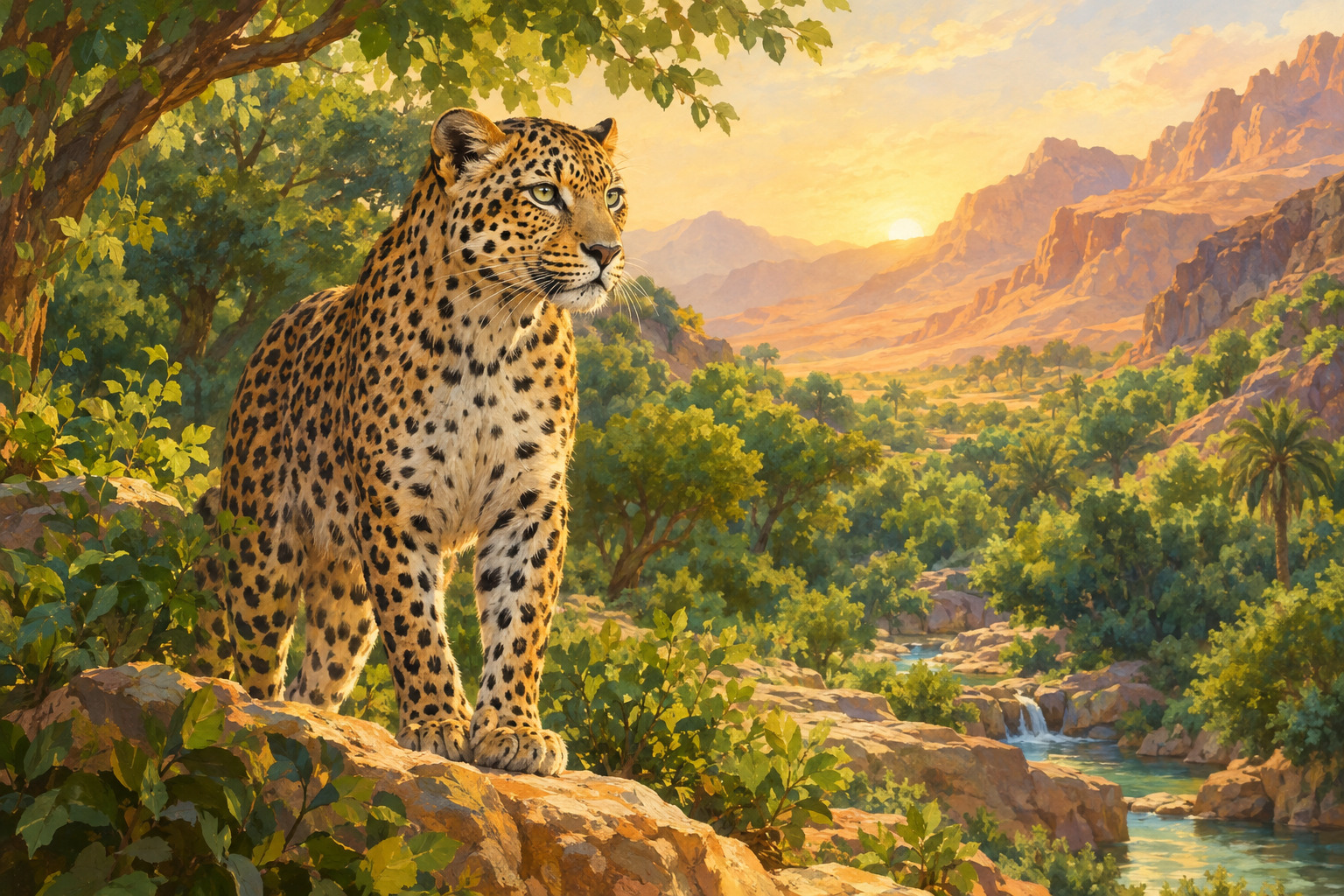
An Arabian leopard rests among rocky shapes near a new conservation habitat. Chapter Five

A Safe Home for a Rare Leopard

People from two countries worked together to build a safe new home for a very rare cat.

Read Bibi’s full telling

There is a cat called the Arabian leopard. It is one of the rarest cats in the world. There are very few left. They live in dry mountains and forests. People from Saudi Arabia and the Smithsonian worked together to build a new home for the leopard. The home is a big protected area where the leopard can live safely. It has trees, water, and space to roam. The people who made it hope the leopards can have babies and grow in number. When a species is very rare, every safe place matters. This home gives the leopard a chance to come back.

Bibi asks

If a rare animal had almost nowhere left to live, what kind of home would you build for it?

The End · Told by Bibi

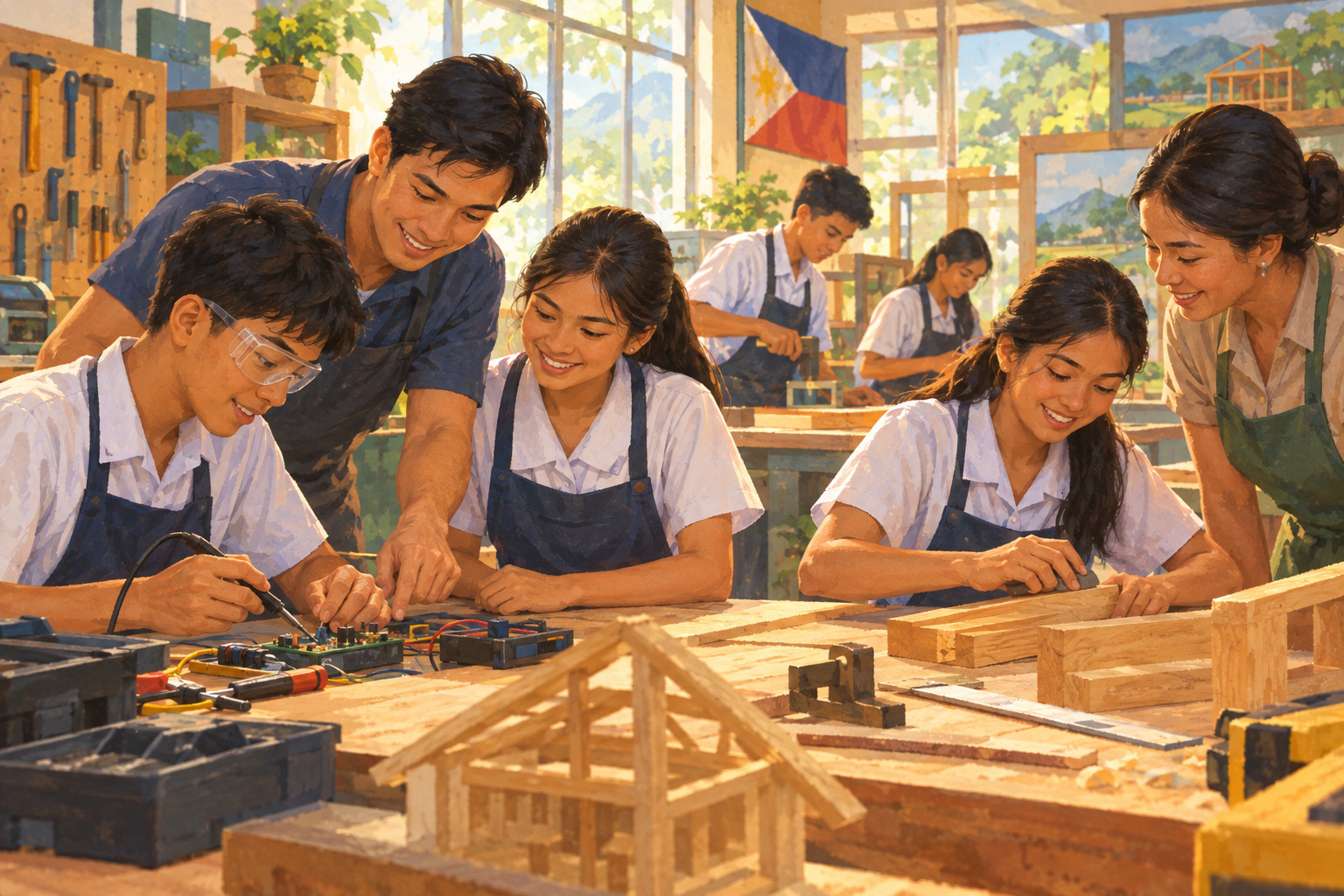
Students learn practical skills with a mentor in a bright workplace-training setting. Chapter Six

Real Work While Still in School

Students in the Philippines will get to try real jobs while they are still in school.

Read Bibi’s full telling

In the Philippines, students in high school are getting a new chance. They will be able to try real work while they are still learning. The government found 31,000 places where students can work for a short time. They will learn from people who already do the job. This is called work immersion. It helps students see what work is like before they finish school. The program helps students feel ready for the future. They learn skills that books cannot teach. And the companies that host them get to meet young people who may one day work for them.

Bibi asks

If you could try one real job for a day while still in school, what would you try?

The End · Told by Bibi

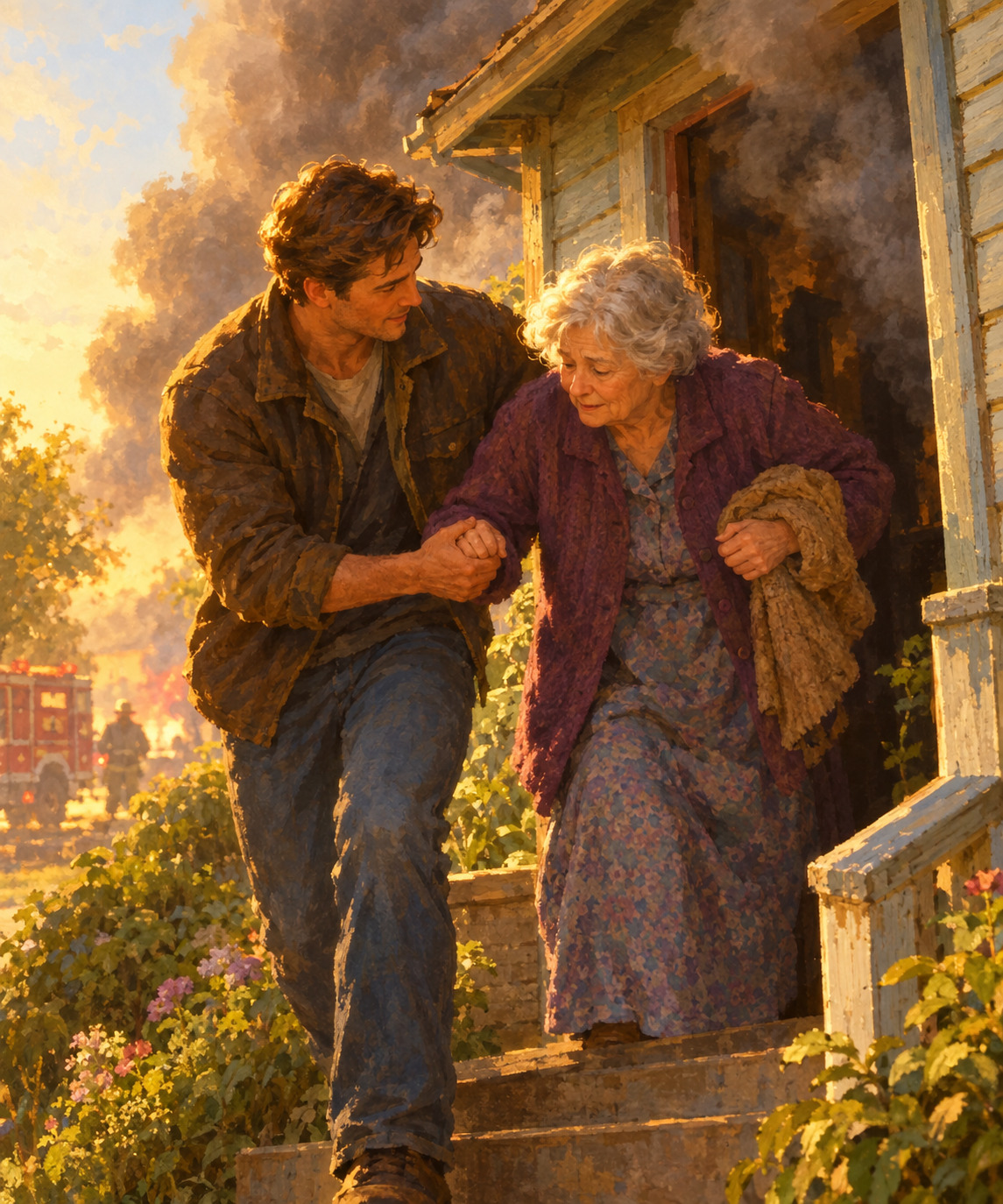
A neighbor helps an older woman away from a house fire while firefighters work nearby. Chapter Seven

The Neighbor Who Heard Smoke

A man walking home saw smoke and helped a 95-year-old woman out of her house.

Read Bibi’s full telling

Little one, a man named Tracy was walking home one day when he saw smoke coming from a house nearby. He did not keep walking. He went to see if someone needed help. Inside the house was Rose, who was 95 years old. A fire had started and smoke was filling her home. Tracy opened a window and helped Rose climb out. Then he carried her away from the flames. Rose went to the hospital, and her family said she was getting better. Tracy was not a firefighter or a doctor. He was just a neighbor who paid attention and did not look away.

Bibi asks

If you saw smoke from a house nearby, would you walk past or stop to help?

The End · Told by Bibi

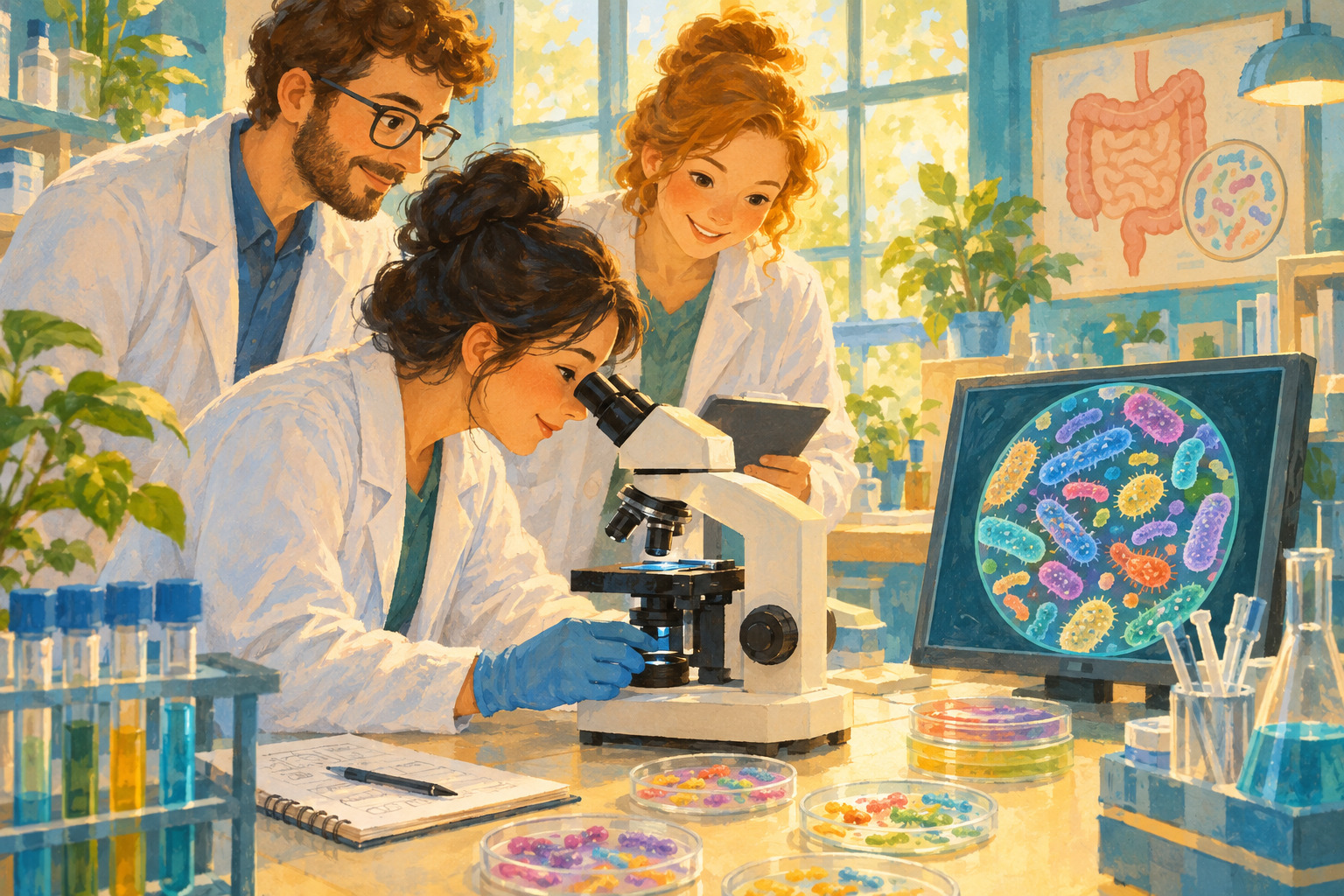
Pomegranates, berries, and walnuts beside a gentle illustration of a healthy intestinal lining. Chapter Eight

The Tiny Helpers Inside You

Scientists found that tiny living things in your tummy help keep you healthy.

Read Bibi’s full telling

Little one, inside your tummy there are tiny living things called bacteria. Some of them make a special substance called urolithin A when you eat foods like pomegranates, walnuts, and berries. Scientists wanted to know what this substance does. They found that it helps the lining of your tummy stay strong. It helps make a protective layer that keeps harmful germs out. The scientists saw this in their laboratory and also in real tummy tissue from patients. This is one of the quiet ways your body takes care of itself, with help from the food you eat and the tiny living things inside you.

Bibi asks

What is something small inside you that helps keep you healthy without you knowing?

The End · Told by Bibi

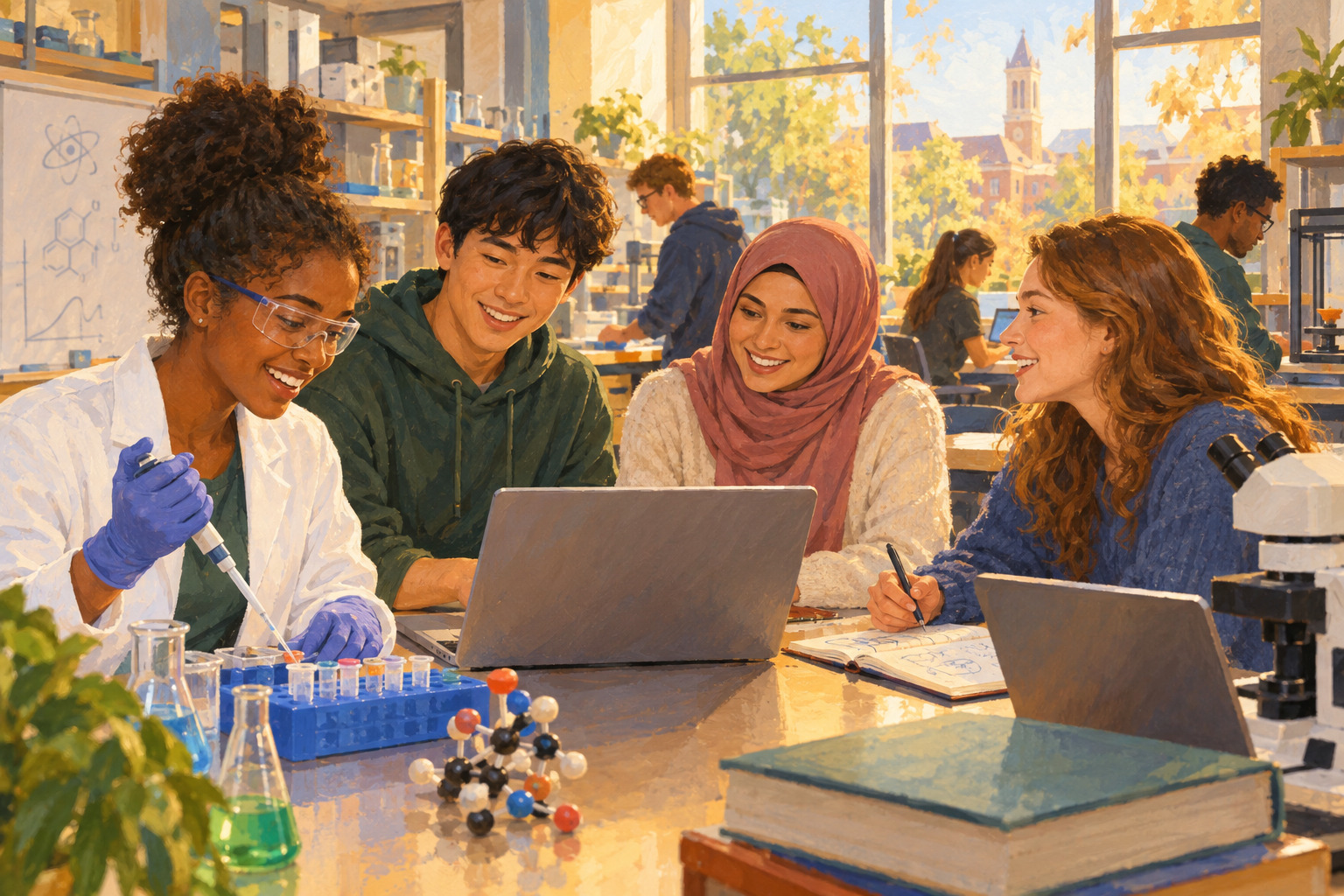
Students build a small robot together with support from a mentor in a welcoming classroom. Chapter Nine

A Grant That Opens Doors

A new grant will help 70 students study science and technology even if money is tight.

Read Bibi’s full telling

Little one, some young people love science and building things but worry about paying for school. A group called the National Science Foundation gave a university called WPI two million dollars to help. The money will pay for scholarships and mentors for 70 students who need financial help. The students can study robotics, engineering, and other science subjects. Some of them are coming from community colleges and even from Puerto Rico. The grant gives them money, but it also gives them people to guide them and real projects to work on. When you give someone a chance to learn, you never know what they might build next.

Bibi asks

If you were given a chance to learn anything, what would you want to build?

The End · Told by Bibi

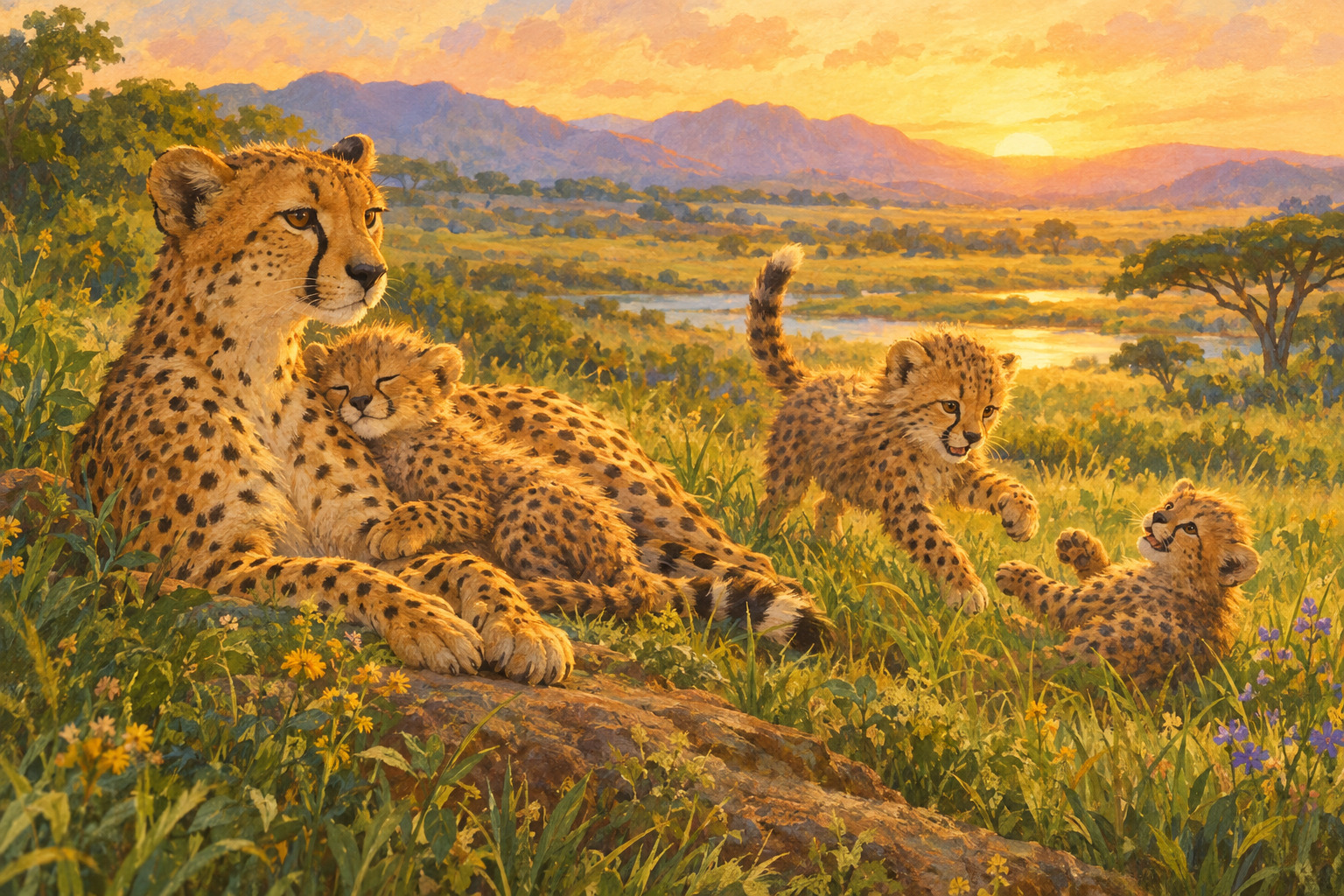
A mother cheetah and two cubs rest in golden grass in a protected Indian landscape. Chapter Ten

The Cheetahs Come Home

Cheetahs that once disappeared from India are having cubs again.

Read Bibi’s full telling

Little one, cheetahs used to live in India a long time ago, but then they disappeared. Four years ago, people brought cheetahs back from other countries in Africa. Now there are 52 cheetahs living in India. Even better, 32 cubs have been born there. That means the cheetahs are not just visiting. They are making a home. Most of them live in a place called Kuno National Park, and three live in another park called Gandhi Sagar. The people watching them say the mother cheetahs are raising cubs and the cubs are growing up. That is a sign that the cheetahs are starting to belong there again.

Bibi asks

What would it feel like to bring back something that was gone for a very long time?

The End · Told by Bibi

Book 26

Chapters 251–260

Researchers study engineered immune cells in a bright laboratory. Chapter One

Tiny Fighters Made From Cord Blood

Scientists found a way to make cancer-fighting cells from donated cord blood that could work against solid tumours.

Read Bibi’s full telling

Inside our bodies, there are special cells called T cells that fight illness. Scientists have been trying to use them to fight cancer. But making enough of them for each patient is hard. Researchers at a university called UCLA found a new way. They took cells from donated umbilical cord blood and changed them so they could fight cancer. The cells could find cancer in two different ways, which is like having two sets of eyes instead of one. In tests with mice, the cells slowed down the cancer and helped the mice live longer. The cells did not cause a dangerous reaction that other treatments sometimes cause. The work is still early, but it gives scientists a new path to study.

Bibi asks

If you could give a tiny fighter two ways to see instead of one, where would you send it to help?

The End · Told by Bibi

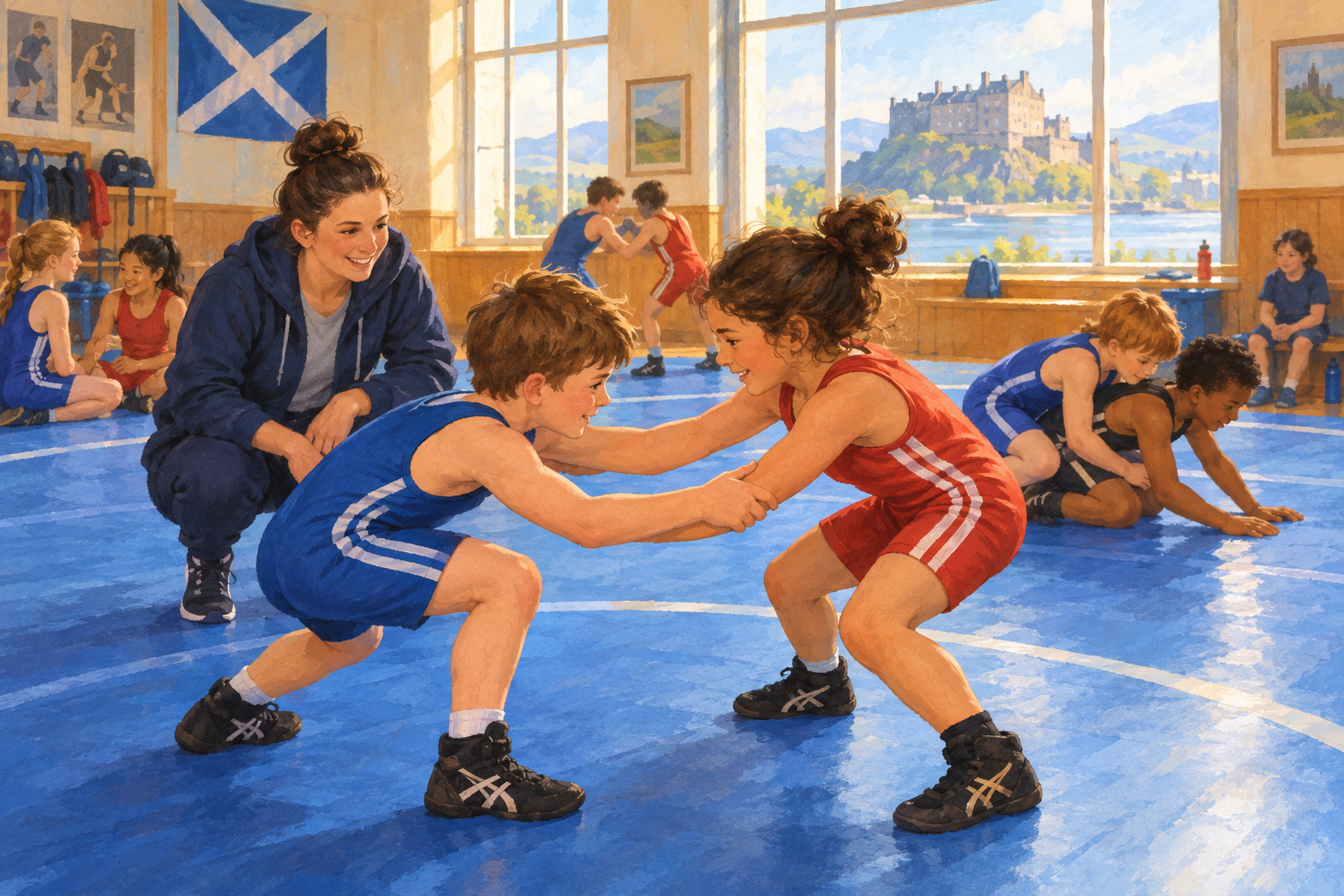
Children practice wrestling on soft mats at a welcoming community club in Scotland. Chapter Two

The Coach Who Opened the Mat to Everyone

A man in Scotland started a free wrestling club so every child could join, no matter what.

Read Bibi’s full telling

In a city called Glasgow, a man named Gordon Mackie loved wrestling. He noticed that some children could not afford to pay for lessons. So he started a club called Red Road Wrestling Club. For more than twenty years, Gordon has let children come and learn for free. They practice on soft mats in a bright room. Children from all backgrounds are welcome. Nobody is turned away because they cannot pay. Gordon was given an award for helping his community. The award said that sport can make life better for young people. Gordon showed that a little room and a lot of care can give children a place where they belong.

Bibi asks

If you had a skill you could teach for free, what would you teach and who would you invite?

The End · Told by Bibi

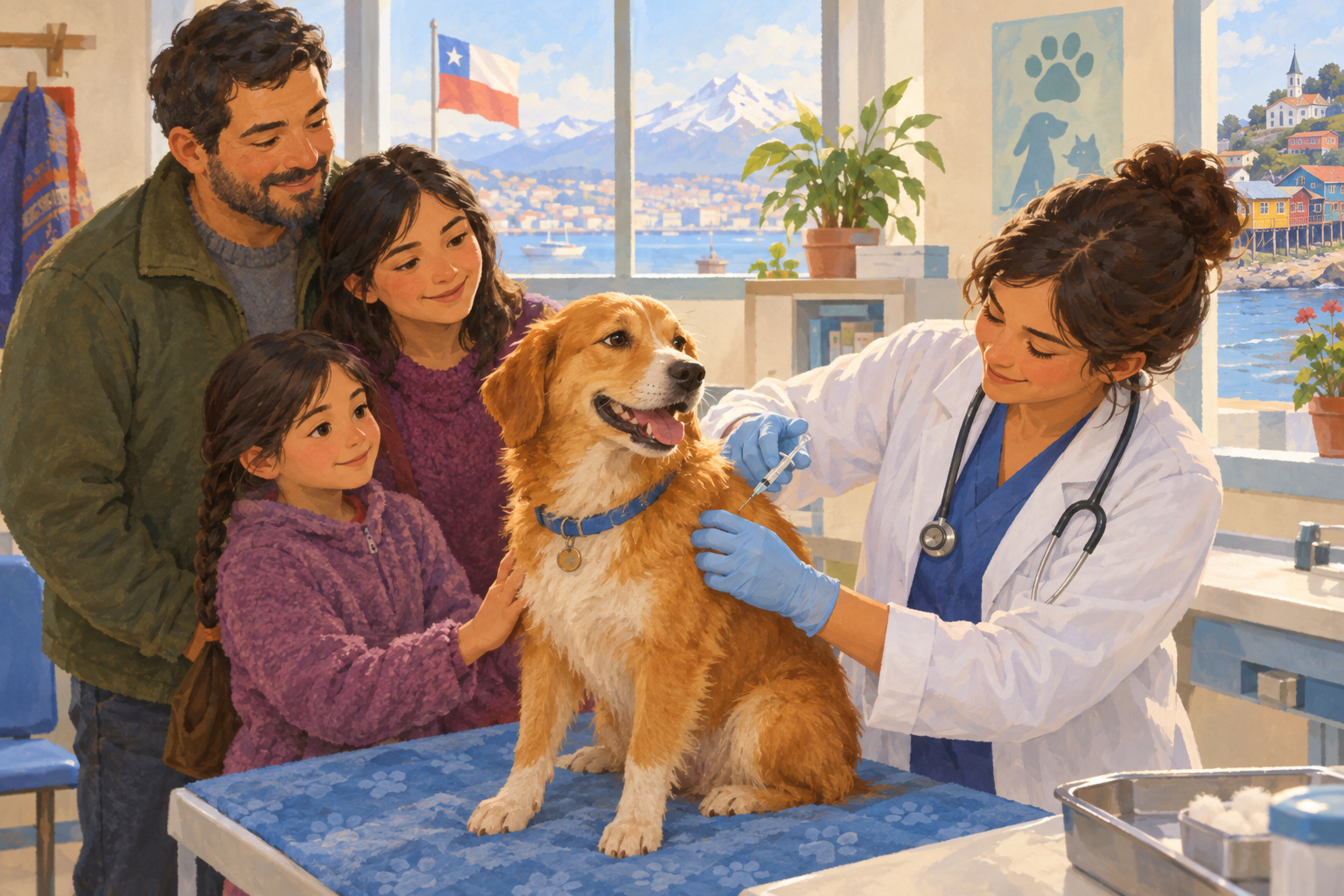
A veterinarian gives a family dog a vaccination in a bright community clinic in Chile. Chapter Three

A Country That Kept Its Dogs and People Safe

Chile worked for many years to stop a dangerous illness from spreading through dog bites.

Read Bibi’s full telling

There is a dangerous illness called rabies. It can spread when a sick dog bites a person. Once a person feels sick from rabies, it is very hard to help them. But rabies can be stopped before it starts. A country called Chile worked for many years to stop rabies. They gave dogs medicine to keep them safe. They watched carefully for any sign of the illness. They taught people what to do if a dog bit them. After more than fifty years with no one getting sick from dog rabies, the World Health Organization said Chile had stopped the illness. Chile was the first country in South America to do this. It shows that steady care over a long time can protect people and animals.

Bibi asks

If you knew that something small done every day for many years could keep people safe, would you do it?

The End · Told by Bibi

Rows of solar panels shine beside green fields at a new solar project in Veyangoda, Sri Lanka. Chapter Four

Power From the Sun in Sri Lanka

Sri Lanka started building solar panels to make clean electricity from sunlight.

Read Bibi’s full telling

A country called Sri Lanka needs electricity for its people. For a long time, it has bought fuel from other countries to make power. But burning fuel can make the air dirty. Sri Lanka decided to use the sun instead. It started a big plan to build solar panels. The first set of panels was built in a town called Veyangoda. The panels sit on the ground and face the sky. When the sun shines, they make clean electricity. The plan is to build many more panels across the country. Sri Lanka wants to get most of its power from the sun and other clean sources. The first panels are already working and sending electricity to peoples homes.

Bibi asks

If the sun could power your home, what would you do with the clean air it gives back?

The End · Told by Bibi

A restored river, marsh, and reef provide healthy habitat for fish and other wildlife. Chapter Five

Fixing Rivers and Reefs for Fish

People in the United States are spending money to fix rivers, reefs, and marshes so fish can come home.

Read Bibi’s full telling

Fish need good places to live. They need clean rivers to swim up, healthy reefs to hide in, and marshes where babies can grow. But many of these places have been damaged. A group called NOAA is giving 103 million dollars to fix sixteen places across the United States. Some projects will open up rivers so fish like salmon can swim through. Others will plant new coral in warm sea waters. Some will fix marshes where shrimp and oysters live. The work will happen in many states, from Alaska to Hawaii to Puerto Rico. When the rivers and reefs are healthy again, fish will have a better chance to grow. And the people who fish for food and work will have a better chance too.

Bibi asks

If a fish could swim home after a long time away, what do you think its home would look like?

The End · Told by Bibi

Researchers study brain scans that show how peripheral vision can adapt in deaf adults. Chapter Six

Seeing More at the Edges

Scientists found that people who cannot hear use the edges of their vision more sharply.

Read Bibi’s full telling

Some people are born without hearing. They cannot hear sounds or voices. But their eyes work well. Scientists wondered if their brains had changed to help them see better. Researchers at two universities in England studied the brains of deaf adults. They used a special machine that shows what the brain is doing. They compared deaf adults with hearing adults. They found that deaf adults brains give more attention to the edges of what they see. This means they can notice movement at the sides more easily. It is like having a wider radar for things happening around them. The brain found a way to use what it has to help the person.

Bibi asks

If one of your senses went quiet, which other one do you think would try to help you more?

The End · Told by Bibi

Neighbors and firefighters help elderly residents leave an assisted-living home safely after a fire. Chapter Seven

The Brothers Who Ran Toward the Smoke

When a fire started at a home for older people, two brothers and their neighbors ran in to help.

Read Bibi’s full telling

In a city called Glendale, a fire started at a home where older people lived. A nurse stood outside calling for help. Two brothers named Alex and Narek saw the smoke and ran toward the building. Alex carried people out one by one. He picked them up and brought them to safety. Other neighbors came to help too. Firefighters arrived and worked on the building. Seven people went to the hospital to be checked, but all were expected to get better. The home was badly damaged. But because the neighbors did not wait, the older people got out. Narek said, if you can help, that is the first thing you should do.

Bibi asks

If you saw smoke and knew someone inside needed help, would you run toward or away?

The End · Told by Bibi

Children share colorful, nutritious school meals in a bright cafeteria. Chapter Eight

Better Food on the School Table

Schools in England will give children more fruit, vegetables, and healthy food at lunchtime.

Read Bibi’s full telling

In England, the government decided to change the food that schools serve to children. It is the first big change in more than ten years. The new rules say schools must serve more fresh fruit and vegetables. They must give children food with more fibre, like whole grains. The meals should help children stay focused and have energy during the day. Schools will show their menus online so families can see what is being served. The government will also help train the people who cook the food. Millions of children will get better meals, and some will get them for free.

Bibi asks

If you could add one healthy food to your school lunch, what would it be?

The End · Told by Bibi

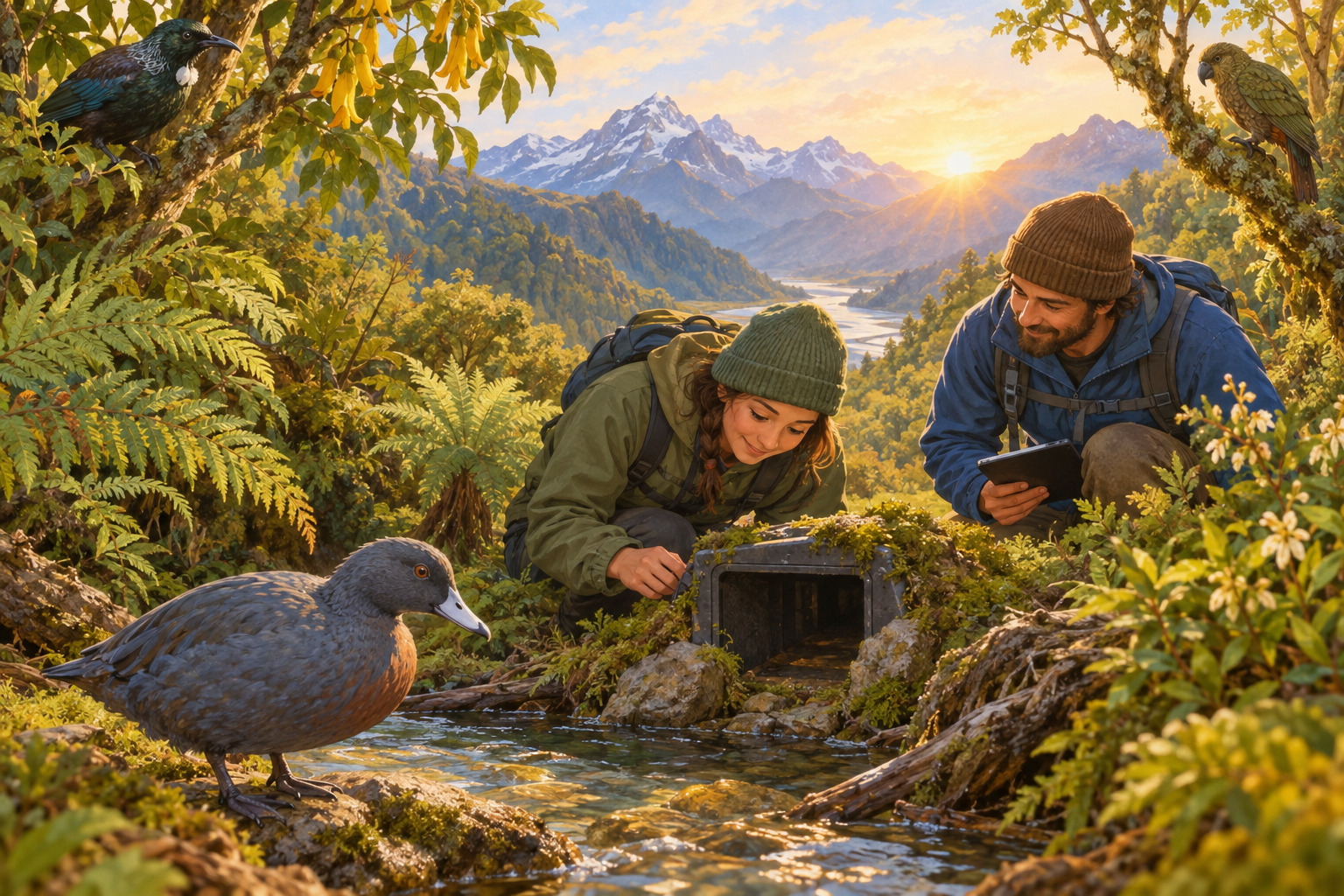
Native birds and forest life thrive near a conservation monitoring site in Kahurangi National Park. Chapter Nine

Keeping the Forest Safe for Native Birds

People in New Zealand worked hard to keep rats and stoats away from a big forest full of native birds.

Read Bibi’s full telling

In New Zealand there is a big forest called Kahurangi National Park. Many native birds live there. But rats and stoats came into the forest and threatened the birds. Rats and stoats eat the seeds and hunt the birds. When the trees make a lot of seeds, more rats come. Then more stoats come to hunt. People who care for the park set out traps to catch the rats and stoats. They checked over a thousand traps and found only one rat. The tracking tunnels showed no footprints. Now the native birds have a safer time to live and grow in the forest.

Bibi asks

If a tiny bird was too small to protect itself, who should look after its forest?

The End · Told by Bibi

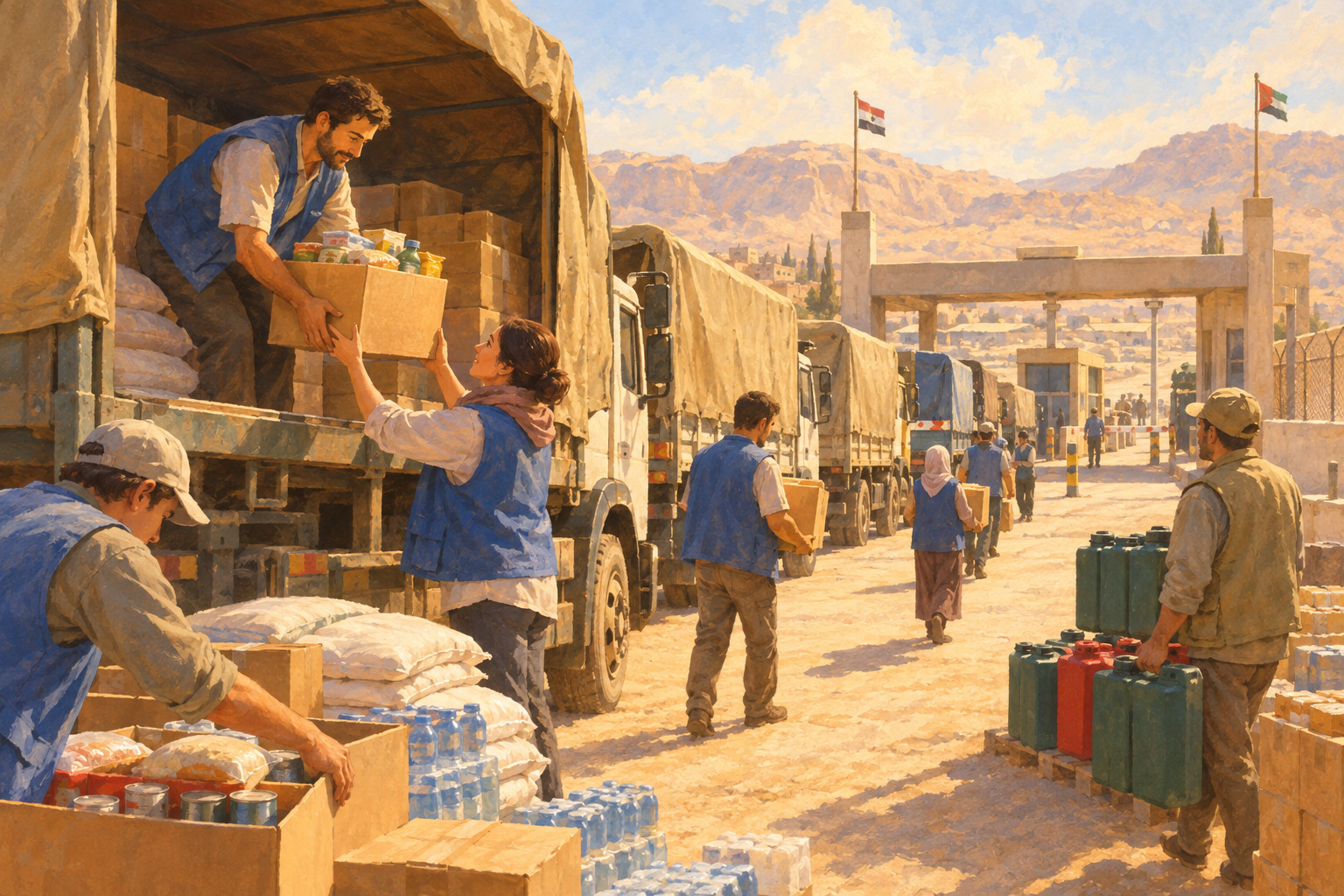
Aid workers load food, medicine, and relief supplies onto trucks for families in need. Chapter Ten

Trucks Full of Help

People in Egypt sent trucks full of food and medicine to families who needed them.

Read Bibi’s full telling

There are families in a place called Gaza who do not have enough food or medicine. A group in Egypt called the Red Crescent wanted to help. They sent a big convoy of trucks. The trucks carried almost three thousand five hundred tons of help. There was food like flour and parcels of food. There was medicine for sick people. There was fuel for hospitals. About seventy five thousand volunteers have helped with this work since it began. Every box on every truck means someone cared enough to send it. The trucks keep going because the families still need help.

Bibi asks

If you could fill one box to send to a family far away, what would you put inside?

The End · Told by Bibi

Book 25

Chapters 241–250

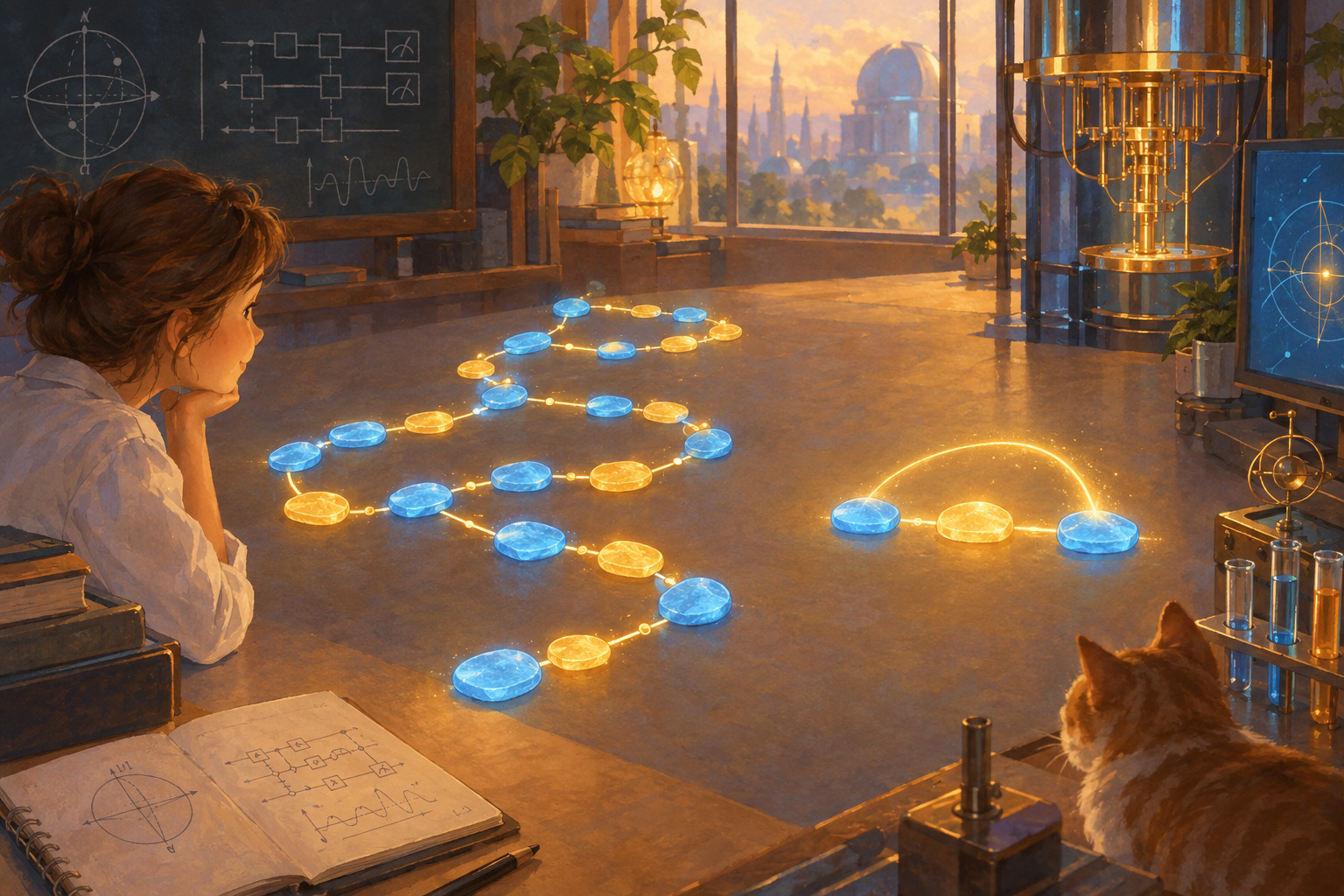
A glowing quantum circuit shows one short path replacing a long sequence of operations. Chapter One

The Short Path That Replaced a Thousand Steps

Scientists found a way to do some quantum tasks in one step instead of thousands.

Read Bibi’s full telling

Inside a quantum computer, there are tiny parts that hold information. But the information is very fragile. If it takes too many steps to do a task, small disturbances can cause mistakes. Scientists in Sweden found a way to do some of these tasks in just one step instead of thousands. They call it a quantum lattice gate. It is like finding a shortcut that skips a whole winding road. Because the path is shorter, there is less time for mistakes to happen. The scientists say this could make some quantum operations more than a thousand times faster. They are now working on testing it with real equipment.

Bibi asks

If you could find a shortcut that skips a thousand steps, where would you want it to lead?

The End · Told by Bibi

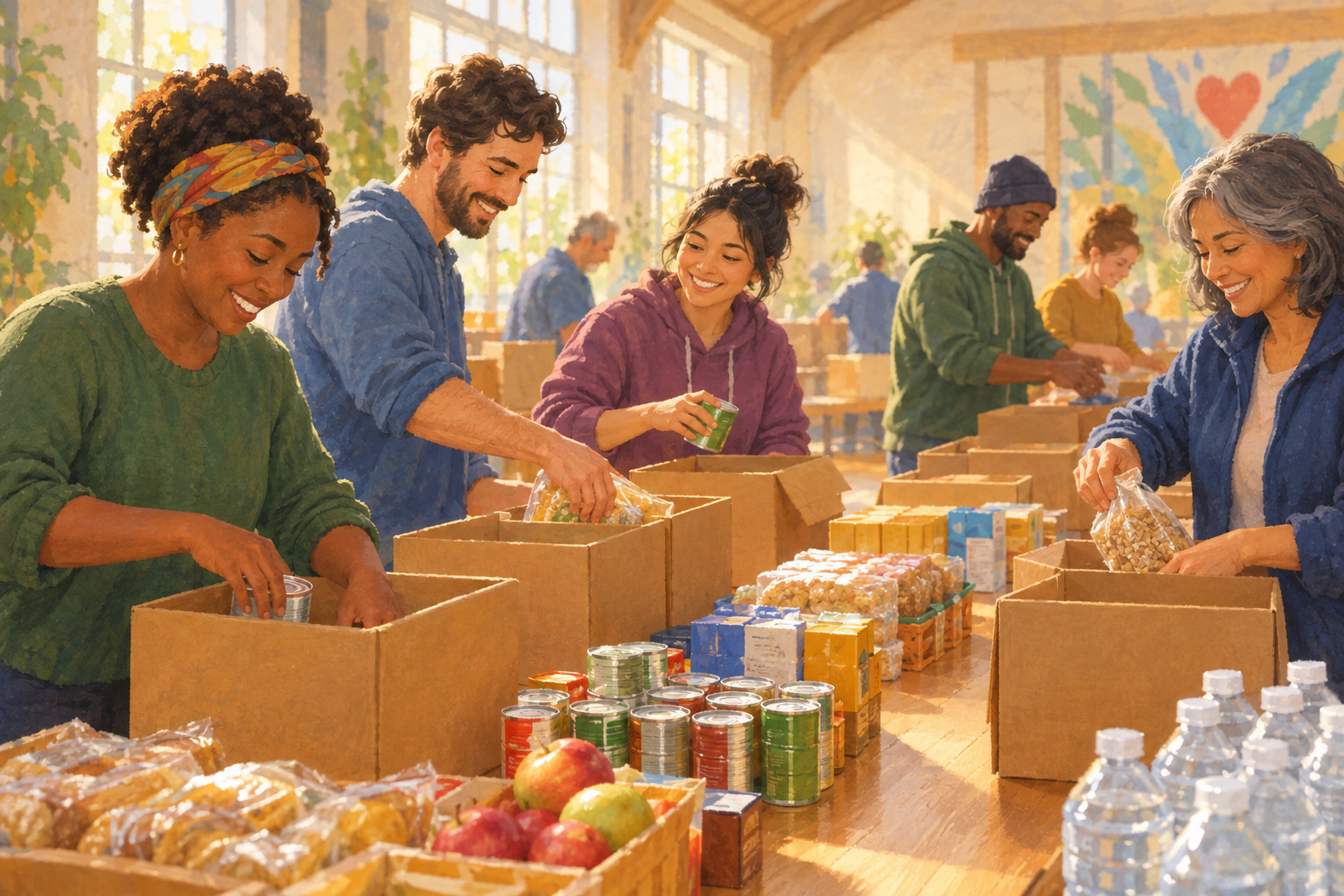
Volunteers prepare meal boxes together at a New York community service event. Chapter Two

Meals Made With Care

Volunteers packed meals at a museum to help neighbors who needed food.

Read Bibi’s full telling

On a day when people remember something sad, a group of volunteers decided to do something kind. They gathered at a museum in New York and packed meals into boxes. The meals were for people who needed food. The volunteers did not know who would receive the boxes, but they knew the food would reach someone nearby. A person folds a box, adds a meal, and sends a little care onward. That is how a day of remembering becomes a day of helping. One shared afternoon, one packed meal, and one more family supported.

Bibi asks

If you could fill a box for someone you have never met, what would you put inside?

The End · Told by Bibi

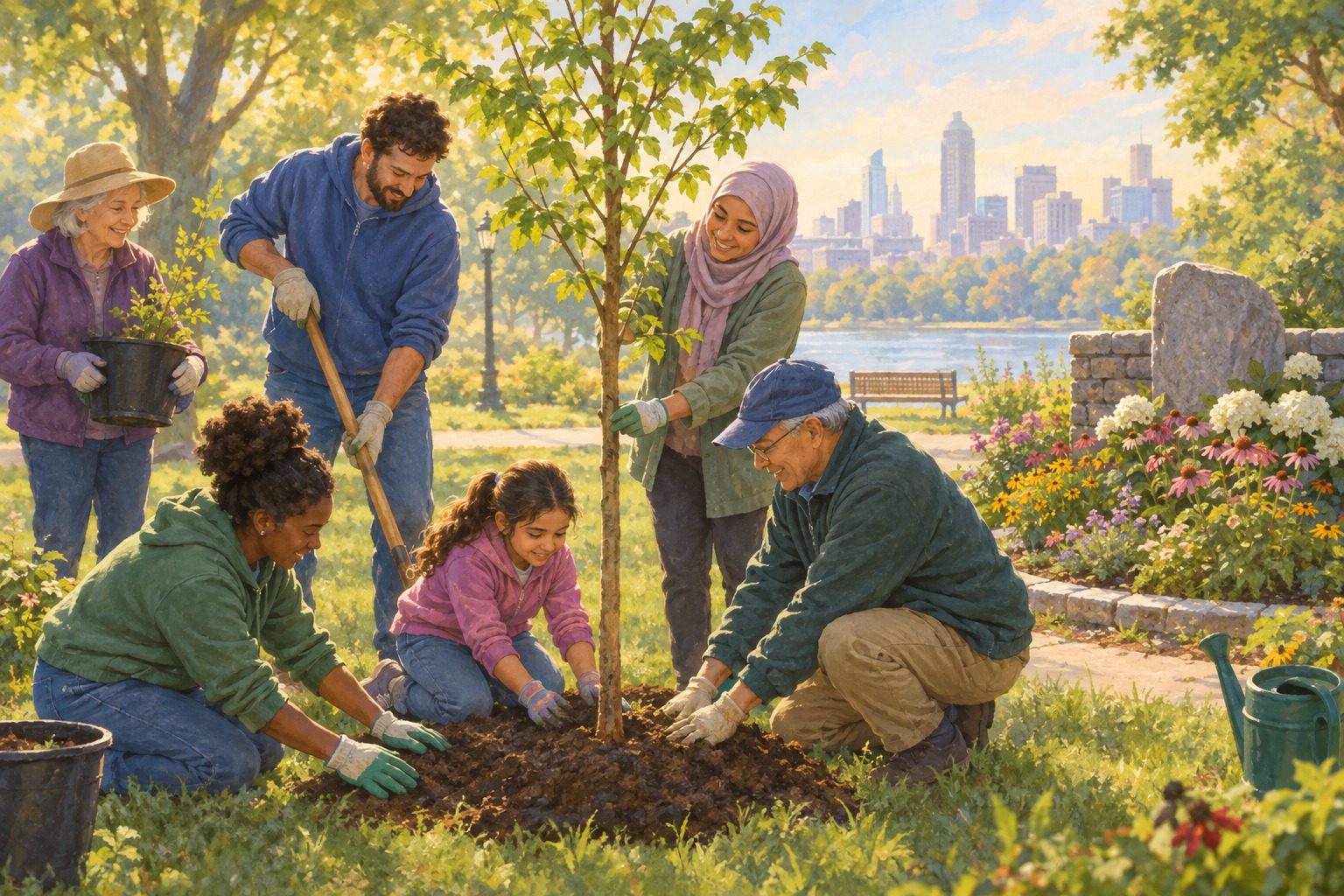
Volunteers plant a young tree in a city park as part of a remembrance project. Chapter Three

Trees That Remember

People are planting 3,000 trees to remember those who were lost and to care for the future.

Read Bibi’s full telling

A group called One Tree Planted had an idea. They wanted to plant 3,000 trees across the country to remember the people who died on September 11. The first tree was planted in a park near the water. Families of some of the people who were lost came to watch. The tree was small, but it will grow taller every year. A tree cannot undo a loss. But it can give shade and a place to sit and think. It can give birds a home. It carries a memory forward, season after season, long after the planting day is done.

Bibi asks

If you planted a tree to remember someone, what would you want it to give to the people who sat under it?

The End · Told by Bibi

A modern London apartment building with a visible load-bearing stone frame. Chapter Four

A Building Made of Stone

A new building in London uses stone instead of steel to hold itself up, and that could be kinder to the earth.

Read Bibi’s full telling

Most tall buildings are held up by steel and concrete. But a new building in London is different. It is held up by stone, more than a thousand tonnes of it. The stone comes from volcanoes. It is very strong and can carry the weight of the building without steel bars inside. The builders say this way of building uses less carbon, which is better for the air and the earth. The building is a test. It shows that an old material, like stone, can do a new job. If it works well, more builders might try it too.

Bibi asks

If an old material could do a new job, what would you like to try it with?

The End · Told by Bibi

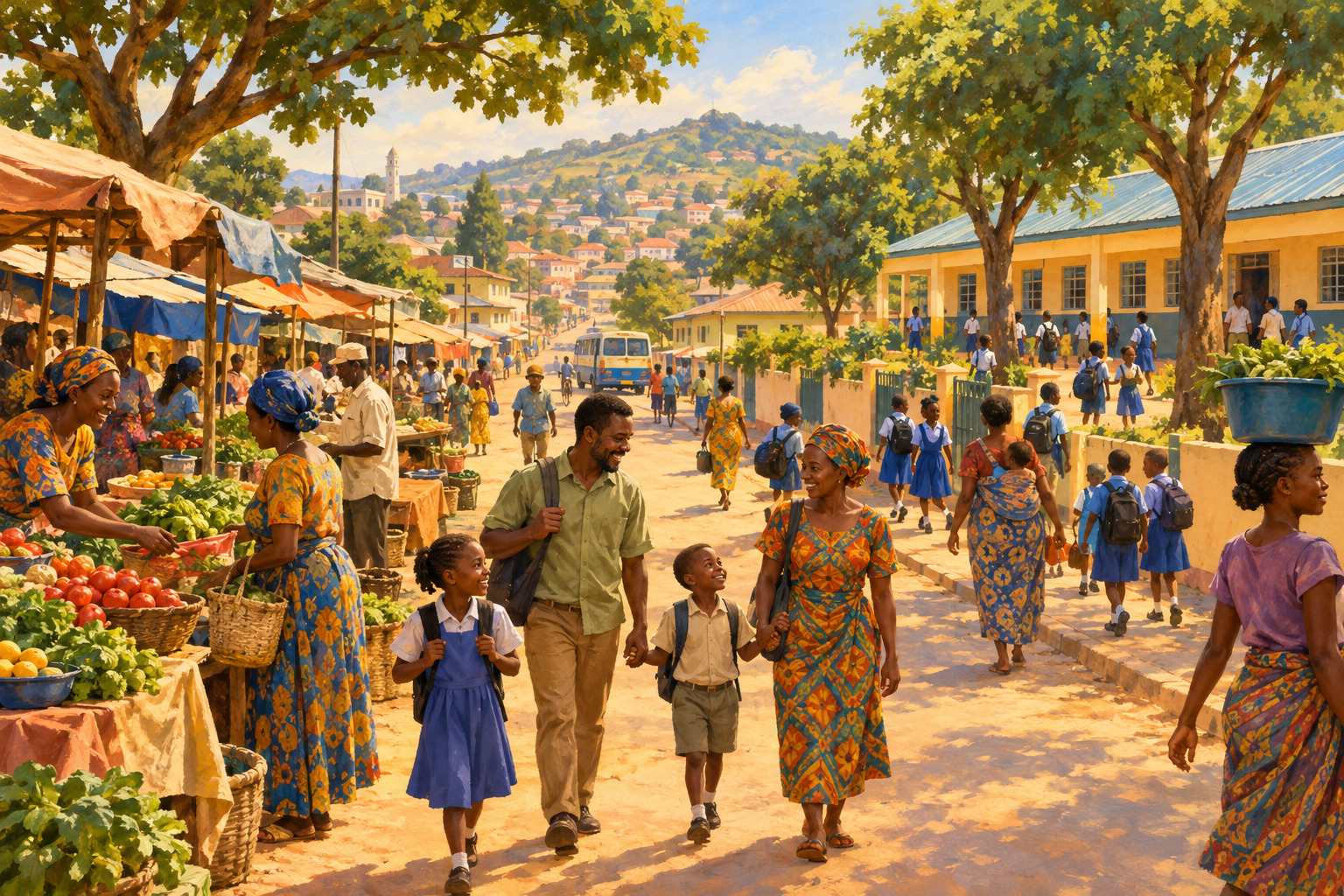
Families walk through a lively African town with a school and market in the background. Chapter Five

Things Can Get Better Slowly

In nine African countries, people earn more than twice what they used to, and fewer children are sick.

Read Bibi’s full telling

For a long time, people wondered if things were getting better in some of the poorest countries. Now the numbers tell a slow but hopeful story. In nine African countries, people earn more than twice what they earned a generation ago. Ghana is one of them. The money goes further than it used to because things cost less there compared to other places. The numbers do not mean everyone has enough. Some people are still poor. But fewer children are dying, and fewer people are living in the deepest poverty. Change can be slow, but it is real.

Bibi asks

What is something that gets better slowly, so slowly you might not notice until you look back?

The End · Told by Bibi

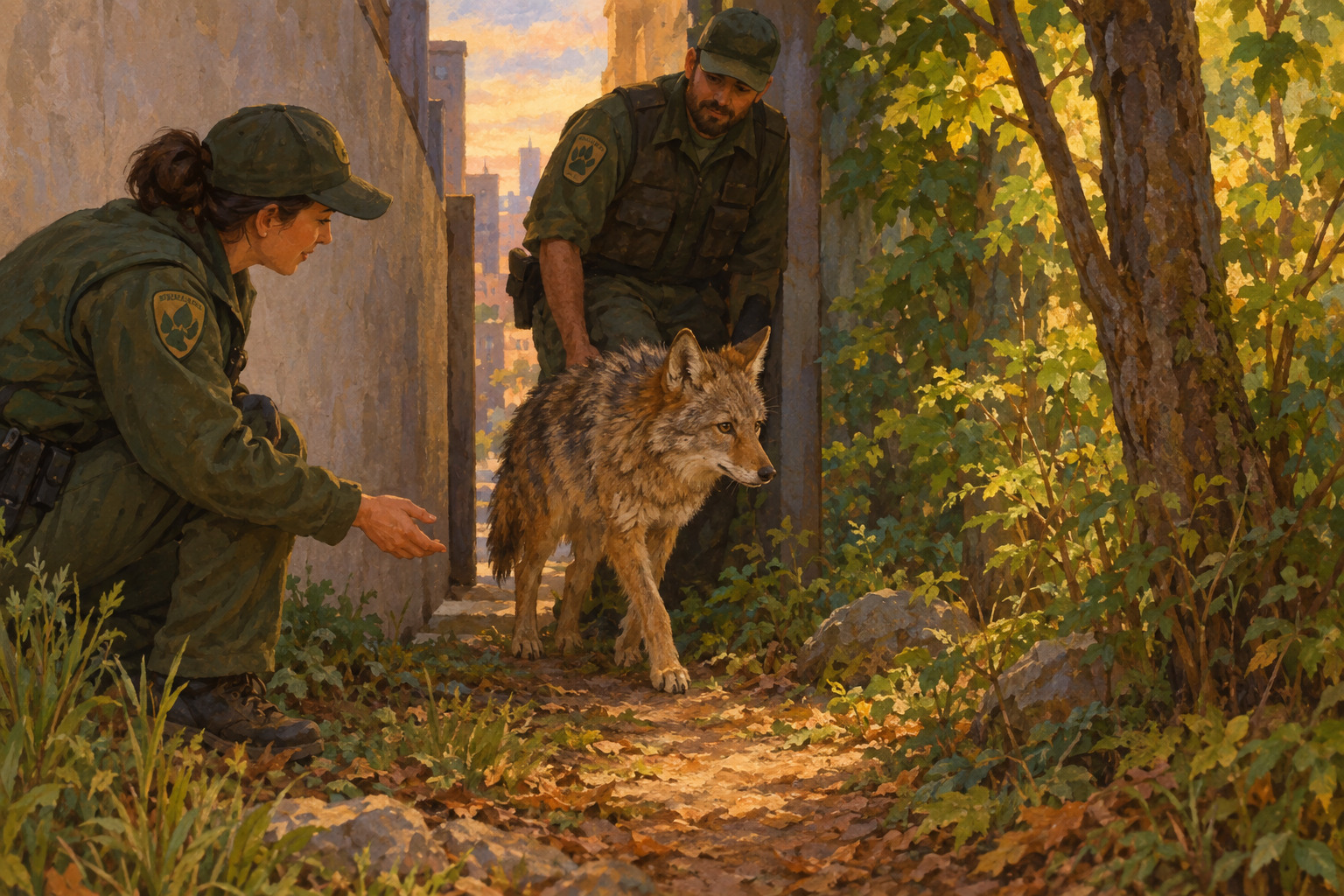
Wildlife officers free a coyote from between two walls near a Pittsburgh alley. Chapter Six

The Coyote Who Was Stuck

A wild coyote got trapped between two walls, and kind people worked for hours to free it.

Read Bibi’s full telling

One day in a city called Pittsburgh, a coyote got stuck between two walls in a narrow alley. The coyote was frightened and could not find its way out. People who help animals came. They worked for hours to reach the frightened coyote. It was not easy because the space was very tight and the coyote was scared. But they did not give up. They freed the coyote and carried it to a wooded area outside the city. The coyote ran back into the trees. It was a quiet ending, with a wild animal back where it belongs.

Bibi asks

If a wild animal was lost in your neighborhood, where would you hope it could go?

The End · Told by Bibi

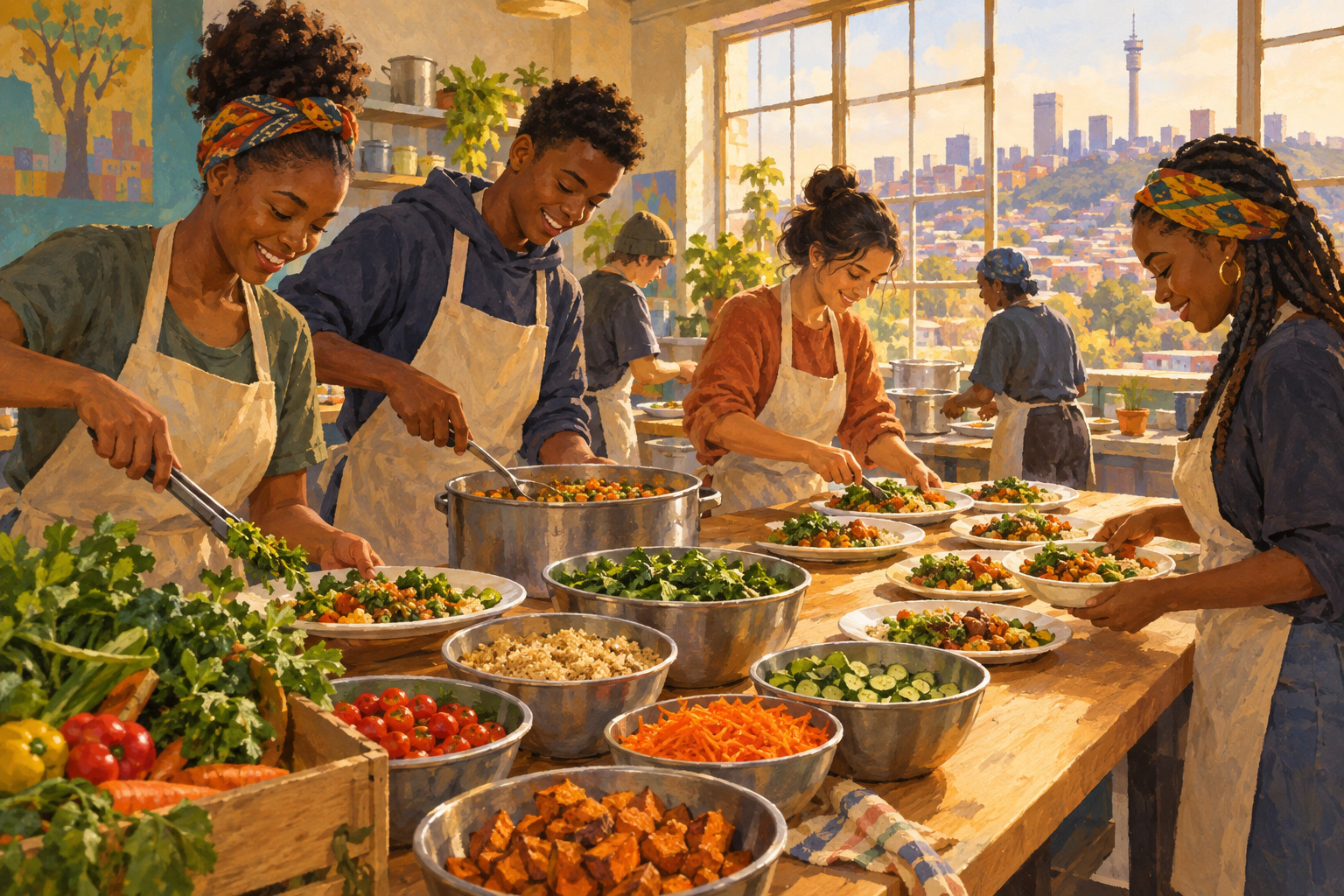
Young volunteers prepare meals together at a Johannesburg community outreach centre. Chapter Seven

Cooking for Two Hundred Children

Young volunteers in Johannesburg spent a day cooking and serving meals for 200 children.

Read Bibi’s full telling

In a city called Johannesburg, a group of young volunteers decided to spend a day helping children. They went to a community centre and cooked meals for 200 children. Some of the food came from people who donated vegetables. The volunteers washed, chopped, cooked, and served the food themselves. They did not get paid. They gave their time because they wanted to help. A shared meal does more than fill a plate. It tells people that their neighbours have noticed them and are willing to help. The children ate well that day, and the volunteers learned that small acts of care can reach many people.

Bibi asks

If you could cook a meal for someone in your neighborhood, who would you cook it for?

The End · Told by Bibi

A hospital research team carefully reviews a clinical trial for a rare blood condition. Chapter Eight

The First Patient in a New Study

A hospital in London found the first patient anywhere in the world for a study of a rare blood illness.

Read Bibi’s full telling

There is a rare illness that affects the blood. It is called MDS. It mostly affects older people and can make them feel very tired. Doctors wanted to find a better treatment. A hospital in London called Kings College Hospital started a new study. They needed 300 people to join. But first they needed to find one patient who would be the very first. They found that person. Being the first to join a study takes courage. The study will take time, and doctors do not know the answer yet. But now the question has moved from the laboratory into real care, where it can help people.

Bibi asks

If you were the very first person to try something that might help many people, would you be scared or brave?

The End · Told by Bibi

A tropical forest canopy shelters a small community gathering beneath the trees. Chapter Nine

Money to Keep Forests Standing

The UK wants to invest a large amount of money to help countries that protect their tropical forests.

Read Bibi’s full telling

Tropical forests are very important. They hold carbon, give homes to animals, and help people who live nearby. But forests are often cut down for wood or for farming. The United Kingdom said it wants to invest 400 million pounds in a fund that helps countries keep their forests standing. The money would go to countries that protect their forest cover. The plan is not finished yet. The rules and checks still need to be agreed. But if it works, it could give countries a reason to keep their forests instead of cutting them down. That would help the air, the animals, and the people who depend on the forest.

Bibi asks

If a forest could thank someone for keeping it standing, who do you think it would thank first?

The End · Told by Bibi

Students and community members gather beside a new water pump in Tamanja, Ghana. Chapter Ten

Clean Water From a Student Project

Five students raised money and built a water pump for a village that needed clean drinking water.

Read Bibi’s full telling

In a village called Tamanja in Ghana, about 700 people did not have clean water to drink. They could get sick from the water they used. Five students from a school far away learned about this problem. The students decided to help. They applied for a grant and received 2,500 dollars. They used the money to drill a hole in the ground and build a pump. Now clean water comes up from deep underground. The students travelled from their city to the village to see the finished pump. About 700 people now have better access to clean drinking water. The students showed that learning can move beyond the classroom and become useful in peoples daily lives.

Bibi asks

If you had money to build one thing for a village far away, what would you build?

The End · Told by Bibi

Book 24

Chapters 231–240

New affordable homes take shape around a welcoming community garden in Alberta. Chapter One

A Plan for Many New Homes

In a cold part of Canada, people decided to build lots of homes that families can afford.

Read Bibi’s full telling

In a province called Alberta, in Canada, many people could not find a home they could afford. The rents were too high. Some people had to sleep outside or move far away from their friends and jobs. The government decided to do something about it. They made a plan to build at least 1,460 new homes. The homes will be affordable, which means the rent will be low enough for families to pay. Some of the homes will be built in factories and then put together on the land, which is faster. The plan also includes homes for people who need extra help, like people who have been without a home for a long time. It will take time, but 1,460 families will have a warm place to live.

Bibi asks

What does it feel like to come home to a warm, safe place at the end of the day?

The End · Told by Bibi

A group of neighbors helps free an injured cyclist from beneath a car on a neighborhood street. Chapter Two

The People Who Lifted the Car

When a woman was trapped under a car, neighbors used their hands and worked together.

Read Bibi’s full telling

One morning, a woman was riding her e-bike when she crashed and a car rolled on top of her. She was pinned underneath and could not move. She called out for help. People nearby heard her. A woman named Amelia ran over and tried to lift the car. A delivery driver named Karl stopped his truck and helped too. Another neighbor named Christine called for an ambulance. More people came. Together, they lifted the heavy car just enough to pull the woman free. The ambulance took her to the hospital, and the doctors said she would be okay. The police said the neighbors helped save her life.

Bibi asks

What is something heavy that you could lift, if you had help from other people?

The End · Told by Bibi

Students in Nigeria use a tablet and books together in a bright learning space. Chapter Three

Free Internet for Learning

In Nigeria, students will get free internet data every day so they can study online.

Read Bibi’s full telling

In a country called Nigeria, many students want to learn online. But internet data costs money, and not every family can afford it. Some students could not reach their lessons on the internet at all. The government decided to help. Starting in October, students will get 100 megabytes of free data every day. The data works on special learning websites and study platforms. This means students can read lessons, watch videos, and do their homework online without worrying about the cost. The government chose the websites carefully, so the data is used for learning. Now more students can reach the knowledge they need.

Bibi asks

If you could learn anything online for free, what would you choose to study?

The End · Told by Bibi

A carbon storage facility stands beside Alberta prairie grasslands with underground storage shown in a gentle cutaway. Chapter Four

Putting Carbon Back Underground

In Canada, people started building a big machine that takes carbon from the air and stores it deep underground.

Read Bibi’s full telling

When factories and machines work, they send out a gas called carbon dioxide. Too much of this gas in the air makes the earth warmer. Scientists have been looking for ways to catch it and put it away. In a place called Alberta, in Canada, people started building a big project to do just that. It will catch carbon dioxide from factories and push it deep underground, into layers of rock where it will stay for a very long time. The project can store up to 1.5 million tonnes of carbon dioxide every year. That is like taking half a million cars off the road. It will start working in January, and it can grow bigger over time.

Bibi asks

If you could put one thing away safely so it would never cause harm, what would you choose?

The End · Told by Bibi

Two DNA double helices align with tiny charged ions bridging the space between them. Chapter Five

Watching the Tiny Zipper Close

For twenty years scientists wondered how two pieces of DNA fit together. Now they finally saw it happen.

Read Bibi’s full telling

DNA is the tiny instruction book inside every living thing. It is shaped like a twisted ladder. For a long time, scientists knew that two pieces of DNA could lock together, but they had never seen it happen with their own eyes. The puzzle was that both pieces of DNA have the same kind of charge. Things with the same charge usually push each other away. So how do they come together? Some scientists in England used a very powerful microscope and finally watched it happen. They saw tiny charged particles, like little bridges, sitting inside the grooves of the DNA. These little bridges help the two pieces find each other and lock together, like a zipper closing.

Bibi asks

What is something so small you cannot see it, that you would like to see if you could?

The End · Told by Bibi

Wildlife rescuers care for two orangutan mothers and their young near a tropical forest. Chapter Six

Saving the Forest Families

When fires trapped orangutans in the forest, rescue teams and local people brought them to safety.

Read Bibi’s full telling

In a faraway place called West Kalimantan, fires spread through the forest. The fires cut off the paths the orangutans used to travel. Six orangutans were stuck, including two mothers with their babies and two young ones on their own. The people who look after the forest heard about the orangutans. Rescue teams, local people, and forest groups all worked together to find them. It took two trips to bring all six to safety. Some of the orangutans were hot and tired from the fire. The doctors gave them water, oxygen, and medicine. Now the orangutans are resting at a rescue center. When they are strong again, the team will help them go back to the forest.

Bibi asks

If you found an animal that was lost and scared, how would you help it feel safe?

The End · Told by Bibi

Three neighbors run together with their families along an Ohio road during a community fundraiser. Chapter Seven

Running to Remember and to Help

Three dads ran one mile every hour for 24 hours to help families of first responders.

Read Bibi’s full telling

Three dads in Ohio wanted to remember September 11 with their children. They decided to run one mile every hour for 24 hours. That is a long way to run. Their idea grew. They asked people to give money for the Tunnel to Towers Foundation, which helps families of firefighters and other helpers who were hurt or who died. They hoped to raise a little money, but people gave much more. By the time they started running, people had already given more than three thousand dollars. The dads finished their run with their children and neighbors beside them. A fire truck came too. The money will help real families who need a home or a hand.

Bibi asks

What is something you could do for a whole day, if you knew it would help someone far away?

The End · Told by Bibi

A mother and baby sit near a clinic worker and a small vaccine vial in a warm illustrated scene. Chapter Eight

A Tiny Vial That Helps Babies Breathe

A new kind of vaccine vial could help more babies stay safe from a breathing illness.

Read Bibi’s full telling

There is a sickness called RSV that makes it hard for babies to breathe. Every year, many babies go to the hospital because of it. Some babies do not survive. A vaccine can help protect babies before they are born. The mother gets the vaccine while she is pregnant, and the protection passes to the baby inside her. This helps keep the baby safe during the first six months of life. Now the World Health Organization has approved a new kind of vial that can hold several doses. This means the vaccine can cost less and reach more families, even in places where it was hard to get before.

Bibi asks

If you could give one small thing that would help protect someone very tiny, what would you give?

The End · Told by Bibi

New Brunswick schoolchildren share healthy lunches together at a welcoming cafeteria table. Chapter Nine

Lunch for Everyone at School

In New Brunswick, every child can now get a healthy lunch at school, and no one knows who needed help paying for it.

Read Bibi’s full telling

In a place called New Brunswick, schools are giving every child a healthy lunch. Families pay a small price, and the government helps with the rest. Some families cannot pay for lunch at all. Those families can ask the school for help, and the school gives the lunch for free. The best part is that it is kept private. No one at the table knows who needed help and who did not. Every day there are at least two choices, including one without meat. The food follows healthy rules. By the time school started, the lunch program was already in more than 240 schools.

Bibi asks

If no one could tell who had help and who did not, how would that make the table feel?

The End · Told by Bibi

A British Columbia river spreads into restored wetlands surrounded by mountains and wildlife. Chapter Ten

Giving the River Room to Spread

When people opened old dikes and let wetlands come back, the land passed its first big flood test.

Read Bibi’s full telling

In British Columbia, people built walls called dikes long ago to keep rivers away from the land. But when rivers cannot spread, the water rushes past too fast and the wetlands dry up. Some people decided to open sections of the old dikes. They let the river flow back into the floodplains where it used to go. They planted reeds and made homes for birds, frogs, and other animals. When spring brought lots of water, the floodplains did their job. The water slowed down and spread out gently across the land. The wetlands passed their first big test. The animals came back too.

Bibi asks

If you gave something more room to spread, what do you think would grow back on its own?

The End · Told by Bibi

Book 23

Chapters 221–230

A researcher examining a tiny battery cross-section under a microscope. Chapter One

A Smoother Surface for Better Batteries

Scientists found that making battery surfaces smoother helps them see what is really happening inside.

Read Bibi’s full telling

Bibi says: Batteries power toys, phones, and cars, little one. But scientists are still learning how to make them better. Sometimes their tools show them things that are not really there. A team of scientists in South Korea found a problem. When a battery surface is bumpy, their tools show a signal that looks like something is moving inside. But nothing is actually moving. The bumps are tricking the tools. So the scientists made the surfaces smooth and flat. After that, the false signals disappeared. Now they can see what is really happening inside batteries. This will help them design batteries that charge faster and last longer. Sometimes you need to smooth things out before you can see clearly, little one.

Bibi asks

When something looks confusing, how do you figure out what is really there?

The End · Told by Bibi

A brave stranger holds a child safely above the river while rescuers reach down to help. Chapter Two

The Stranger Who Held On

A child fell into a river, and someone he did not know went in after him.

Read Bibi’s full telling

One night, a little child fell into a big river. The water was dark and cold. A man nearby saw what happened. He did not know the child. He did not know if he could get out again. But he went into the water anyway. He lifted the child up above the river. The wall was too high to climb. So he just held on. He kept the child safe above the water and waited. Soon helpers came and pulled them both out. The child was safe. The man was called brave. But he probably just thought someone needed to hold on, and he did.

Bibi asks

What would you hold on to, even if you could not see a way out?

The End · Told by Bibi

Students learn together with tablets and notebooks in a bright, welcoming classroom. Chapter Three

The Students and the Shiny New Test

Students in Hong Kong showed the world they could learn well with both books and screens.

Read Bibi’s full telling

Big people who study schools gave a test to many children around the world. The test had reading and numbers, but it also had a new part about learning with screens and tablets. The students in Hong Kong did very well. They scored higher than most of the other countries. Their teachers were proud. The schools had been working hard to help children learn with both books and tablets. The people in charge said they will keep helping teachers and giving children good tools. Learning changes, but good teaching stays the same.

Bibi asks

What is something you learned this week that made you feel proud?

The End · Told by Bibi

A glowing atom follows two paths in a gentle illustration of a quantum experiment. Chapter Four

The Tiny Falling Atom

Scientists sent a tiny atom on two paths to see if an old idea about gravity was still right.

Read Bibi’s full telling

There was a man called Einstein who had a big idea about how things fall. He said everything falls the same way, no matter how heavy or light it is. For a long time, people tested his idea with big things. But nobody had tested it with something very, very tiny. Some scientists made a special machine. They took one tiny atom and split it into two paths. One path sat still. The other path fell down, pulled by the earth. When the two paths came back together, the atom still agreed with the old idea. Einstein was right again, even for the smallest things they could test.

Bibi asks

Do you think the smallest things and the biggest things follow the same rules?

The End · Told by Bibi

Australian native animals gather in a healthy woodland protected by conservation workers. Chapter Five

Thirty Years of Looking After the Small Ones

For thirty years, people in Western Australia have helped little animals come back from trouble.

Read Bibi’s full telling

In Western Australia, there are small animals that do not live anywhere else. Foxes and cats came from far away and started eating them. Many of the small animals almost disappeared. But some people decided to help. They started a program called Western Shield. For thirty years they have been protecting the small animals and keeping the foxes and cats away. One little striped animal called a numbat was in real trouble. There were only a few hundred left. But after years of care, the numbat started to come back. There are more of them now. The people keep going, because the animals still need them.

Bibi asks

What is something small that you could look after, if you were very patient?

The End · Told by Bibi

Relief workers unload emergency supplies from a cargo plane for families in a mountain valley. Chapter Six

The Plane That Brought Help

When floods hurt many families, a big plane full of supplies flew in to help.

Read Bibi’s full telling

In a country called Nepal, big rains came and the rivers overflowed. The water went into homes and towns. Families lost their clean water, their food, and their safe places to sleep. Far away, other countries heard what happened. They filled a big plane with boxes. The boxes had clean water, blankets, bandages, and food. The plane flew across the sky and landed near the people who needed help. Helpers from many places worked together. They gave the boxes to families. They brought medicine and warm things. It will take time to rebuild, but the families know they are not alone.

Bibi asks

If you had to fill one box for someone who lost their home, what would you put inside?

The End · Told by Bibi

Neighborhood children serve lemonade while neighbors help a family after a house fire. Chapter Seven

The Lemonade Stand That Helped a Family

When a family lost their home, the children next door found a way to help.

Read Bibi’s full telling

One Saturday, a house caught fire and a family lost their home. Nobody was hurt, but everything inside was gone. The family had to find another place to stay. The next day, the children who lived nearby had an idea. They set up a little table on the sidewalk and sold lemonade and snacks. All the money they collected was for the family who lost their home. A neighbor named Laura also started a fundraiser online. People from all around gave what they could. Together, the lemonade stand and the fundraiser collected thousands of dollars. The family knew their neighbors cared about them, and that made the hard days a little easier.

Bibi asks

What is something small you could make or do, that might help someone who is having a hard time?

The End · Told by Bibi

An older adult receives calm emotional support and a medication review before surgery. Chapter Eight

Calm Hearts Before a Big Operation

Doctors found that helping people feel less worried before surgery made recovery easier too.

Read Bibi’s full telling

Sometimes older people need a big operation to fix their heart or bones. Operations can be scary. People worry about what will happen and whether they will feel well again. Some doctors decided to try something new. Before the operation, they gave the patients a coach to talk to. The coach helped them feel calm and ready. The doctors also looked carefully at all the medicines the patients were taking, to make sure none of them would cause problems. After the operation, the people who had the coach felt less worried and sad than the people who did not. The doctors learned that caring for the mind is just as important as caring for the body.

Bibi asks

Who is someone you can talk to when you feel worried, that helps you feel calm?

The End · Told by Bibi

A tree-climbing lion rests above a protected Ugandan landscape as conservation work continues. Chapter Nine

The Lions Who Climb Trees

In a faraway land, people made a plan to look after lions who like to climb trees.

Read Bibi’s full telling

In a place called Ishasha, in Uganda, there are very special lions. These lions do something most lions do not do. They climb up into trees and rest on the branches. But there used to be many more of these lions. Over the years, their numbers got smaller and smaller. The people who care about the land decided they needed a big plan to help the lions come back. They made an agreement that will last for ten years. The plan includes protecting the land where the lions live, growing back the forests, and working with the people who live nearby. If needed, they may even bring more lions to join the ones already there. It will take patience, but the lions will have people watching over them.

Bibi asks

If you could look after one animal for ten years, which one would you choose and why?

The End · Told by Bibi
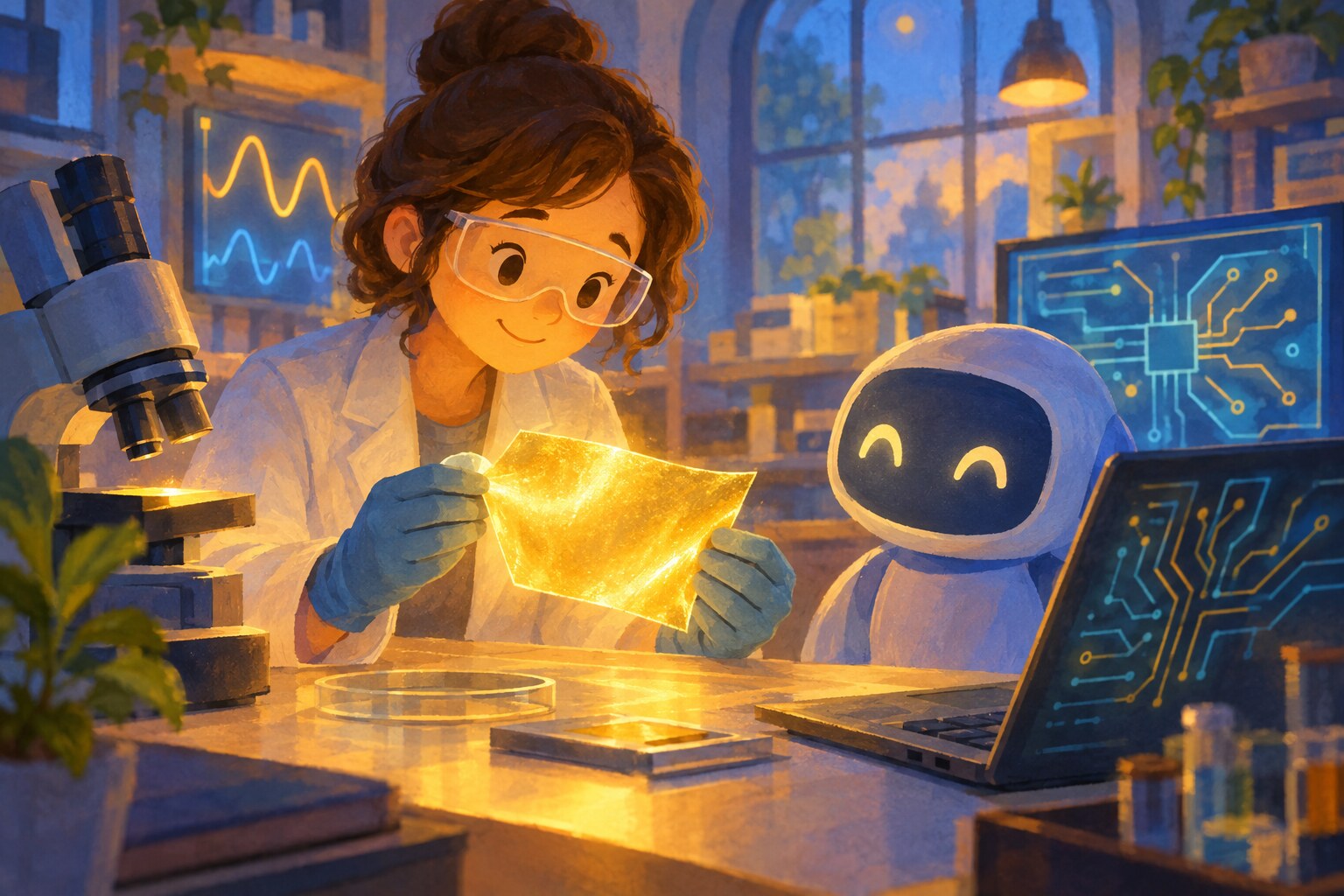
A glowing protein structure represents quantum and classical computers working together. Chapter Ten

Two Kinds of Computers, One Big Answer

Scientists used two different kinds of computers working together to understand a tiny part of the body.

Read Bibi’s full telling

Inside every person there are tiny building blocks called proteins. They are so small you cannot see them. But they do important work, and scientists want to understand exactly how they are shaped. Understanding proteins is very hard. It takes so much calculating that one computer alone cannot do it. So a team of scientists tried something new. They used two kinds of computers at the same time. One kind was a quantum computer, which is very special and can solve certain puzzles. The other kind was a big regular computer, which can put all the pieces together. Working as partners, the two computers built a picture of a very large protein. This could one day help scientists make better medicines for people who are sick.

Bibi asks

What is something you can do better when you work with someone else, instead of alone?

The End · Told by Bibi

Book 22

Chapters 211–220

An expanded DNA alphabet glows beside a microscope in a research lab. Chapter One

The Letters of Life Got Bigger

Scientists found that the tiny alphabet inside every living thing can have more letters than we thought.

Read Bibi’s full telling

Inside every living thing, there is something called DNA. It is like a tiny instruction book that tells your body how to grow. The book is written with just four letters: A, T, C, and G. That has been true for every living thing on Earth, for billions of years. But scientists at a place called UC San Diego found something amazing. They showed that a natural tool in the body can read more than four letters. It can read up to eight letters. It is like discovering that the alphabet has secret letters that were there all along. This does not change what is already inside you, little one. But it means scientists might be able to write new instructions to help fight sickness or make medicines. The world is full of surprises, even in the tiniest parts of ourselves.

Bibi asks

If you could add a new letter to the alphabet of life, what would you want it to spell?

The End · Told by Bibi

Neighbors gathering in a backyard to raise food-support donations. Chapter Two

A Party That Helps Feed People

A woman turns a simple backyard party into a way to help neighbors who need food.

Read Bibi’s full telling

Bibi says: A kind woman named Jessica wanted to help people who did not have enough food. She did not have a lot of money herself, little one. But she had friends and a backyard. So Jessica started something called Party with a Purpose. Friends come together, pay five dollars for a raffle, and spend an evening having fun. The money goes to help feed people who are hungry. Jessica also asked her work to match the money. Together, the party and the matching gift raised one thousand seven hundred and fifty dollars. That money will help put food on tables across Los Angeles. It shows that even a small party can do a big thing when people share what they have.

Bibi asks

What is something you love doing with your friends that could also help someone else?

The End · Told by Bibi

Children sharing breakfast at a welcoming school club. Chapter Three

Breakfast Waiting at School

More children in England can now eat breakfast and lunch at school without their families paying.

Read Bibi’s full telling

Bibi says: In England, many families worry about the cost of sending children to school. New meals and breakfast clubs are changing that, little one. Now more than three million children can get free meals at school. There are also one thousand four hundred new breakfast clubs. Children can eat a healthy meal before lessons begin. The government is also opening nine thousand new childcare places and making school uniforms less expensive. Families could save up to one thousand two hundred pounds a year. When children arrive fed and ready, learning becomes easier. No child should have to study with an empty tummy.

Bibi asks

How would it feel to start your day sharing a meal with all your classmates?

The End · Told by Bibi

Island community members planning a climate-resilience project. Chapter Four

Islanders Planning for Their Future

A new fund helps island communities plan and build projects that protect their home from a changing climate.

Read Bibi’s full telling

Bibi says: The Virgin Islands are small islands in the Caribbean Sea, little one. The people who live there know their islands very well. They know which roads flood and which hills need trees. Now they have a new fund to help them protect their islands. Community groups can ask for money to plant trees, build rain gardens, or make their neighborhoods safer from storms. The fund also helps groups that need training first. They offer workshops and meetings so everyone can learn how to apply. When the people who know a place best are the ones making the plans, the plans work better. That is good news for the islands and the children who will grow up there.

Bibi asks

If you could plant one thing to protect your neighborhood from a big storm, what would it be?

The End · Told by Bibi

Layered next-generation solar cells catching Australian sunlight. Chapter Five

Solar Panels That Catch More Sun

Scientists in Australia are testing new solar panels that use more of the sunlight that falls on them.

Read Bibi’s full telling

Bibi says: Solar panels are like windows that turn sunlight into electricity, little one. The more sunlight they can catch, the more power they make. A scientist named Professor Anita Ho-Baillie is working on a new kind of solar panel. It stacks two layers of material on top of each other. Together, the layers can use more of the sunlight that reaches them. Her team already made panels that turn thirty percent of sunlight into power. That is very good. Now they have seven million dollars to test whether the panels can last a long time outside. If they work well for many years, they could help make clean electricity for lots of people.

Bibi asks

If you could power something in your home using only sunlight, what would you choose?

The End · Told by Bibi

New public homes in a welcoming Canadian neighborhood. Chapter Six

Twenty-Four New Homes

A small Canadian town is building new homes for people who need a safe and affordable place to live.

Read Bibi’s full telling

Bibi says: In a small town called Caraquet, in Canada, people are building new homes, little one. Twenty-four homes for families who need a safe place to live. The town already has more than four thousand seven hundred public homes. Since 2023, they have built or bought more than two hundred new ones. And they are not stopping there. More homes are being designed right now. Building a home takes time, but every new home means one more family has a place to sleep, eat, and feel safe. A home is more than walls and a roof. It is where you belong.

Bibi asks

What makes a place feel like home, beyond the walls and the roof?

The End · Told by Bibi

An older adult and a coach walking together on a leafy path in the morning. Chapter Seven

Walking Makes a Heart Happy

Doctors found that a simple exercise plan helps people with an uneven heartbeat feel better.

Read Bibi’s full telling

Bibi says: Sometimes a heart beats too fast or too slow, little one. That can make a person feel tired or worried. Doctors in Norway wanted to see if exercise could help. They asked people to walk and move their bodies. Some worked with a coach at first, then kept going at home. After one whole year, the people who exercised had fewer problems with their hearts. They spent less time in the hospital too. The doctors were happy because the plan was simple. A coach, a watch, and a little bit of moving every day. Sometimes the best medicine is just using your body and taking a walk.

Bibi asks

What is one way you like to move your body that makes your heart feel happy?

The End · Told by Bibi
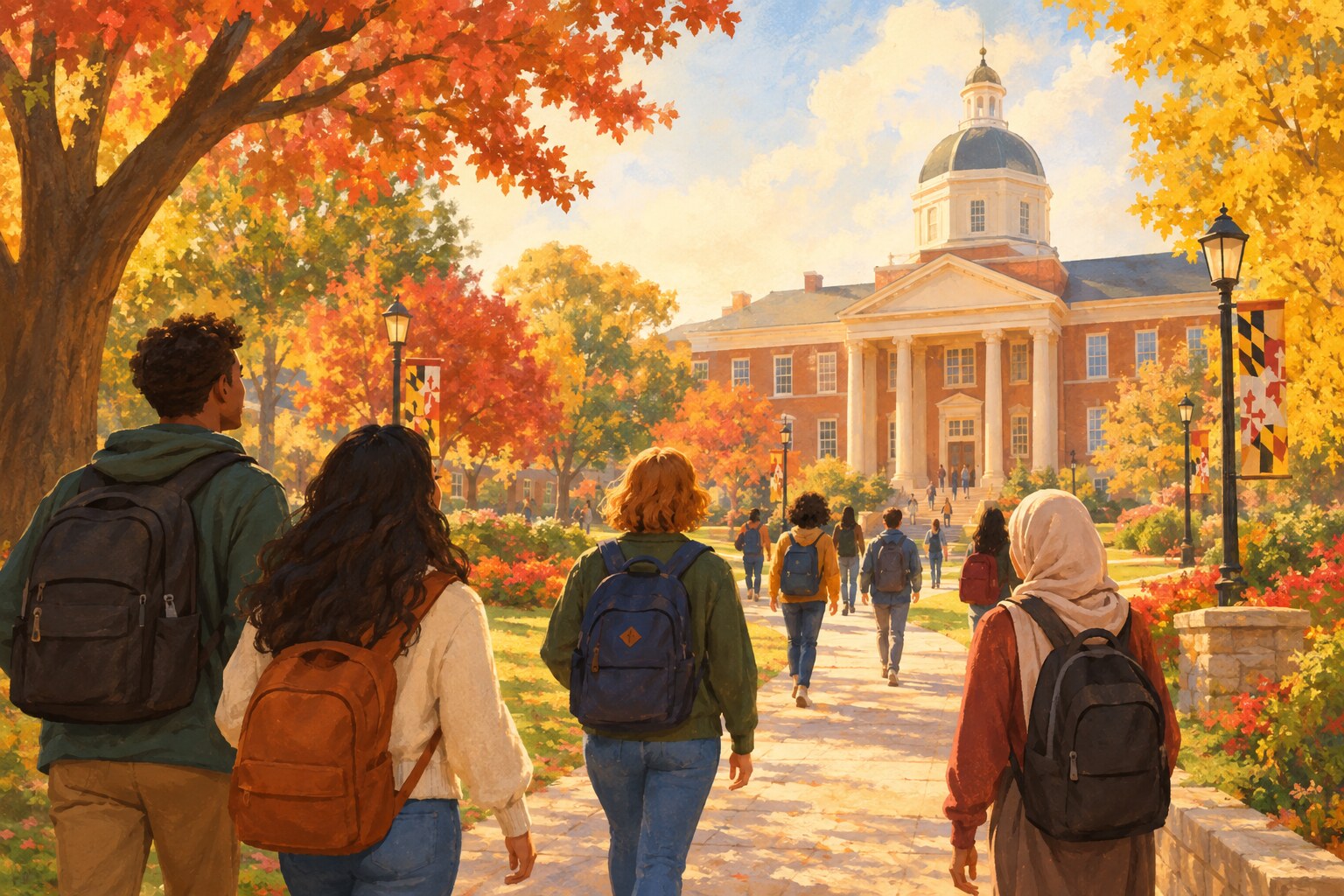
Students arranging backpacks and school supplies as children choose their favorites at a community event. Chapter Eight

Backpacks for Everyone

College students helped give more than three hundred backpacks to children who needed them for school.

Read Bibi’s full telling

Bibi says: When a new school year starts, children need backpacks and supplies, little one. But not every family can buy them. That can make starting school feel hard. Some college students in Rochester decided to help. They spent their very first days of college sorting supplies and filling backpacks. They gave out more than three hundred backpacks to children who needed them. The children got to choose their own backpacks. That made them feel ready and excited, just like their classmates. The college students learned that helping others is a good way to start a new year too. Kindness and learning go together, little one.

Bibi asks

If you had an extra backpack, who would you want to give it to?

The End · Told by Bibi
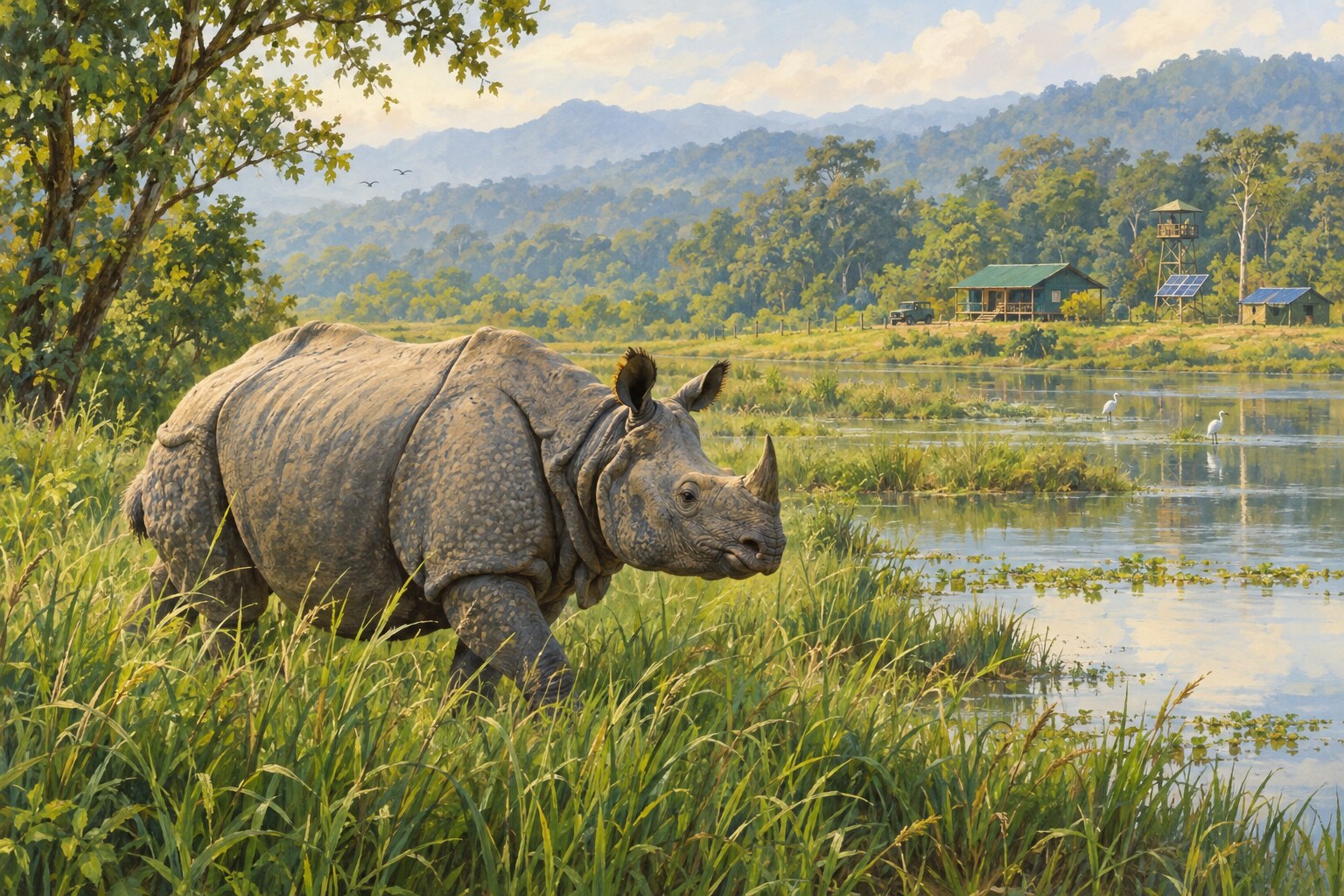
Community turtle guardians watching over a marked nest as hatchlings head toward the sea. Chapter Nine

Helping Baby Turtles Reach the Sea

People on Kenyas coast are protecting sea turtle nests so more baby turtles can make it to the ocean.

Read Bibi’s full telling

Bibi says: Sea turtles lay their eggs in the sand, little one. But sometimes the sand is not safe. The water can flood the nest, or animals can find the eggs. People who live near the beach in Kenya decided to help. They watch for mother turtles laying eggs. If a nest is in danger, they carefully move the eggs to a safer place. They keep each egg in the same position so the baby turtles stay safe. Then they watch over the nest until the baby turtles hatch and crawl to the sea. Kenya is home to five kinds of sea turtles. Every nest they protect gives more baby turtles a chance to swim free in the big blue ocean.

Bibi asks

If you found a tiny turtle on the beach, would you know to let it find its own way to the sea?

The End · Told by Bibi
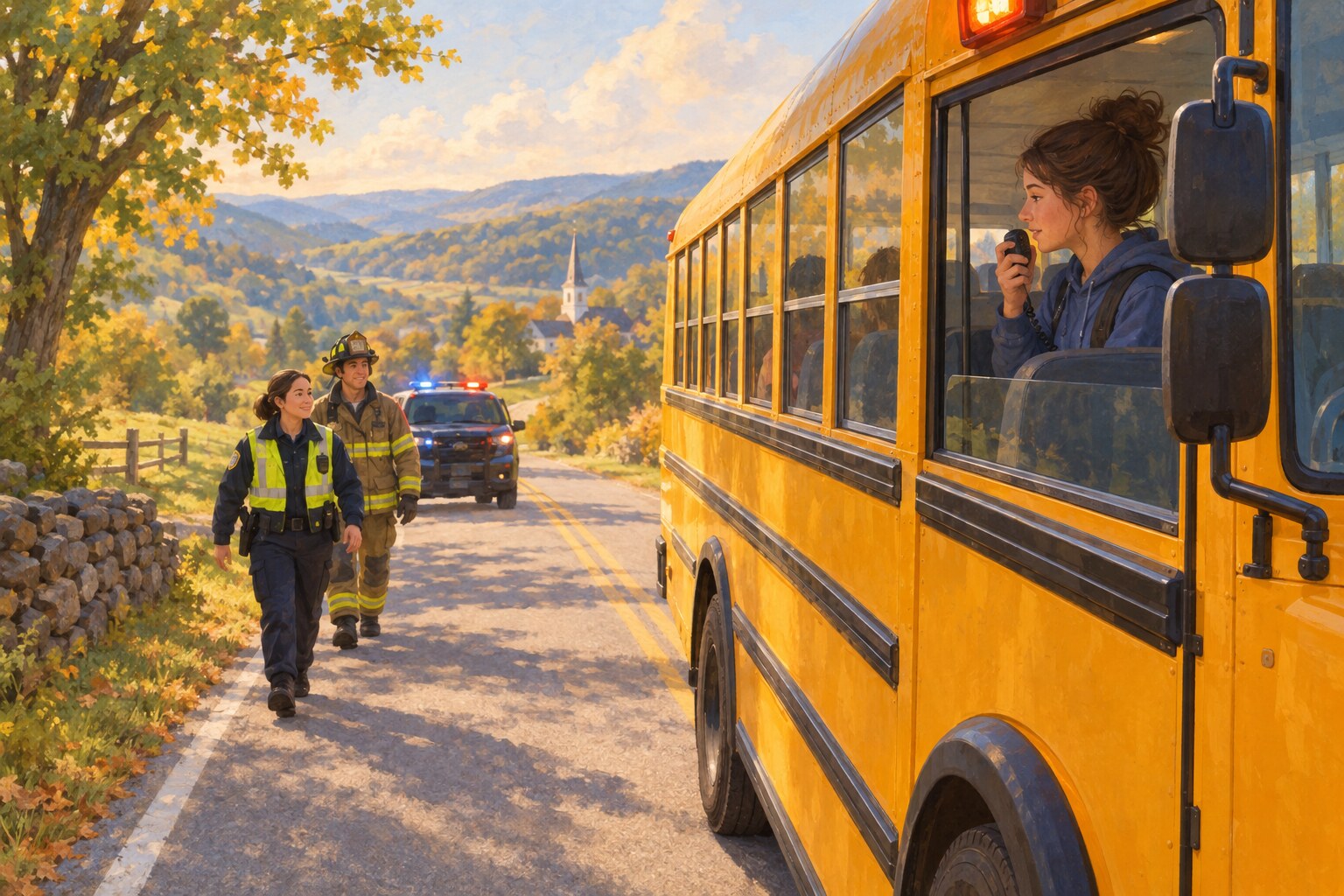
A new transmission line crossing a green British Columbia landscape beneath the mountains. Chapter Ten

Clean Power for the North

A new power line will bring clean electricity to communities and jobs to people in northern Canada.

Read Bibi’s full telling

Bibi says: In a big place called British Columbia, in Canada, people need electricity, little one. Electricity powers lights, schools, and homes. But some towns are far away and do not have enough. The government is building a new power line. It will carry clean electricity to towns in the north. Clean electricity comes from water and wind, not from burning things that make smoke. The project will give jobs to many people. The First Nations who have lived there for a very long time are partners too. They will share in the work and the benefits. When people build something together, it belongs to everyone, little one.

Bibi asks

What is something in your home that needs electricity, and what would life be like without it?

The End · Told by Bibi
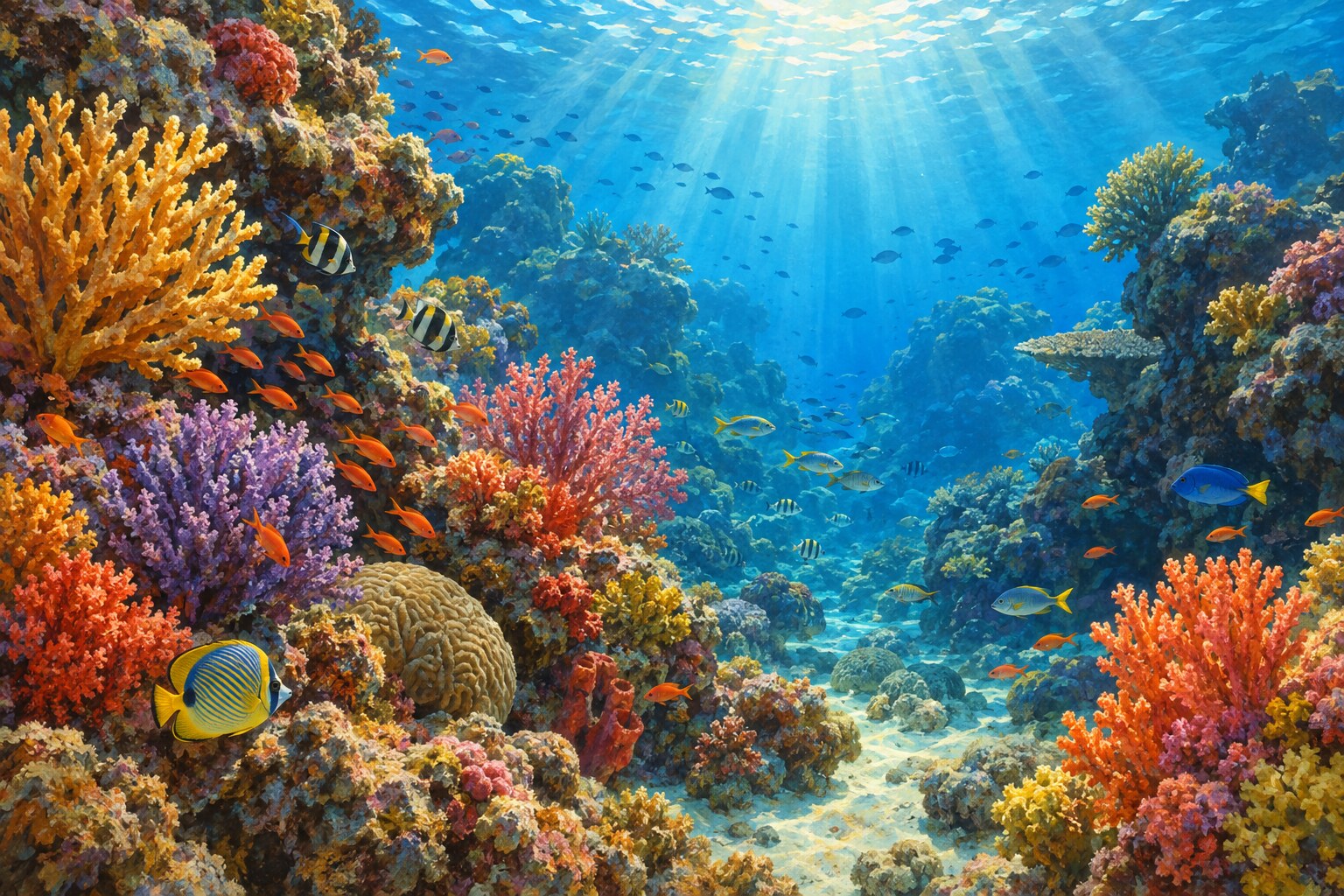
Book 21

Chapters 201–210

A red-whiskered bulbul rests on a flowering branch above a protected Thai forest. Chapter One

The Bird With Red Cheeks Gets a Safe Home

A little bird lost its protection for one day, and people moved fast to bring it back.

Read Bibi’s full telling

There is a little bird called the red-whiskered bulbul. It has a small red patch on its cheek, like a tiny blush. It lives in the forests of Thailand. One day, something happened with the rules. The bird was taken off a list that protected it. For one day, the 40 forests where the bird lives were not safe for it anymore. People who care about birds were worried. But the next day, the government moved fast. They made a new rule. They put the bird back on the no-hunting list in all 40 forests. The rule was published and took effect right away. The people who made the rule also knew something important, little one. In some villages, this bird has been part of life for a very long time. So they are trying to keep the bird safe while also respecting the traditions of the people who live there.

Bibi asks

If a rule was taken away for just one day, how fast would you move to bring it back?

The End · Told by Bibi

Volunteers building a colorful backyard playset for a young child. Chapter Two

A Playset Built With Love

When a little girl was getting better from being sick, a whole team of people built her a place to play.

Read Bibi’s full telling

There was a little girl who had been very sick. She had a serious illness, and she had to go through a lot of treatment. But she got better, little one. She was in remission, which means the sickness was going away. A group of people wanted to do something special for her. They were volunteers, which means they helped for free. They came to her home and built a playset. A playset is like a small playground with swings and slides, right there in the yard. The group was called Roc Solid Foundation, and they worked with a company called GuidePoint Security. Together they built the playset so the little girl could play and be a child again. Sometimes the best medicine is just being able to play outside.

Bibi asks

What would you build for someone who has been sick for a long time?

The End · Told by Bibi
Scientists working together on a vaccine study in a bright research room. Chapter Three

A New Shield Against a Scary Sickness

Doctors are testing a new vaccine to protect people from a dangerous illness.

Read Bibi’s full telling

There is a sickness called Ebola. It is very serious, and it has made many people ill in some parts of the world. Doctors have been working hard to find a way to protect people from it. Now, for the first time, doctors at a hospital in England are testing a new vaccine. A vaccine is like a small shield that teaches your body how to fight a sickness before it can make you ill. The doctors want to test this vaccine with 50 volunteers. These are people who choose to help by letting the doctors give them the vaccine and watching to make sure it is safe. It takes courage to be a volunteer, little one. This is still a test. But if it works, the vaccine could help protect people in places where Ebola has made families afraid.

Bibi asks

Would you be brave enough to try a new medicine first, if it could help many people?

The End · Told by Bibi
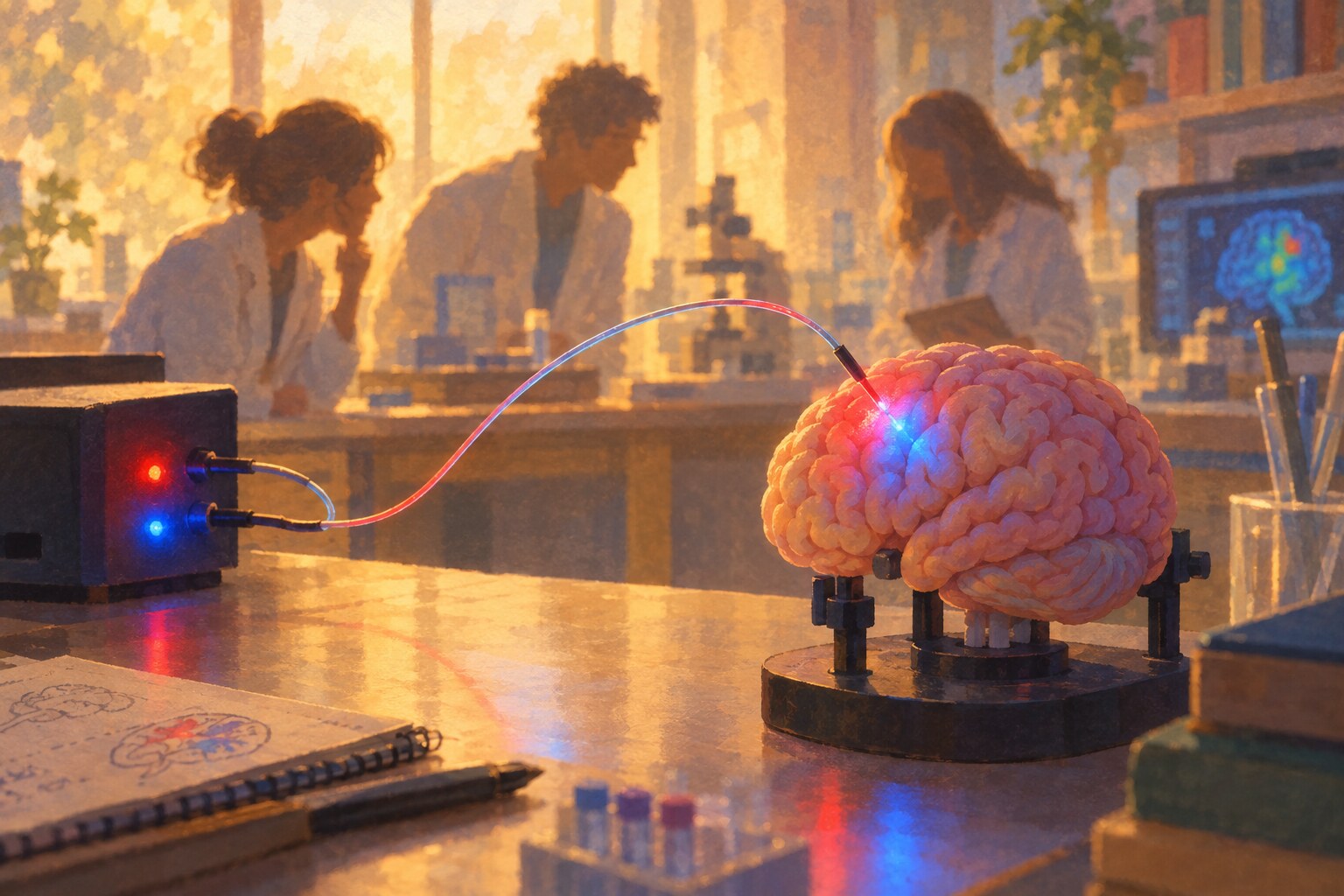
Community members planting young trees in a sunny landscape. Chapter Four

Half a Million New Trees

A whole state in Nigeria decided to plant trees everywhere, for the land and for the future.

Read Bibi’s full telling

In a place called Sokoto, in a big country called Nigeria, the people decided to do something wonderful. They wanted to plant 500,000 trees. That is a lot of trees, little one. If you planted one tree every day, it would take you over a thousand years to plant that many. But they did not do it alone. The government gave out small trees, called seedlings, to people all across the state. They gave them to homes, schools, and farms. Everyone could help plant. Trees are important. They give shade when the sun is hot. They hold the soil together so the wind does not blow it away. They give food and homes to birds and insects. And they help the air stay clean for all of us to breathe. The planting happened in all 23 areas of the state. That means children and grown-ups all over Sokoto are putting their hands in the dirt and making something grow.

Bibi asks

If you could plant a tree anywhere, where would you put it and who would it be for?

The End · Told by Bibi
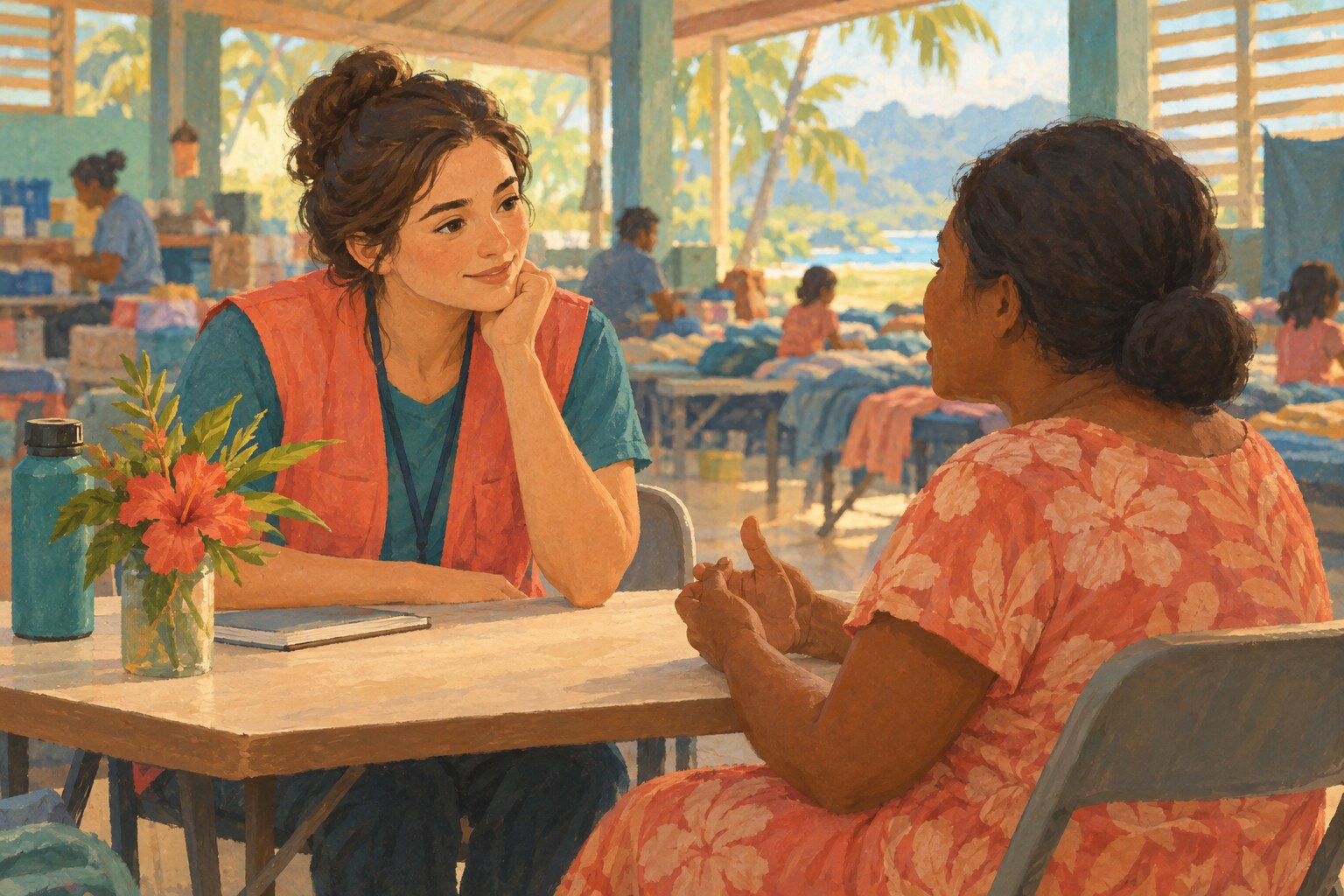
A Sumatran elephant near beehive boxes along a green forest boundary. Chapter Five

The Buzzing Fence That Keeps Everyone Safe

Bees and elephants are helping each other stay out of each other way.

Read Bibi’s full telling

In a place called Way Kambas, in a country called Indonesia, there are big forests where elephants live. The elephants are called Sumatran elephants, and there are not many of them left in the world. Sometimes the elephants would walk out of the forest and into farms. They would eat the crops that farmers had been growing. The farmers were sad, and the elephants were in danger. Then someone had a clever idea. Elephants are afraid of bees. They do not like the sound of buzzing. So people built fences with beehives on them. When the elephants come close, the bees buzz, and the elephants turn around and go back to the forest. The bees are happy too, little one. They make honey, and the farmers can sell it. So the elephants are safe, the farms are safe, and the bees make something sweet for everyone.

Bibi asks

What animal are you a little bit afraid of, and could that fear actually protect something important?

The End · Told by Bibi
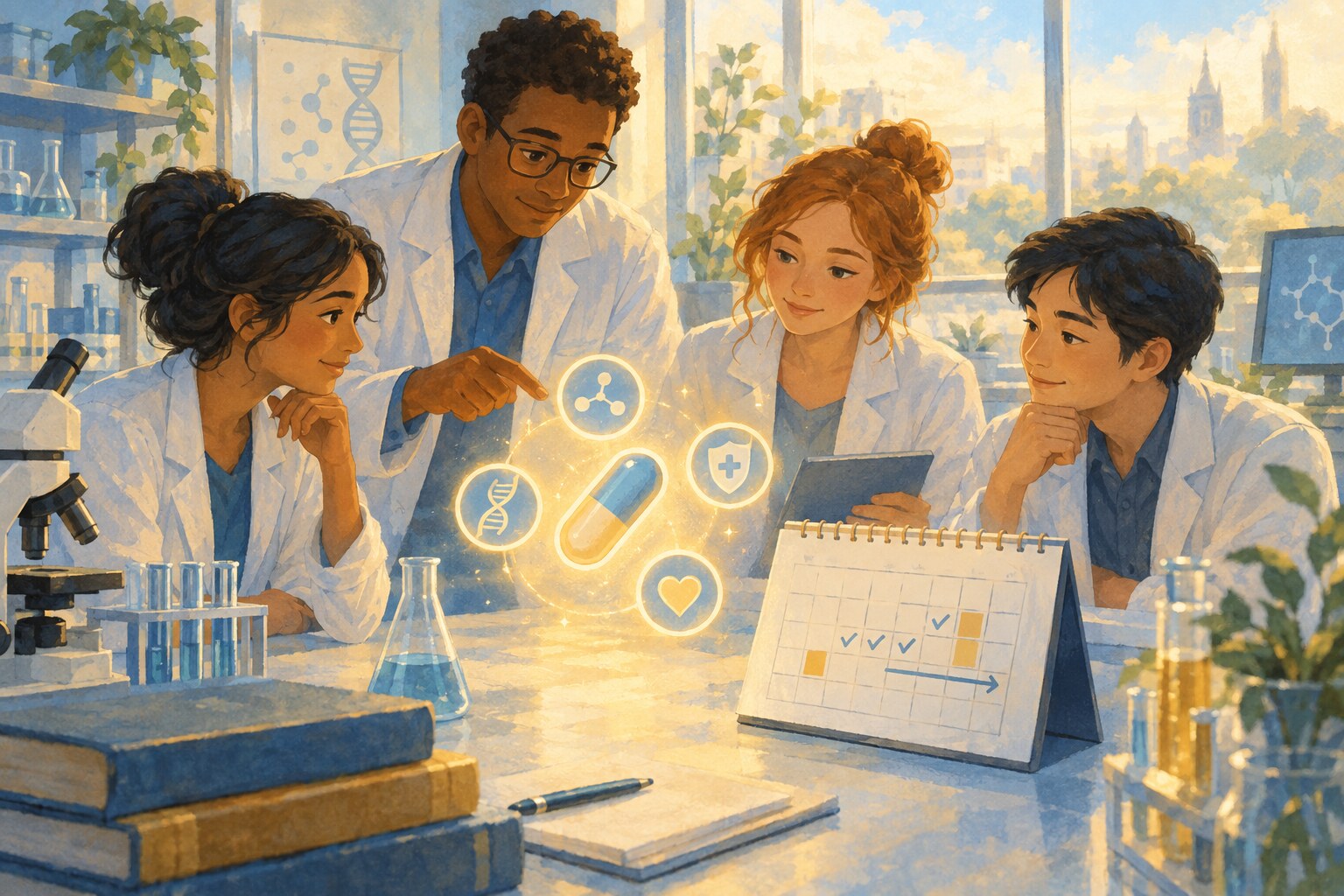
A glowing network of brain pathways organizing two streams of activity. Chapter Six

How Your Brain Learns to Do Two Things

Scientists found that practicing helps your brain separate tasks so you can do more at once.

Read Bibi’s full telling

Have you ever tried to pat your head and rub your tummy at the same time, little one? It is hard at first. Your brain has to do two things at once, and it gets confused. Scientists at two universities in Hong Kong wanted to understand how the brain gets better at doing more than one thing. They found something amazing. When you practice, your brain slowly learns to separate the tasks. It is like a road that starts as one path and then splits into two. The more you practice, the more the paths separate. So your hands can do different things without getting in each other way. The scientists say this could also help people build better computers that learn the way our brains do. So next time you try something hard, remember, your brain is building new roads. You just have to give it time.

Bibi asks

What is something you could not do before, but can do now because you practiced?

The End · Told by Bibi
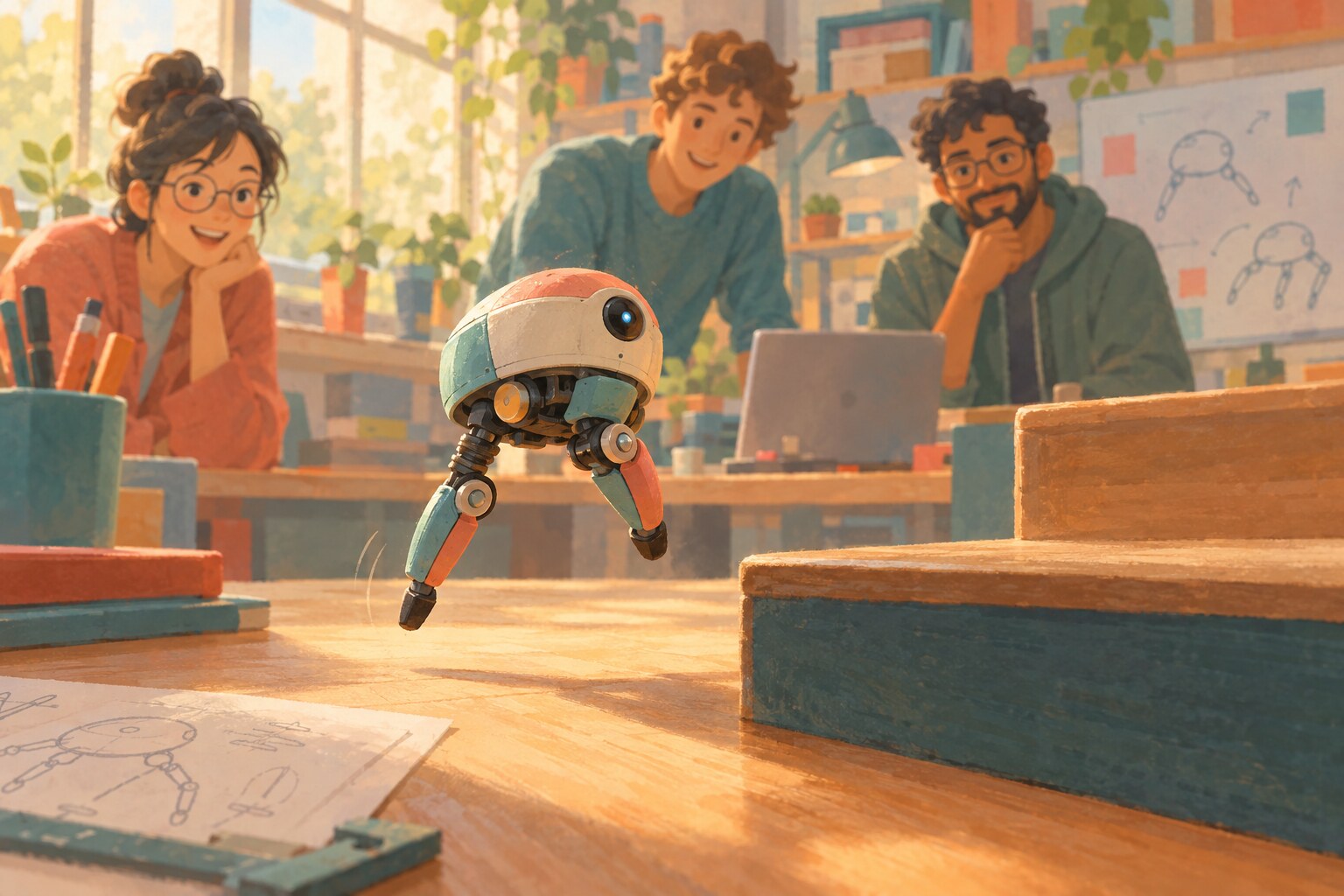
Community rescuers guide a swimmer safely back to a riverbank. Chapter Seven

Strangers Who Reached Out Their Hands

When a man was swept into a river, people who did not know him worked together to bring him back.

Read Bibi’s full telling

In a city called Durban, in a country called South Africa, a man was walking near a river. The river was moving fast because of heavy rain. The man slipped and the water carried him away. People on the riverbank saw him. They did not know him. They had never met him before. But they did not just stand there, little one. They worked together. Some grabbed ropes. Some called for help. Some waded into the water to reach him. Together, the strangers pulled the man out of the river and brought him safely to the shore. The people who helped were called good Samaritans, which means people who help someone they do not know. The man was safe because people who could have just watched chose to act instead. Sometimes the bravest thing is simply reaching out your hand.

Bibi asks

If you saw someone who needed help and no one else was moving, would you be the first to reach out?

The End · Told by Bibi
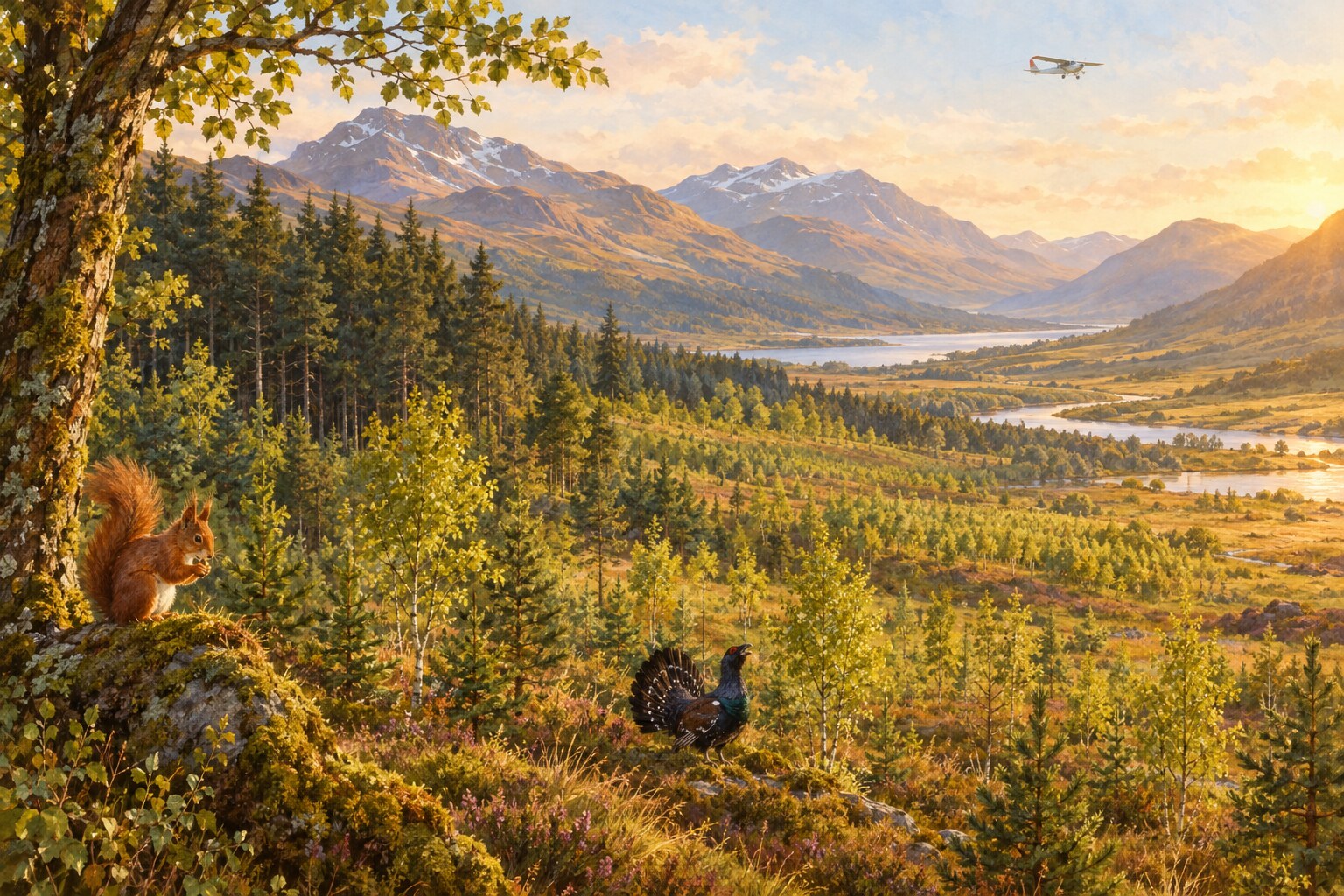
Rescued Sumatran orangutans recover in a forest rehabilitation setting. Chapter Eight

Five Orangutans Learning to Go Home

Five young orangutans are practicing climbing and finding food so they can return to the wild.

Read Bibi’s full telling

Orangutans are beautiful animals with orange fur and gentle eyes. They live in the rainforests. But sometimes baby orangutans lose their mothers, and they cannot survive alone. In a place called Bukit Tigapuluh, in Indonesia, there is a center where people take care of orphaned orangutans. Right now, five young orangutans are getting ready to go back to the wild. They are learning to climb trees. They are learning to find fruit and leaves to eat. They are learning how to build nests to sleep in, high up in the branches. It is like going to school, but the lessons are about being an orangutan. When they are ready, little one, they will be released near a national park where the forest is big and safe. They will climb their first real tree and feel the wind in their fur. Five orangutans going home.

Bibi asks

If you had to learn to live in the wild, what would be the hardest thing to learn?

The End · Told by Bibi
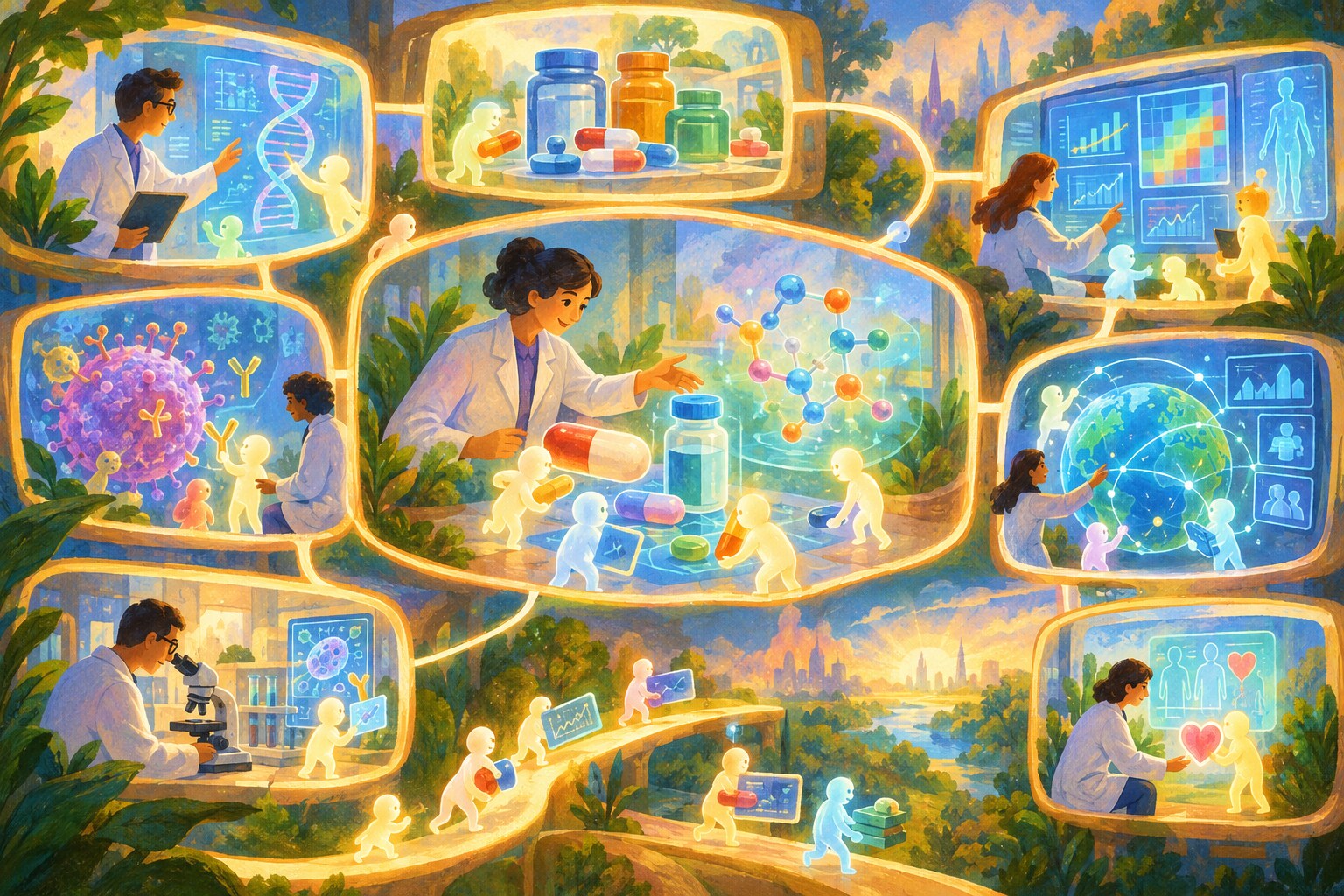
Solar panels shine on rooftops in a South Korean neighborhood. Chapter Nine

A Country Decides to Spend More on Clean Power

South Korea is planning to spend more money on solar power and other clean energy.

Read Bibi’s full telling

In a country called South Korea, the government decides how to spend its money each year. This year, they decided to spend more on clean energy. Clean energy is power that comes from the sun and the wind, not from burning things that make the air dirty. The new plan is to spend 25.7 trillion won. That is a very big number, little one. It is more than they spent last year by about 18 percent. A lot of that money will go to solar power, which means panels that turn sunlight into electricity. The government wants to make sure that more homes and buildings can use clean energy. They also want to help people who work in energy learn new skills for the future. It is like saving up your pocket money to buy something that will last a long time and help everyone.

Bibi asks

If your home could get its power from the sun or the wind, which would you choose and why?

The End · Told by Bibi
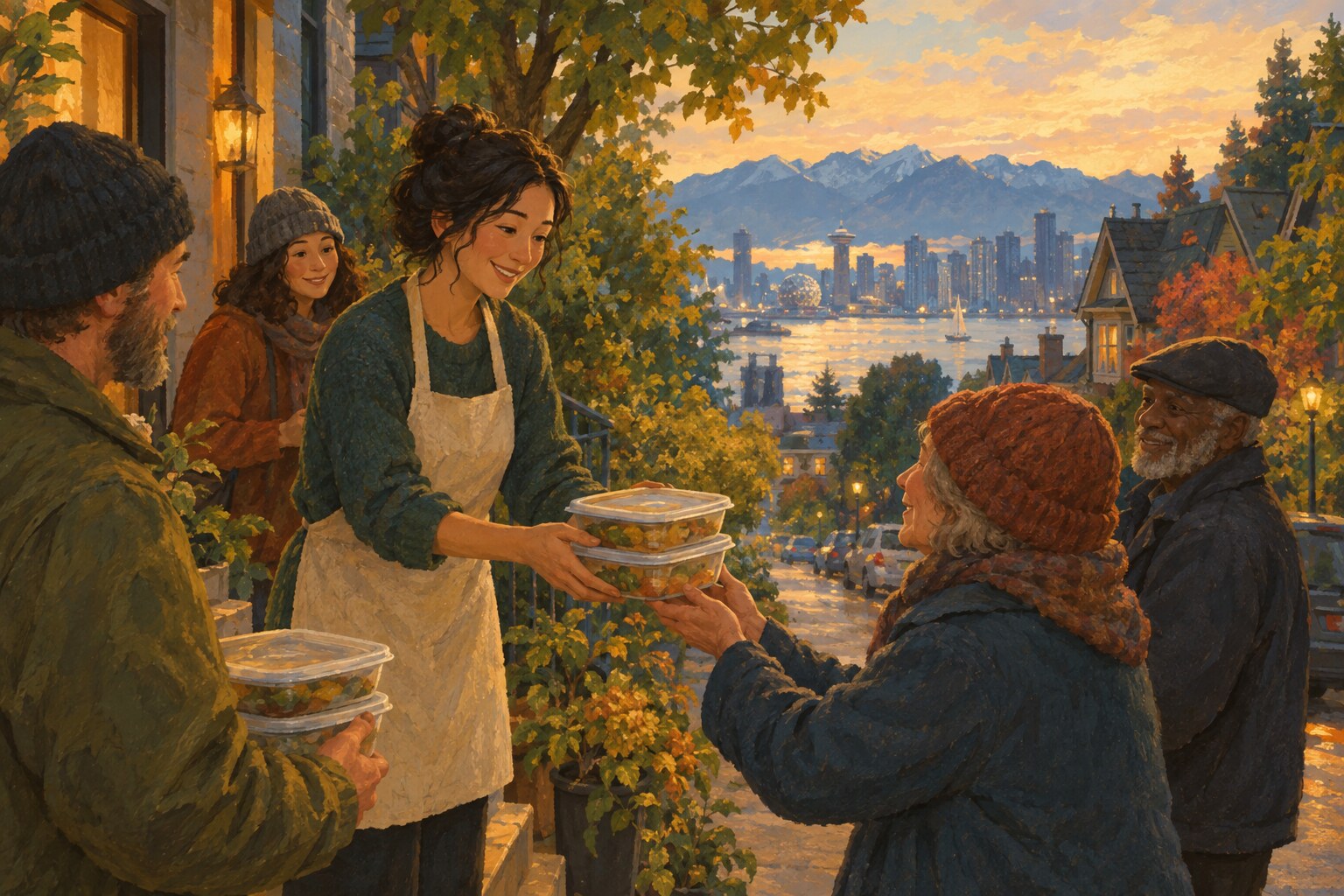
Students arrive at a welcoming public college campus. Chapter Ten

A New Law That Helps Students Stay in School

The Philippines made a new rule so more students can afford to keep learning.

Read Bibi’s full telling

In a country called the Philippines, many young people want to go to college. But sometimes it costs too much. Some students have to stop going to school because they cannot pay for the things they need. The government made a new law to help. The law says that students can get support for more things than before. If they need to do an internship, the law helps. If they need to pay for a license to start their job, the law helps. If they have a disability, the law gives them extra support. The law also helps students who come from families that do not have much money. It makes sure they can keep learning without having to worry so much about the cost. Every child deserves a chance to learn, little one. This new law is one way to make that more possible.

Bibi asks

If you could make one rule to help students stay in school, what would it be?

The End · Told by Bibi
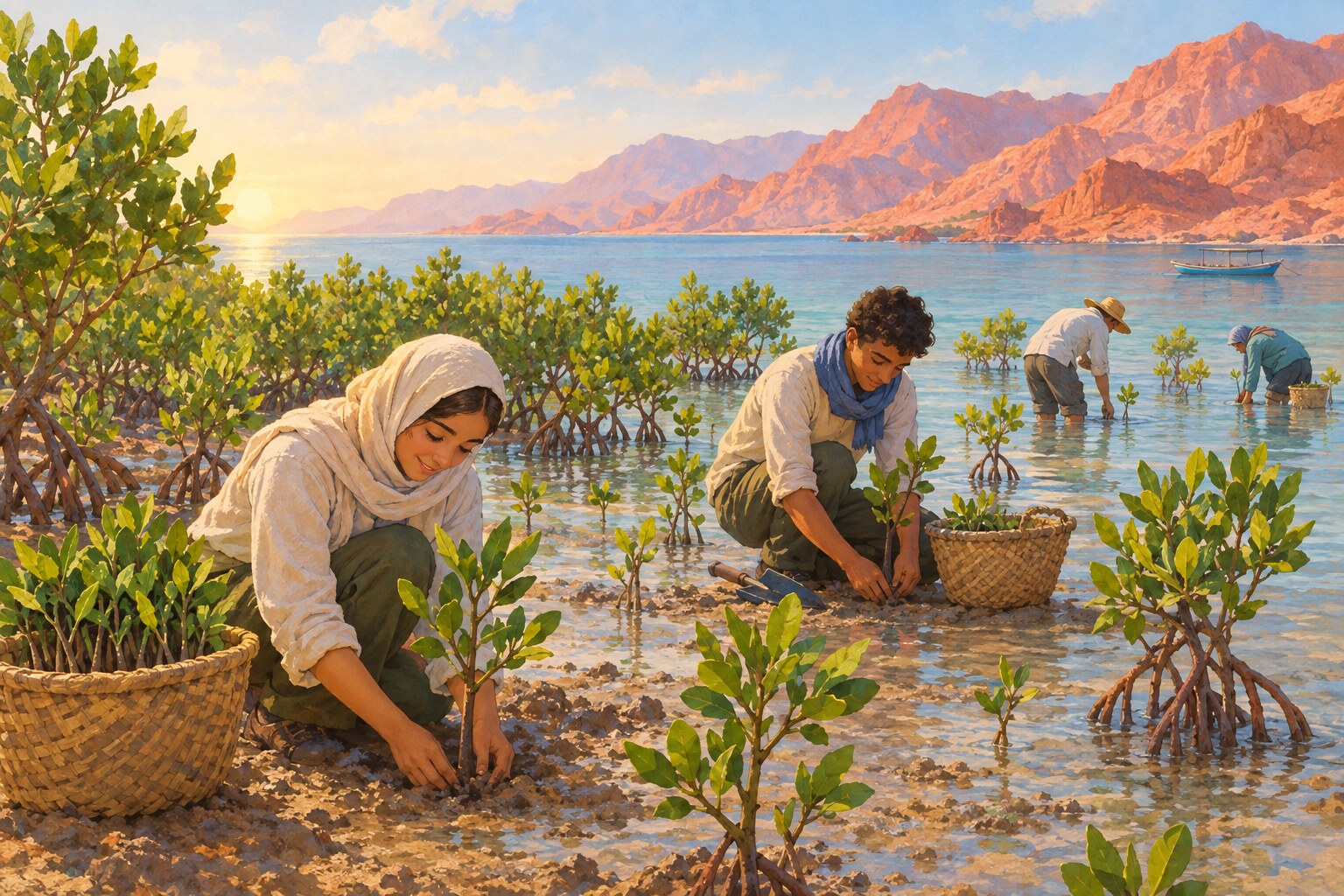
Book Twenty

Chapters 191–200

Researchers study a glowing blood vessel diagram during a medical research project. Chapter One

One Tiny Change in the Body

Doctors found a way to help the body fix itself, with just one treatment.

Read Bibi’s full telling

Inside your body, there is something called cholesterol. It is a kind of fat in your blood. Too much of it can make people sick, and some people cannot lower it with medicine. Doctors at a place called Cleveland Clinic tried something new. They used a very small tool to change one tiny part inside the liver. The liver is the organ that helps clean your blood. The change tells the liver to make less of the bad fat. They gave this treatment to 15 people, just one time each. For a whole year, the fat in their blood kept going down. The doctors were careful and watched them closely. No one got sick from the treatment. This is still very early, little one. It is not a medicine you can get yet. But the doctors are going to test it with more people to see if it can help them too.

Bibi asks

If one tiny change could help someone feel better for a whole year, what would you want it to fix?

The End · Told by Bibi
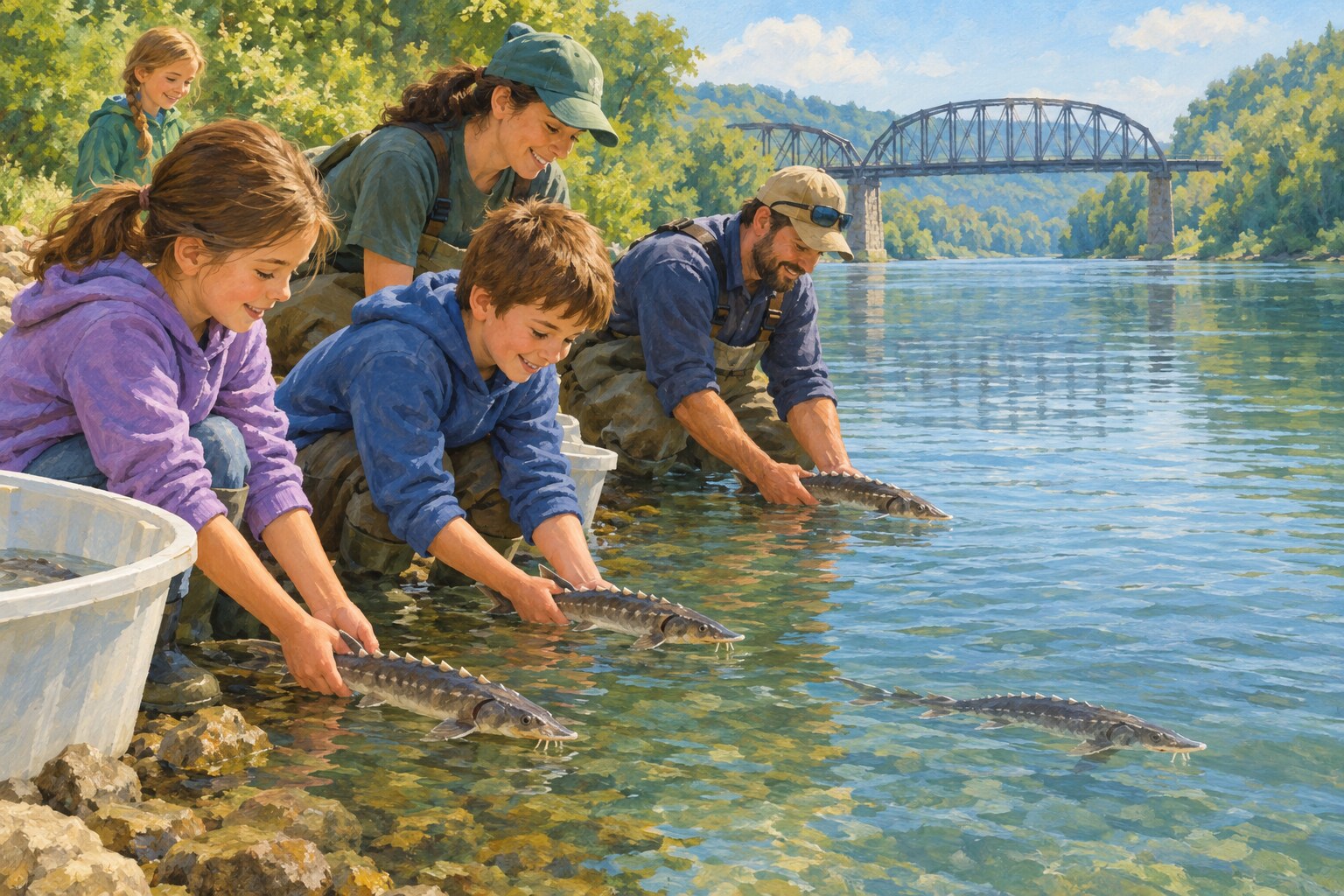
An ultrathin device shows magnetic field lines moving in several directions. Chapter Two

A Tiny Tool That Sees in Many Directions

Scientists made a very small device that can feel magnetic fields from more than one side.

Read Bibi’s full telling

There is something called a magnetic field, little one. You cannot see it, but it is all around. The Earth has one, and magnets have one too. Scientists use tools to feel these fields and learn about the world. For a long time, the tools could only feel the field from one direction at a time. If you wanted to feel it from two directions, you needed two tools. It was like needing two pairs of eyes to look left and right. Scientists at a place called Carnegie Mellon made something very small. It is only a few atoms thick. But this one tiny device can feel magnetic fields from more than one direction. It is like having one pair of eyes that can look left and right at the same time. They are still studying it to see if it can work in warm rooms, not just cold laboratories. If it can, it could make many things smaller and simpler.

Bibi asks

If you could see something invisible all around you, what would you want it to be?

The End · Told by Bibi
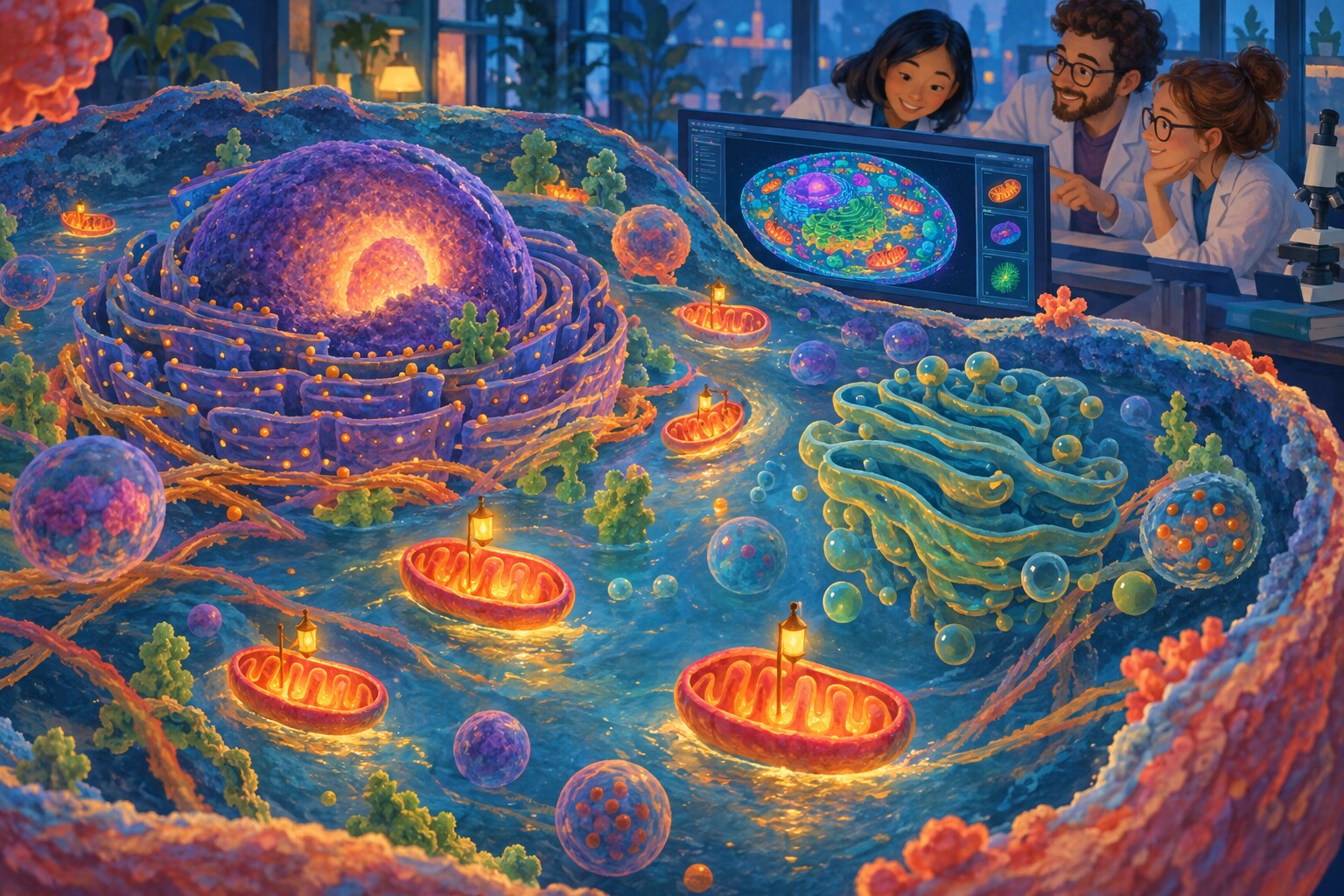
Workers and a community support worker gather school supplies for children. Chapter Three

The Company That Shared Its Good Luck

When a company and its workers raised money together, students who needed help got a hand up.

Read Bibi’s full telling

Bibi says, little one, in a city called Tainan, a company and its workers wanted to help students whose families did not have enough money. So they all worked together and raised a big amount of money, more than eight hundred thousand in their currency. The money will go to students who need it for school. The company and the workers did not have to do this. They chose to share because they remembered what it felt like to need a little help. When people who already have enough decide to share, good things spread. The students will get a chance to learn and grow, and the people who gave will feel warm in their hearts.

Bibi asks

If you had more than you needed, who would you share it with first?

The End · Told by Bibi
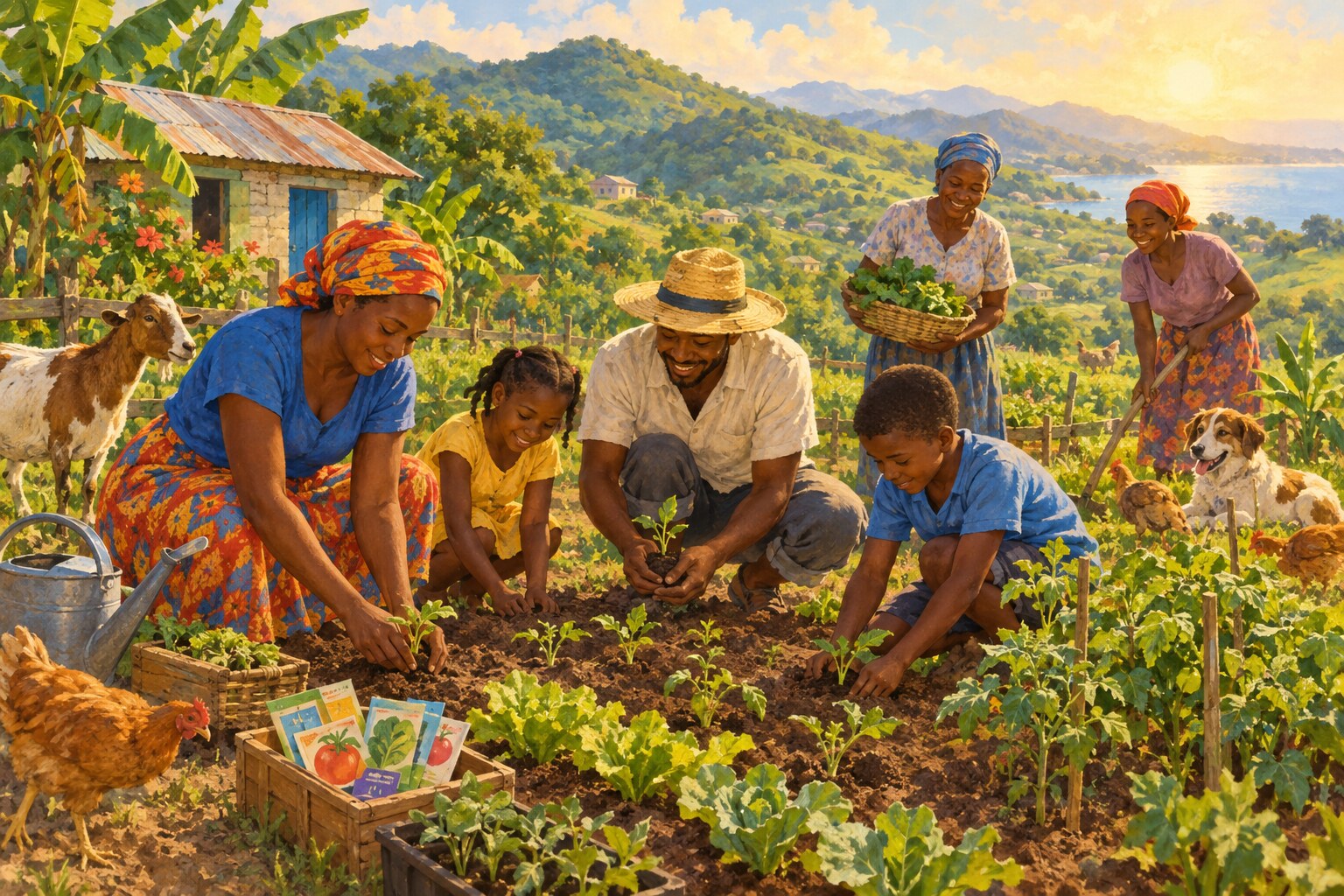
Homes with rooftop solar panels shine in the South Australian sun. Chapter Four

The Roofs That Powered a Whole State

On one sunny afternoon, the solar panels on people's roofs made almost all the electricity a whole state needed.

Read Bibi’s full telling

Bibi says, little one, in a place called South Australia, many people have put solar panels on their roofs. On a sunny winter afternoon, those panels made almost all the electricity the whole state needed. Nearly all of it, from the sun. That is a big deal. It means the sun on people's roofs was enough to power homes and schools and hospitals. And it means clean energy from the sun can do real work, not just a little bit. The more panels people put up, the less they need to burn things to make power. And that is better for the air and the planet, little one.

Bibi asks

If the sun on your roof could power your whole house, what would you do with the extra light?

The End · Told by Bibi
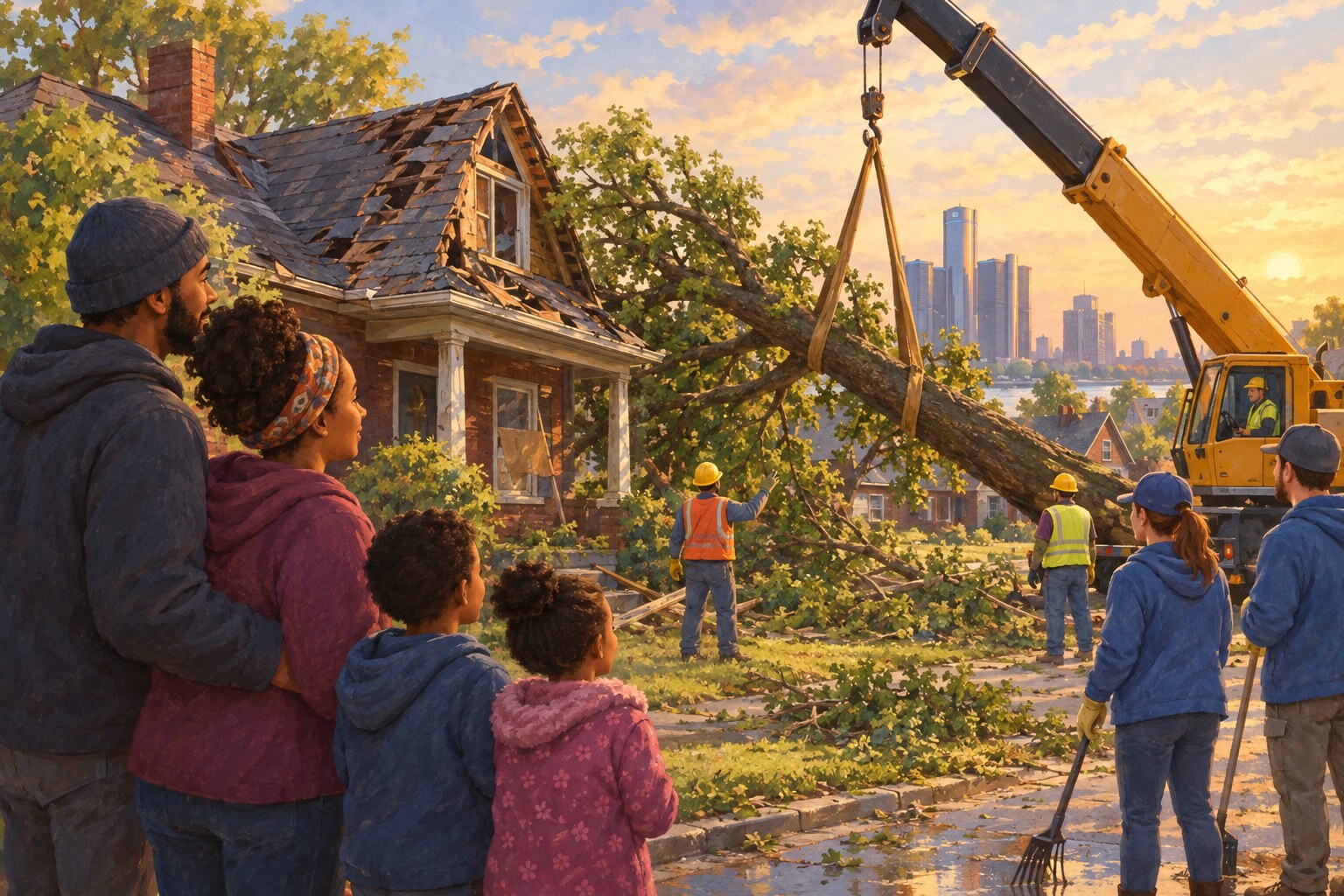
Five young flamingos take tiny steps beside adult flamingos in a sunny pond. Chapter Five

Five Fluffy New Friends at the Zoo

Five greater flamingo chicks hatched at a Thai zoo, and the caretakers are very happy.

Read Bibi’s full telling

Bibi says, little one, at a zoo in a city called Khon Kaen, in Thailand, five baby flamingos hatched. They are called greater flamingos, and they are fluffy and small and pink. The zoo caretakers and veterinarians watched over the eggs carefully. They made sure the parents had what they needed. When the chicks hatched, everyone was happy. Five new flamingo chicks are a big deal for the zoo. The chicks will grow bigger and stronger. One day they will stand on one leg just like their parents, tall and pink. For now, they are small and fluffy, and that is enough.

Bibi asks

If you could watch a baby animal grow up, which one would you choose?

The End · Told by Bibi
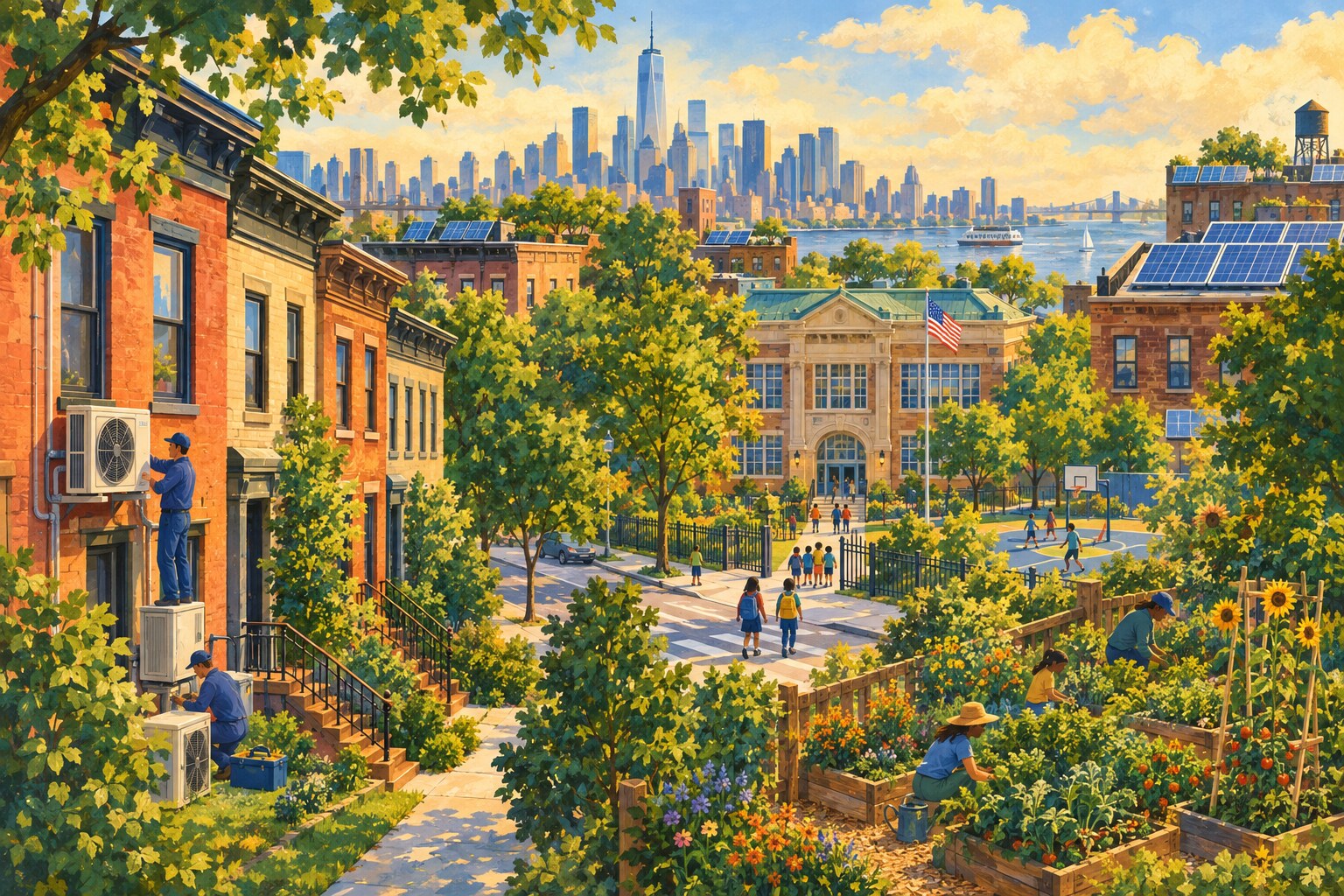
Neighbors use an umbrella and offer help to an older man on a sunny sidewalk. Chapter Six

The Stranger Who Stayed on the Hot Ground

An elderly man fell on hot pavement, and a stranger lay down beside him until help came.

Read Bibi’s full telling

Bibi says, little one, on a hot day in a place called Singapore, an old man fell down on the pavement. The ground was very hot from the sun. He could not get up by himself. A stranger saw him and did not walk away. He lay down on the hot ground next to the old man and shielded him with his body. He stayed there until an ambulance came. He did not know the old man. He just saw someone who needed help. Sometimes the bravest thing is not a big thing. It is just staying when everyone else walks by. That is what the stranger did.

Bibi asks

If you saw someone fall and could not get up, would you stay until help came, even if it was uncomfortable?

The End · Told by Bibi
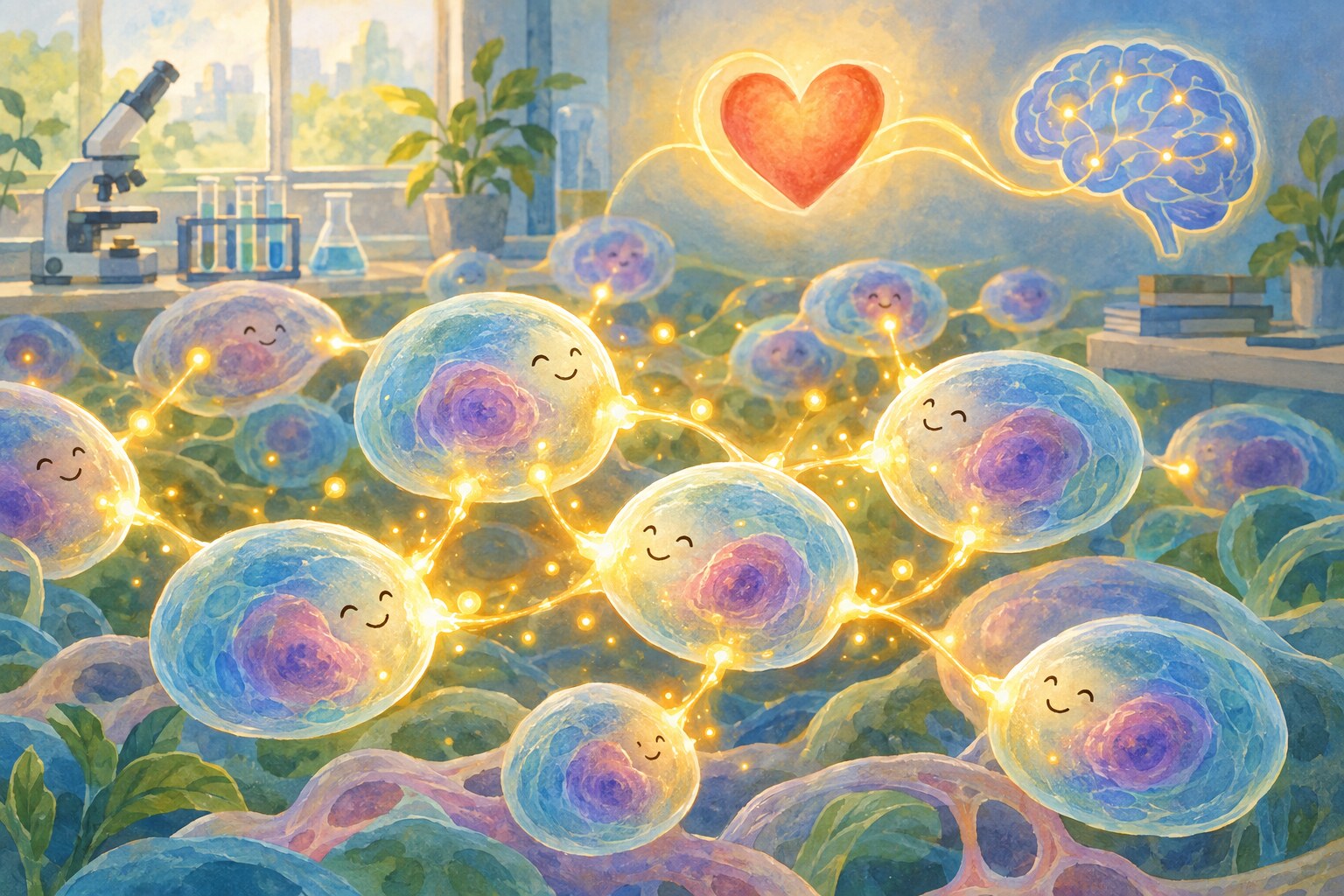
A restored wetland, young trees and wildflowers stretch toward a small town. Chapter Seven

The Big Plan to Bring Nature Back

Countries in Europe are making plans to restore forests, rivers, and wetlands so nature can heal.

Read Bibi’s full telling

Bibi says, little one, in Europe, many forests and rivers and wetlands have been hurt over a long time. The animals and plants that lived there have had a hard time. But now the countries of Europe are making plans to bring nature back. Each country wrote a plan for how to restore the land and water. They want to make the ecosystems strong again, so the animals and plants can come back and the land can help fight climate change. It is like when you plant a seed in a garden and wait for it to grow. Europe is planting many seeds, and in time, nature will grow back, little one.
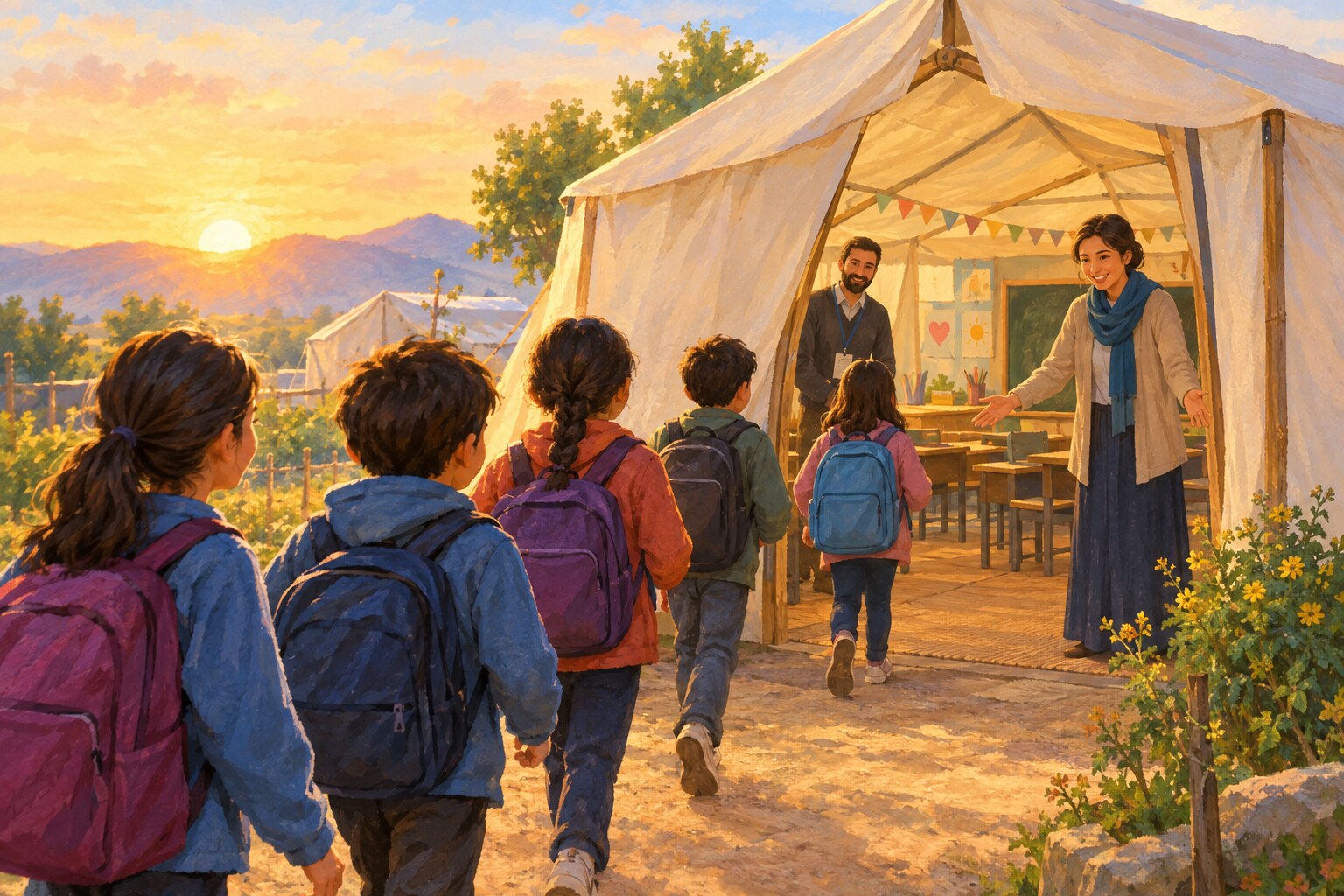
Bibi asks

If you could plant one thing to help nature come back, what would you plant?

The End · Told by Bibi
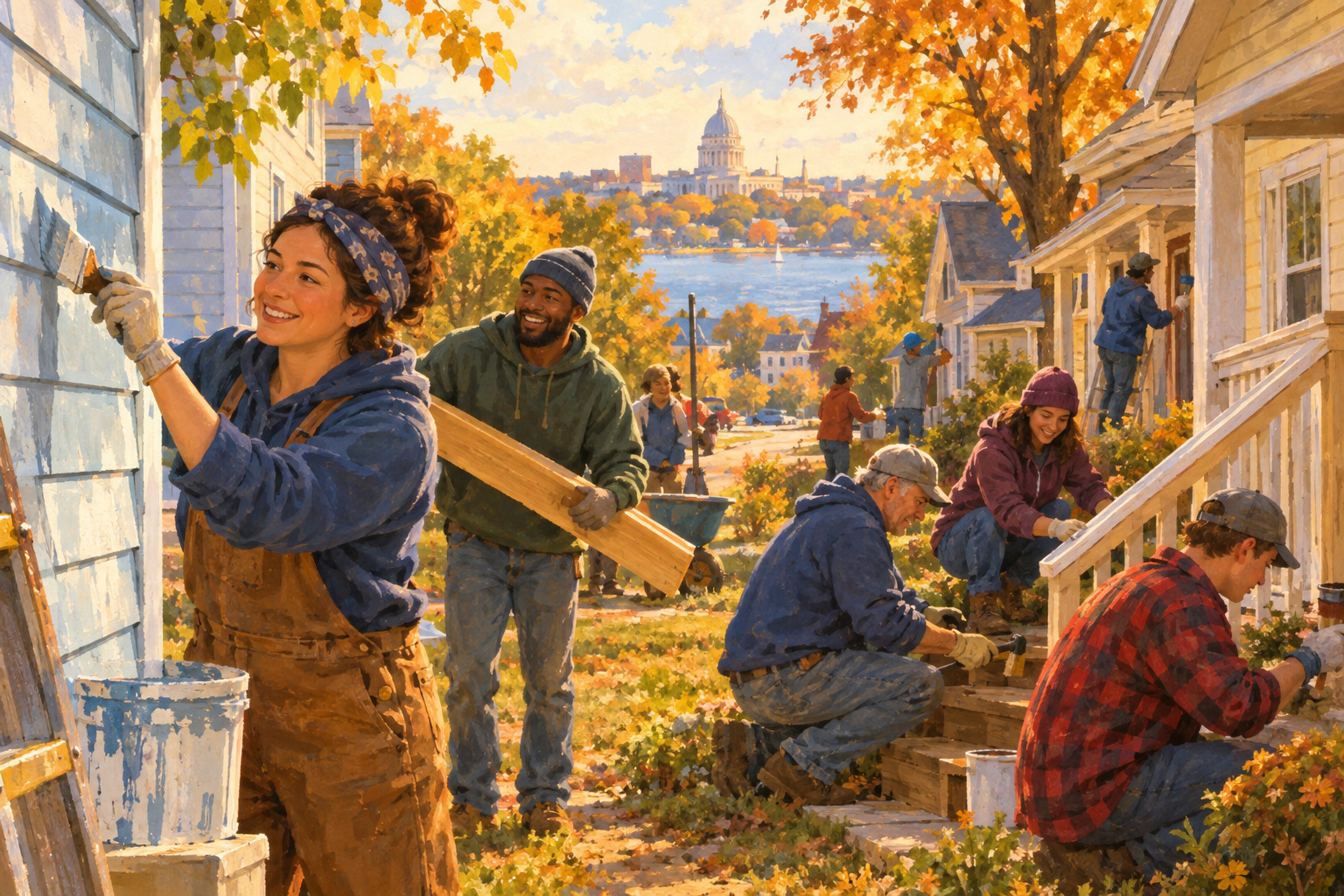
Young hardwood trees grow beside a Lower Mississippi wetland with wildlife nearby. Chapter Eight

New Trees and Clean Water Along the River

Nearly five million dollars will help plant trees and restore wetlands along the Lower Mississippi River.

Read Bibi’s full telling

Bibi says, little one, along a big river called the Mississippi, the land has been worn down. The forests and wetlands that used to clean the water and shelter the animals have been shrinking. But now, a group called the National Fish and Wildlife Foundation is giving nearly five million dollars to help. The money will pay for planting almost two million hardwood seedlings. It will restore wetlands so the water flows cleaner. It will help the birds and fish and animals that live along the river. When you plant a tree, you do something for the future, little one. The tree grows slowly, but it gives shade and shelter for a very long time.
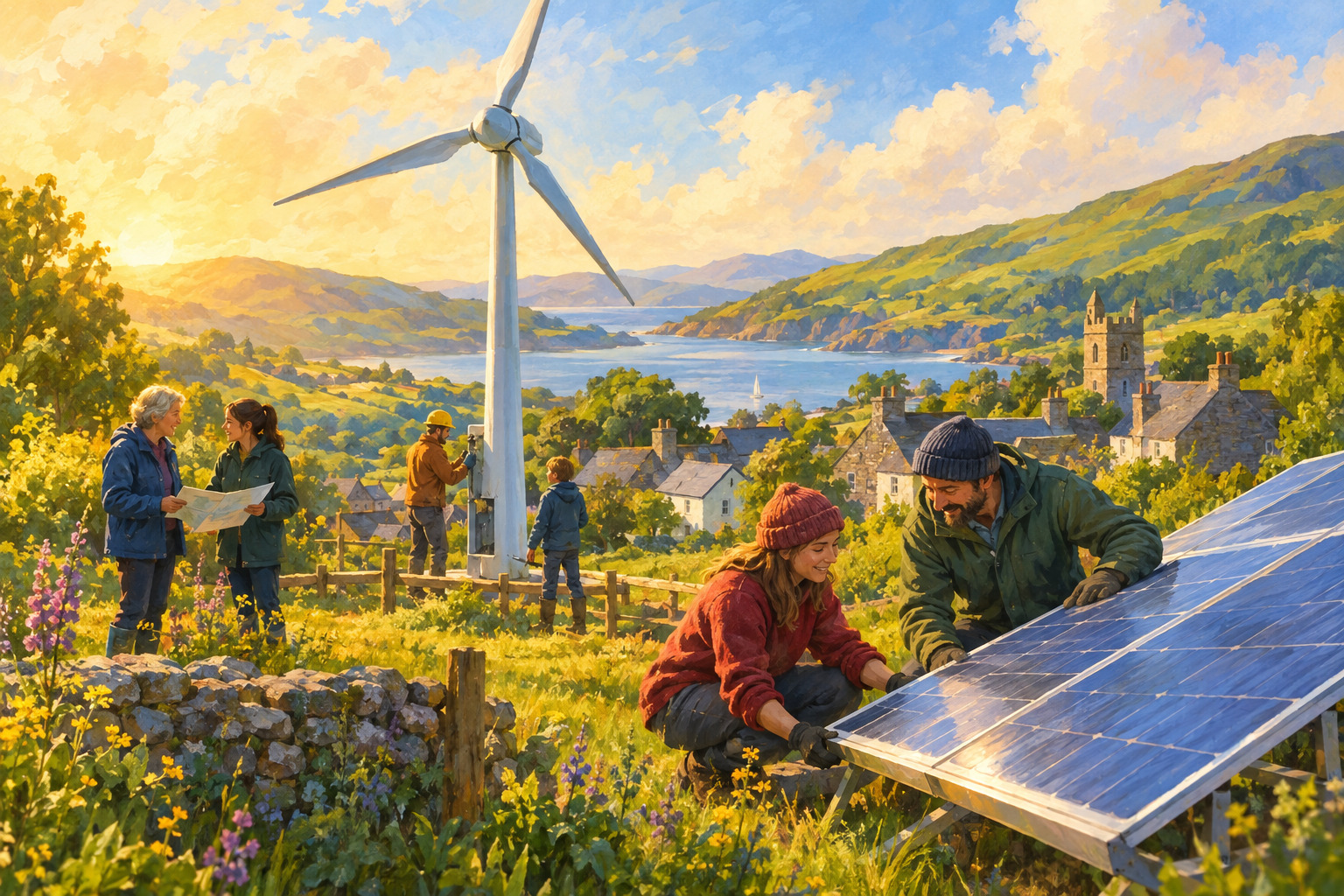
Bibi asks

If you planted a tree today that would grow for a hundred years, what kind of tree would you choose?

The End · Told by Bibi

A neighbor brings a meal and groceries to an older woman in a sunny apartment courtyard. Chapter Nine

The Neighbor Who Looked Up

Sometimes the person you hear through the ceiling just needs a friend.

Read Bibi’s full telling

There was a woman named Carole who lived upstairs. She was 85 years old and had an illness that made her body shake. She lived alone and tried to do everything herself. Downstairs lived a younger woman named Heidi. At first, Heidi only heard the sounds from above. Thump, shuffle, thump. She did not know what those sounds were. Then she learned that Carole was moving around her home, trying to manage on her own. Heidi did something simple, little one. She started taking out Carole's trash. She cooked a meal once a week. She sat and spent time with her. They became friends. When people heard the story, they wanted to help too. Soon there was a fundraiser, and it collected almost $75,000. People brought groceries and offered to clean and visit. All because one person looked up and chose to care.

Bibi asks

Who lives near you that you could look up and get to know?

The End · Told by Bibi

Humanitarian workers deliver food and water filters beside a community center in Nepal. Chapter Ten

Boxes of Help Across the World

When floods washed everything away, people far away sent food and clean water.

Read Bibi’s full telling

In a country called Nepal, heavy rains came and water covered the land. Homes and farms were washed away. People lost their food and their clean water. Far away, in a country called Singapore, people at the Red Cross heard about it. They wanted to help. They collected money and sent it to Nepal. With the money, they bought rice and lentils for 2,500 families. That is a lot of meals, little one. They also sent 183 water filters. Each filter can make clean water for 200 people. Clean water is one of the most important things in the world. The people in Singapore gave more than $3 million altogether. The Nepal Red Cross teams brought blankets, food, and supplies to the families who needed them. People they will never meet, helping each other across the whole world.

Bibi asks

If you could send one box of help to someone far away, what would you put inside it?

The End · Told by Bibi

Book Nineteen

Chapters 181–190

Children and educators begin learning and playing at a new public preschool. Chapter One

A New Place to Learn and Play

Two new schools opened where young children can learn and play for free, right before they start big school.

Read Bibi’s full telling

Little one, in a town called Queanbeyan in Australia, two new preschools opened. Preschool is a place where young children go to learn, play, and make friends before they start big school. The new preschools are free, which means families do not have to pay. Each preschool can welcome up to 80 children every week. They have two learning rooms and outdoor places to play. Kind teachers help the children learn through playing. These are the fourth and fifth new preschools in a plan to build 100 of them across the state. More are being built in nearby towns too. For families, it means the first step into school is a little easier.

Bibi asks

If you were starting school for the very first time, what would you want to play with first?

The End · Told by Bibi

A volunteer and an older woman stand beside a donated washing machine. Chapter Two

The Washing Machine That Found Its Way Home

One volunteer noticed something a meal could not fix, and a chain of kindness followed.

Read Bibi’s full telling

Bibi says, little one, there was a woman named Miss D who could not leave her bed. A kind volunteer named Toni brought her meals every week. One day Toni noticed that Miss D had no working washing machine, and she could not afford a new one. Toni did not shrug and walk away. She called her brother Mark, who knows about machines. He looked at the broken washer and said it could not be fixed. Then he called a man named Timm who owns an appliance shop. Timm gave them a brand new washing machine for free. So one volunteer, one brother, and one shop owner all worked together. Miss D got her washing machine back. It all started because Toni paid attention.

Bibi asks

If you noticed someone needed something you could not give alone, who would you ask to help?

The End · Told by Bibi

A young American chestnut tree grows in a sunlit forest. Chapter Three

The Tree That Learned to Be Brave

A tree that once filled the forests is getting a chance to come back, one careful step at a time.

Read Bibi’s full telling

Bibi says, little one, long ago the American chestnut was one of the biggest and most important trees in the eastern forests. Then a sickness called blight came and killed almost all of them. The forests grew quieter without the chestnut trees. Scientists at a university worked for a long time to make a chestnut tree that could survive the blight. They called it Darling 54. After many years of study, a government office said the tree is safe and no longer needs special rules. This does not mean the forests will fill up with chestnuts tomorrow. But it means the scientists can keep studying and planting, and the brave little tree gets its chance to grow.

Bibi asks

If something you loved was almost gone forever, how long would you keep trying to bring it back?

The End · Told by Bibi

Children learn in a bright temporary classroom with school supplies nearby. Chapter Four

The Classroom That Would Not Give Up

Even when things are very hard, children found a place to keep learning.

Read Bibi’s full telling

Bibi says, little one, in a place called Gaza, many children had to leave their homes because of war. Their schools were damaged or closed. But some helpers did not want the children to stop learning. A group called Qatar Charity brought school bags and books and learning packs. They set up temporary classrooms with whiteboards and cleaning supplies. They brought meals so the children could eat while they learned. About twenty-four thousand students and teachers got help. The helpers are still working. They want more children to have a safe place to sit and read and learn. Even when the world is hard, little one, people find a way to keep school alive.

Bibi asks

If your school had to close, what would you miss most about it, and who might help you learn again?

The End · Told by Bibi

A glowing living cell is viewed through a microscope with tiny nanoantennas nearby. Chapter Five

The Tiny Lights Inside Us

Scientists found a way to make the tiny signals in our cells glow brighter, so we can see what is happening inside.

Read Bibi’s full telling

Bibi says, little one, inside every part of your body there are tiny things called cells. Some cells, like the ones in your brain, send little electrical signals to each other. It is how your body talks to itself. Scientists in a city called Delft wanted to see those signals better. They made tiny shapes called nanoantennas, small enough to sit next to a single cell. When they placed the nanoantennas close to the cells, the signals grew brighter and faster, and the cells stayed alive. Now scientists have a new tool to watch how cells talk to each other. It is like putting on a better pair of glasses to see something that was always there but too faint to notice.

Bibi asks

If you could see something happening inside your body that nobody has ever seen before, what would you want to look at?

The End · Told by Bibi

A clinician and patient examine a detailed 3D scan of a hand joint. Chapter Six

The Pictures That See Inside Your Joints

A new kind of scan helps doctors tell the difference between tiny harmless changes and real damage in your joints.

Read Bibi’s full telling

Bibi says, little one, some people have a sickness called rheumatoid arthritis that makes their joints hurt and swell. Doctors want to catch it early, before the joints get damaged. But sometimes tiny changes in the bones are harmless, and doctors were not always sure which ones to worry about. In a city called Hong Kong, doctors used a special kind of scan that takes very detailed pictures of the joints. They studied patients for eight years. They learned how to tell the harmless changes from the ones that mean real damage. Now doctors can decide sooner when a person needs help. They can see inside the joint like never before, and that means people can get the right care before things get worse.

Bibi asks

If a doctor could take a picture inside your body to help you stay healthy, what would you want them to check?

The End · Told by Bibi

A meeting table with maps and notebooks represents careful peace talks. Chapter Seven

The Long Road to Talking Instead of Fighting

Two sides that were fighting agreed on steps to talk and find peace.

Read Bibi’s full telling

Bibi says, little one, in a country called Congo, two groups have been fighting for a long time. That is sad, because when people fight, everyone gets hurt. But something hopeful happened. The two sides agreed on a plan for how to talk to each other. They did not stop fighting yet. But they agreed on the steps they will take to get to peace talks. They agreed on how to check if the ceasefire is working. This is like when two friends who are angry decide to sit down and talk. It takes courage to stop fighting and start talking. The road is long, but the first step is the hardest, and they took it.

Bibi asks

What is harder to do, to keep being angry, or to sit down and talk instead?

The End · Told by Bibi

A clinician and patient discuss a minimally invasive breast surgery option. Chapter Eight

A Gentler Way to Help People Heal

Doctors in Ohio used a robotic tool to do a surgery that is gentler on the body.

Read Bibi’s full telling

Bibi says, little one, sometimes people get very sick and doctors need to do surgery to help them. In a hospital called Cleveland Clinic, in Ohio, doctors did a new kind of surgery for the first time in their state. They used a robotic tool to help with the surgery. The robot does not do it alone. The doctors control it. But the robot's arms can reach places that are hard for human hands. And this way of doing surgery is gentler on the body. When surgery is gentler, people can heal faster and feel less pain. That is good news for anyone who needs this kind of help.

Bibi asks

If a robot could help a doctor heal someone you love, would you want it to help?

The End · Told by Bibi

An astronomer studies colored light from a glowing spiral galaxy. Chapter Nine

Reading the Stars Like a Book

Astronomers found new chemical clues that help them understand how galaxies change over time.

Read Bibi’s full telling

Bibi says, little one, a galaxy is a huge family of stars, far far away. Scientists called astronomers study galaxies to understand how they grow and change. It is like reading a very old book written in light. At a university called Ohio State, astronomers found new clues. They studied more than seven hundred lines of light that come from a metal called manganese. These lines tell them about the stars and how the galaxy has been changing. Every new clue is like finding a new word in the book. The more words you find, the better you understand the story. And the story of the galaxies is very very old, little one.

Bibi asks

If you could read a story written in starlight, what would you want it to tell you?

The End · Told by Bibi

A teacher, parent and child look together at a welcoming classroom map. Chapter Ten

A Clearer Path for Every Child Who Needs Help

Scotland made a plan so that every child who needs extra help in school can get it, no matter where they live.

Read Bibi’s full telling

Bibi says, little one, some children need extra help in school. Maybe they learn in a different way, or maybe they need more time. In a country called Scotland, the government made a plan so that all children who need extra help can get it. The plan is called a route map. It means that no matter where a child lives in Scotland, the help will be there. The teachers will know what to do. The schools will know how to support the child. Every child deserves to learn, little one. And every child deserves help when they need it. That is what the route map is about.

Bibi asks

If you needed extra help to learn something, would you ask for it, or would you try alone first?

The End · Told by Bibi

Book Eighteen

Chapters 171–180

Tiny soft robots leaping across different outdoor surfaces. Chapter One

The Little Robots That Jump

Scientists made tiny soft robots that can jump again and again all by themselves when light shines on them.

Read Bibi’s full telling

Little one, scientists at a university made tiny robots out of soft material. The robots are shaped like little teardrops. When a special kind of light shines on them, the robots twist, store up energy, and then jump. The amazing part is that they go back to their shape on their own, so they can jump again and again. The scientists can change one small part of the robot to make it crawl, jump forward, or leap straight up. In tests, the robots hopped across grass, sand, rocks, and even water. The robots are not finished yet. But the scientists say that one day, robots like these could help explore places where wheels do not work well. It is a small idea with a big future.

Bibi asks

If you could build a tiny robot that jumps, where would you want it to explore?

The End · Told by Bibi

A stranger sends practical help to a mother and her children after a fire. Chapter Two

Help From Far Away

A family lost their home to a fire, and someone they had never met decided to help.

Read Bibi’s full telling

Little one, a mother named Nina and her three children had to leave their apartment because of a fire. They were staying in a hotel while they waited for their home to be fixed. A man named Scott saw their story on television. He wanted to help, even though he had never met Nina or her children. He got in touch with the news station, and they connected him to the family. Scott gave Nina money to help pay for food and school costs. Nina and Scott have still never met in person. But his kindness arrived at just the right time, when everyday things had become very hard to manage.

Bibi asks

If you heard about someone who needed help, could you find a way to help, even from far away?

The End · Told by Bibi

Researchers study engineered RNA and a model of healthy lung cells. Chapter Three

Reading Past the Stop Sign

Scientists found a way to help cells finish reading important instructions they used to stop too early.

Read Bibi’s full telling

Little one, inside every part of your body there are tiny instructions that tell cells how to build things. Sometimes those instructions have a stop sign in the wrong place, and the cell stops building too early. This can make people sick. Scientists at a university found a way to help cells read past that stop sign. They used a tiny piece of RNA, which is like a small tool that helps cells read instructions. With this tool, the cell could build the full thing it was supposed to make. The scientists tested this in the lab with cells from people who have an illness called cystic fibrosis. It is still early, and there is more work to do before it could become a medicine. But it gives scientists a new way to try to help.

Bibi asks

If you found a stop sign in the wrong place, would you try to find a way around it?

The End · Told by Bibi

People work together on water and land restoration in a dry landscape. Chapter Four

Saving Water Before the Dry Comes

Countries around the world are working together to help places that are running out of water.

Read Bibi’s full telling

Little one, in some parts of the world, the land gets very dry and there is not enough water for people, animals, and plants. This is called a drought. When a drought lasts a long time, it is very hard for everyone who lives there. Now countries around the world have started a new plan to help. They want to raise money to build things like water reservoirs, plant trees, and fix the land so it can hold more water. The plan will help about 70 countries that need it most. The plan is big, but it will only work if the money actually reaches the people who need it. The people in charge say they will keep working on this until the help gets to where it is needed.

Bibi asks

If you knew the dry season was coming, what would you save up to help your family get through it?

The End · Told by Bibi

A public-health team works with a community in Uganda after an Ebola outbreak ends. Chapter Five

The Waiting That Worked

Health workers in Uganda watched and waited for 42 days, and the sickness stopped spreading.

Read Bibi’s full telling

Little one, in a country called Uganda, a sickness called Ebola made some people ill. It is a dangerous sickness, and health workers had to be very careful to stop it from spreading. The health workers found everyone who had been near a sick person and watched over them. They helped the sick people get better. They talked to families and taught them how to stay safe. After 42 days with no new sick people, Uganda said the outbreak was over. The sickness is still making people ill in a nearby country. The health workers say they will keep watching and working together so the sickness does not spread again.

Bibi asks

If you had to wait 42 days to make sure something was safe, would you be patient enough to wait?

The End · Told by Bibi

A small prototype turns heat into a cooling effect in a research lab. Chapter Six

Cooling With Heat

Scientists made a tiny machine that uses heat to make things cold, instead of using electricity.

Read Bibi’s full telling

Little one, when it is hot outside, we usually use electricity to make things cool. But scientists in Germany and Japan had a clever idea. What if you could use heat to make things cold instead? They built a small machine out of two thin films. When heat touches one film, it moves, and that movement helps the other film create a cooling effect. It is like a tiny fan that runs on warmth instead of electricity. The machine is still very small and not ready to use in a real building. But the scientists think that one day, heat from the sun or from other machines could help keep buildings and computers cool. It is a small idea with a big future.

Bibi asks

If you could use something you usually throw away to make something useful, what would you make?

The End · Told by Bibi

An older resident gives a thank-you letter to a community worker who helped him. Chapter Seven

The Long Walk to Say Thank You

A man who was helped by a kind worker walked all the way back, just to say thank you.

Read Bibi’s full telling

Little one, there was a man named Yang who lived alone and found it hard to get around. One day a community worker named Joo helped him. She listened carefully and helped him understand what kind of support he could get while he was getting care for his lungs. Yang wanted to say thank you. Even though it was very hot outside and he needed a cane to walk, he traveled all the way to the office where Joo worked. He brought a handwritten letter that said her help had given him comfort and strength. The office said it will keep working to help older people and families who are going through hard times. Sometimes the smallest kindness can travel a long way back.

Bibi asks

If someone helped you when you needed it, how far would you go to say thank you?

The End · Told by Bibi

A restored lake shoreline with healthy fish habitat and a community caring for the water. Chapter Eight

The Bay That Got Better

A lake that was dirty for almost 40 years is clean again, because people worked together for a very long time.

Read Bibi’s full telling

Little one, there is a bay called Nipigon Bay on a very big lake called Lake Superior. For a long time, the water was dirty because of waste from factories and towns. The fish could not live well there, and the plants along the shore were gone. But people decided to fix it. They cleaned the water, made better rules about waste, and brought back the wetlands and the places where fish lay their eggs. They worked on it for almost 40 years. Now the bay is healthy again. The fish are coming back, and the water is clean. The people who live nearby, including the Red Rock Indian Band, say they will keep caring for the bay even though the hard work is done.

Bibi asks

If a place near you was broken, would you be patient enough to fix it, even if it took many years?

The End · Told by Bibi

Wind and solar power flow into systems that store clean energy for later use. Chapter Nine

Saving Power for a Rainy Day

A country is trying to save extra electricity from the wind and sun, so it can be used later when there is no wind or sun.

Read Bibi’s full telling

Little one, the wind and the sun can make electricity for us. But sometimes the wind stops and the sun goes down, and then we need another way to keep the lights on. A country called the United Kingdom is giving money to scientists to figure out how to save electricity for a very long time, more than four days. They want to use big batteries and store energy underground as hydrogen gas. The idea is to save up extra power when it is windy and sunny, and use it later when we need it. It is still being tested, but one day it could help keep homes warm and bright even when the weather is quiet.

Bibi asks

If you could save something good for later, like sunshine or a kind word, what would you save?

The End · Told by Bibi

Researchers study how different diets affect liver and metabolic health. Chapter Ten

The Food That Helped the Liver

Scientists found that eating differently could help people's livers get healthier, not just help them lose weight.

Read Bibi’s full telling

Little one, your liver is a part inside your body that helps keep you healthy. Sometimes, if a person eats too much of the wrong things, the liver can get sick. Scientists did a study where they asked people to try different ways of eating for five months. Some people ate very few foods with sugar and bread. Others ate mostly plants, or ate a Mediterranean diet with lots of olive oil and fish. All the people got healthier and lost weight. But the people who ate very few sugary foods had an extra benefit. Their livers got much healthier too. The scientists say they still have more to learn, but it is good news for people whose livers need help.

Bibi asks

If you found out a certain food could make a part of your body healthier, would you try eating it?

The End · Told by Bibi

Book Seventeen

Chapters 161–170

Researchers study a glowing quantum computer chip that reveals hidden properties of matter. Chapter One

A New Way to Look at Very Small Things

Scientists found a way to use a quantum computer to study matter that changes and interacts with its surroundings.

Read Bibi’s full telling

Everything around you is made of tiny particles, so small that you cannot see them even with a microscope. Scientists have always wanted to understand these particles better, because they hold the secrets of how everything works. Now, some researchers from a university called Queen Mary in London have found a new way to study these tiny particles. They used a quantum computer, which is a special kind of computer that works using the rules of the very small. Before this, scientists could only study particles that were still and separate. But in real life, particles are always moving and bumping into each other. The new method lets scientists study particles even when they are changing and interacting. This is a tool, not a finished product. But it could help scientists discover new materials and medicines, because they can study how tiny things behave before they build them.

Bibi asks

If you could look at something too small to see, what would you want to look at and why?

The End · Told by Bibi
Conservation workers protect a New Zealand forest where native plants and birds are recovering. Chapter Two

Giving the Forest Time to Heal

New Zealand will spend four years protecting its native forests from animals that eat the plants.

Read Bibi’s full telling

In New Zealand, there are beautiful forests full of plants and birds that live nowhere else in the world. But some animals, like wild goats and deer, do not belong there. They were brought by people long ago, and now they eat the native plants faster than the plants can grow back. The government of New Zealand has decided to spend nine point seven million dollars over four years to protect the forests. Workers will find the areas where the animals do the most damage and keep them away. The forests they are protecting have special names, like Fiordland and Kahurangi. They are places where ancient ferns and rare birds live. When the animals are kept away, the plants can grow back, and the birds and insects that depend on those plants can come back too. Sometimes the best thing we can do for nature is to give it time and space to heal.

Bibi asks

If an animal was eating the plants in a forest near your home, what would you do to help the forest grow back?

The End · Told by Bibi

Volunteers packing food boxes at a Baton Rouge food bank. Chapter Three

The Morning They Gave Away

Some workers chose to spend their morning packing food for neighbors who needed it.

Read Bibi’s full telling

In a city called Baton Rouge, there is a place called a food bank. A food bank collects food and gives it to people who do not have enough to eat. One morning, a group of workers from a company decided to spend their day there instead of at their office. They built boxes, filled them with food, and organized everything on the shelves. It was part of something they called Community Day, a day when workers help their neighborhood. A food box is a simple thing. But for someone who is trying to feed a family, it can make a real difference. One of the workers said that food, child care, and transportation all affect whether people can get the care they need to stay healthy. They did not have to do it. They chose to. And that is what made it special.

Bibi asks

If you had a free morning and could help one person, what would you do with your time?

The End · Told by Bibi

Community members and health workers planning a child-health program together. Chapter Four

Four Towns Trying Something New for Children

Four communities will spend two years finding ways to help children grow up healthier.

Read Bibi’s full telling

There are four places in America that are going to try something new. They are called Lake County, Sandusky and Toledo, Brownsville, and Petersburg. They are all different, but they share one wish: they want children to grow up healthier. The government is giving them thirty-two million dollars over two years to try out ideas. Each community will work with parents, teachers, doctors, and local leaders to decide what their town needs most. One of the first things they will focus on is better food for children. They will also look at the whole neighborhood to see what is helping and what is not. That way, they can learn as they go and change things that are not working. The people who live there know their town better than anyone. That is why this program asks them to help lead the way.

Bibi asks

What is one thing in your neighborhood that could make children healthier if people worked on it together?

The End · Told by Bibi

Scientists beginning an underground search for dark matter. Chapter Five

Looking for Something Invisible

Scientists have started searching deep underground for dark matter, a mysterious thing that makes up most of the universe.

Read Bibi’s full telling

There is something in the universe that we cannot see. Scientists call it dark matter. It does not give off light. It does not reflect light. But it is there, because it pulls on things with gravity. In fact, most of the matter in the universe is dark matter. Now, a team of scientists has started looking for it. They have gone deep underground, into a mine in Canada, because the rocks above them block out other signals that could confuse their instruments. They have special crystals that are kept colder than outer space. If a dark matter particle bumps into a crystal, it would leave a tiny signal. The scientists are now collecting their first data. They have not found dark matter yet. But they have started looking, and that is how every great discovery begins.

Bibi asks

If there is something all around us that we cannot see, how would you try to find it?

The End · Told by Bibi

Families collecting clean water near a solar-powered station in South Sudan. Chapter Six

Water From the Sun

Solar-powered water stations are bringing clean drinking water to more than 84,000 people in South Sudan.

Read Bibi’s full telling

In a country called South Sudan, many people live far from cities, and it can be hard to get clean water. Families sometimes have to walk a long way to find water that is safe to drink. But now, twenty-eight new water stations have been built. They use sunlight to make electricity, and that electricity pumps clean water from deep underground. Each station serves more than three thousand people. The stations were built with help from Egypt, and they are in rural areas where people need them most. The wider program also includes dams to catch rainwater and tools to measure water levels. For the families who live nearby, the most important thing is simple: clean water, close to home, that they can count on every day.

Bibi asks

What would it be like if the nearest clean water was very far away, and how would you feel when it finally came close?

The End · Told by Bibi

A child stays beside an older neighbor while help is called. Chapter Seven

The Boy Who Stayed

A boy on his bike saw someone who needed help, and he chose not to ride away.

Read Bibi’s full telling

Little one, a boy named Tucker was riding his bike one day when he saw an older man who did not look well. The man was having trouble, and Tucker could have kept riding. But he stopped. He stayed with the man and helped him walk. He asked someone to call for help, and he did not leave until the helpers came. The police officer who arrived noticed that Tucker's bike was old and too small for him. So the police department decided to surprise Tucker with a brand new bicycle. He rode it home that same day. The older man went to the hospital and got better. Tucker says he hopes people will remember to look out for others who might need a hand.

Bibi asks

If someone near you looked like they needed help, would you stop, even if you were in a hurry?

The End · Told by Bibi
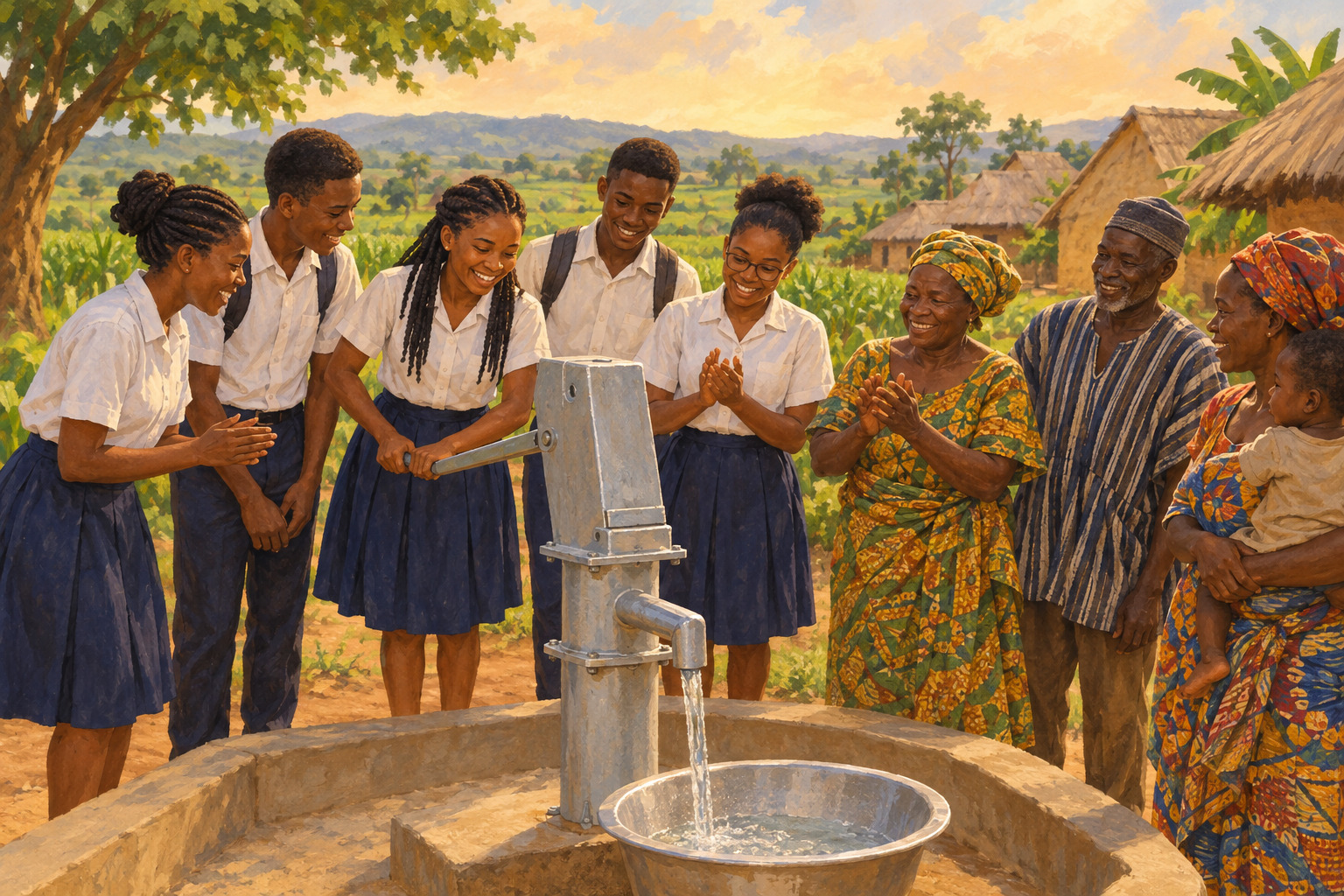
Children learning together in a welcoming classroom in Sudan. Chapter Eight

A Classroom Opens Again

Children who lost their schools to trouble are getting a chance to learn again.

Read Bibi’s full telling

Little one, in a country called Sudan, many children have not been able to go to school because of fighting and trouble. But now a big new program is helping 200,000 children go back to learning. The program will last three years. It will help children who had to leave their homes, refugee children, and children with disabilities. Many of the children will be girls. The program will build safe places to learn, train teachers, and give out books and learning materials. For children who have lived through hard times, a classroom can be more than a place to study. It can be a place where they feel safe, meet kind adults, and start to feel like themselves again.

Bibi asks

If your school had to close for a long time, what would it feel like to walk back in?

The End · Told by Bibi
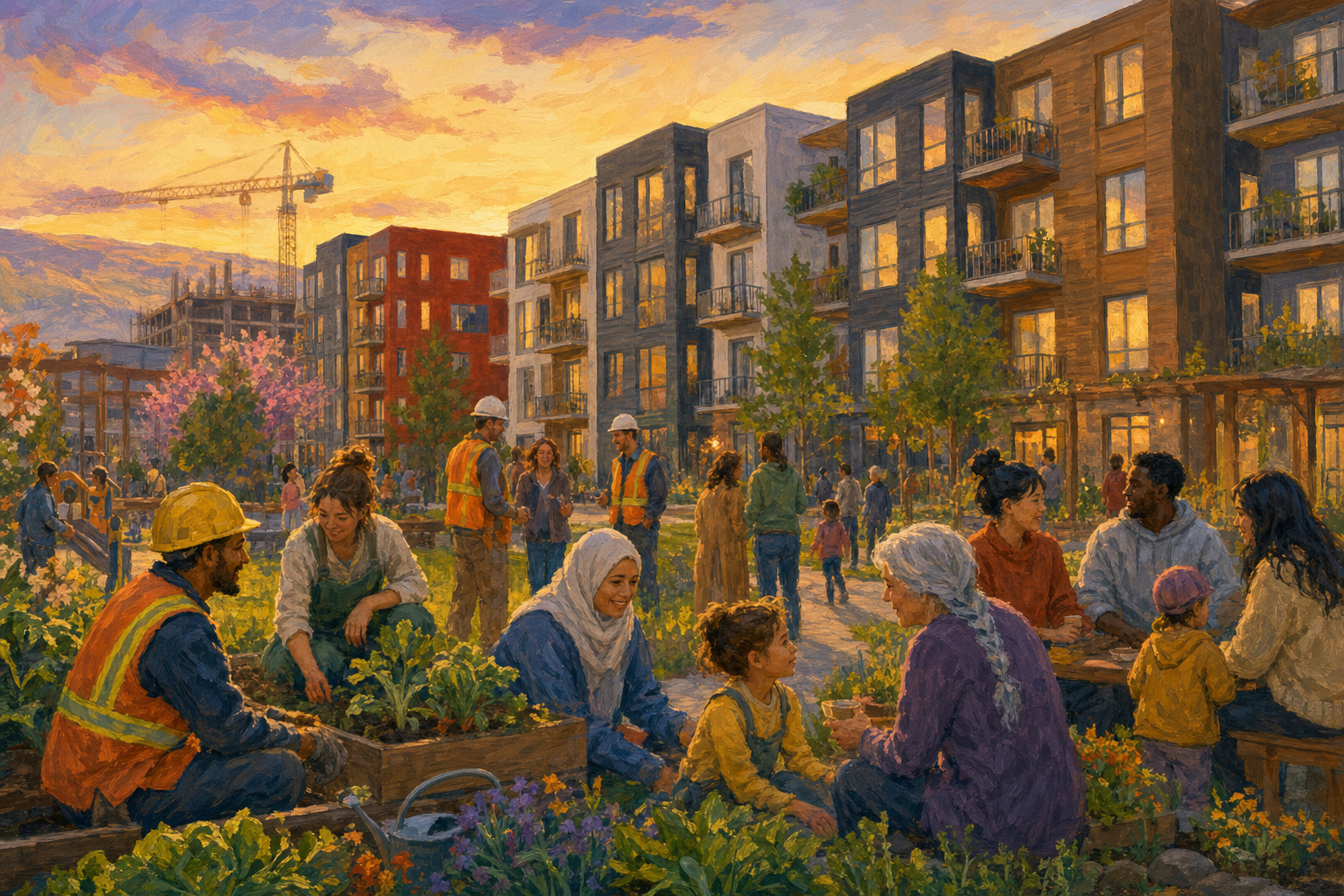
A pair of piping plovers on a restored Lake Superior shoreline. Chapter Nine

The Little Birds Came Back

Tiny shorebirds returned to a beach that people spent years fixing, for the first time in 49 years.

Read Bibi’s full telling

Little one, there is a small bird called a piping plover. It is endangered, which means there are not many of them left. For 49 years, no piping plovers had nested on a place called Wisconsin Point near Lake Superior. But people spent years fixing the beach. They made new habitat with sand and stones where the birds could land and build nests. And this summer, a pair of piping plovers came back and nested there. The birds have moved on for now, but the people who watch over them hope they will return. Piping plovers often come back to places where they have nested before. It is a sign that when people take care of a place, wildlife can find its way home.

Bibi asks

If you fixed up a place for nature, what animal would you hope comes back?

The End · Told by Bibi
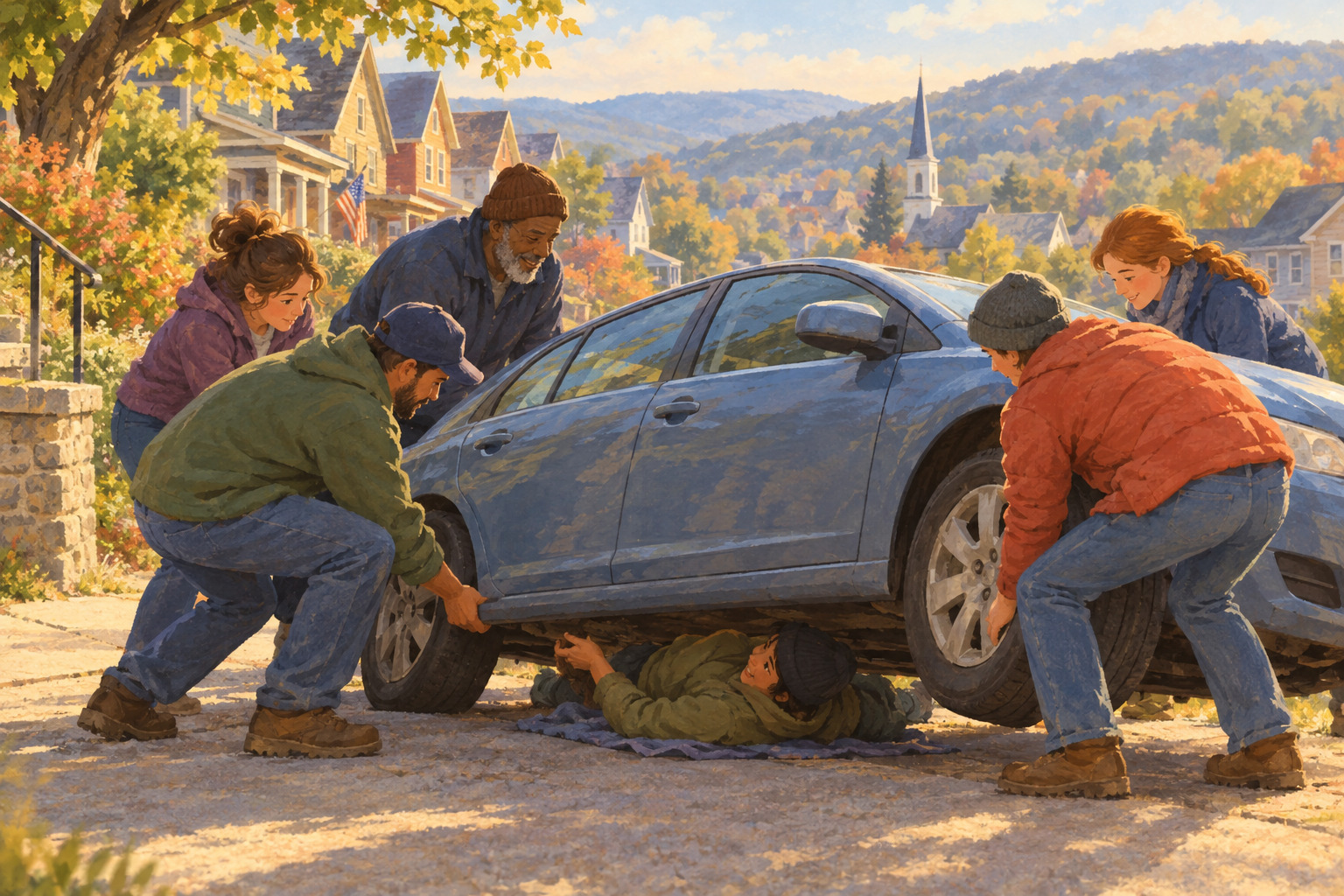
Book Sixteen

Chapters 151–160

Residents gather around a new water tap in a rural South African community. Chapter One

The Day the Water Came

A whole community worked together to bring clean water to their homes, schools, and gardens.

Read Bibi’s full telling

In a part of South Africa called KwaZulu-Natal, there are hills and green valleys. Many families lived there, but they did not have water that came out of a tap. They had to walk far to find it, and sometimes the water was not clean. So the community decided to work together. They joined with the government, with engineers who know how to build pipes, and with people who care about health. Together, they built a water scheme. That means a system of pipes and taps that brings clean water right to where people live. Now, one thousand three hundred and eighty-five households have water. Children can fill a cup at home. Gardens can grow. Schools can teach. Hospitals can care for people. One leader said that water is not just water. It is dignity, food, health, and learning, all flowing together. When water comes to a place that needed it, everything begins to grow.

Bibi asks

What would your day be like if the water in your home suddenly stopped, and what would you miss most?

The End · Told by Bibi

A glowing quantum droplet represents particles balancing in a laboratory experiment. Chapter Two

The Tiny Droplet That Should Not Exist

Two kinds of particles that are very different from each other might be able to balance and hold together, and scientists want to find out.

Read Bibi’s full telling

Deep inside everything around you, there are tiny particles so small that you cannot see them, not even with a magnifying glass. Some of these particles are called bosons, and some are called fermions. They are very different from each other, like cats and birds. Some very clever scientists wondered something strange. What if these two different kinds of particles could hold each other steady? What if they could form a tiny droplet that stays together all by itself, without a container to hold it? They did the math, and it seems possible. The bosons pull together, and the fermions push back just enough to keep the droplet from collapsing. It is like a perfect balance, like two friends leaning against each other so neither one falls. The scientists said other people might be able to test this in a laboratory. They are not sure it will work, but they have a map to follow. And that is how discovery begins, with a question and the courage to ask it.

Bibi asks

If two things that are very different from each other can balance and hold each other up, what does that make you think about?

The End · Told by Bibi
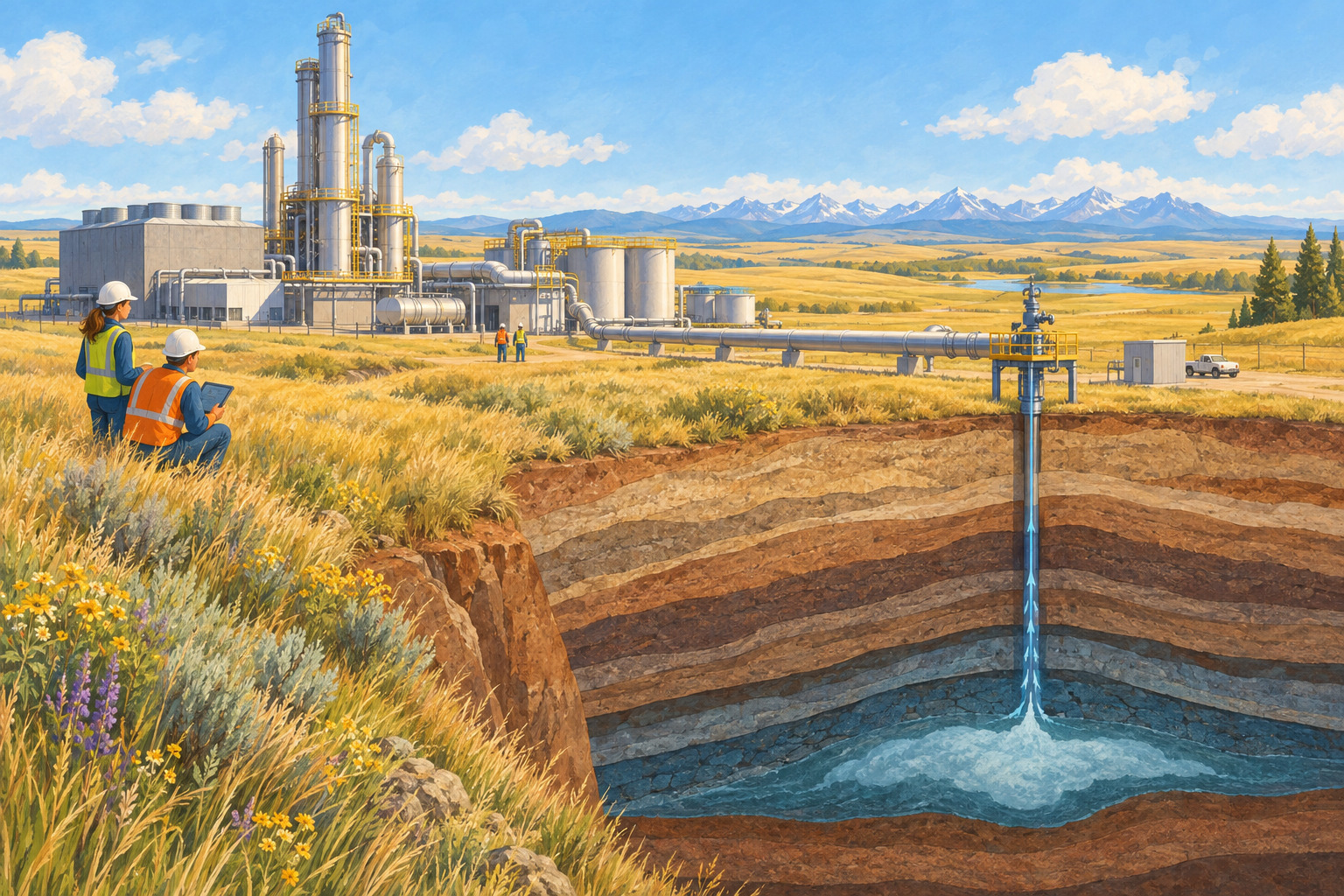
A family delivers warm meals to older neighbors in a Hawaiian village after a storm. Chapter Three

The Family Who Brought Warm Plates

When a storm took the power away, one family brought something warmer than electricity.

Read Bibi’s full telling

There is a place called Hawaiʻi, where the ocean is blue and the people are kind. One day a big storm called Hurricane Lala came and knocked out the power. Many people could not cook, could not shop, and could not easily leave their homes. But there was a family called the Oliveras. They lived in a small town called Pāhala. They did not wait for someone else to help. They started cooking meals for the older people nearby, the ones they call kūpuna, which means elders. They made at least fifty plates of warm food. For the elders who could not travel, a warm plate at the door was more than dinner. It was a way of saying, we see you, we know you are there, and we care. The Oliveras were part of a bigger effort with The Salvation Army and other helpers, bringing food, water, and supplies across the islands. Sometimes the bravest thing is simply showing up with a meal.

Bibi asks

Who is someone older in your life who might like a visit, even if no storm has come?

The End · Told by Bibi
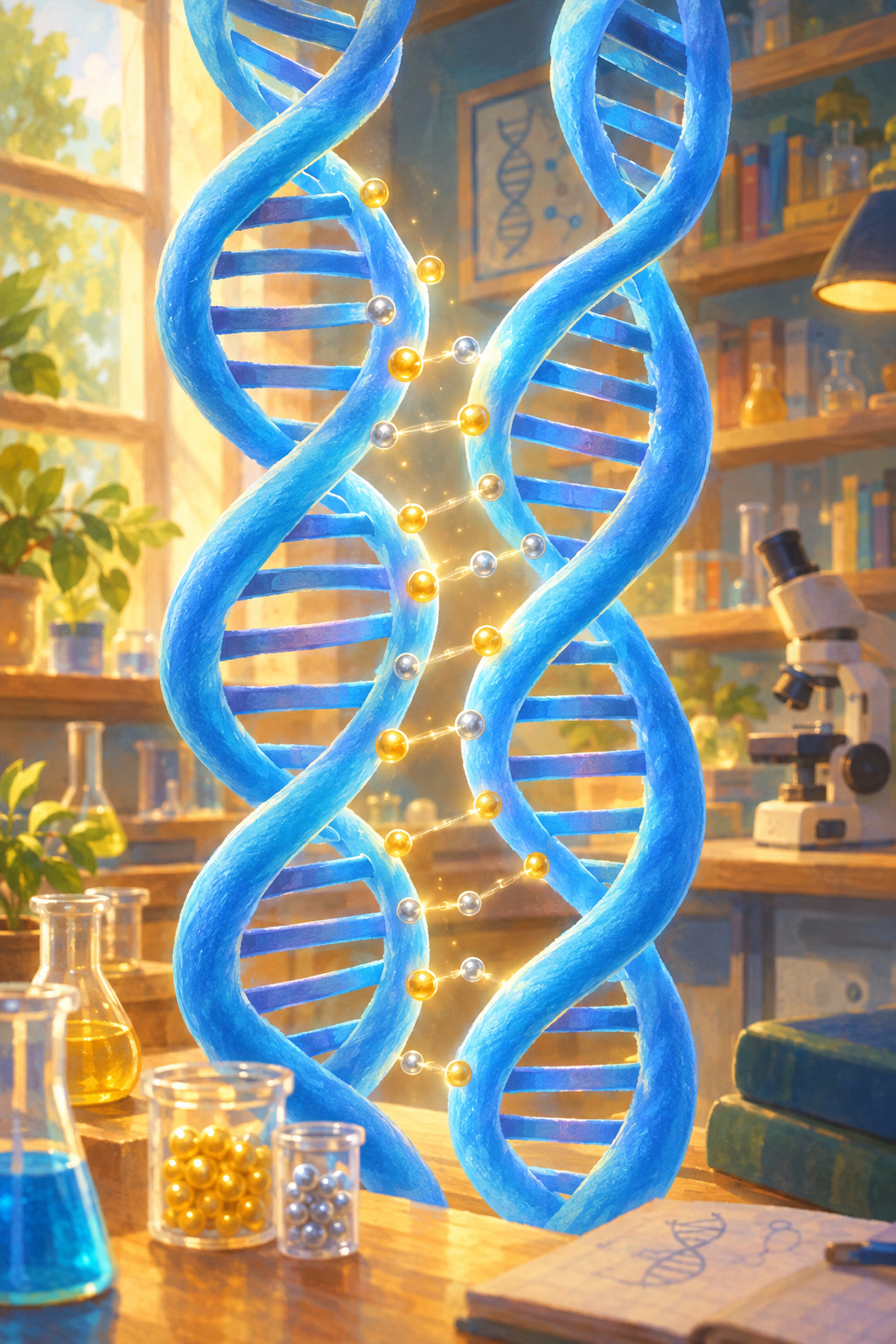
An older adult talks with a nurse in a bright community clinic. Chapter Four

A Medicine That Might Do Two Good Things

Scientists found that a vaccine for one illness might also help protect the brain, but they want to study it more before they are sure.

Read Bibi’s full telling

There are medicines called vaccines that help keep people from getting sick. One vaccine is for an illness called shingles, which can hurt your skin. Many older people get this vaccine to stay well. Some very careful scientists wanted to know something. Could this vaccine also help protect the brain? They looked at more than half a million older people. The ones who got the vaccine seemed to get a sickness called dementia less often. But the scientists were very honest. They said their study could not prove that the vaccine caused the difference. It might be true, but they need to do more research to be sure. That is how good science works. You find something interesting, and then you keep asking questions until you understand it better. The most important thing is that scientists are curious and careful at the same time.

Bibi asks

If you discovered something interesting but were not sure it was true yet, what would you do next?

The End · Told by Bibi
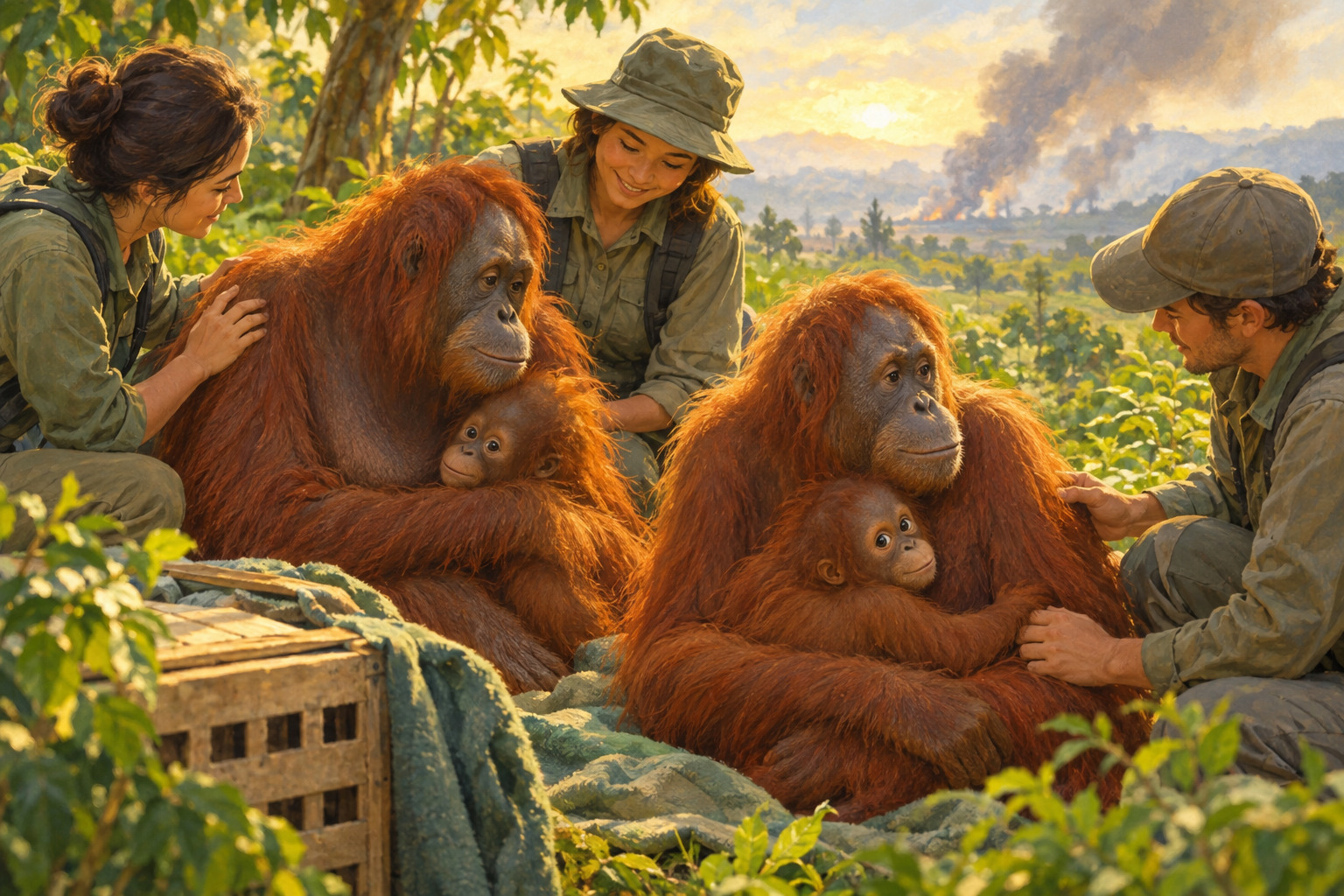
University students work together on a science project in a bright classroom. Chapter Five

A New Place to Learn About the World

A whole state decided to help more young people study science and follow their curiosity.

Read Bibi’s full telling

In a part of India called Tamil Nadu, the leaders had an idea. They wanted more young people to fall in love with science, the kind of science where you learn how the world works, like stars and atoms and living things. So they decided to build a new institute, a special school just for basic sciences. It will be a place where students can study physics, chemistry, and biology, and where researchers can discover new things. But that was not all. They also decided to give scholarships to students who want to study science but need help paying for it. They said they would waive fees, give loans, and even hire six thousand new teachers for their colleges. When a place decides to help young people learn, the whole world gets a little brighter. Because the students who study today will be the ones who solve problems tomorrow.

Bibi asks

If you could study one thing about how the world works, what would you want to understand?

The End · Told by Bibi
Community members plant native vegetation beside a wetland near their homes. Chapter Six

Helping Nature Help People

A new fund will pay communities to restore forests, wetlands, and grasslands so nature can protect them from a changing climate.

Read Bibi’s full telling

When the climate changes, the weather can become harder to live with. Floods, droughts, and storms can hurt people and their homes. But nature itself can help protect us, if we let it. A new fund has been created to help communities restore nature. They will plant trees, fix wetlands, and bring back grasslands. Healthy wetlands can soak up flood water. Healthy forests can cool the air. Healthy grasslands can hold the soil in place. The fund is giving out seven and a half million dollars. It will help communities, including Indigenous people who have lived on their land for many generations, to lead this work. The fund has already helped seventy-five projects in forty-one countries. When we help nature heal, nature helps us back.

Bibi asks

What is something in nature near your home that, if you helped it grow, could help protect people too?

The End · Told by Bibi
Scientists and students gather around a glowing model in a quantum research lab. Chapter Seven

Eight Schools for the Very, Very Small

A big investment will help scientists and students study the tiniest building blocks of the universe.

Read Bibi’s full telling

Everything around you, your chair, your cup, even your own body, is made of tiny particles so small that you cannot see them. The science of these tiny particles is called quantum science, and it is full of surprises. A group called the National Science Foundation has decided to give more than two hundred and ninety million dollars to eight research institutes. These are special places where scientists and students work together to understand the tiny particles and build new tools. Three of the institutes are brand new. Five are already working and will keep going. Together, they bring together researchers in nineteen states and thirty-six universities, plus laboratories and companies. The program also includes summer schools, internships, and classes for younger students. So even if you are young, you could one day join a place like this and study the tiniest things in the universe.

Bibi asks

If everything is made of tiny particles too small to see, what do you think is holding them all together?

The End · Told by Bibi
A child serves lemonade at a neighborhood stand raising money for a local food bank. Chapter Eight

The Girl Who Turned Lemons Into Meals

A nine-year-old set up a lemonade stand and bought food for families who needed it.

Read Bibi’s full telling

There is a girl named Ivy who lives in a town called Bath, in the state of Maine. She is nine years old. One day she saw people near a supermarket who did not have enough to eat, and she wanted to help. So she did what many children do in summer. She set up a lemonade stand. She sold lemonade and popsicles to her neighbors. But instead of keeping the money, she gave it all to the food bank, a place that gives food to people who need it. Ivy raised five hundred and twenty-five dollars. That is enough to buy about a week and a half of food for families. And because she did it in summer, the food bank could buy foods that children like, since school meals were not available. Other children saw what Ivy did and brought money and food to the food bank too. One small idea turned into something much bigger.

Bibi asks

What is something small you could sell or make, that could help someone who is hungry?

The End · Told by Bibi
Offshore wind turbines stand near the Victorian coast as a community looks toward a clean-energy future. Chapter Nine

Wind From the Sea

A part of Australia decided to build wind machines in the ocean to make clean power for many homes.

Read Bibi’s full telling

There is a place in Australia called Victoria. It is near the sea. The people there need electricity, the power that lights our homes and runs our machines. But they want to make that power in a clean way, without burning coal. So they decided to build wind turbines in the ocean. Wind turbines are very tall machines that turn when the wind blows, and that turning makes electricity. The wind over the sea is strong and blows often, so it is a good place for them. This is the first time Australia has done something like this. The machines could make enough electricity for about one and a half million homes. It will also create jobs for people who live nearby, especially in a region called Gippsland. It will take a few years before the machines are built. But the first step has been taken, and that is always the hardest part.

Bibi asks

What is something in nature near your home that could make power, if people figured out how?

The End · Told by Bibi
Community leaders and educators plan ways to improve opportunities for students. Chapter Ten

The People Who Wanted to Understand Schools

Twenty-eight community leaders decided to spend ten months listening, learning, and helping their local schools.

Read Bibi’s full telling

In a city called Baton Rouge, in the state of Louisiana, there are schools where children learn. But schools are not perfect. Sometimes they need help from the people who live around them. So a group called the Baton Rouge Alliance for Students invited twenty-eight community leaders to join a program called Changemakers. Over ten months, these leaders will visit schools, talk to teachers and principals, learn about education, and volunteer their time. They are not just talking. They are listening first. They want to understand what makes it hard for some children to learn, and what could make it better. More than two hundred people have already finished this program in earlier years. When people care enough to show up and listen, schools can become places where every child has a chance to grow.

Bibi asks

If you could visit a school and ask one question about how to make it better, what would you ask?

The End · Told by Bibi
Book Fifteen

Chapters 141–150

Students working on hands-on science and engineering projects in a classroom. Chapter One

The Classrooms Where Children Build and Test

Twenty-seven classrooms won grants for hands-on science and engineering projects, from water quality to robotics.

Read Bibi’s full telling

A company called Toshiba gave money to 27 classrooms across the United States. The grants go to teachers of students in grades 6 through 12. The money helps teachers make science learning practical and fun. At one school, students will build a robotic boat and use sensors to study water quality. Other projects include studying plants, recycling, flying drones, designing adaptive tools, keeping bees, and experimenting with energy. The grants go straight to the teachers, so they can build projects around the questions their own students are ready to explore. That kind of learning gives students more than a worksheet, little one. It gives them a chance to test an idea, notice what happens, and try again. And trying again is how real scientists work.

Bibi asks

If you could build something to study the world around you, what would you want to investigate?

The End · Told by Bibi
Community members caring for a protected forest corridor in southern Yucatan. Chapter Two

The Forest the Community Chose to Keep

Five communities in southern Yucatan are protecting a forest corridor where jaguars, birds, and other wildlife can move safely.

Read Bibi’s full telling

In southern Yucatan, Mexico, a community has chosen to protect 500 hectares of the Maya Forest. Five community land groups are working together. They cover more than 5,000 hectares in total. The protected area sits between two larger protected areas. Keeping the forest connected means birds, jaguars, and other wildlife can move safely through the landscape. It also protects water, stores carbon, and supports the people who live there. The communities are working with a regional agency that brings together local governments, residents, researchers, and conservation groups. Conservation is not only about drawing a line on a map, little one. It is about giving local people the support and authority to care for the places they call home.

Bibi asks

If a forest near your home needed someone to care for it, would you help?

The End · Told by Bibi
A governor and his staff help a passerby who collapsed near Kerala Raj Bhavan. Chapter Three

The Governor Who Stopped

When a man collapsed on a street in India, a governor stopped his car and made sure the stranger got to a hospital.

Read Bibi’s full telling

In a city in India called Thiruvananthapuram, a man named Girish was walking near a government building when he felt dizzy and fell down. At that moment, the governor of Kerala, whose name is Rajendra Vishwanath Arlekar, was driving past on his way to a celebration. He saw the man on the ground. He did not keep driving. He stopped his car and got out. He asked his staff to bring water and to call for medical help. Girish's family was far away, so the governor's staff contacted them and arranged for him to go to the hospital. The governor waited until Girish had the help he needed before he continued his journey. It was a small pause in a busy day, little one, but it meant that a sick stranger was not left alone. Sometimes the most important thing a person can do is simply stop.

Bibi asks

If you saw someone who needed help, would you stop what you were doing?

The End · Told by Bibi
Rescued Indian star tortoises are released into a protected forest at Tadoba-Andhari Tiger Reserve. Chapter Four

The Tortoises Who Went Home

Two hundred sixteen star tortoises rescued from illegal trafficking were carried 800 kilometres back to a protected forest.

Read Bibi’s full telling

Some people catch wild animals and try to sell them illegally. In India, 216 Indian star tortoises were rescued from this kind of trafficking in Mumbai and Thane. Star tortoises are small turtles with beautiful star-like patterns on their shells. Wildlife groups and the forest department cared for them until they were strong enough to travel. Then a team of ten people carried the tortoises more than 800 kilometres in a special wildlife ambulance. The tortoises travelled in soft, ventilated boxes, and the team stopped regularly to check on them. When they arrived at Tadoba-Andhari Tiger Reserve, the tortoises were examined by doctors and watched overnight. Then they were released into the forest, in small groups. The project is called Project STRIPES, and it is meant to help more rescued tortoises find their way home. When an animal is taken from the wild, little one, it loses its home. But when people work together, they can help it find its way back.

Bibi asks

If an animal lost its home and you could help it find its way back, would you carry it all the way?

The End · Told by Bibi
A northern community plans ways to protect homes, food security, and infrastructure from climate risks. Chapter Five

The Village That Is Getting Ready

A small Arctic community in Canada is updating its plan to prepare for floods, erosion, and other changes caused by a warming climate.

Read Bibi’s full telling

Ulukhaktok is a very small community in the far north of Canada. It sits on the coast, and the land there is changing because the climate is getting warmer. The ground can thaw and slide. The sea can flood the shore. Food that comes by boat or plane can be delayed. Canada is giving Ulukhaktok 70,000 dollars to update its plan for these challenges. The plan will help local leaders make decisions about where to build homes, how to protect food, and how to keep cultural traditions safe. Ulukhaktok is one of 128 communities across Canada working on plans like this. When you know a big change is coming, little one, the best thing you can do is get ready. And the people who know a place best are the ones who live there.

Bibi asks

If you knew a big change was coming to your home, what would you do to get ready?

The End · Told by Bibi
Researchers study an experimental compound that helped mice burn fat without significant muscle loss. Chapter Six

The Tiny Medicine That Helps the Body Do More

Researchers found a compound that helped mice burn fat without losing muscle, but it has not been tested in people yet.

Read Bibi’s full telling

Researchers at a university in California called Berkeley are studying a substance called TOFA. They gave it to mice in their laboratory. The mice burned more energy, up to 18 percent more. They lost fat but they did not lose their muscles. Their blood sugar got better, and signs of liver disease improved too. The substance seems to work in two ways. It stops the body from making some kinds of fat, and it tells cells to use fat for energy. When the researchers combined TOFA with another medicine, the results were even better. But this is very important, little one: the substance has only been tested in mice. It has not been tested in people yet. We do not know if it is safe for humans. The researchers are careful and honest about that. But it gives them a new idea to study, and new ideas are how science moves forward.

Bibi asks

If a medicine helped in animals but was not yet safe for people, would you want to wait or rush?

The End · Told by Bibi
Researchers use artificial intelligence to study a DNA sequence that helps turn genes on. Chapter Seven

The Tiny Signal Inside Every Cell

Researchers used artificial intelligence to find a hidden pattern in human DNA that helps show where genes begin.

Read Bibi’s full telling

Inside every cell in your body, there is a very long instruction book called DNA. It tells the cell how to build things and how to work. But the book is so long that scientists are still learning how to read it. Researchers at a university in San Diego used a kind of computer intelligence to study one small part of DNA called the initiator. The initiator is like a start signal. It tells the cell where a gene begins. The researchers tested about 500,000 versions of this signal to see which ones worked best. Then they used a computer program to find a pattern. The pattern appears in about 60 percent of all human genes. Knowing this pattern can help scientists understand how some DNA changes affect the body. It could also help them design tools for future research. There are six billion letters in human DNA, little one, and every new pattern we learn is like finding one more word in a very big book.

Bibi asks

If you could read one page of a very big book that no one had read before, what would you want to find?

The End · Told by Bibi
A young neighbor helps an older man and child to safety outside an apartment building at night. Chapter Eight

The Neighbor Who Ran Toward the Smoke

When a fire started next door, a young man did not run away. He ran toward it.

Read Bibi’s full telling

There was a young man who lived in a building in Singapore. One night he heard a loud sound, like glass breaking. Then he heard someone crying for help. The home next to his was filling with smoke. He did not hide. He did not wait. He picked up a fire extinguisher, covered his face with a wet towel, and opened the door to help. Inside, he found an old grandfather and a little boy. He helped them get out of the smoke and into the fresh air. The fire was too strong for one extinguisher to stop. But the young man did not need to stop the fire. He needed to help his neighbors, and he did. Afterward, because their families had been friends for almost twenty years, he invited them to stay in his home until theirs was safe again. Sometimes being brave does not mean fixing everything. It means being there when someone needs you.

Bibi asks
If you heard someone calling for help, what is the first kind thing you could do?

The End · Told by Bibi
Pronghorn and native fish share a restored Pecos River landscape of grasslands and desert streams. Chapter Nine

The River That Is Coming Back to Life

People are working together to help a river, the land around it, and the animals that call it home.

Read Bibi’s full telling

There is a river called the Pecos. It flows through dry, golden land where pronghorn run and birds sing. Over time, the river and the land around it needed help. The water was not as clean as it used to be, and the animals needed more room to move. So people decided to help. They gave money to four projects that will fix the riverbanks, plant native grasses, and make the water cleaner. They are also helping rare fish and little mussels that live nowhere else in the world. The best part is that many people are working together. Government groups, people who care about nature, and people who live nearby are all joining in. They have been doing this work since 2018, and they are not finished yet. They will keep going until the river and the land are healthy again. When people work together for a long time, good things grow.

Bibi asks
If a river near your home needed help, what is one small thing you could do to help it?

The End · Told by Bibi
Children and families gather around savings jars representing future education and career opportunities. Chapter Ten

A Million Jars of Hope

A whole state decided to put aside a little money for every child, and a million families have already claimed theirs.

Read Bibi’s full telling

In California, someone had a beautiful idea. What if every child could have a little savings, set aside by the state, for when they grow up? Not just some children. Every child. So they started a program. They opened savings accounts for more than six million children. Each child can get up to fifteen hundred dollars for school or training when they are older. The families do not have to pay the money back. It is a gift to help them begin. Now, one million families have claimed their accounts. That means one million children have something waiting for them, like a jar on a shelf that fills up over time. The state also asked businesses and kind people to add more, so the jars can grow even fuller. When a child knows someone is saving for their future, it helps them believe in tomorrow.

Bibi asks
If you could put one wish into a jar for a child you love, what would it be?

The End · Told by Bibi

Book Fourteen

Chapters 131–140

A hydroelectric station and river sit in Labrador's wide green landscape beneath a warm sunrise. Chapter One

Power From the River

Canada is investing in clean electricity in Labrador, building hydro power and transmission lines for communities.

Read Bibi’s full telling

Labrador is a big, wild, beautiful part of Canada. Not many people live there, but the rivers are powerful. Canada has announced a plan to build clean electricity in Labrador. They will upgrade an old hydroelectric station called Churchill Falls. They will build a new one called Gull Island. And they will build transmission lines to carry the electricity to where it is needed. The plan is very big. It could create thousands of jobs. The government says the Innu Nation of Labrador will be part of the plan. Building big projects like this takes a long time and must be done carefully. But when a river can power homes and schools and hospitals with clean energy, that is good news for the people who live there and for the air we all breathe. Water that flows can make light, little one. And light helps people learn, heal, and grow.

Bibi asks

If a river near your home could make electricity, what would you power first?

The End · Told by Bibi

A compact medical robot assists with a blood draw while a trained healthcare worker supervises. Chapter Two

A Helper in the Clinic

The FDA approved a small robot that can help draw blood, with a trained person watching over it the whole time.

Read Bibi’s full telling

When you go to the doctor, sometimes they need to take a little bit of blood to test. A person called a phlebotomist does this. They find a vein in your arm and use a small needle. The FDA has approved a new device called Aletta that can help with this. It is a small robot. It uses light and sound to find the right vein. Then it draws the blood. But the robot does not work alone. A trained phlebotomist starts each session, supervises the device, and stays nearby the whole time. One phlebotomist can watch up to three devices at once. The robot has safety sensors. If the patient moves or something does not look right, it stops. This could help clinics that do not have enough trained staff. The robot is not replacing people, little one. It is a helper, and the people are still in charge. Sometimes the best machines are the ones that let people do more, not less.

Bibi asks

If a robot could help a doctor do their job, what would you want the robot to do?

The End · Told by Bibi

Volunteers repair donated bicycles in a bright Atlanta workshop before giving them to children. Chapter Three

The Bicycles That Rode Again

Volunteers in Atlanta repair old bicycles and give them to children, complete with helmets and safety lessons.

Read Bibi’s full telling

In a warehouse in Atlanta, Georgia, volunteers fix up old bicycles. People donate bikes they do not need anymore. The volunteers clean them, repair them, and check every part. If a bike cannot be fixed, its parts help fix another one. When a child receives a bicycle, it comes with a helmet. The children learn how to wear it properly, how to use hand signals, and how to ride safely on city streets. The group gives away about a thousand bicycles every year. For some children, a bicycle means more than a ride. It means they can reach friends, go to activities, and explore new parts of their neighborhood. When you fix something broken and give it to someone who needs it, little one, you give them more than a thing. You give them a way to go further.

Bibi asks

If you had something you did not need anymore, who could you give it to so it helped someone else?

The End · Told by Bibi

Young women study together with a mentor during a university scholarship workshop. Chapter Four

The Door That Opened With a Workshop

A three-day workshop helped Syrian girls learn how to find scholarships and apply to university.

Read Bibi’s full telling

Twelve students in Syria and Jordan went to a workshop for three days. They learned how to find scholarships, how to understand the rules, and how to write about themselves in a way that shows who they are. The workshop was led by a woman named Sally Askalan. Sally is a student of chemical engineering. She studied in several countries and she knows what it is like to try to find a way to university when the path is not clear. The students also received laptops they could use to research scholarships and write applications. After the workshop, the students were working on their personal statements and their university applications. Sometimes the thing standing between a young person and their dream is not talent or effort, little one. It is knowing where to look and having someone show you the next step.

Bibi asks

If you knew the way to a place you dreamed of going, would you show someone else the way too?

The End · Told by Bibi

Freshwater wetlands and a winding creek at Virginia's Sunken Meadow landscape. Chapter Five

The Creek That Will Flow Again

A plan in Virginia will remove an old dam and let a creek and its wetlands return to their natural shape.

Read Bibi’s full telling

There is a place in Virginia called Sunken Meadow. It has wetlands, a creek, and old trees. But a dam was built there over a hundred years ago. The dam made a pond, but over the years, silt built up behind it and put pressure on the creek and the wetlands. The Nature Conservancy has a plan to remove the dam and let the creek flow freely again. When the dam is gone, the creek will reconnect to the James River. That means 21 miles of stream will flow the way they used to. The water will be cleaner. Fish, birds, and other animals will have more room to live. The people who live nearby helped plan the project. They went to open houses, field trips, and community meetings. It will take about two years of studies and permits before the dam is removed. When you give a river room to be itself again, little one, the river brings life back with it.

Bibi asks

If a river could not flow freely for a very long time, what do you think would happen when it was set free?

The End · Told by Bibi

Researchers study a computer system designed to show when an AI answer may be uncertain. Chapter Six

The Machine That Knows When It Is Not Sure

Researchers found a way to help AI systems say when they are uncertain, so people know when to take a closer look.

Read Bibi’s full telling

Computers can do many things, but sometimes they make mistakes. The problem is that a computer does not always tell you when it is not sure about something. Researchers at McGill University in Canada have found a new way to help computers measure and show their own uncertainty. This means a computer can tell a person, I am not sure about this answer. You should look at it yourself. The researchers made their system much smaller and more efficient than older methods. In one experiment, it used about 33 times fewer parameters while still working well. The research was led by a student named Mame Diarra Toure and her professor. It was presented at a big conference for machine learning. A machine that can admit what it does not know is safer than one that always acts sure, little one. Being honest about what you are not sure about is a good thing, for people and for computers.

Bibi asks

If a very smart machine told you it was not sure about something, would you trust it more or less?

The End · Told by Bibi

A welcoming California neighborhood with new homes and a shared community garden. Chapter Seven

The Homes That Were Built to Be Affordable

Thirteen California communities received funding to build more affordable homes and shelters for people who need them.

Read Bibi’s full telling

In California, many people cannot find a home they can afford. The state has given 11 million dollars to thirteen cities and counties to help. The money will go toward building affordable homes, helping people find a place to stay quickly, and supporting emergency shelters. The communities that received the money had already shown they were trying to make housing easier to build. They changed their rules to speed things up and lower costs. The program has given out 70 million dollars so far over four rounds. The new money will not solve everything, but it gives local teams more resources to turn plans into real homes where people can live. Having a safe place to live helps families put down roots, little one. When you have a home, you can think about other things, like school, work, and the people you love.

Bibi asks

If you had a safe home, what would you think about that you cannot think about now?

The End · Told by Bibi

Calgary volunteers filling backpacks with school supplies for children. Chapter Eight

The Backpacks That Were Ready for School

Volunteers in Calgary filled more than 2,000 backpacks with school supplies for children whose families needed help.

Read Bibi’s full telling

In Calgary, Canada, more than 2,000 backpacks were filled with school supplies this week. Volunteers and donors worked together to prepare them before the new school year. The backpacks go to children whose families are facing financial challenges. A backpack full of supplies cannot solve every problem a family may face, but it can make the first day of school feel a little lighter. Each one is a reminder that a community is paying attention. When a child walks into school with a backpack full of notebooks and pencils, they feel ready. They feel like they belong. And sometimes, little one, that feeling is the most important school supply of all.

Bibi asks

If you had a backpack full of everything you needed, how would it feel to walk in on the first day?

The End · Told by Bibi

Solar panels sharing a restored landscape with plants and farmland. Chapter Nine

The Solar Panels That Share the Land

Experts at a United Nations conference showed how clean energy projects can also heal the land beneath them.

Read Bibi’s full telling

Solar panels and wind turbines need land. But what if the land under them could also be healed? Experts shared examples at a United Nations conference in Mongolia. In China, solar panels stand above plants, and measures help hold back the sand. In India, farmers use solar power to pump water and grow food on the same land. In South Africa, old mining land that was damaged is now being used for renewable energy. The experts said there is no single recipe. The best projects look at the soil, the water, the wildlife, and the people who live there before choosing where to build. When you plan carefully, clean energy can do two jobs at once, little one. It can reduce fossil fuels and leave the land healthier than it was before.

Bibi asks

If you had a piece of land, could you find a way to share it with both people and nature?

The End · Told by Bibi

Researchers studying a personalized molecular pattern in a bright laboratory. Chapter Ten

A Treatment Made for One Person

A new kind of cancer treatment, made for each patient's own tumor, reached an important milestone in a large trial.

Read Bibi’s full telling

Two companies called Merck and Moderna have been working on a new kind of cancer treatment. It is made using mRNA technology, the same kind of science that helped make vaccines. But this treatment is different. It is made for each patient, based on the unique pattern of their own tumor. In a large study with over a thousand people, the treatment helped. The cancer was less likely to come back, and it was less likely to spread to other parts of the body. The treatment is still being studied. It is not approved yet, and the companies will share more results at medical meetings. But this is a careful and hopeful step forward. When a treatment is made just for one person, little one, it is like a key cut to fit one lock. And that is a new idea in medicine.

Bibi asks

If a medicine could be made just for you and no one else, what would you want it to help with?

The End · Told by Bibi

Book Thirteen

Chapters 121–130

Neighbors gather around a table to share ideas at a community meeting in Belfast. Chapter One

Helping Communities Be Heard

A grant in Northern Ireland will train local groups to speak up and take part in decisions about their neighborhoods.

Read Bibi’s full telling

In Northern Ireland, there are many community groups that want to have a say in decisions about their neighborhoods. But sometimes they do not know how to navigate the system, or they do not have the skills to make their voices heard. A charity in Belfast has received 100,000 pounds to help. Over three years, they will train community groups in how to speak up, how to use evidence, and how to take part in public forums. The program is open to everyone, but it especially wants to help women take part. The people who started this program believe that communities work better when the people who live in them can help make the decisions. Everyone deserves a voice, little one. And sometimes, the most important thing you can give someone is the skills to use theirs.

Bibi asks

If you could speak up about one thing in your neighborhood, what would it be?

The End · Told by Bibi

A British village sits among green fields near new electricity infrastructure that will bring benefits to local homes. Chapter Two

Lower Bills for Living Near Power Lines

Families in the UK who live near new electricity pylons will get money off their energy bills as a thank you.

Read Bibi’s full telling

The UK needs to build new power lines to carry clean electricity across the country. But building power lines means some communities will have new pylons near their homes. The UK government has a plan to say thank you. Families who live within 500 meters of the new pylons will get up to 2,500 pounds off their energy bills over 10 years. The first projects include 43 locations. Most families will get the discount automatically through their energy supplier, so they do not even have to apply. Building new things for the whole country is easier when the people nearby are treated fairly, little one. And saying thank you with real help, not just words, is how you show that everyone matters.

Bibi asks

If someone built something new near your home, what would make it feel fair?

The End · Told by Bibi

A conservation fence winds through coastal bushland at Wilsons Promontory, with a wombat nearby. Chapter Three

The Fence That Keeps the Little Ones Safe

A long fence in Australia is giving wombats and other animals a safe place to live and grow.

Read Bibi’s full telling

In a beautiful park in Australia called Wilsons Promontory, there are many animals and plants. Some of them are rare and need protection. Foxes and cats had been coming and hurting the small animals. So the rangers decided to build a fence. It is ten kilometres long. It goes all around a special area to keep the dangerous animals out. But the wombats still need to move around. The rangers thought about this carefully. They made special gates in the fence, just the right size for wombats to pass through. They put up cameras to watch the paths the animals use. This fence was dreamed about for more than 50 years. Now it is finally being built. The wombats can walk through their special gates, and the foxes stay out. Sometimes protecting something means building a wall, and sometimes it means leaving a door open.

Bibi asks

If you were building a safe place for animals, what kind of door would you leave open, and for whom?

The End · Told by Bibi

A rescued horse steps onto a sturdy ramp as firefighters and neighbors help from the edge of a muddy water hole. Chapter Four

The Horse Who Followed the Oats

When a horse got stuck in a muddy hole, firefighters and neighbors built a ramp and used a bucket of oats to guide her to safety.

Read Bibi’s full telling

A horse fell into a muddy water hole in Northern Michigan. She could not get out on her own. The mud was too deep and the sides were too steep. But people came to help. Firefighters put a fire hose under the horse to help her stand. They dug into the bank and shaped a ramp out of dirt. They packed it down to make it steady. The neighbors came too. They brought a bucket of oats and set it near the top of the ramp. The horse could smell the oats. Slowly, carefully, she stepped onto the ramp. One step, then another. And then she was on solid ground again. The fire department thanked everyone who helped, little one. It took a hose, a ramp, some dirt, and a bucket of oats. Sometimes the thing that finally works is the simplest thing of all.

Bibi asks

What is something simple that could help someone who is stuck?

The End · Told by Bibi

Children learn together in a bright classroom with books, a globe, and science materials under a new school curriculum. Chapter Five

New Ways to Learn

A country called Uzbekistan changed how it teaches nearly seven million children, with clearer goals and more inclusive classrooms.

Read Bibi’s full telling

Uzbekistan is a country in Central Asia. Almost seven million children go to school there. For almost two years, the leaders worked on a new plan for how to teach them. They talked to 147 experts in their own country and 30 experts from around the world. They had more than 260 meetings. The new plan connects lessons across subjects. It teaches children about computers and digital tools. It teaches them about the climate. It helps them with their feelings and how to get along with others. And it makes sure that children with disabilities can learn too. Not just the children who find school easy, but every child. The new plan starts from the youngest children and goes all the way through the last year of school. Every child deserves to learn, little one. And when a country takes the time to make learning better, it is investing in all of their futures at once.

Bibi asks

If you could add one new subject to your school, what would it be?

The End · Told by Bibi

A doctor and patient discuss a treatment plan in a calm, sunlit consultation room. Chapter Six

A New Option When Surgery Is Not Possible

The UK approved a new medicine for adults with a rare joint tumor who cannot have surgery.

Read Bibi’s full telling

There is a kind of tumor that grows around joints and tendons. It is rare, which means not many people have it. But for the people who do, it causes pain, swelling, and makes it hard to move. Sometimes doctors can remove it with surgery. But sometimes they cannot. The UK has approved a new medicine called vimseltinib. It is for adults whose tumor cannot be treated with surgery. The medicine works by blocking certain proteins that help the tumor grow. It comes as a tablet that you take by mouth. The agency that approved it will keep watching to make sure it is safe. They will check that it is working well and that any side effects are caught early. Having a new option does not mean the problem is solved for everyone, little one. But for the people who had no options before, it means they are no longer without hope.

Bibi asks

If someone had no options and then got one, how do you think that would feel?

The End · Told by Bibi

Air sensors on rooftops help researchers map changing pollution across Addis Ababa. Chapter Seven

Watching the Air from the Rooftops

NASA placed ten air sensors across Addis Ababa to understand what is in the air and help the city plan for cleaner skies.

Read Bibi’s full telling

Addis Ababa is the capital city of Ethiopia. It is growing fast, and as cities grow, the air can get harder to breathe. NASA placed ten small sensors on rooftops across the city. For three years, the sensors measured tiny particles in the air. They measured pollution from cars and from fires. They even measured pollution from holiday bonfires. The sensors showed that the air changes by time of day and by season. Now the city has a baseline, which is like a starting point. They know what the air is like today, so they can tell if it gets better or worse in the future. The scientists say this can help other cities too. You cannot fix a problem if you do not understand it, little one. And the first step to understanding is to measure, patiently, for a long time, until the picture becomes clear.

Bibi asks

If you could measure one thing in your town to understand it better, what would you measure?

The End · Told by Bibi

A neighbor uses a garden hose to help contain a car fire beside a family home. Chapter Eight

The Man With the Garden Hose

When a car caught fire beside a family home, a passing driver stopped and used a garden hose to help.

Read Bibi’s full telling

A family was inside their home in Farmington, New York, when smoke started pouring from a car parked beside their house. A man named Wade Peck was driving past. He saw the smoke and he stopped. Wade used to be a volunteer firefighter. He found a garden hose and started spraying the car and the side of the house. He also told the family's son to bring fire extinguishers. The fire department came and finished the job. The car was badly damaged, but the house was mostly fine, and everyone was safe. Wade said he was just helping people in his neighborhood on his way home. Sometimes you do not need to be a hero, little one. You just need to stop when you see someone who needs help, and use whatever you have.

Bibi asks

If you were passing by and someone needed help, would you stop?

The End · Told by Bibi

A river otter swims through the restored Bronx River beneath a leafy urban riverbank. Chapter Nine

The Otter Who Came Home

After a hundred years, a river otter was spotted again in the Bronx River, a sign that the water is getting cleaner.

Read Bibi’s full telling

The Bronx River flows through a part of New York City called the Bronx. For a long time, the river was very polluted. There was trash and chemicals in the water. Very few animals could live there. But for many years, people have been working to clean the river. Public agencies, nonprofit groups, and community volunteers all helped. They removed trash. They planted trees along the banks. They made the water cleaner. And now something wonderful has happened. A river otter was photographed in the river for the first time in about a hundred years. River otters need clean water and enough fish to survive. The fact that one came back means the river is getting healthier. One photograph does not mean the otter lives there permanently. But it is a sign of hope. When people work patiently to heal a river, little one, sometimes the river heals enough to welcome its old friends back.

Bibi asks

If an animal came back to a place it had left, what do you think made it feel safe enough to return?

The End · Told by Bibi

Researchers study a small quantum computer in an open university laboratory. Chapter Ten

A Machine That Thinks Differently

A new lab in Australia lets researchers and students try their ideas on a real quantum computer.

Read Bibi’s full telling

There is a kind of computer called a quantum computer. It works in a very different way from the computers we use every day. Instead of bits that are either on or off, it uses something called qubits, which can be on and off at the same time. This lets quantum computers solve some problems much faster. But quantum computers are very expensive and hard to build. Most people cannot try them. A university in Australia called the University of Queensland has changed that. They opened a new lab where researchers, students, and small businesses can come and test their ideas on a real quantum computer. It has five qubits, which is small but enough to learn from. The lab was built with help from the government and from technology partners. Now, a student with a good idea can test it without needing to build their own machine. When you share powerful tools, little one, more people get to discover things. And the more people who can try, the more chances there are for something wonderful.

Bibi asks

If you could use a very powerful machine to test any idea, what would you want to try?

The End · Told by Bibi

Book Twelve

Chapters 111–120

A gibbon, ibis, and wild horse in a hopeful restored landscape. Chapter One

The Animals That Found Their Way Home

Rare animals in China are coming back because people protected their homes.

Read Bibi’s full telling

In China, some animals almost disappeared forever. There was a kind of monkey called the Hainan gibbon. At one time, there were fewer than ten left in the whole world. That is very few, little one. But people decided to help. They protected the forests where the gibbons live. And slowly, the gibbons came back. Now there are forty-two of them. A beautiful white bird called the crested ibis came back too. There were only seven, and now there are thousands. Even wild horses are living in China again. There were none left in the wild, and now there are more than nine hundred. When people protect animals and give them space, the animals can find their way home. More than two hundred rare species in China are now recovering. That takes patience and care.

Bibi asks

What is an animal that almost disappeared, that you are glad is still here?

The End · Told by Bibi

A Canadian community using planning and nature-based projects to prepare for climate risks. Chapter Two

Preparing for What Comes

Canada is supporting 141 projects to help communities plan for floods, fires, and storms before they arrive.

Read Bibi’s full telling

Canada is giving more than 34 million dollars to 141 local projects to help communities get ready for climate risks. The projects include planning for floods, preparing for wildfires, and getting ready for major storms. Some communities will use the money to study their risks. Others will start building practical projects to protect their neighborhoods. The goal is to help towns and cities understand what might happen and get ready before it does. Preparing for something that has not happened yet might seem strange, little one. But the communities that plan ahead are the ones that stay safest when the storm finally comes. And the best time to prepare, as someone once said, is before you need to.

Bibi asks

What is something you could prepare for, even if it has not happened yet?

The End · Told by Bibi

Neighbors working together to improve a shared community space. Chapter Three

The Places Where Everyone Belongs

Alberta is giving money to help communities build and fix the places where neighbors gather.

Read Bibi’s full telling

In a place called Alberta, the people who run the government decided to give money to help their communities. That means places where people gather together. Community centers where neighbors meet. Gardens where children play. Places for art and sports and being together. The money goes to groups that know what their neighbors need, little one. Some will fix up old buildings. Some will start programs for families. Some will make safe places for people who need help. When a community gets support, it becomes a place where everyone belongs. That is worth more than money. The groups can use the money for arts and culture and sports. They can help families. They can help women join the workforce. They can help stop violence. Every year, this program helps more than seven hundred projects. That is a lot of good work in a lot of places.

Bibi asks

What is one place in your town where everyone belongs? What makes it feel that way?

The End · Told by Bibi

Neighbors helping children reach safety outside a home in Stanthorpe. Chapter Four

The Stranger Who Ran Into the Fire

A stranger ran into a burning home five times to save five children, then left before anyone could thank him.

Read Bibi’s full telling

A house was on fire in a town called Stanthorpe in Australia. Five children were trapped inside, including three-year-old triplets. A stranger who was walking by saw the smoke. He did not wait. He ran inside, again and again, bringing one child out at a time. The children's mother had escaped through a window. An 80-year-old neighbor came over with a garden hose to help. Another neighbor broke a window with a shovel. Together, they held the fire back until the firefighters arrived. The children were taken to the hospital and treated. The stranger who saved them left before anyone could ask his name. He was wearing a white hat, and people are still looking for him so they can say thank you. Sometimes the most extraordinary heroes are the ones who do not stay to be thanked, little one. They help because they can, and then they go.

Bibi asks

If someone helped you and then disappeared, how would you want to thank them?

The End · Told by Bibi

Schoolgirls arriving at a bright courtyard school in Chad with exercise books. Chapter Five

The Girls Who Got to Keep Going to School

In a country called Chad, something good is happening for thousands of girls who want to learn.

Read Bibi’s full telling

In a place called Chad, in a town called Pala, there is a school. Many girls walk there every morning. Some of them almost had to stop. Their families did not have enough money for books and fees. But something good happened. The government and some helpers started giving money to help girls stay in school. Not just a few girls. Twenty-five thousand girls. Three hundred and eighteen schools. That is a lot of girls who get to keep learning. One little girl held her exercise book up high and smiled. She knows that learning is the way to a bigger life. And now, nobody can take that away from her. The help means she can move up to the next class, and the next, and the next. Little one, school is not just about reading and writing. It is about becoming who you are meant to be. And every girl deserves that chance.

Bibi asks

If you had to leave school tomorrow, what would you miss the most about it?

The End · Told by Bibi

Green hills, a restored watershed, and a village in Rwanda's Volcanoes region. Chapter Six

Protecting the Hills of Rwanda

Rwanda and the European Investment Bank signed a plan to protect communities, restore nature, and support two million people.

Read Bibi’s full telling

Rwanda is a country of beautiful green hills. But the hills can be dangerous when there is too much rain, and floods can wash through the villages. Rwanda and the European Investment Bank have agreed on a 65 million euro plan to help. The plan covers eight districts where more than two million people live. It includes building flood protection, restoring the land, protecting wildlife, and creating new ways for people to earn a living. It is a big plan that brings several kinds of protection together. Safer communities, healthier landscapes, and practical help for the people who depend on the land. When you protect the land, little one, you protect the people who live on it. And when you protect the people, you give them a chance to thrive.

Bibi asks

If you could protect both the land and the people on it, where would you start?

The End · Told by Bibi

Arabian gazelles in a protected Saudi nature reserve at sunrise. Chapter Seven

The Baby Gazelles Born Free

In a desert far away, tiny gazelles are being born in the wild, and that means the land is healing.

Read Bibi’s full telling

In a big desert in Saudi Arabia, there is a place where animals are safe. It is called a nature reserve. That means nobody can hunt there, and the land is left to grow wild and natural. Something wonderful happened there. Three baby gazelles were born. Not in a zoo. Not in a cage. Out in the open, under the wide sky. Their mothers found soft grass and quiet places, and the babies came into the world the way nature intended. In the first part of the year, more than forty baby gazelles were born in this same reserve. That is a very good sign. It means the land is healthy enough for the animals to live and grow on their own. The rangers, who are like guards for nature, watch over them from far away. They do not interfere. They just make sure the animals are safe. Little one, when we give wild animals space and protect their home, they find their way back. They build families. They make the desert alive again.

Bibi asks

If you could protect one wild animal and give it a safe home, which animal would you choose?

The End · Told by Bibi

A small lunar rover following a mapped route beneath Earth in the sky. Chapter Eight

The Little Rover Following a Map to the Moon

A company is using sixty years of NASA maps to help plan safe paths on the Moon for future explorers.

Read Bibi’s full telling

Did you know that people have been studying the Moon for sixty years? NASA, the space agency, has been sending satellites and robots to take pictures and measurements of the Moon for a very long time. All of those pictures and measurements are called data. And now, a company called Lunar Station is using all that data to make maps. These maps show where the rocks are. They show where it is high and where it is low. They even help find places where there might be water hidden under the surface. Why does this matter? Because one day, people are going to go back to the Moon. They will need to know where to land safely. They will need to know where to drive their rovers. They will need to know where to find water. And the best way to know all of that is to use the maps that sixty years of exploring have already made. Little one, the Moon is far away, but everything we learn about it today helps someone tomorrow. And the best part is that NASA shares its data with everyone, so anyone with a good idea can use it.

Bibi asks

If you could send something to the Moon, what would you send, and what would it do there?

The End · Told by Bibi

A neighbor helps an older man into a pickup truck during a wildfire evacuation. Chapter Nine

The Stranger Who Drove Through Smoke

A daughter could not reach her father during a wildfire, so a stranger answered the phone and drove through smoke to help.

Read Bibi’s full telling

There was a big fire near a town called Okanagan. An old man named John was still at home. His daughter Shiloh was far away. She was very worried. She called many people, asking for help. A man named Bob answered the phone. Bob had never met John or his family. But he got in his truck and drove through the smoke to find John. Bob was patient and kind. He helped John feel safe enough to leave his home. There was no room for John at the shelter that night, so a friend gave him a bed. The next morning, Bob drove John almost 400 kilometres to Vancouver. John was back with his daughter again. Sometimes the bravest thing a person can do is answer a call for help from someone they have never met.

Bibi asks

If someone you had never met needed help, how far would you go to reach them?

The End · Told by Bibi

Students and researchers work together around shared computing tools in a bright science lab. Chapter Ten

Science Tools for Everyone

A new program will give more researchers and students access to the computers and data they need for AI science.

Read Bibi’s full telling

Some universities have giant computers and lots of data for science. Others do not. The US National Science Foundation has a plan to change that. They are spending 100 million dollars to create up to 10 new hubs across the country. These hubs will bring together universities, local governments, and businesses to share computing power and data. Students and researchers who have not had access to these tools before will be able to use them. The program also includes training for teachers and technical staff. Science works best when more people can take part, little one. And when a student in a small town gets the same tools as a student in a big city, the whole world gets more ideas, more discoveries, and more chances to learn something new.

Bibi asks

If everyone had the same tools to learn, what do you think would change?

The End · Told by Bibi

Book Eleven

Chapters 101–110

A delicate ribbon of stars stretching from a distant galaxy in deep space. Chapter One

The Ribbon of Stars That Shows Us Hidden Things

A faint trail of stars far from our galaxy is helping astronomers see something invisible.

Read Bibi’s full telling

Far, far away from our own galaxy, there is a very faint stream of stars. It is so faint that nobody had seen it before. But a big telescope in space, called Hubble, took very deep pictures of the sky, and there it was. A thin ribbon of stars, drifting away from a small, distant galaxy. The scientists gave it a name. They called it Oyashio. It is the first time anyone has found a stream of stars like this outside our own galaxy, little one. What makes it special is this: the stream is pulled by something we cannot see. Dark matter. Dark matter does not shine or glow. We cannot look at it through a telescope. But we can see what it does to the stars. By watching how the ribbon of stars moves, the scientists can measure the dark matter around that faraway galaxy. Sometimes the most important things are the ones we cannot see at all, and we only know they are there because of the gentle marks they leave behind.

Bibi asks

What is something invisible that you know is there, only because of what it does?

The End · Told by Bibi

Health workers welcoming families at a bright community clinic. Chapter Two

Helping Clinics Around the World

The US announced funding to support community hospitals and clinics in more than 20 countries.

Read Bibi’s full telling

There are many places in the world where people do not have a clinic nearby when they get sick. The United States announced a plan to help. They want to support community hospitals and clinics in more than 20 countries. The money could go to thousands of hospitals and clinics, training for health workers, and emergency help for people in crisis. It is a big plan, and it will take time. Not all the money may arrive as planned. But if it does, it could help millions of people get better care. The plan also includes training and paying more than 30,000 community health workers. When people in a village have a clinic and a health worker they trust, little one, they are not alone when they get sick. And not being alone is sometimes the most important medicine.

Bibi asks

If someone in your family was sick, who would you want to be there to help?

The End · Told by Bibi

Solar panels and battery units supplying clean electricity to California homes and farms. Chapter Three

California's Giant Batteries

California now has enough battery storage to power millions of homes, helping the state use more solar and less gas.

Read Bibi’s full telling

California has been building giant batteries. Not the kind in your phone, but huge ones the size of buildings. These batteries store energy from solar panels during the day and then release it at night. California now has more than 21,000 megawatts of battery storage. That is enough to power millions of homes. A few years ago, they had less than 700. This is important because solar panels only make electricity when the sun is shining. The batteries let California save that energy for when it is needed, even after the sun goes down. Because of this, California is using more solar power and less natural gas than ever before. The batteries are a quiet kind of progress, little one. They do not make headlines the way a rocket does. But they are changing how a whole state gets its power.

Bibi asks

If you could save something good today to use later, what would you save?

The End · Told by Bibi

A passerby lifting a railroad crossing gate so a trapped car can move to safety. Chapter Four

Lifting the Gate

When a railroad crossing arm trapped a driver's car, a stranger ran over and lifted the gate so she could escape.

Read Bibi’s full telling

A woman named Debbie was driving when a railroad crossing arm came down on top of her car. She was stuck between the gates, and a train was coming. A young man named Josiah was on the other side of the tracks. He saw what was happening and he ran. He grabbed the gate with both arms and lifted it up. That gave Debbie enough time to back her car away before the train came through. Afterward, another witness shared a photo of Josiah so Debbie could find him and thank him. Josiah said he does not think of himself as a hero. He just saw someone who needed help and ran toward her. Some people run away from danger, little one. The brave ones run toward it. And sometimes, all it takes is two strong arms and a few seconds of courage.

Bibi asks

Would you run toward someone in trouble, or away from it?

The End · Told by Bibi

A new medicine tablet beside a notebook in a welcoming clinic setting. Chapter Five

A Medicine in a Pill

The UK approved a new once-daily tablet that could help people with weight-related health conditions and type 2 diabetes.

Read Bibi’s full telling

Some people have health conditions related to their weight or to a disease called type 2 diabetes. The UK has approved a new medicine that comes as a pill you take once a day. It is called orforglipron. It is the first medicine of its kind in Europe to come as a tablet instead of an injection. That makes it easier for many people to take. The medicine is only available with a prescription from a doctor. The agency that approved it said they will keep watching to make sure it is safe and works well. It is not available through the national health service yet. That decision will come later. But for people who have been waiting for an easier option, this is a step forward, little one. And sometimes, making something simpler is just as important as making it at all.

Bibi asks

What is something that became easier for you when it was made simpler?

The End · Told by Bibi

Threatened animals sharing a hopeful restored landscape while conservationists work nearby. Chapter Six

100 Species Given More Time

A new fund of 200 million dollars will help protect 100 of the most threatened animals and plants in the world.

Read Bibi’s full telling

There are many animals and plants in the world that are in danger of disappearing forever. A new project called the Phoenix Species Project wants to help 100 of them. It has 200 million dollars to spend over many years. The money will go to scientists, local communities, and governments in 30 countries. They will work on things like restoring habitats, breeding animals in safe places, and moving them to safer homes. The project includes all kinds of living things, mammals, birds, reptiles, fish, and even plants. Saving a species takes a long time, little one. It is not a quick fix. But when people are patient and they work together, even the rarest creatures can have a second chance. And every species is a thread in the web of life that holds us all.

Bibi asks

If you could save one animal or plant from disappearing, which would you choose?

The End · Told by Bibi

Volunteers preparing meals together in a bright community kitchen. Chapter Seven

The Kitchen That Feeds Everyone

A group of kind cooks in Winnipeg is getting a real kitchen, and it will make hundreds of meals every week.

Read Bibi’s full telling

In a city called Winnipeg, some very kind people wanted to make sure nobody went hungry. They started cooking meals for their neighbors. They made warm, plant-based food and shared it with anyone who needed it. But they did not have a proper kitchen. They cooked in small spaces and carried the food to where people were. Now the city is helping them build a big, beautiful kitchen. It will be a real home for their cooking. The new kitchen will have everything they need. Big stoves and clean counters and proper sinks. The cooks will be able to make more than 500 meals every week. That is a lot of food, little one. Families and older people and students will come to eat. The meals are free. The people who cook are volunteers. They do it because they care about their neighbors. When we share what we have, even a simple meal becomes something wonderful. The kitchen will also be a place where people can meet and talk and feel less alone. Sometimes the best thing we can do is simply feed each other.

Bibi asks

If you could cook one meal for your whole neighborhood, what would you make?

The End · Told by Bibi

Voyager 2 traveling through the stars with a small Earth far behind it. Chapter Eight

The Little Machine That Keeps Going

A small spacecraft called Voyager 2 has been flying through the stars for almost fifty years, and clever engineers found a way to keep it going.

Read Bibi’s full telling

Far, far away, deeper than anyone has ever gone, a little machine called Voyager 2 is still flying through the stars. It has been traveling for almost fifty years. That is a very long time, little one. Voyager 2 was sent to see the planets far away, and then it kept going, past the edge of our sun and into the space between the stars. But it is running low on power. The people who look after it were worried it would have to stop working. The engineers at a place called NASA had a clever idea. They found a way to save just enough electricity. They turned off some things Voyager did not need and kept the most important parts running. Now Voyager 2 can keep studying the stars for one more year. Even from very far away, a small idea can keep something wonderful alive. The engineers want to try the same trick on Voyager 1, which is Voyagers sister ship. Both of them are the farthest-traveling things humans have ever made. They carry messages from Earth, in case someone out there ever finds them.

Bibi asks

What is something you would keep doing, even if you were very tired and very far from home?

The End · Told by Bibi

Two fellow travellers helping an older woman continue her birthday journey by car. Chapter Nine

The Birthday Road Trip

When a flight was cancelled, two strangers helped a woman celebrating her ninetieth birthday reach her family.

Read Bibi’s full telling

A woman named Patricia was flying to see her family for her ninetieth birthday. But the airplane had to turn back because of smoke from wildfires. Two people she met on the flight said: We will drive with you. A kind worker at the airport helped them find each other again. They drove together for seven hours through big mountains and beautiful country. They stopped for snacks and told stories. They found out that Patricia and one of her new friends had the same birthday. Patricia reached her family and said the trip was a special gift, little one. Sometimes when a plan goes wrong, something even better happens. Two people who did not know Patricia decided to help her. They drove a long way out of their own way. And the drive became part of the birthday celebration.

Bibi asks

When was the last time you helped someone you did not know? What stopped you, or what made you go?

The End · Told by Bibi

Students learning together in a bright classroom with help from a digital lesson platform. Chapter Ten

Learning Any Time, Day or Night

Children in Bihar can now ask questions and learn for free, any time of day.

Read Bibi’s full telling

In a place called Bihar, many children go to school but they do not always have enough help. Some children have questions but nobody to ask. Now the schools are getting something new. A computer program that lets children learn any time, day or night. They can ask questions and a teacher will answer. The best part is that it is completely free, little one. Children who want to learn can just start. They do not need money. They pick what they want to study. A real teacher helps them. This means more children can learn, even if their families do not have much. Learning should be for everyone. The program also helps older students prepare for big exams that can change their future. And another part of the program connects schools with people who want to share their skills and time.

Bibi asks

If you could learn anything, any time of day or night, what would you want to learn first?

The End · Told by Bibi

Book Ten

Chapters 91–100

Children arrive at a welcoming school in a renovated community building Chapter One

The Empty Rooms That Became Classrooms Again

Thousands of children in Indonesia who had left school are coming back, learning in buildings that were given a new purpose.

Read Bibi’s full telling

Little one, sometimes children have to leave school, maybe to help their family, or because school felt too far away or too hard to reach. In Indonesia, many children were in exactly that spot. So grown-ups had an idea. Instead of waiting years to build brand-new schools, they took buildings that were already standing, empty rooms that just needed some care, and turned them into classrooms right away. Now about forty-three thousand children have come back to learning, some of them with meals and even a place to stay. Bibi thinks that is so clever, little one. Sometimes helping does not mean building something from nothing. Sometimes it means looking at what is already there and giving it a warm new job to do.

Bibi asks

What would you say to a friend who stopped coming to school, to help them come back?

The End · Told by Bibi

Students work together on language puzzles at an international competition Chapter Two

The Puzzle Solvers Who Brought Home Four Medals

A team of students from India solved puzzles written in languages they had never seen before, and came home with four medals.

Read Bibi’s full telling

Little one, imagine being handed a puzzle written in a language you have never heard, with no dictionary and no teacher to explain the rules. That is exactly what happens at the International Linguistics Olympiad, a contest for students from more than forty countries. A team from India traveled all the way to Romania to take part, and they did wonderfully. Shrilakshmi won a gold medal, three of her teammates each won bronze, and one more student earned an honourable mention. Nobody needed to already know linguistics. They just needed to look closely, notice patterns, and think carefully. Bibi loves this story, little one, because it shows that curiosity itself is a kind of superpower. You do not need to know the answer already. You just need to be willing to look closely until the pattern shows itself.

Bibi asks

What is a puzzle you love so much you would practice it every day, even if you were not sure you would win?

The End · Told by Bibi

A community gathers around a newly installed clean-water point in South Sudan Chapter Three

The Forty-Seven Wells That Brought Water Close to Home

Families in South Sudan no longer have to travel far, because forty-seven new wells now bring clean water close to home.

Read Bibi’s full telling

Little one, in some places, getting a drink of clean water means walking a very long way, carrying heavy containers there and back. That used to be true for many families in South Sudan. So over several years, workers dug forty-seven new wells, called boreholes, across two regions. Each one reaches down to clean water hidden underground and brings it up to the surface, close to where people live. Now families can fill their containers nearby, wash safely, and even give water to their animals. Bibi thinks that is one of the kindest gifts a project can give, little one. Something as simple as clean water, brought a little closer, can change how an entire day feels for a family.

Bibi asks

How far would you walk for a cup of clean water? Now think about someone who walks that far every day.

The End · Told by Bibi

An accessible mini-bus arrives at a community stop in Cape Breton Chapter Four

The Little Buses With Ramps That Open Wide

New buses are coming to Cape Breton with ramps that open wide, so more neighbors can ride to wherever they need to go.

Read Bibi’s full telling

Little one, riding the bus sounds simple, but for some people it is not easy at all, especially if they use a wheelchair or walker and the bus does not have a ramp that opens. In Cape Breton, a place by the sea in Canada, the town is getting six new buses with ramps that open wide, along with new sidewalks and safer places to cross the street. That means more neighbors, no matter how they move around, will be able to reach the shops, their friends, and their jobs. Bibi thinks that is a beautiful kind of caring, little one. It is not flashy or loud. It is just a ramp, opening wide, so that everyone gets to come along.

Bibi asks

Who in your town might need a door that opens wider, or a ramp that goes down gently?

The End · Told by Bibi

A rescued sea otter pup resting safely on a coastal dock while its family swims nearby. Chapter Five

Saving the Little Otter

A man used CPR to save a baby otter caught in a fishing net, and later watched it return to the wild.

Read Bibi’s full telling

On a dock in a small town called Alert Bay, three baby otters got tangled in a fishing net hanging over the water. Two of them were okay and swam back to their mother. But the third one was not moving. A man named Gordon cut the little otter out of the net. The otter was not breathing. Gordon did something brave. He gave the otter CPR, the same kind of pushing on the chest that people use to save other people. And it worked. The otter started breathing again. Volunteers took the otter to a rescue center where it got better over several days. Then they brought it back to the beach. Gordon opened the cage. The otter walked to the water, turned back once to look, and then swam away. Sometimes the smallest life is worth the biggest effort, little one. And sometimes, the one you save turns back to say thank you.

Bibi asks

If a tiny creature needed your help, would you stop to save it?

The End · Told by Bibi

A shaded Canadian park and neighborhood designed to stay safer during heat and flooding. Chapter Six

Getting Ready Before the Storm

Canada is funding 141 projects to help communities prepare for floods, fires, and extreme heat before they happen.

Read Bibi’s full telling

Canada is giving money to 141 projects in 128 communities to help them get ready for extreme weather. The projects include planting trees to shade parks during heat waves, building infrastructure that can handle floods, and making homes safer during storms. One community is getting money to add cooling to its parks. Another is building flood-resilient infrastructure. A third is working on flood reduction. The people who study this say that for every dollar spent preparing, up to fifteen dollars are saved in damages later. Getting ready before something bad happens is not always exciting, little one. But it is one of the smartest things a community can do. And the best time to prepare is before you need to.

Bibi asks

What is something you could prepare for before you actually need it?

The End · Told by Bibi

Chapter Seven

The Little Lizard Nobody Had Seen in Fifty Years

A photograph led to a wonderful discovery in the grasslands of New Zealand.

Read Bibi’s full telling

In the tussock grasslands of New Zealand, a fly-fishing guide was walking by a stream when he noticed a small lizard on a rock. He took a photograph of it. He did not know it at the time, but this little lizard was a Canterbury spotted skink, a very rare animal that nobody had seen in that area for more than fifty years. When experts looked at the photograph, they were very surprised. They traveled to the same spot and searched carefully among the rocks and the golden grass. They found three more spotted skinks, hiding quietly in the warm sun. Fewer than one thousand of these skinks are thought to remain in the whole world, little one. Mice and stoats and cats still make life difficult for them. But now the people who protect animals have a new place to watch over and care for. Sometimes the most wonderful discoveries begin with just one person paying close attention to a small, quiet thing.

Bibi asks

What is something nobody has seen in a very long time, that you wish would come back?

The End · Told by Bibi

Chapter Eight

The Old Train Path That Became a Trail for Everyone

A disused railway line is getting a second life as a safe path for walking and cycling.

Read Bibi’s full telling

In New Brunswick, Canada, there was an old railway line that trains had not used for a very long time. The tracks were quiet and the path was empty. Now that old railway line is getting a second life. It is being turned into a beautiful paved trail, thirty-five kilometers long, that connects three communities. People will be able to walk, cycle, and meet their neighbors along the way. The trail will have benches to rest on and young trees to give shade. For someone who wants to get to work or to the shops without a car, this path gives them a safer way to travel. And for visitors who come to explore, the trail will be a gentle invitation to see the green countryside by bicycle. Old things can find new purposes, little one. A path that once carried trains can carry people and bicycles and laughter instead.

Bibi asks

What is an old path near your home that could become a new way for people to walk together?

The End · Told by Bibi

A neighbor offering practical help to a family gathered on a sunny front porch. Chapter Nine

The Neighbor Who Became Family

When a brother started raising his late sister's three children, a neighbor stepped in with rent money, rides, and steady support.

Read Bibi’s full telling

A man named Jesse started caring for his sister's three children after she passed away. He was trying to keep them in their home, but it was hard. Their neighbor, a woman named Susan, saw what was happening. She paid more than 2,000 dollars so the family could stay in their home for three more months. She drove Jesse and the children to school and to the store. She helped take care of the children. She sat with Jesse when he needed someone to talk to. Susan later received an award for her kindness. She said she would use the money to keep helping the family. Sometimes the people who help us most are the ones right next door, little one. And sometimes, being a good neighbor is the most important job in the world.

Bibi asks

Who is someone near you who might need help, even if they do not ask for it?

The End · Told by Bibi

Students walking through a welcoming university campus beneath autumn trees. Chapter Ten

School Without the Big Bill

A university in New York will cover the remaining tuition for students whose grants are not enough.

Read Bibi’s full telling

Going to college costs a lot of money. Many students want to go but cannot afford it. A university called Excelsior in New York has a new plan. If a student lives in New York and their family does not make a lot of money, the university will pay the remaining cost of tuition after all the grants are applied. The student still has to qualify for federal and state grants. But after those are used, Excelsior covers the rest. This means that for some students, college becomes free. The program starts this fall. Not everyone will qualify, and there are rules about who can get it. But for the students who do, it removes one of the biggest things standing between them and a degree, little one. And sometimes, removing one big wall is all it takes to let someone walk through.

Bibi asks

If one big obstacle was removed from your path, what would you do next?

The End · Told by Bibi

Book Nine

Chapters 81–90

A bright research laboratory with carefully arranged cancer cell models prepared for study. Chapter One

A Library of Cancer Clues

Scientists built a shared library of hundreds of cancer samples so researchers everywhere can study them and find better treatments.

Read Bibi’s full telling

Cancer is a disease where cells in the body start growing in the wrong way. There are many different kinds of cancer, and each one is a little different. Scientists have a hard time studying all of them. So a group of researchers built a library. They collected 665 samples of cancer from 2,780 people who donated them. These samples represent 25 different kinds of cancer. The scientists turned them into models that can be studied in a lab. And they made the library available to other scientists everywhere. Now researchers can look at many kinds of cancer side by side, compare them, and look for weaknesses. It is not a treatment by itself. But it is a tool that makes the next discovery easier. When people share what they know, little one, everyone moves forward faster. And in science, sharing can save lives.

Bibi asks

If you could share something that would help many people, what would you share?

The End · Told by Bibi

A repaired school courtyard in Dnipro with a playground and sports area ready for students. Chapter Two

New Classrooms in Dnipro

Two education centers in Ukraine have been repaired so children can learn and play again.

Read Bibi’s full telling

There is a city in Ukraine called Dnipro where schools were damaged during the war. Children could not use their classrooms, their playgrounds, or their sports fields. But people came together to fix things. The United Nations and the government of Korea helped pay for the repairs. At one school, they fixed the sports ground and rebuilt the playground with new equipment. At another, they repaired the student residence and fixed a shelter. These repairs are part of a bigger plan to help young people in Ukraine keep learning, even during a difficult time. War takes away many things, little one. But when a classroom is fixed and a playground is rebuilt, it says that someone believes these children have a future worth building for.

Bibi asks

What would you fix first if your school had been broken and was being rebuilt?

The End · Told by Bibi

A small Mars helicopter carrying a lightweight radar antenna over the red Martian landscape. Chapter Three

The Tiny Antenna That Wants to Fly

NASA engineers made a small soft antenna that might one day hang below a Mars helicopter and look for frozen water under the ground.

Read Bibi’s full telling

Little one, scientists at NASA have made something very small and very clever. It is a tiny antenna, as light as a few coins, made of soft fabric that can bend and fold. They want to send it to Mars hanging below a little helicopter that will fly over the red ground. The antenna sends signals down into the soil to look for frozen water hidden beneath the surface. Before it can go to Mars, the scientists had to test it many times. They made it very cold, then warm again. They bent it over and over. They even pretended to land on Mars 200 times, and the little antenna stayed strong through every single one. Bibi thinks this is wonderful, little one. A small, soft thing, made with great care, might one day help us find water on a faraway planet. It shows that even the tiniest inventions can do very big things.

Bibi asks

What is something very small that you could send very far, and what would it say?

The End · Told by Bibi

A clean freight truck near the ports of Long Beach and Los Angeles on a bright morning. Chapter Four

Cleaner Trucks at the Port

Two big ports in California are investing in zero-emission trucks and cleaner ships to reduce pollution.

Read Bibi’s full telling

The ports of Long Beach and Los Angeles are some of the busiest in the world. Many trucks and ships pass through them every day, and they make pollution that affects the people who live nearby. Now the ports are investing in cleaner trucks that do not make pollution. They are also encouraging ships to be cleaner. The plan includes 40 million dollars for charging stations for electric trucks. This means the air around the ports could get cleaner for the families who live there. Change at a big port takes time. There are many steps and many approvals. But when the direction is clear and the money is there, things start to move, little one. And cleaner air is something every family deserves.

Bibi asks

If the air where you live got cleaner, what would you notice first?

The End · Told by Bibi

A child and volunteers assemble care bags for children after a tornado Chapter Five

The Nine-Year-Old Who Filled Bags With Comfort

After a tornado swept through Wisconsin, a nine-year-old and her friends packed bags of comfort for children who had a scary night.

Read Bibi’s full telling

Little one, there is a girl named Katelyn who is only nine years old, and she already knows how to help a whole town feel a little better. When a tornado came through the Fox Valley in Wisconsin, some children had a very scary night. Katelyn thought about them and decided she wanted to do something. She gathered grown-ups and friends at a little restaurant, and together they packed more than a hundred bags. Each one had toys, snacks, something to drink, and a card that Katelyn signed herself. Families could ask for a bag, and volunteers carried them out to deliver. Bibi thinks that is a wonderful thing, little one. A nine-year-old cannot stop a storm, but she can make sure a child who was scared knows someone was thinking of them.

Bibi asks

If you were nine years old and wanted to help someone who lost everything, what would you put in a bag for them?

The End · Told by Bibi

A nurse prepares a seasonal flu vaccination at a community clinic. Chapter Six

A New Kind of Flu Shot

The FDA approved the first flu vaccine that uses mRNA, the same technology that helped fight COVID.

Read Bibi’s full telling

Every year, many people get sick from the flu. Scientists make vaccines to protect people, but they have to guess which flu strains will be around each year. Now the FDA has approved a new kind of flu vaccine. It uses a technology called mRNA. This is the same kind of technology that was used to make the COVID vaccine. It teaches the body's cells how to defend themselves. The new vaccine is approved for adults 50 and older. It gives doctors another tool to help protect people during flu season. New vaccines take a long time to test and approve. Scientists want to be sure they are safe before they are given to people. This one went through that careful process, little one. And now it is ready to help.

Bibi asks

What is something that took a long time to make but was worth the wait?

The End · Told by Bibi

Solar panels and wind turbines in an Indian landscape at sunrise. Chapter Seven

India's Clean Energy Milestone

India now has more than 300 gigawatts of clean power, meaning more than half its electricity capacity comes from non-fossil sources.

Read Bibi’s full telling

India is a very big country with a lot of people who need electricity. For a long time, most of that electricity came from burning coal. But India has been building clean energy too. Solar panels, wind turbines, hydroelectric dams, and nuclear plants. Now they have reached a big milestone. More than 300 gigawatts of their power comes from sources that do not create pollution. That is more than half of all their electricity capacity. India still has a long way to go to reach their goal of 500 gigawatts by 2030. But they are past the halfway mark. Every solar panel and every wind turbine means cleaner air for the children growing up in India's cities and villages, little one. And clean air is one of the best gifts a country can give its children.

Bibi asks

If your country could choose how to make its power, what would you want it to use?

The End · Told by Bibi

An Asiatic lion stands peacefully in a sunlit Indian grassland Chapter Eight

The Lions Who Found More Room to Roam

There are more Asiatic lions in India now than there used to be, and they have more grassland to call home.

Read Bibi’s full telling

Little one, far away in India there lives a special kind of lion called the Asiatic lion. Not so long ago, there were only a few hundred of them left. People worried they might one day disappear. But forest workers and scientists and people who live nearby all worked together for years, watching over the lions, caring for them when they were sick, and protecting the grasslands where they live. Now there are far more lions than before, and the land where they roam has grown wider too. Bibi loves this story, little one, because it shows what happens when many hands help one animal for a long, long time. The lions did not get more room by accident. People made room for them, on purpose.

Bibi asks

What does it mean when an animal finds more room to roam? Is it just walking, or is it coming back to life?

The End · Told by Bibi

Pluto's heart-shaped glacier and the New Horizons spacecraft beneath a starry sky Chapter Nine

The Frozen Heart That Is Still Whispering Secrets

Old photos from a faraway spacecraft are still teaching scientists new things about the icy heart on Pluto.

Read Bibi’s full telling

Little one, a long time ago a little spacecraft called New Horizons flew past a tiny, cold world far at the edge of our solar system, called Pluto. It took pictures of a huge, heart-shaped patch of ice and then flew on. Scientists kept those pictures safe, and just now, many years later, they looked at them again very closely. They found something surprising: dark marks that might mean liquid nitrogen once crept up through cracks onto the icy surface, even though Pluto is one of the coldest places we know. Bibi thinks that is a lovely reminder, little one. Sometimes the answers were there all along, waiting patiently in old pictures, until someone looked again with fresh eyes.

Bibi asks

What is something far away and cold that still has a warm secret inside it?

The End · Told by Bibi

Two teenagers sort donated clothing at a community closet Chapter Ten

Two Friends Who Spent Sunday Helping Neighbors

Two teenagers gave up part of their weekend to sort clothes for neighbors who needed them, and other kids want to join in too.

Read Bibi’s full telling

Little one, on a Sunday when they could have been doing anything else, two teenagers named Piper Cate and Addison chose to go help at a place called the Community Closet. It is a place where clothes are given away for free to neighbors who need them. The two girls spent their afternoon sorting and organizing donated clothes so families could find what they needed. People in their town noticed, and thanked them for choosing kindness on a day they didn't have to. Bibi loves this story, little one, because it shows that helping does not need a big occasion. It can just be a Sunday afternoon, a stack of clothes, and two friends who decided to show up.

Bibi asks

What is one thing in your closet right now that someone else might need more than you?

The End · Told by Bibi

Book Eight

Chapters 71–80

A solar telescope observing delicate swirling patterns on the Sun. Chapter One

The Sun's Secret Swirls

A powerful telescope spotted tiny swirling patterns on the Sun that scientists had been hoping to see for years.

Read Bibi’s full telling

Little one, high on a mountain in Colorado there is a giant telescope that looks very closely at the Sun. Scientists have long wondered about tiny swirls that might be spinning across the Sun's surface, but they had never been able to see them clearly before. Then one day, the telescope captured just what they were hoping for: small, wave-like swirls forming where different layers of the Sun's hot, glowing gas slide past each other. Computer pictures made by other scientists matched what the telescope saw, which told everyone the swirls were real. Bibi finds that so exciting, little one. Learning how the Sun swirls and moves can help scientists understand space weather, the kind that can reach all the way to Earth and touch our satellites and radios. A tiny swirl, it turns out, can teach us something enormous.

Bibi asks

What is something you see every day that still has a secret you do not understand?

The End · Told by Bibi

A bright community kitchen preparing school lunches for children. Chapter Two

The Kitchen That Feeds Forty-Four Thousand Smiles

A big new kitchen in Kolkata is cooking warm lunches so tens of thousands of children never have to be hungry at school.

Read Bibi’s full telling

Little one, in a city called Kolkata in India, many children go to school every day hoping for a good lunch. Now there is a brand new kitchen built just to make that happen. The kitchen cooks warm, vegetarian meals for forty-four thousand students in five hundred schools, with eggs served twice a week too. Soon, the plan is to grow even bigger, reaching about two hundred fifty thousand children in nearly eighteen hundred schools. Bibi loves imagining all those lunch trays, little one, steam rising, plates filling up, children sitting down together to eat. A warm meal can make it so much easier to learn, to play, and to feel cared for during the school day.

Bibi asks

How many smiles do you think one warm meal can make?

The End · Told by Bibi

Neighbors gathering family photographs from a yard after a storm. Chapter Three

The Photographs the Wind Blew Away

After a tornado scattered a family's photographs across a Wisconsin yard, a caring neighbor made sure every picture found its way home.

Read Bibi’s full telling

Little one, a strong tornado once swept through a neighborhood called Doty Island in Wisconsin. It knocked down a garage that belonged to a woman named Ann, and it scattered her family's old photographs far across the yard and street. A neighbor named Jamin found some of the pictures while cleaning up storm branches. He did not know whose family it was, so he posted the photographs online, in a group made just for people helping each other after the storm. Friends of friends recognized the family, and soon the pictures made their way back to Ann. Bibi thinks that is such a gentle kind of kindness, little one. A tornado can knock down walls and scatter memories across the ground, but a caring neighbor, paying close attention, can help carry those memories safely home again.

Bibi asks

What is one thing you would want to save from your home if the wind took everything away?

The End · Told by Bibi

A welcoming neighborhood mental-health center with a garden and open door. Chapter Four

A Place to Go When You Need Help

England is building 159 new mental health centers where people can walk in without a referral and get support.

Read Bibi’s full telling

Sometimes people feel sad or scared or overwhelmed and they do not know where to go. England is building 159 new places where people can get help for their mental health. 100 of them will be community centers where you can just walk in, no appointment needed. 59 of them will be special emergency departments for people in crisis, with same-day help. The idea is to bring help closer to where people live. If you can walk to a place and talk to someone, you might get help sooner. And sooner is better, for mental health. The first centers will open later this year. It takes time to build something good, little one. But when the doors open, the people who need them will be right there, ready to walk in.

Bibi asks

If you were worried about someone and there was a place to go, what would you do?

The End · Told by Bibi

A healthy Amazon rainforest and river beneath a small monitoring satellite. Chapter Five

The Forest That Got Less Lonely

Brazil's satellites spotted the smallest number of forest-clearing alerts ever recorded across the Amazon.

Read Bibi’s full telling

Little one, way up in space, satellites watch over the great Amazon rainforest in Brazil. They look for places where trees are being cut down, so people can go check on the forest and protect it. This year, the satellites found something wonderful. The area where trees were being cleared shrank to the smallest it has ever been in the whole time anyone has been counting. It dropped by more than half compared to the usual amount, and a nearby grassland called the Cerrado got quieter too. Bibi feels so hopeful about this, little one. It shows that when people keep watching and keep caring, a huge, ancient forest can get a little safer, season after season.

Bibi asks

What is one tree near your home that you would want to protect, and why?

The End · Told by Bibi

Young salmon swimming through restored side channels beneath California redwoods. Chapter Six

The Creek That Learned to Wander Again

Scientists gave a straight, tired creek back its curves and wetlands, and young salmon are already growing faster there.

Read Bibi’s full telling

Little one, there is a creek in California called Prairie Creek that used to run through an old lumber mill. For a long time it was straight and plain, without many good hiding spots for young fish. So scientists and their helpers dug new winding side channels, ponds and wetlands, and planted plants that salmon like. Little coho salmon, steelhead and Chinook moved in to rest, feed and grow. Some of them grew up to twice as fast as fish in the old straight channel, and more of them are surviving all the way out to the ocean and back. Bibi loves imagining those tiny fish darting through their new curvy home, little one. Scientists plan to keep watching for years to come, to learn just how much a wandering creek can help.

Bibi asks

What is something that finds its way home, even when the path has changed?

The End · Told by Bibi

A bright accessible community centre beside the water in northern Ontario. Chapter Seven

The Empty Field That Will Become a Gathering Place

A quiet field by the water in a small Canadian town is about to become a bright new home for swimming, sports and community.

Read Bibi’s full telling

Little one, in a small town called Marathon in northern Ontario, there is a grassy field right beside the water. For a while it just sat there, empty and quiet. Now the government of Canada is helping pay to build something wonderful on that field: a big new Active Living Centre with a swimming pool, a gym, and cozy spaces where people can gather. It is being built so that everyone can get in and enjoy it easily, and it will use energy carefully too. Nearly twenty thousand people, including families from nearby Indigenous communities, will be able to use it all year round. Bibi thinks that is such a lovely gift for a small town, little one. One empty field, turning into a warm place where a whole community can swim, play and be together.

Bibi asks

What is one empty space near you that could become a place where people gather?

The End · Told by Bibi

Two research laboratories connected by a glowing fiber-optic line carrying paired lights. Chapter Eight

Two Tiny Lights That Stayed Best Friends

Scientists sent a pair of specially linked light particles through 62 kilometers of everyday internet cable, and they stayed connected the whole way.

Read Bibi’s full telling

Little one, scientists have a strange and wonderful trick. They can make two tiny particles of light become so closely linked that whatever happens to one seems to happen to the other too, even far apart. This is called being entangled. A team from NIST, the University of Maryland and Qunnect sent entangled light particles through 62 kilometers of ordinary fiber cable, the same kind that carries internet signals through neighborhoods. The cable felt real wind, warm and cold weather, and gentle shaking, and the delicate light pair still stayed linked almost the whole time, for a whole day and night. Bibi finds that so amazing, little one. It means someday, this kind of quantum magic might travel through cables that are already strung up around our towns, instead of needing something brand new.

Bibi asks

Do you have a friend who, no matter how far apart you are, still feels close?

The End · Told by Bibi

Children delivering pet food to a friendly dog at an animal shelter. Chapter Nine

The Jar of Coins That Fed a Shelter

Three siblings in Florida saved coins all year long and turned them into a gift of food for animals waiting for a home.

Read Bibi’s full telling

Little one, three siblings in Florida have a sweet little habit. All year long, whenever they find some spare change, they save it up carefully instead of spending it right away. When enough coins had gathered, they used the money to buy bags of pet food. On August 5, they carried it all to the Volusia County Animal Shelter and gave it to the animals waiting there for new homes. Then they spent time with a dog named Vitorio, playing with him in the yard and trying out the agility equipment together. Bibi loves this story so much, little one, because it shows how small saved coins, gathered patiently, can turn into real food and real friendship for animals who need both.

Bibi asks

What is something small you could save, that together with other small things, could feed someone?

The End · Told by Bibi

A warmly lit candlepin bowling alley serving as a welcoming gathering place in a Maine town. Chapter Ten

The Bowling Alley That Became a Safe Place

An 18-year-old saved a Maine bowling alley from being demolished and turned it into a gathering place for her community.

Read Bibi’s full telling

There was a bowling alley in a small town in Maine that was going to be torn down. A young woman named Autumn, who was only 18, asked for three months to prove she could keep it open. She fixed the leaking roof. She dealt with burst pipes. She kept going through a pandemic. And slowly, the bowling alley became more than a place to bowl. Autumn opened it to people who needed somewhere to talk. She hosted food drives and pancake breakfasts. People who had survived hard things came there for support. The alley is still a work in progress, but its lights are on. One young person decided that a place where people gather was worth saving, little one. And when she kept it open, she gave her community more than a bowling alley. She gave them a home.

Bibi asks

What is a place in your town where people feel like they belong?

The End · Told by Bibi

Book Seven

Chapters 61–70

A glowing DNA strand connecting ancient human relatives across a map of Africa and Eurasia. Chapter One

Finding Lost Family in Our DNA

Scientists found traces of ancient human relatives hidden in the DNA of people alive today.

Read Bibi’s full telling

Scientists at a university in California found something remarkable. They were studying the DNA of people alive today, and they found traces of ancient human relatives that no one knew existed. These are not people we have bones or fossils for. They are ghost lineages, families that lived long ago and left no remains behind, but their DNA is still inside us. The scientists built a tool called TRACE that looks for very old family connections in our genes. They found that one of these ghost relatives lived in Africa more than 50,000 years ago. Its DNA makes up about one percent of every person they examined. They also found signs of an even older relative that lived almost two million years ago. We are all connected, little one. The people who walked the Earth long ago are still part of us, hidden in our cells, like a family story passed down in silence.

Bibi asks

If you could meet someone from your family long, long ago, what would you ask them?

The End · Told by Bibi

A mother Sumatran orangutan carrying her baby through the forest canopy. Chapter Three

The Baby Orangutan and the Forest That Said Welcome Back

A rescued orangutan named Wenda has grown up, gone back to the forest, and just welcomed a tiny baby of her own.

Read Bibi’s full telling

Little one, a long time ago, when Wenda was just about one year old, she was rescued and brought somewhere safe. She could not live in the forest on her own yet, so kind people helped her grow strong at a place called the Jantho Orangutan Reintroduction Center, in Indonesia. She lived there for years, learning and healing, until she was ready, little one. In 2014, Wenda went back to the forest to live wild and free, the way orangutans are meant to. And now, all these years later, the people who watch over the forest saw something wonderful. Wenda has a baby of her own, holding onto her as she moves through the treetops. The monitoring teams spotted them together on July 29. Bibi thinks that is one of the best kinds of good news, little one. It means a rescued orangutan grew up, found her home in the wild again, and is now teaching her own baby how to live there too. But little one, the forest still needs looking after, so people keep watching over it, keeping it safe for Wenda's family and every orangutan who calls it home.

Bibi asks

What does it mean to say welcome back to someone who has been away for a long time?

The End · Told by Bibi

Solar panels and battery storage helping power a small Australian town. Chapter Four

The Piggy Bank for Sunshine and Batteries

A special kind of bank in Australia is helping smaller solar and battery projects get the money they need to get built.

Read Bibi’s full telling

Little one, building something like a solar farm or a big battery takes a lot of money, and not everyone can borrow enough just by asking a regular bank. So Australia has a special green bank whose whole job is to help clean energy projects get built. It just promised one hundred million dollars to help up to sixteen smaller solar and battery projects, the kind that are often too small for big lenders to bother with. That money helps them connect straight into the power lines already running through nearby towns. Bibi thinks it is wonderful when even the smaller ideas get a fair chance, little one. Not every clean energy project needs to be giant to matter. Sometimes the small ones, working together, add up to something big.

Bibi asks

What is something worth saving up for, even if it takes a long time?

The End · Told by Bibi

Health workers vaccinating a child at a welcoming community clinic in Angola. Chapter Five

The Little Bandage That Protects a Whole Life

Health workers in Angola gave a tiny, gentle vaccine to millions of children, and now they are learning how to reach even more.

Read Bibi’s full telling

Little one, there is a sickness called polio that can hurt a child's legs and make it hard to walk. For a long time, in a country called Angola, some children were at risk of catching it. So health workers, all wearing bright vests, traveled to villages and towns across Angola. Gently, carefully, they gave a small vaccine to children under five, protecting them from polio. They did this not just once, but four times, working with neighboring countries too, until more than nine million children had been reached. Bibi thinks that is a wonderful kind of teamwork, little one. Afterward, the helpers sat down together for three whole days just to talk about what worked well and what could be even better next time, so that no child gets left out.

Bibi asks

What is something so small it fits on your arm, but so big it protects a whole country?

The End · Told by Bibi

Community members and conservationists caring for a thriving wetland and forest habitat. Chapter Six

A Promise for One Hundred Rare Friends

A huge new project is giving one hundred of the world's rarest animals and plants the time and care they need to come back.

Read Bibi’s full telling

Little one, all around the world there are animals and plants so rare that only a few of them are left. Some live quietly in forests and wetlands, and their families are shrinking little by little. So a big new plan called the Phoenix Species Project decided to help one hundred of these rare living things, in thirty different countries. It started with two hundred million dollars, given by caring groups who want to help. The plan is different for every place: sometimes it means growing baby animals safely, sometimes moving them somewhere better, and sometimes just healing the land itself. Bibi loves that this plan takes its time, little one. Coming back from being so rare is not quick work. But with scientists, local families, and caretakers all working together for years and years, these one hundred rare friends finally have a real chance.

Bibi asks

If you could promise to help one animal your whole life, which would you choose?

The End · Told by Bibi

Teachers and school leaders discussing reading lessons in a bright classroom. Chapter Seven

The Notebook Full of Clues

Hundreds of teachers in Argentina gathered together to turn simple reading tests into better lessons for every child.

Read Bibi’s full telling

Little one, imagine being a teacher and wondering, quietly and alone, whether your students are really understanding what you teach them. That question can feel big when you are figuring it out by yourself. So more than five hundred teachers, principals, and school helpers from a place called La Rioja in Argentina all came together to talk about it. They looked at simple reading tests their students had taken and shared ideas about what the results meant. It was part of a program that started only months before, already reaching over a hundred schools. Bibi thinks that is a lovely kind of teamwork, little one. When teachers share their clues instead of guessing alone, they can spot exactly which children need a little more help with reading, and help them sooner.

Bibi asks

What is a clue you noticed today that most people walked right past?

The End · Told by Bibi

Women working together on a climate-resilient small business in a Moldovan village. Chapter Eight

The Garden That Grew Into Something Bigger

In small villages across Moldova, women are getting the support they need to grow gardens, keep bees, and build a brighter future.

Read Bibi’s full telling

Little one, sometimes a good idea, like starting a small garden or keeping bees, needs a little help to truly grow. In villages across a country called Moldova, many women had exactly these kinds of ideas. So a program stepped in to help. It offered support worth up to six thousand dollars for things like solar panels, beehives, fruit trees, and better ways of farming. One hundred sixty women from forty-two villages could apply, each contributing a small part themselves, and building something that helps both their families and the whole community. Bibi finds that so hopeful, little one. When someone believes in a good idea and helps it along, a single garden or a few beehives can grow into something that feeds a family and warms an entire village for years to come.

Bibi asks

What would you grow in a garden if it had to feed your family and help the earth?

The End · Told by Bibi

Neighbors sharing warm food and practical help at a community table in Wagga Wagga. Chapter Nine

The Neighbors Who Kept Showing Up

When people living outdoors in an Australian town faced hard times, neighbors kept coming back with food, rides, and care.

Read Bibi’s full telling

In a town called Wagga Wagga in Australia, some people were living outdoors because they did not have homes. When they were told they had to move, the people living nearby did not look away. They brought food. They drove people to doctor appointments. They sat with someone who was scared and waited with her until help came. One man who used to live at the camp came back to cook meals with food that was donated. Another neighbor drove someone to a motel so he could have a hot shower and a warm bed. None of these acts solved the whole problem of homelessness. But they made sure that people were not left to face a hard week alone. Sometimes the most important thing is not to fix everything, little one. It is to keep showing up, again and again, for the person in front of you.

Bibi asks

What is something you could keep doing for someone, even if you cannot fix everything?

The End · Told by Bibi

Mongolian grasslands with yurts, healthy grasses and people planning restoration work. Chapter Ten

The Grasslands That Needed a Little Help

In Mongolia, pastoralists, scientists and helpers from around the world are joining together to help tired grasslands grow strong again.

Read Bibi’s full telling

Little one, far away in Mongolia there are wide, open grasslands where families called pastoralists live with their herds of sheep, goats, and horses. For a long time now, parts of that grass have grown thin and tired, and the animals and people who depend on it have needed the land to heal. So a big new project began. It brought together pastoralists, Indigenous Peoples, scientists, and government leaders from Mongolia, all working side by side. They have millions of dollars to help restore the land, and thousands of people, including young people, are joining in to share what they know and learn new ways to care for the grass. Bibi thinks that is a beautiful kind of teamwork, little one. When the people who know the land best get to help lead the way, even tired grasslands can slowly grow green and strong again, for the animals, the families, and everyone who calls that wide land home.

Bibi asks

What is something that grows back stronger after you give it rest?

The End · Told by Bibi

Book Six

Chapters 51–60

A northern community using solar and wind energy alongside local buildings and snowy hills. Chapter One

The Northern Towns That Switched on the Sun

In the far north of Canada, small towns are getting help to build their own clean, homegrown power.

Read Bibi’s full telling

Little one, imagine living somewhere so far north and so far from a big city that most of your electricity comes from diesel fuel, carried in on long trucks or boats. That is how many towns in Yukon, the Northwest Territories, and Nunavut have kept their lights on for a long time, little one. But diesel is not kind to the air, and it is not always easy or cheap to bring in. So the government of Canada decided to help these northern communities try something new. It is giving almost seven million dollars to eight different projects. Some will study solar panels, some will measure the wind to see if turbines could work, one will look at heating buildings with wood instead of fuel, and another will study a turbine on the Mackenzie River. Each project fits the needs of its own community. Bibi thinks this is a lovely kind of help, little one, because it does not tell every town to do the same thing. It lets each place study what works best for its own hills, its own rivers, and its own people. Little by little, these northern communities are lighting their lives with power that truly belongs to them.

Bibi asks

What would change in your town if the lights came from the wind and the sun?

The End · Told by Bibi

Residents and local officials working together around a table in a community meeting. Chapter Two

The Neighbors Who Got a Bigger Say

In Kazakhstan, a new project is helping local leaders listen more closely to the people they serve.

Read Bibi’s full telling

Little one, think about the people who take care of things close to home, like the roads you walk on, the schools nearby, and the small offices where grown-ups go to get things done. In Kazakhstan, a big country in Central Asia, those local helpers do not always have everything they need to do their job as well as they would like, little one. And sometimes, people in the community do not get much of a say in decisions that affect their own streets and neighborhoods. So Kazakhstan's government, the European Union, and an organization called the United Nations Development Programme decided to work on this together. They started a new three year project to help local leaders do their jobs better, and to give ordinary people more of a voice in what happens where they live. The European Union is giving four million euros to help make it happen. Bibi likes this story, little one, because it is about something small but mighty, the everyday decisions that shape a neighborhood. When local leaders listen more closely, and when people get to speak up about what they need, then services like schools and roads and offices work better for everyone who depends on them.

Bibi asks

If you could make one rule for your street, what would it be?

The End · Told by Bibi

A sunlit community health clinic with a vaccination card and a gentle protective shield motif. Chapter Three

Fighting Hepatitis in Europe

New infections of hepatitis in Europe have gone down, thanks to vaccines and better treatment.

Read Bibi’s full telling

Hepatitis is a disease that affects the liver. There are different kinds, called hepatitis B and hepatitis C. Both can make people very sick over time. A new report from the World Health Organization shows that new infections of hepatitis B in Europe have gone down by more than half since 2015. New hepatitis C infections have gone down too. One reason is vaccination. More children are getting vaccinated against hepatitis B, and it is working. Another reason is better treatment. Medicines that can cure hepatitis C are reaching more people. But there is still work to do. Millions of people in Europe still have hepatitis and do not know it. The progress is real, but it is not finished, little one. And that is how most good news begins, with a trend going the right way and more work to do.

Bibi asks

What is something that is getting better, even if it is not perfect yet?

The End · Told by Bibi

A dusky gopher frog beside a quiet pond in a sunlit longleaf pine woodland. Chapter Four

Five Hundred Tiny Frogs Hop Back Home

Nearly 500 rare, endangered frogs have new ponds to call home, thanks to a family who shared their land.

Read Bibi’s full telling

Little one, have you ever heard of a frog with soft, dark spots and a quiet little croak? It is called the dusky gopher frog, and it only lives in one small corner of the world, in the piney woods of Mississippi. For a long time, these frogs were in trouble. Their forests were cut down or changed, their ponds dried up or disappeared, and there were fewer and fewer of them left. Grown-ups who study animals worried the little frog might vanish altogether. But then something kind happened. A family who owns land called Woodland Cottage said yes, you can build ponds here, and welcome the frogs home. Wildlife workers, a zoo, and the family all worked together, digging new ponds and getting the land just right, with the tall pines and open grass the frogs love. Then one day in June, they gently carried nearly five hundred frogs to their new ponds and let them go. Bibi thinks that is a beautiful thing, little one. It shows that even a small patch of land, cared for with love, can give an endangered creature a second chance. The frogs are not out of danger yet, but now they have ponds to swim in, grass to hide in, and neighbors who are rooting for them to thrive.

Bibi asks

What would it feel like to carry something tiny and fragile to a place where it could grow strong?

The End · Told by Bibi

Wind turbines and solar panels across green hills in warm morning light. Chapter Five

When the Wind and Sun Took Over the Power

This spring, wind and sun made more than half of the electricity from the UK's biggest power makers.

Read Bibi’s full telling

Little one, do you know where the light in your lamp comes from? Sometimes it comes from burning things like gas, and sometimes it comes from cleaner places, like the wind blowing across a hill or the sun shining down on a rooftop. In the United Kingdom, between March and May this year, something good happened. More than half of the electricity made by the country's biggest power producers came from clean, renewable sources like wind and sun. That clean electricity grew a lot compared to the year before, and the electricity made by burning gas went down. Altogether, clean and low-carbon sources made up close to seven out of every ten units of power from those big producers, while dirty fossil fuels made up less than three out of ten. It does not count every single power plant in the whole country, but it still shows something real is changing. Bibi finds that very hopeful, little one. It means the wind turning slowly on a hillside and the sunlight falling on a solar panel are doing more and more work to keep lights on and kettles boiling, while the smoky old ways are doing less.

Bibi asks

What is one thing in your home that uses power? Could it come from the wind instead?

The End · Told by Bibi

A space telescope with golden solar panels drifting above Earth under a starry sky. Chapter Six

The Space Telescope Packing Snacks for the Stars

NASA's Roman Space Telescope has been fueled up and is getting closer to a journey deep into space.

Read Bibi’s full telling

Little one, imagine a telescope so big and careful that it needs to travel a whole million miles away from Earth just to do its work. That telescope is real, and it is called the Nancy Grace Roman Space Telescope. Not long ago, workers at a place called Kennedy Space Center in Florida finished a very important job. They carefully filled Roman with fuel, nearly three hundred gallons of it, so that once it launches, it can travel all the way to its parking spot in space and keep its solar panels facing the sun. Once Roman gets there, it will not be resting. It will be busy searching the sky for thousands of new planets circling faraway stars, looking closely to see if any of them might be a bit like our own Earth. It will also study a mysterious force called dark energy, which seems to be pushing our whole universe to stretch out faster and faster. Bibi thinks that is a wonderful kind of patience, little one. Every bolt checked, every test passed, and every gallon of fuel poured in brings this careful telescope one step closer to lifting off, planned for the end of August, so it can show us a little more of the wide and wondering sky above us.

Bibi asks

What would you want to see first if you could look at a star that nobody has ever seen before?

The End · Told by Bibi

A welcoming one-stop public service building in a sunlit tropical village. Chapter Seven

The Magic Door That Saved a Whole Day's Trip

Every municipality in Timor-Leste now has a friendly one-stop office where families can get their papers close to home.

Read Bibi’s full telling

Little one, imagine needing a new identity card or a passport, and having to travel a whole day just to ask for one. That used to happen to families in a country called Timor-Leste. If you lived far from the capital city, Dili, getting an important paper often meant a long, tiring, and expensive trip. But the government of Timor-Leste, working together with helpers from the United Nations, decided to change that. They began building friendly one-stop offices called Balkaun Uniku in every single one of the country's fourteen municipalities, places where people could get identity cards, passports, and other documents all under one roof, without traveling so far. In July, the very last office opened its doors in a town called Viqueque, finishing the whole network. Bibi thinks that is such a caring thing to build, little one. Now, no matter which municipality a family calls home, help is nearby instead of far away. That means less time on buses and boats, less money spent on travel, and more time left over for the things that matter most, like being together at home.

Bibi asks

What is one trip you would not have to make if everything you needed was close by?

The End · Told by Bibi

Community volunteers serving meals to children at an outdoor table. Chapter Eight

The Table That Never Runs Out

In a South African neighborhood, kind neighbors make sure hungry children always find a warm meal waiting.

Read Bibi’s full telling

Little one, in a place called Johannesburg South, there is a neighborhood called Jackson. Many families there do not have much food at home. Some days, children go hungry before they even get to school. But a group of caring grown-ups called the Sharing Kindness Foundation decided that no child nearby should feel that hunger alone. Every day, volunteers cook warm meals and set them out at a simple outdoor table. Neighbors who have a little extra, like vegetables from one group and meat from another, share what they can so the pot stays full. Some days, up to two hundred children come to eat. Bibi thinks that is one of the kindest things a neighborhood can do, little one. It does not fix everything, but it means that every single day, a hungry child can count on finding something warm and nourishing waiting for them.

Bibi asks

What would you put on a table that never runs out, if you could choose anything?

The End · Told by Bibi

A female Amur tiger stepping into a reed-filled wetland reserve in Kazakhstan. Chapter Nine

Umit Walks Into the Tall Grass

After more than seventy years without a single wild tiger, a careful new plan gave one tiger, and a whole ecosystem, a fresh start.

Read Bibi’s full telling

Little one, for more than seventy years, there were no wild tigers at all in a country called Kazakhstan. People had not seen one there since long before your grandparents were born. So scientists and caretakers made a slow, careful plan. First they helped the land itself get healthy again, bringing back plants and animals a tiger would need to hunt and live. Then a tiger named Umit came all the way from Russia. Her caretakers watched her closely, checking that she was strong, healthy, and ready, before finally opening the gate and letting her walk into the wild reeds of the Ile-Balkhash reserve. Bibi finds that so patient and hopeful, little one. A little collar around Umit's neck sends a signal so her caretakers can always check that she is safe. She is just one tiger, but she is the first step toward a whole family of tigers living wild again.

Bibi asks

What does it take to let something you care about go free, even when you worry about it?

The End · Told by Bibi

Children and a teacher opening boxes of new storybooks at an Indonesian school. Chapter Ten

A Very Big Delivery of Stories

Millions of new storybooks are traveling to schools all across Indonesia, so more children can fall in love with reading.

Read Bibi’s full telling

Little one, imagine your school having only a few old books to share between all the students. That is how it was for many schools across a big country called Indonesia. So the people in charge of schools decided to send out more than five million new books, all at once, to schools in every single province. Trucks and boats carried boxes of storybooks, comics, and short novels to eighteen thousand primary schools and thousands of secondary schools. Schools that had never received books before were given extra care and attention. Bibi loves this story so much, little one, because a good book can take you anywhere, but only if it reaches your hands first. Now, so many more children get to open a brand new book and discover a story of their very own.

Bibi asks

If you could send one book to a child far away, which book would you send?

The End · Told by Bibi

Book Five

Chapters 41–50

A community worker speaks with a parent and child near their home, with a school in the background. Chapter One

The Knock on the Door That Changed Everything

A gentle knock on the door brought one more child back to her desk.

Read Bibi’s full telling

Bibi says: this story starts with something very small, a knock on a door. In Brazil, some children had quietly stopped going to school, not because they wanted to, but because life got complicated, maybe someone was sick, or there was too much to do at home. So kind helpers started walking through neighborhoods, knocking on doors, gently asking, is everything alright, and where has your child been? They were not there to scold anyone. They were there to help families find their way back, connecting them to teachers, doctors, or whatever support they needed. Slowly, one knock at a time, one child at a time, more and more students returned to their desks. After nine years of this patient knocking, more than three hundred and twenty thousand children have come back to school. Little one, sometimes the biggest changes start with the smallest, kindest question: are you okay, and how can we help you come back?

Bibi asks

Who do you know that might be waiting for someone to knock on their door and say come back?

The End · Told by Bibi

A welcoming multi-generational apartment building with a shared courtyard where neighbors of different ages gather. Chapter Two

The Building With Room for Every Single Age

Grandparents, parents, and children, all finding a home in the very same building.

Read Bibi’s full telling

Bibi says: imagine one big, friendly building, with grandparents on one floor, parents on another, and children running between them all. That is exactly the kind of home that Canada and a group called the Ismaili Council decided to build together. They made a promise to construct more than one thousand two hundred and fifty new rental homes, in cities across four different provinces. But this is not just any building. It is designed so that people of every age can live close together, sharing gardens, community rooms, and helping hands, the way families often did generations ago. Grandparents can watch children play from their window, and children can run down the hall to visit them anytime. Little one, a home is not only about walls and a roof, it is about who gets to be close to you, and this plan makes sure many different generations get to stay near each other, together.

Bibi asks

What makes a house feel like a home, besides the walls and the roof?

The End · Told by Bibi

Vignettes of seagrass, oyster reefs, and people planting marsh grasses along a shoreline. Chapter Three

The Tiny Jobs That Healed a Giant Coast

Seagrass, oysters, and marsh grass all got a little help this year.

Read Bibi’s full telling

Bibi says: let's go visit the coast today, little one, right where the land meets the sea. Under the water, tall green seagrass sways gently, giving little fish a place to hide. Nearby, tiny oysters cling together, building reefs that clean the water as they grow. And along the muddy shore, people knelt down this year, planting small green shoots of marsh grass, one handful at a time. None of these jobs are big or flashy on their own, just quiet work, done again and again, all along the coast. But when you add up all those seagrass meadows, oyster reefs, and marsh plantings, something wonderful happens: fish have more places to live, storms have softer edges to crash against, and the whole coastline grows a little healthier every year. Little one, sometimes healing a big place does not take one giant fix, it takes many small, patient hands, all doing their little part.

Bibi asks

What is one small job you could do today that would help something much bigger than you?

The End · Told by Bibi

A calm clinic scene where a health worker explains a simpler treatment plan to a patient. Chapter Four

Fewer Shots, Less Pain

The World Health Organization updated its guidance to make treatment for a disease called leishmaniasis shorter and less painful.

Read Bibi’s full telling

There is a disease called leishmaniasis that affects people in Africa and Asia. It can cause serious illness. For a long time, the treatment meant many painful injections over many days. The World Health Organization has now updated its guidance. The new treatment is shorter. It uses fewer injections. And for the first time, it uses a medicine you can take by mouth instead of only by needle. This means less pain and less time in the hospital for patients. It also makes it easier for health workers in remote places to give the treatment. Guidance changes might not sound exciting, little one. But for a person sitting in a clinic, fewer needles and fewer days of pain is very good news indeed.

Bibi asks

What is something small that would make a big difference to someone who is sick?

The End · Told by Bibi

People of different ages sitting together in a cozy library, studying with laptops and notebooks as soft glowing shapes representing fairness and privacy float gently above them. Chapter Five

The Free Class That Teaches Robots Manners

A new online class wants to help people everywhere learn how to use smart computer tools kindly and fairly.

Read Bibi’s full telling

Little one, have you ever made a rule for a game so that everyone gets a fair turn? That is a little bit like what happened this week. All around the world, people are using clever computer programs called AI to help with school, hospitals, and all kinds of jobs. But clever is not the same as kind, so grown-ups from many countries had already agreed on some shared rules for using AI fairly, rules about being honest, protecting people's privacy, and not leaving anyone out. Now UNESCO and a research group called LG AI Research have built a free class that teaches those rules to anyone who wants to learn, anywhere in the world. It is not locked behind a fee or a fancy building. Anyone with an internet connection can study it, in English or in one of eleven other languages, whether they are a student, a teacher, or someone building the next computer program. Bibi thinks that is a lovely idea, little one. When we teach people how to be fair before they build something new, we give kindness a head start. A free class that anyone can take is like leaving the door open and saying, come in, learn with us, and let's build things gently, together.

Bibi asks

If you could teach a robot one rule about being kind, what rule would you give it?

The End · Told by Bibi

A warm community circle gathered under a wide tree at sunset in a South Sudan town, women and young people sitting together and talking, a small table with tools for learning nearby. Chapter Six

The Circle Under the Big Tree

In South Sudan, women and young people are gathering together to build peace, one skill and one story at a time.

Read Bibi’s full telling

Little one, imagine a big tree with wide branches, and underneath it, a circle of people sitting together as the sun goes down. That is happening right now in parts of South Sudan, where life has been hard for a long time and many young people have felt like there was nothing to do but trouble. So the government, working with helpers from the United Nations, decided to build something new: two programs meant to give people better choices. One program, called Derin Salaam, is going to spend the next three years helping six thousand young women and men learn new skills, earn a living, and feel supported, so that violence is not the only path in front of them. The other program is just for women, helping over two thousand women and girls become strong leaders in their communities, the kind of leaders who help neighbors solve problems before they turn into fights. Bibi does not pretend this fixes everything, little one, because South Sudan still faces real struggles. But when you give people training, work, and a voice in their community, you give peace a fighting chance. A circle under a tree, with everyone welcome to sit and speak, can be the beginning of something lasting.

Bibi asks

When people sit together under a tree and talk, what do you think changes?

The End · Told by Bibi

Children lining up happily in a bright Nepali school courtyard holding simple lunch bowls, a smiling teacher nearby. Chapter Seven

The Lunch Bowl That Reached Higher

In Nepal, a warm school lunch is about to reach millions more children, all the way through grade eight.

Read Bibi’s full telling

Little one, think about how hard it is to pay attention in class when your tummy is rumbling. In Nepal, grown-ups have understood that for a long time, so nearly three million children already get a warm lunch at school, in every single part of the country. And here is the good news: the government now pays for all of it, every meal, all on its own. But that is not where the story stops. With help from the United Nations, Nepal is getting ready to stretch this lunch program even further, all the way through grade eight, so that as many as four and a half million children could be fed at school in the years ahead. The food does not just appear from far away either. Much of it comes from local farmers and small cooperatives, so the meal on a child's plate also helps a family down the road earn a living. Bibi thinks that is a wonderful kind of circle, little one. A full lunch bowl helps a child learn better and grow stronger, and buying that food from nearby farms helps the whole village do a little better too. Sometimes the simplest things, like a warm bowl of food, can quietly change a great many lives.

Bibi asks

How does it feel to learn something new on a full stomach?

The End · Told by Bibi

A scientist and a community volunteer studying a large wall map dotted with small illustrated scenes of coastlines, wetlands, and rivers. Chapter Eight

The Map That Remembers How Things Got Better

A new map helps everyone see thirty years of quiet work to heal rivers, marshes, and coastlines after harm was done.

Read Bibi’s full telling

Little one, do you know that when something hurts a river or a coastline, like an oil spill, people do not just walk away and forget about it? They come back, sometimes for years, to gently heal the land and water again. This week, a group called NOAA shared an updated map that shows all of that quiet work, going back thirty whole years. On this map, you can find more than one hundred and forty eight different places across the country where something once went wrong, oil spills, old polluted sites, boats that ran aground, and see what happened afterward. The map shows exactly where the healing took place, marsh by marsh, coastline by coastline, so that anyone curious enough to look can see the whole story, not just the sad beginning. Bibi loves this, little one, because a map like this is a promise kept out loud. It says, we did not forget, we came back, and we fixed what we could. Healing does not always make the news, but when someone draws it on a map for everyone to see, it becomes something we can all remember and be proud of together.

Bibi asks

What is one place that got better because someone decided to help it?

The End · Told by Bibi

A researcher studying how a treatment could stop viruses from assembling inside cells. Chapter Nine

A New Way to Slow Viruses

Scientists found a way to stop viruses from building themselves inside our cells, though it is still early research.

Read Bibi’s full telling

When a virus makes you sick, it does so by going inside your cells and using them like a factory to build more copies of itself. Scientists in Australia found something interesting. Instead of trying to attack the virus directly, they tried to block the factory the virus uses inside the cell. They tested a drug that disrupts a tiny process that viruses need to assemble themselves. In their experiments, the number of viruses dropped by half after one day and by 90 percent after two days. This is still early research, done in cells in a lab, not in people. But it is a different way of thinking about fighting viruses. Instead of chasing the virus, you close the door it uses to get in and build, little one. And sometimes, a different idea is exactly what is needed.

Bibi asks

If you could close one door to keep something bad out, what would it be?

The End · Told by Bibi

Children and young adults learning together at a welcoming community education center. Chapter Ten

The Boat That Brought School to Kids

Across Bangladesh, thousands of children and young people who missed school are being given a fresh chance to learn.

Read Bibi’s full telling

Little one, not every child gets to go to school when they are small, and not every young person gets the chance to learn a skill that helps them earn a living. In Bangladesh, there are many children and young adults who never got that chance, little one. So the government and an organization called UNICEF decided to do something about it together. They signed an agreement to open nearly a thousand learning centers all across the country. Younger children, between the ages of ten and fourteen, will get to learn to read, write, and count. Older ones, between fifteen and twenty four, will learn practical skills, the kind that can lead to a real job, like sewing, carpentry, or fixing machines. In total, thirty eight thousand four hundred children and young people will get this new chance. Bibi loves this story, little one, because it gives people not just one kind of help, but two. It teaches the youngest ones their letters and numbers, and it gives the older ones a path toward good work. A smaller version of this idea already helped many young people find steady jobs, so now, little one, the grown-ups are making it bigger, reaching even more children across the whole country.

Bibi asks

If school came to you on a boat, what would you want to learn first?

The End · Told by Bibi

Book Four

Chapters 31–40

Young people with and without disabilities play inclusive sports together in a park. Chapter One

The Big Promise Made in Beijing

Two big teams signed one big promise: every young person gets a fair turn to play.

Read Bibi’s full telling

Bibi says: this story is about a promise made between two big teams who both care about young people. One team, called UNESCO, works to help kids everywhere learn and grow. The other, Special Olympics, cheers on athletes with different kinds of minds, some who learn a little differently than others. In a big meeting room in Beijing, leaders from both teams sat down together and signed their names on a very important paper. They promised to help young people with disabilities play more sports, join in more community life, and stay safe when they explore the internet. They even said that these young athletes could help test new digital tools, so the tools work better for everyone, not just some. Little one, that is what real teamwork looks like: two groups deciding that every young person, no matter how their mind works, deserves a fair turn to play, learn, and belong.

Bibi asks

Who in your life deserves to be included more, and how could you start?

The End · Told by Bibi

Four African wild dogs move through tall grass at sunrise. Chapter Two

The Paw Prints Nobody Saw Coming

Ten quiet years, then four wild dogs walked back into the story.

Read Bibi’s full telling

Bibi says: shh, little one, this one is about a mystery with paw prints. Ten whole years passed in a park called Kasungu without anyone seeing a single wild dog pack. People wondered if they would ever come back at all. Then one quiet morning, a ranger walking on patrol looked up and could not believe her eyes: four African wild dogs, trotting along as if they owned the place. Scientists studied photographs of their markings, which are as special as fingerprints, and matched them to dogs last seen far away in Zambia. That meant these dogs had traveled a very long way, crossing borders, searching for a new home and new friends. Little one, when wild animals can travel that far and still find safe land to walk on, it means the forests and parks along the way are doing their job. Nobody expected paw prints in Kasungu again, and yet, there they were.

Bibi asks

What animal would you be happiest to find out was still here, after thinking it was gone?

The End · Told by Bibi

Solar panels on community buildings in a small coastal town. Chapter Three

The Towns That Caught Their Own Sunshine

Ten communities decided to catch their own sunshine, right from the sky above them.

Read Bibi’s full telling

Bibi says: look up at the sky with me for a moment, little one. Do you see the sun? Ten Mi'kmaw communities in Nova Scotia looked at that very same sun and said, why don't we catch some of that and use it ourselves? So they built solar panels, rows and rows of them, glinting in the light, spread across all ten communities. Now, whenever the sun shines, those panels quietly turn its light into electricity, enough to power homes and schools and community buildings. And here is the clever part: whatever power they do not use, they share back with the wider electric grid, so nothing goes to waste, and they only pay for what they actually need. The project also created new jobs for people who wanted to learn how to build and care for the panels. Little one, when a community decides to catch its own sunshine, it also catches a little more say over its own future.

Bibi asks

What is something you could catch from nature, like sunshine, instead of buying from a store?

The End · Told by Bibi

People look at a stylized digital globe and simple climate maps on screens. Chapter Four

A Copy of the Earth in a Computer

Scientists in Europe are building a digital copy of the Earth to help people plan for floods, storms, and heat.

Read Bibi’s full telling

Scientists in Europe are building something very clever. They are making a digital copy of the Earth inside computers. It is called Destination Earth. They use it to study the weather, the climate, and the oceans. They can see how storms might move, where floods might come, and what will happen when the Earth gets warmer. Now they are moving into a new phase. They want more people to be able to use this tool, not just scientists. They want it to help leaders make better decisions about protecting communities. A tool is only useful if people can actually use it, little one. And when you can see what might happen before it does, you have a better chance of being ready.

Bibi asks

If you could see the future of your town, what would you want to be ready for?

The End · Told by Bibi

Small aircraft on an airport apron with charging equipment nearby. Chapter Five

Cleaner Planes for Tomorrow

The UK is funding projects to help electric and hydrogen planes get off the ground, including the charging and fuel they need.

Read Bibi’s full telling

Airplanes are amazing, but they make a lot of pollution. The UK government is giving money to eight projects that want to make flying cleaner. Some are working on electric planes. Others are working on planes powered by hydrogen, which is a gas that burns clean. But it is not just about the planes themselves. These projects are also working on the things planes need on the ground, like charging stations and safe ways to store hydrogen fuel. Because a clean plane still needs a place to charge and a place to land. Change takes many pieces working together, little one. The plane, the fuel, the ground crew, and the runway all have to be ready at the same time.

Bibi asks

If you could design a plane of the future, what would it run on?

The End · Told by Bibi

A school cafeteria worker hands a lunch tray to a child in a bright dining hall. Chapter Six

The Lunch Line That Got Way Longer (In a Good Way)

One simpler rule means half a million more children get to say yes to lunch.

Read Bibi’s full telling

Bibi says: picture a school lunch line, little one, long and a little bit noisy, everyone hungry and waiting for their turn. In England, some families were worried about how they would afford lunch for their children every day. So the people in charge made a rule simpler and kinder: from now on, if a family gets a certain kind of support called Universal Credit, their child gets a free school lunch, no complicated forms to fill out. That one simple change means over half a million more children will get to eat a warm, nutritious meal at school without their families worrying about the cost. On top of that, farms and charities are being connected so extra fresh food can reach even more plates instead of going to waste. Little one, a full stomach makes it so much easier to learn, to laugh, and to pay attention in class, and now many more children get exactly that chance.

Bibi asks

How would you feel if the person next to you at lunch was hungry and you had extra?

The End · Told by Bibi

A healthcare worker stands outside a clinic with a patient returning home, with a calm city background. Chapter Seven

The Countdown to Safe

After the last patient with Ebola went home healthy, Uganda began counting the days until the outbreak could be called over.

Read Bibi’s full telling

There was an outbreak of a disease called Ebola in Uganda. Ebola is a very serious illness. Health workers worked hard to find everyone who might have been in contact with the disease. They tested, they traced, and they cared for the sick. Then the last patient tested negative twice and was able to go home. That started a countdown. In disease fighting, you wait 42 days with no new cases before you can say the outbreak is over. It is a careful, patient process. There is still a risk of new cases coming from nearby countries. If that happens, the clock starts over. But it is not a failure. It is part of how cross-border outbreaks are managed. The health workers in Uganda showed that patience and care can stop even the scariest diseases, little one. And sometimes, waiting is the bravest thing you can do.

Bibi asks

What is something that takes patience to wait for, but is worth it?

The End · Told by Bibi

A rural community with local renewable energy and neighbors meeting together. Chapter Eight

Power for Every Village

The US is planning up to 400 million dollars for clean energy projects in rural and remote communities.

Read Bibi’s full telling

Not everyone lives in a big city with reliable electricity. Some people live in small towns or remote areas where the power goes out or costs too much. The US Department of Energy wants to help. They are planning to spend up to 400 million dollars on clean energy projects in these places. The projects could be solar panels for a community center, a microgrid that keeps the lights on during a storm, or better power lines. The money would go to tribal nations, local governments, and small businesses that know what their communities need. Clean energy is not just for big cities, little one. It is for the villages, the farms, and the small towns too. And when a community can make its own power, it becomes stronger.

Bibi asks

If your town could make its own power, what would you power first?

The End · Told by Bibi

A beaker of water and a magnet-like tool drawing tiny particles out of the water. Chapter Nine

A Magnet That Cleans Water

Scientists built a magnetic material that can pull tiny pieces of plastic out of water.

Read Bibi’s full telling

There are tiny pieces of plastic in water all over the world. They are so small you cannot see them. But they are there, in rivers and oceans and sometimes in drinking water. Scientists at a university in Australia made a special material that can pull these tiny plastics out of water using magnets. It also catches some of the chemicals that do not break down. The material works fast, and it can be pulled out of the water with a magnet, taking the plastic with it. The scientists are still working to make it ready for real-world use. But it is a hopeful step. The tiniest problems are sometimes the hardest to solve, little one. But when someone builds a tool small enough and clever enough, even invisible things can be caught.

Bibi asks

If you could invent a tool to clean something invisible, what would it clean?

The End · Told by Bibi

A village near a forest edge with people strengthening a livestock pen while a tiger remains far away near the trees. Chapter Ten

The Fence That Kept Everyone Safe (Even the Tigers)

A watchful tiger, a clever fence, and a village that learned to share the forest.

Read Bibi’s full telling

Bibi says: come close, this story has a real tiger in it, but do not worry, everyone in this story stays safe. In parts of Asia, tigers have been slowly coming back after many years of being rare, which is wonderful, but it also means tigers and people sometimes live very close to one another now. So helpers came up with clever, simple ideas: strong fences around the cows and goats, little solar lights that glow at night to keep animals calm, and teams who watch closely and warn villages if a tiger wanders near. Families learned how to build sturdy pens so their animals stay safe at night, and villages learned how to spot tiger tracks early, before anyone gets surprised. Little one, that is how people and tigers can share the very same forest: not by chasing the tiger away, but by being a little more prepared, a little more careful, and a lot more clever about fences.

Bibi asks

How do you keep yourself safe while also making room for someone else?

The End · Told by Bibi

Book Three

Chapters 21–30

A city bus in Hanoi with riders boarding under shady trees in warm afternoon light. Chapter One

The Bus That Waited for Everyone

Free buses, six hundred thousand rides, and a little more room to breathe.

Read Bibi’s full telling

Bibi says: come, little one, this story has wheels. In a busy city far away, with a lake in the middle and mango-sellers on every corner, there used to be so many little motorbikes buzzing about that the air grew thick and grey. So the people who cared for that city tried something new: they said, the big buses shall be free, right in the busy heart of town, so grandmothers and schoolchildren and tired workers could all climb aboard without paying a single coin. And little one, do you know what happened? So many people came. More than six hundred thousand rides in just twenty days, all those neighbors riding along together, sharing one big bus instead of many small motorbikes. The streets grew a little quieter, and the sky over the lake got to breathe a little easier too.

Bibi asks

Who in your neighborhood might need a ride somewhere today?

The End · Told by Bibi

A gentle illustrated lab scene with bubbles rising through a water beaker and a soft light above the surface. Chapter Two

Breaking Down the Forever Chemicals

Researchers in Germany are finding ways to actually break down chemicals that were built to last forever.

Read Bibi’s full telling

There are chemicals called PFAS that are used in many things, from pans to packaging. They are called forever chemicals because they do not break down. They stay in water and soil for a very long time. Scientists in Germany are working on ways to actually break them apart, not just filter them out. One method pushes water through a tiny space so fast that bubbles form and collapse, and that breaks the chemicals. Another method uses a kind of plasma, which is like a glowing gas, to break them down. They are still testing, and it is not a quick fix. But it is a sign that scientists are not giving up on this problem. Forever does not have to mean forever, little one. With enough patience and clever thinking, even the toughest problems can start to crack.

Bibi asks

What is something that seems impossible to fix, but might be worth trying?

The End · Told by Bibi

A warm illustration showing clean water access, electricity, and internet-connected learning in everyday life. Chapter Three

The Whole World Got a Little Kinder

Wells dug, wires run, and the whole world getting a little kinder.

Read Bibi’s full telling

Bibi says: settle in close, little one, this is a story about the whole wide world, all at once. Imagine every village, every town, every little house on every hill, all counted together. Long ago, so many of those homes had no clean water to drink, no lamp to light at night, and no way to talk to someone far away. So people everywhere kept digging wells, kept running wires for light, kept building roads to carry good ideas from place to place, for years and years without stopping. And little one, when the wise counters added it all up, they found something wonderful: nearly a billion more people can now turn a tap and find clean water, most of the world has light in the evenings, and children in more homes than ever can read and learn together, glowing tablets and open books side by side under the same warm sun. Slowly, gently, the whole world got a little kinder to live in.

Bibi asks

If you could share one good thing with the whole world, what would you share?

The End · Told by Bibi

A mother and child sitting with a nurse preparing a vaccine in a sunlit clinic room in India. Chapter Four

The Tiny Shot That Stands Guard

A buzzing worry, a careful team, and a tiny shot that stands guard.

Read Bibi’s full telling

Bibi says: come sit, little one, and let me tell you about a small buzzing troublemaker called the dengue mosquito. In a warm country far away, this little bug made a lot of people sick every year, and the doctors and scientists there wanted to help more than nets and sprays ever could. So they worked for a long, long time, testing and checking and testing again, until they were sure they had made something safe: a tiny vaccine, given in two small visits, that helps the body learn to fight the sickness before it ever starts. Now children and grown-ups alike can get this gentle shot, right alongside the nets and the sprays they already use. And little one, that mosquito doesn't stand a chance anymore, because now there's a whole team looking out for everyone, even the smallest ones.

Bibi asks

What is something small that protects you, even though you cannot see it?

The End · Told by Bibi

A misty English wetland at dawn with a beaver swimming near its lodge and a chough in flight above. Chapter Five

The Wild Animals Moving Back Next Door

Empty rivers, quiet skies, and the wild slowly coming home.

Read Bibi’s full telling

Bibi says: hush now, little one, and picture green hills that used to be a little too quiet. In a country across the sea, the beavers had wandered off, the rare birds had stopped singing in certain places, and some little hopping creatures hadn't been seen in the marshes for eighty-five years. So the people there made a big, gentle promise, one they called Wild Again, and they got to work bringing everyone back: beavers to the rivers, pine martens to the woods, even a bird with a bright red beak that hadn't nested wild in one green county for over two hundred years. And do you know what, little one? It's working. The beavers are building again, the red-beaked birds are singing again, and the little hopping creatures are hopping in the marshes once more. The wild is coming home, one gentle welcome at a time.

Bibi asks

What wild animal would you like to see more of near your home?

The End · Told by Bibi

An illustrated coastal street with electric vehicles and palm trees, suggesting a transition away from petrol cars. Chapter Six

The Island That Said Goodbye to Petrol Cars

A Chinese island province plans to stop selling new petrol cars by 2030, and most people are already driving electric.

Read Bibi’s full telling

There is an island in China called Hainan. It is warm and green, with palm trees and beaches. The leaders of this island decided that by 2030, no new petrol cars will be sold there. Only electric cars and other clean vehicles. But this is not just a plan for the future. More than six out of every ten new cars sold there are already electric. And they have built charging stations in every town on the island. Change is hard when it feels far away. But when you can see it happening, and when the tools are already there, it feels more possible. The people of Hainan are showing that a cleaner future does not have to wait, little one. Sometimes you can start walking toward it today.

Bibi asks

What is something you could start doing today, even if the big change is years away?

The End · Told by Bibi

A volunteer handing a tray of food to a smiling child at an outdoor community meal site in a city park. Chapter Seven

The Picnic Table That Never Closed

A summer without school lunch, and a table that stayed open anyway.

Read Bibi’s full telling

Bibi says: lean in close, little one, and let me tell you about summer, that lovely stretch of sunshine when school closes its doors. It's wonderful, but it also means the lunch that used to be waiting there every day disappears too, and for some families, that's a hard thing to figure out. So in one big city by the water, the grown-ups who care about children set up fifty friendly tables all across town, under shady trees and open tents, where any child could come and eat, no papers to fill out, no questions asked, just a warm plate and a kind smile. Thousands and thousands of meals were shared last summer alone. And little one, that's the whole secret: when a table is always open, and nobody has to ask twice, everybody gets to eat, and everybody gets to play a little easier too.

Bibi asks

When was the last time you shared a meal with someone who needed it?

The End · Told by Bibi

Health workers go door-to-door in a Zimbabwe neighborhood to vaccinate young children against polio. Chapter Eight

The Helpers Who Came Back Three Times

Three rounds of house calls, one goal: keep every child safe and protected.

Read Bibi’s full telling

Bibi says: come sit, little one, this story is about helpers who kept a promise. Long ago, a sickness called polio could hurt children who caught it, so many countries worked hard to chase it away. But sometimes a small trace of it tries to sneak back, and that is exactly what health workers in Zimbabwe watched for this year. So they did something wonderful: three times, in April, and June, and July, teams of helpers walked from door to door, all across cities and villages, carrying tiny drops of medicine. They knocked, and knocked, and knocked again, until nearly three million children had gotten their drops, safe and protected. Neighboring countries did the same thing at the same time, so the sickness had nowhere left to hide. And now, little one, all those children can run and play and grow, without ever knowing that danger came close, because so many kind helpers decided that every single child mattered enough to knock on their door.

Bibi asks

What is something worth coming back to do three times?

The End · Told by Bibi

Illustration of divers restoring corals on the seafloor near a research vessel. Chapter Nine

The Underwater Robot on a Baby Coral Mission

A gentle tube, a deep dark sea, and tiny corals finding a brand new home.

Read Bibi’s full telling

Bibi says: settle in, this one takes us deep, deep under the sea. Far below where sunlight barely reaches, there is a coral garden that got hurt a long time ago, and scientists have been helping it heal ever since. But how do you carry a delicate baby coral all the way down there without breaking it? A clever scientist built a smooth little tube, shaped almost like a torpedo, so the coral could glide gently through the water instead of bumping and drifting. Divers carried the tube far below the waves, deeper than any building is tall, and carefully placed twenty-six baby corals onto round concrete domes built just for them. It was the very first time anyone had planted these deep-water corals by hand. Now those little corals are settling in, holding on tight, and slowly growing into a new reef, and scientists will keep visiting to watch them grow, like proud gardeners checking on seeds they planted with care.

Bibi asks

What is something beautiful hidden deep below that most people never see?

The End · Told by Bibi

Solar panels and a battery storage building connected to the power grid. Chapter Ten

Clean Energy Powering America

In the first three months of 2026, almost all the new electricity built in America was solar power and batteries.

Read Bibi’s full telling

When America builds new power plants, most of them are now solar panels and batteries. In the first three months of 2026, 91 percent of all new electricity capacity was solar and battery storage. That is a record. For the first time, solar power made more electricity than coal in one month. Batteries in California set a record too, providing enough power for millions of homes at once. These numbers tell a story. Clean energy is not just an idea anymore. It is real infrastructure, being built and used, keeping lights on and air conditioners running on hot summer days. It is happening one panel and one battery at a time, little one. And all those small pieces are adding up to something big.

Bibi asks

What is something made of many small pieces that together become something powerful?

The End · Told by Bibi

Book Two

Chapters Eleven–Twenty

A black and white oystercatcher bird walking along a sandy shoreline at sunrise. Chapter One

The Birds Who Walked All the Way Home

Sixteen places, ten years, one small shorebird worth every bit of care.

Read Bibi’s full telling

Bibi says: come close, little one, this is a story about a very long team effort. There is a black and white bird called the oystercatcher who lives along the seashore, and a long time ago, there were far too few of them left. So people all along the coast, in sixteen different places, decided to help. For ten whole years, they worked together, watching over nests and keeping the beaches safe, counting every single bird, so gently and so carefully. Ten years is a very long time to keep a promise, but they kept it. And now, little one, the oystercatchers are coming back, walking along the shore in greater numbers every season, because so many people decided that one small shorebird was worth ten years of care.

Bibi asks

What would you walk a long way for, if you knew something good was waiting at the end?

The End · Told by Bibi

A joyful African village scene at golden hour with community health volunteers and villagers gathered around a clean water pump and cloth filters. Chapter Two

The Disease That Almost Disappeared

After 40 years of patient work, a painful disease called Guinea worm has been reduced to just 10 cases in the whole world.

Read Bibi’s full telling

There is a disease called Guinea worm that used to hurt millions of people every year. It comes from drinking water that has tiny worms in it. Forty years ago, a group led by President Jimmy Carter decided to fight this disease. They did not use a vaccine or a medicine. They used patience. They taught people to filter their water through cloth. They helped villages get clean water. They trained hundreds of thousands of volunteers. And slowly, year by year, the number of cases went down. From 3.5 million to just 10 in the whole world. If it reaches zero, it will be only the second disease ever to be completely wiped out. And it will be the first one beaten without a vaccine or a drug. President Carter said he wanted to outlast the last Guinea worm. He did not quite make it, but his work continues. Zero is the only number they will accept, little one. And they are almost there.

Bibi asks

If you worked on something for 40 years, what would keep you going?

The End · Told by Bibi

Children lying in a grassy field looking up in wonder at a clear blue sky mending like a golden stitched seam of light. Chapter Three

The Sky Is Healing

The ozone layer that protects us from the sun is getting better, years ahead of what scientists expected.

Read Bibi’s full telling

High above us in the sky, there is a layer called the ozone layer. It protects us from the sun's harmful rays. Many years ago, people discovered that this layer was getting thinner because of chemicals used in sprays and refrigerators. The whole world came together and agreed to stop using those chemicals. It was one of the few times every country agreed on something. And now, after almost 40 years, the ozone layer is healing. It is getting better faster than scientists expected. The hole that opens over the South Pole every year is shrinking. Scientists say it could close completely within the lifetime of children alive today. There are still challenges. Some of the banned chemicals are still leaking. But the trend is clear. When the whole world keeps a promise, little one, even the sky can heal.

Bibi asks

What is something the whole world could agree to protect together?

The End · Told by Bibi

A community health worker gently checking a smiling child's eyes in a warm sunlit village. Chapter Four

The Village That Woke Up and Could See

The sickness that hurt so many eyes is now, truly, gone.

Read Bibi’s full telling

Bibi says: hush now, little one, this is a quiet, brave kind of story. Far away, in a warm country, there used to be a sickness that could make people's eyes hurt so much they couldn't see well anymore. For many years, kind helpers went from village to village, bringing clean water, teaching families how to keep their hands and faces clean, and giving out simple medicine to anyone who needed it. They did this again and again, year after year, in villages most of the world never hears about. And little one, because they never stopped showing up, that sickness is gone now. Truly gone. No more villages there have to worry about it ever again.

Bibi asks

If you could help one person see the world more clearly, what would you want them to look at first?

The End · Told by Bibi

A long-legged Hawaiian stilt bird wading calmly through a marsh at golden hour. Chapter Five

The Bird That Took Fifty Years to Come Back

Fifty years of quiet care for a long-legged bird who almost disappeared.

Read Bibi’s full telling

Bibi says: look up, little one, do you see a long-legged bird standing so tall in the water? That's the A'eo, and Bibi has a lovely, patient story about her. Long ago, there were only a few A'eo left, and everyone worried they might disappear forever. So kind helpers began fixing up the wet, marshy places where she likes to live, and protecting her nests, season after season, for fifty years. Fifty years, little one, that is longer than Bibi has been telling stories! And do you know what happened? The wise keepers of the land said the A'eo is no longer in danger of disappearing. She still has helpers watching over her, but her numbers are growing, and she gets to keep wading through her marshes, tall and proud, exactly as she should.

Bibi asks

What is something that takes a very long time to grow back, but is worth waiting for?

The End · Told by Bibi

A rhino standing calmly in golden African savanna grassland at sunrise. Chapter Six

The Rhinos Who Finally Got a Good Night's Sleep

A gentle giant, patient rangers, and the best year for rhinos in a decade.

Read Bibi’s full telling

Bibi says: hush now, this is a gentle one about a very big, very gray friend. Far away, under a hot sun, rhinos walk slowly through tall golden grass, minding their own business, being exactly as big and calm as rhinos are meant to be. For a long time, people worried there would be fewer and fewer rhinos to see. But rangers who love this land walked those same fields every single day, watching over the rhinos like patient aunties watch over sleepy children. And this year, for the first time in over ten years, there was wonderful news: more rhinos got to keep being rhinos than ever before.

Bibi asks

If an animal could not speak for itself, who should speak for it?

The End · Told by Bibi

A family of beavers building a dam of sticks and mud across a calm stream. Chapter Seven

Who Let the Beavers Fix the Flood?

The engineers couldn't fix the flooding. A family of beavers could.

Read Bibi’s full telling

Bibi says: this one will make you smile, little one. There was a neighborhood that kept flooding every time it rained hard, and clever engineers tried plan after plan, but nothing quite worked, and it cost a lot of money besides. Then one day, a family of beavers moved into the stream nearby and began building, the way beaver families do, stick by stick, mud and branches, patient little dams here and there. And wouldn't you know it, those dams slowed the rushing water down, just enough, and the flooding stopped. No cost to the town at all. Just a beaver family, doing what beaver families do, and quietly solving a puzzle the humans were still puzzling over.

Bibi asks

Have you ever noticed how nature fixes things if we let it?

The End · Told by Bibi

Two cars on a sunlit highway, illustrated in a warm protective style. Chapter Eight

The Car That Stopped the Rolling SUV

When a car started rolling toward a busy road, a stranger used his own car to stop it and keep a mother and child safe.

Read Bibi’s full telling

A car started rolling down a hill with no driver inside. A mother and her child were in the path. A man driving past saw what was happening. He did not slow down or wait for someone else to help. He turned his own car and placed it right in front of the rolling SUV. His car took the hit so the mother and child would not. The mother and child were not hurt. The man said afterward that he thought anyone would do the same thing. But not everyone does. Sometimes the bravest thing a person can do is act in the few seconds they have.

Bibi asks

If you only had a few seconds to help someone, would you use them?

The End · Told by Bibi

Rolling hills covered in solar panels glowing warmly under a bright sun, with a small village in the distance. Chapter Nine

The Sun Powering More Homes Than Ever

Solar panels across Europe are making more clean electricity than ever before, reaching more homes every month.

Read Bibi’s full telling

Solar panels across the European Union made more electricity in one month than they ever had before. More clean energy reached homes than at any time in history. This happened because more and more solar panels are being installed on rooftops and in fields across many countries. It is not one big moment. It is many small ones adding up, month after month. The people who study energy say this record will probably be broken again before the year ends, as even more panels are installed. The sun shines on everyone, little one. And every time someone turns sunlight into electricity, the air gets a little cleaner and the world gets a little brighter.

Bibi asks

What is something the sun gives us that we could use more of?

The End · Told by Bibi

A young man clearing overgrowth and debris from a large calm village pond at sunset. Chapter Ten

The Muddy Pond That Turned Into a Mirror

One young man, one tired pond, and twenty-two acres that learned to shine again.

Read Bibi’s full telling

Bibi says: settle in, my dear, this one is about patience. There was once a big village pond, so big it took up twenty-two acres of land. Can you imagine that many football fields of water? But the pond had grown tired and tangled with old leaves and forgotten things, and it had stopped sparkling. A young man, just twenty years old, looked at that pond every day and finally said, 'I will fix this myself.' No one paid him. No one asked him to. He simply began, one armful of leaves at a time, through sun and rain. And little one, do you know what happens when someone keeps showing up? The water grew clear again. The fish came back. The birds returned to drink at its edge. And one evening, the whole village walked down just to look at their pond, shining again under the moon, all because one person decided to begin.

Bibi asks

What is one place near your home that could use a little care from you?

The End · Told by Bibi

Book One

Chapters One–Ten

A health worker gently vaccinating a smiling toddler at an outdoor rural clinic while the child's mother looks on warmly. Chapter One

The Shot That Is Saving Children

A vaccine against malaria is keeping more children alive across Africa, even in places where not every child gets every dose.

Read Bibi’s full telling

There is a disease called malaria that has hurt children in Africa for a very long time. Scientists worked for years to make a vaccine against it. They tested it in three countries: Ghana, Kenya, and Malawi. After four years, they found something wonderful. The vaccine was saving lives. Fewer children were dying. Fewer children were getting so sick they had to go to the hospital. And this happened even though not every child got every dose of the vaccine. The people who study diseases say this is very good news. More countries in Africa are now giving the vaccine to their children. It takes time and work to reach every child. But the proof is there. This vaccine is helping, and it is helping the children who need it most.

Bibi asks

If you could make a medicine to protect one person you love, who would it be for?

The End · Told by Bibi

Solar panels along a sunny coastline with children filling glasses of fresh water at a village tap nearby. Chapter Two

Turning Seawater Into Drinking Water

Scientists built a device that uses sunlight to turn ocean water into clean drinking water, cheaper than bottled water.

Read Bibi’s full telling

Many people in the world live near the ocean but do not have clean water to drink. Scientists in China built a device that uses the sun to turn seawater into fresh water. It works like this: the sun shines on a special material that gets very warm. The warmth makes the seawater evaporate, leaving the salt behind. The clean water vapor rises and then cools down into drinking water. The scientists tested it for a whole year. It made enough water for drinking and even for growing vegetables. And the cost was lower than bottled water. The scientists are now working to make it even better and cheaper. They want to bring it to places where clean water is hard to find. The sun shines on the ocean every day, little one. And now, with science and patience, that sunlight can become a glass of clean water.

Bibi asks

If you lived by the sea and had no clean water, what would you wish for?

The End · Told by Bibi

A delivery truck driving down a countryside road under a clear blue sky, with clean exhaust drifting upward like leaves. Chapter Three

A Drop of Water That Cleans the Air

Researchers found that mixing tiny drops of water into diesel fuel can cut harmful smoke by two-thirds.

Read Bibi’s full telling

Diesel engines power trucks and machines all over the world. But they make smoke that is bad for people to breathe. Researchers in Nigeria found something simple that helps. They mix tiny drops of water into the diesel fuel. When the fuel burns, the water turns to steam and breaks the fuel into even tinier drops. This makes the fuel burn more completely, which means less smoke. The tests showed that this simple mix could cut some of the harmful gases by almost two thirds. And it works in engines that already exist. You do not need to build a new engine. The researchers say this could help right away, in countries all over the world. Sometimes the best ideas are the simple ones, little one. A drop of water, mixed in just right, can make the air cleaner for everyone.

Bibi asks

What is something so small it seems like it could not matter, but it does?

The End · Told by Bibi

An elderly person removing a soft eye bandage and smiling with wonder in a sunlit room as a caring doctor stands beside them. Chapter Four

Growing Cells to Help People See

Scientists grew special cells in a lab that helped blind mice see again, a step toward one day helping people.

Read Bibi’s full telling

Some people lose their sight because the tiny blood vessels in their eyes stop working. Scientists at a university called Duke wanted to see if they could grow new blood vessel cells in a lab. They used special cells called stem cells, which can become any kind of cell the body needs. They grew them into the exact cells the eye needs. Then they put these cells into mice whose eyes were sick. Something amazing happened. The cells went to the right place. They grew new blood vessels. The eyes started working better. The scientists say this is still early work. It has only been tested in animals, not in people yet. But it gives them hope that one day they might be able to help people who cannot see. The body is amazing, little one. And sometimes, with patience and science, we can help it heal.

Bibi asks

If you could help someone see again, what would you want them to see first?

The End · Told by Bibi

A woman artist painting a colorful educational mural on a wall while children read nearby. Chapter Five

The Walls That Secretly Became Schools

One paintbrush, eight hundred walls, and a million children learning outdoors.

Read Bibi’s full telling

Bibi says: oh, you will love this one, little one, it has paint in it. Far away, there lived a woman who loved children and loved colors even more. She looked at the plain gray walls in her neighborhood and thought, why should learning only happen inside a book? So she picked up her paintbrush and turned the walls into giant, colorful pictures, teaching numbers, letters, and kindness right there in the open air, where every child walking by could stop and learn something new. She did this again and again, wall after wall, for twenty-four years, until more than eight hundred walls had become classrooms, and over a million children had a place to learn who might not have had one before. The whole world gave her a very big prize for it, but Bibi thinks the real prize was always the children, learning their letters under a painted sun.

Bibi asks

Where could you turn an ordinary wall into a place where someone learns something?

The End · Told by Bibi

A teacher kneeling beside a delighted young student reading a book aloud in a warm, sunlit classroom. Chapter Six

The State That Learned to Read

Mississippi went from being one of the worst states in reading to being the best, just by changing how they teach.

Read Bibi’s full telling

Mississippi is one of the poorest states in America. For a long time, its children were near the bottom in reading. But then something changed. The leaders decided to teach reading differently. They used a method called phonics, which teaches children the sounds that letters make, one step at a time. They also gave schools letter grades, so everyone could see which schools needed help. They did not spend more money. They just changed the method and paid attention. And it worked. Mississippi's children went from being near the bottom to being first in the country in reading. The children who needed the most help got the most help. And they showed that it does not matter how much money you have. What matters is that you believe children can learn, and you teach them the right way.

Bibi asks

What is something you could not do at first, but learned by trying step by step?

The End · Told by Bibi

A teenage student at a sunlit desk using a tablet with a friendly learning assistant, a supportive teacher guiding nearby. Chapter Seven

A Tutor for Every Child

The UK wants to give free tutoring help to hundreds of thousands of students who could not afford it before.

Read Bibi’s full telling

In the UK, there are many children who struggle in school because their families cannot pay for a tutor. The government has a plan to change that. They want to use computer programs that can give each child one-on-one help, like a personal tutor. These programs are being made with the help of teachers, so they will be safe and useful. The plan is to reach 450,000 children who need it most. Research shows that one-on-one tutoring can help a child learn five months faster. But until now, only families with enough money could get it. The people leading this plan say they want to break the link between where a child comes from and what they can achieve. Every child deserves a chance to learn, little one. And sometimes a little extra help is all it takes.

Bibi asks

If every child could have a helper when they are stuck, how would that change things?

The End · Told by Bibi

A mother dog and her four puppies sheltered warmly and safely on a covered porch during rain. Chapter Eight

The Puppies Who Got Caught in the Rain (And Loved It)

A rainy night, a shivering dog family, and a door that opened wide.

Read Bibi’s full telling

Bibi says: oh, little one, come close, the rain is loud tonight, isn't it? Once, in a city far from here, the rain fell and fell, and a mother dog didn't know where to keep her four tiny puppies dry. But a kind family looked out their window and saw her shivering. They didn't think twice. They opened their door and said, come in, come in, all five of you. They gave the puppies warm blankets and soft food, and the mother dog finally closed her tired eyes and rested. In the morning, the sun came out, and do you know what? That family kept them, every single one. Now five dogs sleep by that door each night, warm and dry, and they never have to wonder where home is again.

Bibi asks

If you saw a small creature caught in the rain, would you stop to help even if nobody was watching?

The End · Told by Bibi

A group of school children happily entering a public library holding their school ID cards, greeted by a friendly librarian. Chapter Nine

Every ID Becomes a Library Card

Chicago turned every student's school ID into a library card, and suddenly many more children started reading.

Read Bibi’s full telling

In Chicago, there was a simple problem. Many children did not have library cards because the sign-up process was too hard for their families. So the city tried something simple. They turned every student's school ID into a library card. No extra paperwork. No extra steps. Just show your school ID and you can borrow books. It worked. The number of children using the library jumped by 63 percent. Now every child in Chicago Public Schools can borrow from 81 libraries across the city. They can also read books on their phones and computers. The mayor said that every child, no matter where they live, should have access to books and learning. Sometimes the best way to solve a problem is to remove the thing that was making it hard, little one. A door that is already open is easier to walk through.

Bibi asks

If you could remove one thing that makes a task hard for someone, what would it be?

The End · Told by Bibi

A bountiful harvest market scene with baskets of grain and vegetables and hands sharing food. Chapter Ten

Fewer People Are Going Hungry

For three years in a row, fewer people around the world have been going hungry, thanks to better harvests and steady work.

Read Bibi’s full telling

A report from the United Nations says that hunger around the world has gone down for three years in a row. This did not happen all at once. It happened slowly, through better harvests, better roads to carry food, and programs that keep working even when the cameras are gone. There is still much work to do. Many people still do not have enough to eat. But the trend is going the right way. The people who study this say the main reason is steady investment in farming and in getting food to the people who need it. Slow progress is still progress, little one. Sometimes the best news is the kind that comes quietly, year after year.

Bibi asks

What is something that grows slowly but is worth waiting for?

The End · Told by Bibi

A note for grown-ups

Every one of Bibi’s stories is adapted from a real, verified good-news story on Global Good News Daily, our main site for general readers. It's softened, slowed down, and made safe for little ears, with a complete ending every time. This corner, and only this corner, is designed specifically for children; the rest of GGND is written for adults and general audiences.