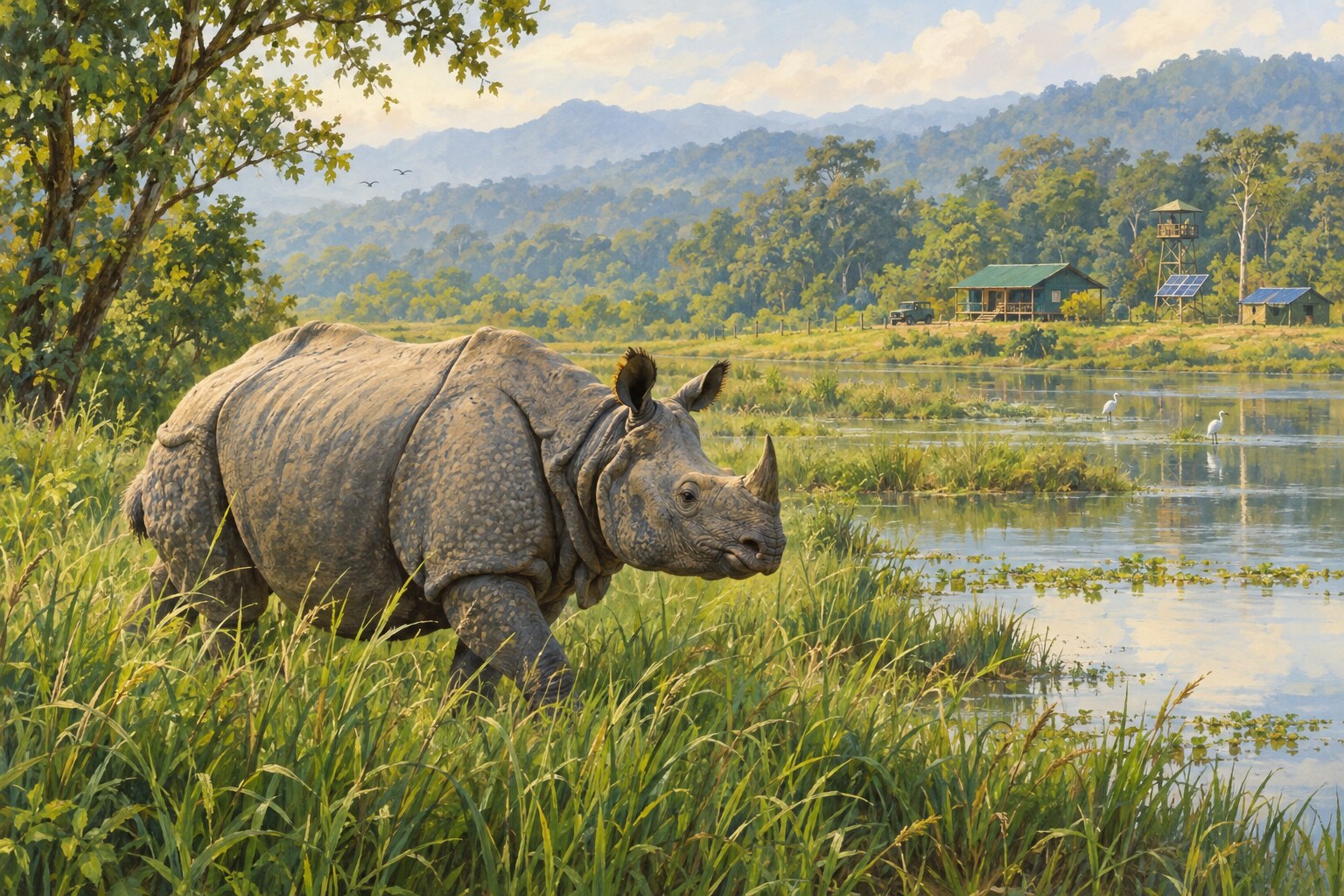
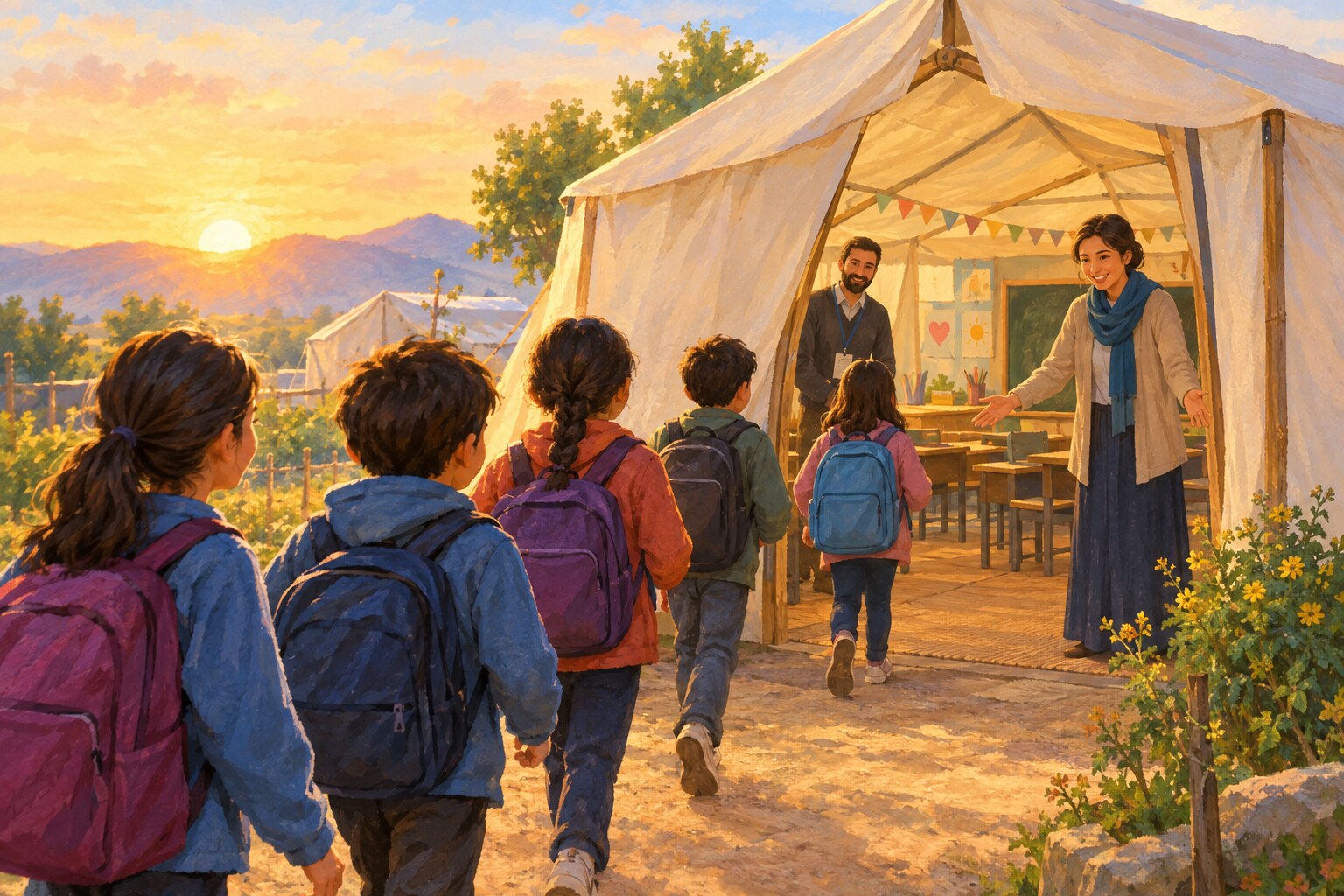
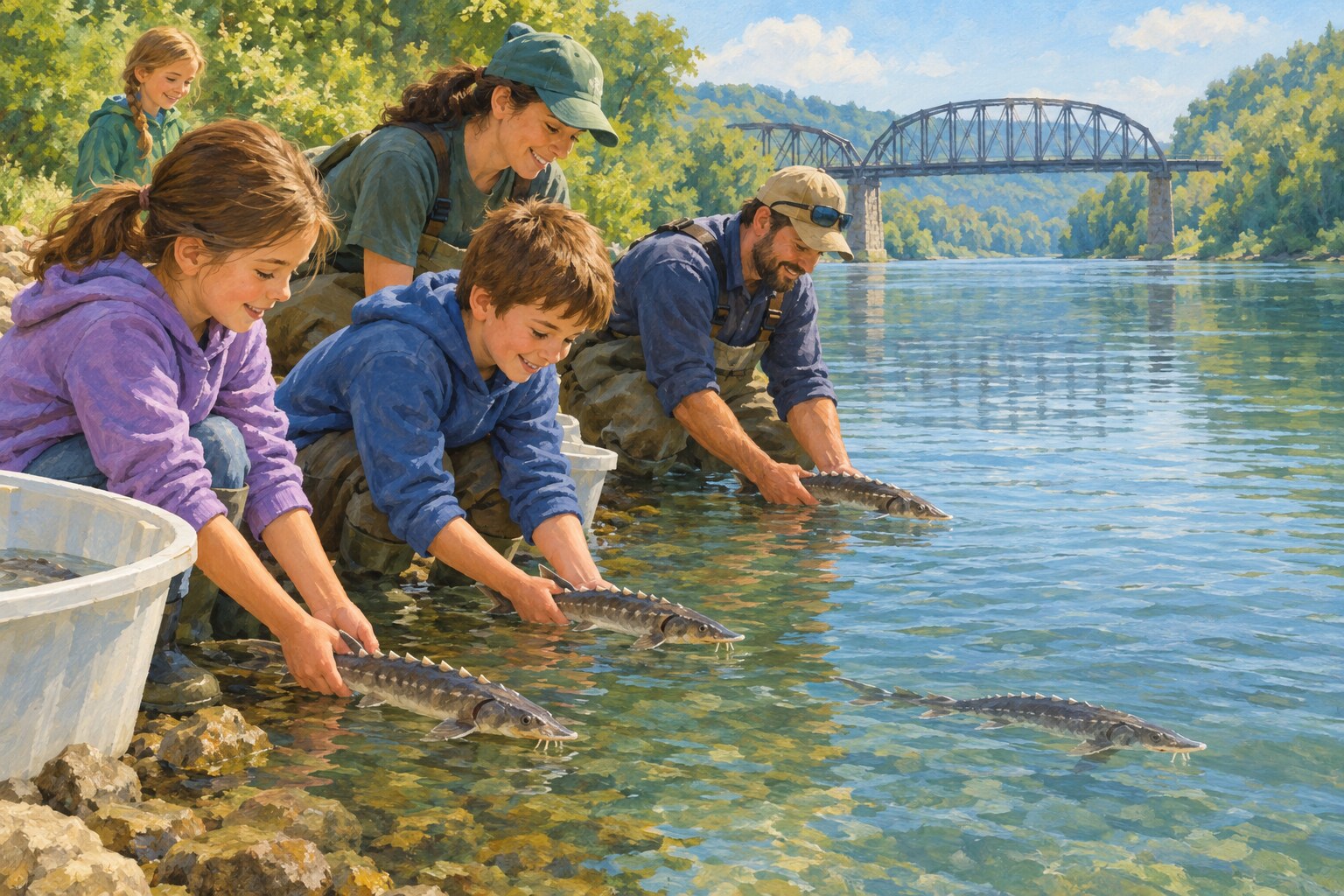
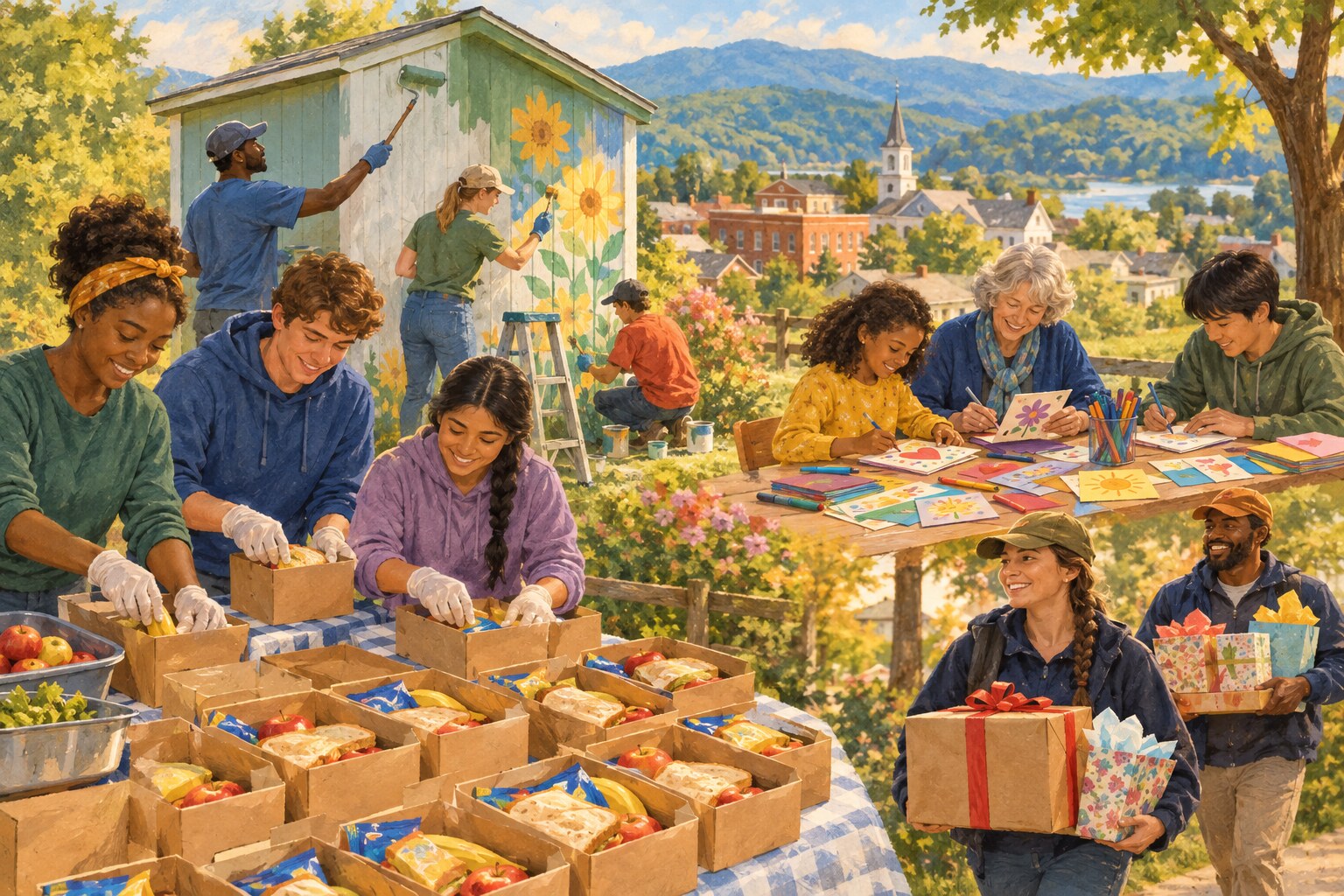
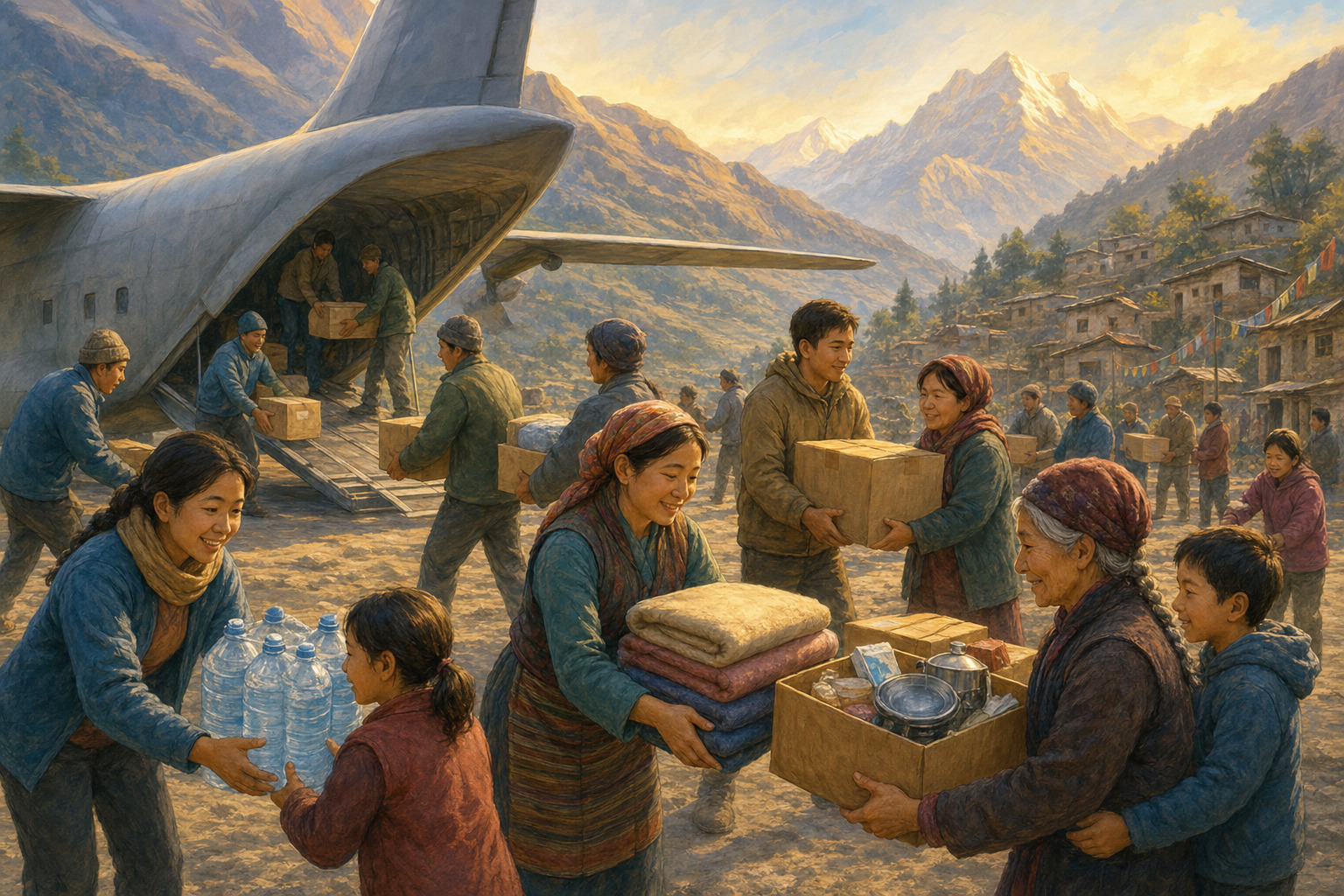
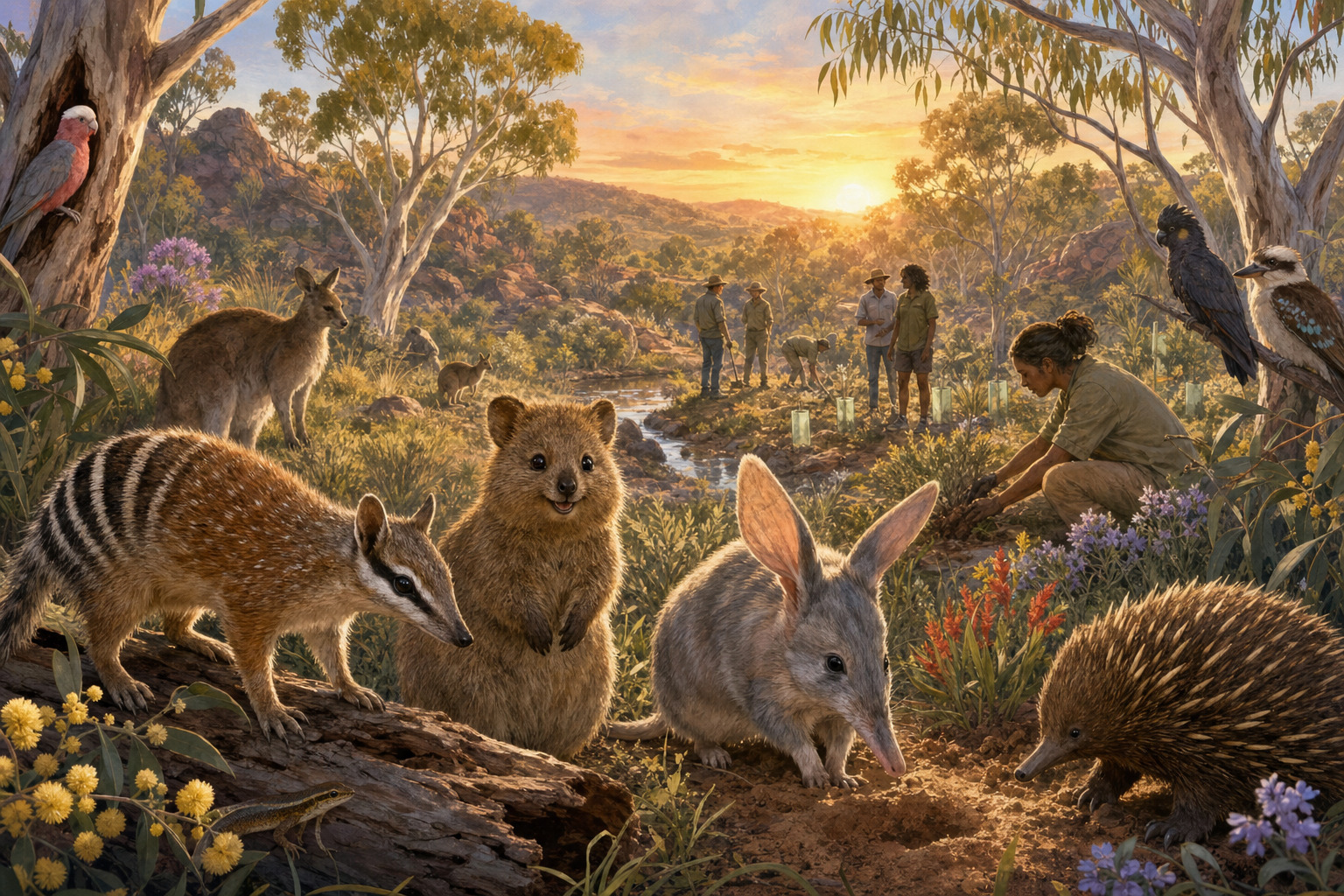
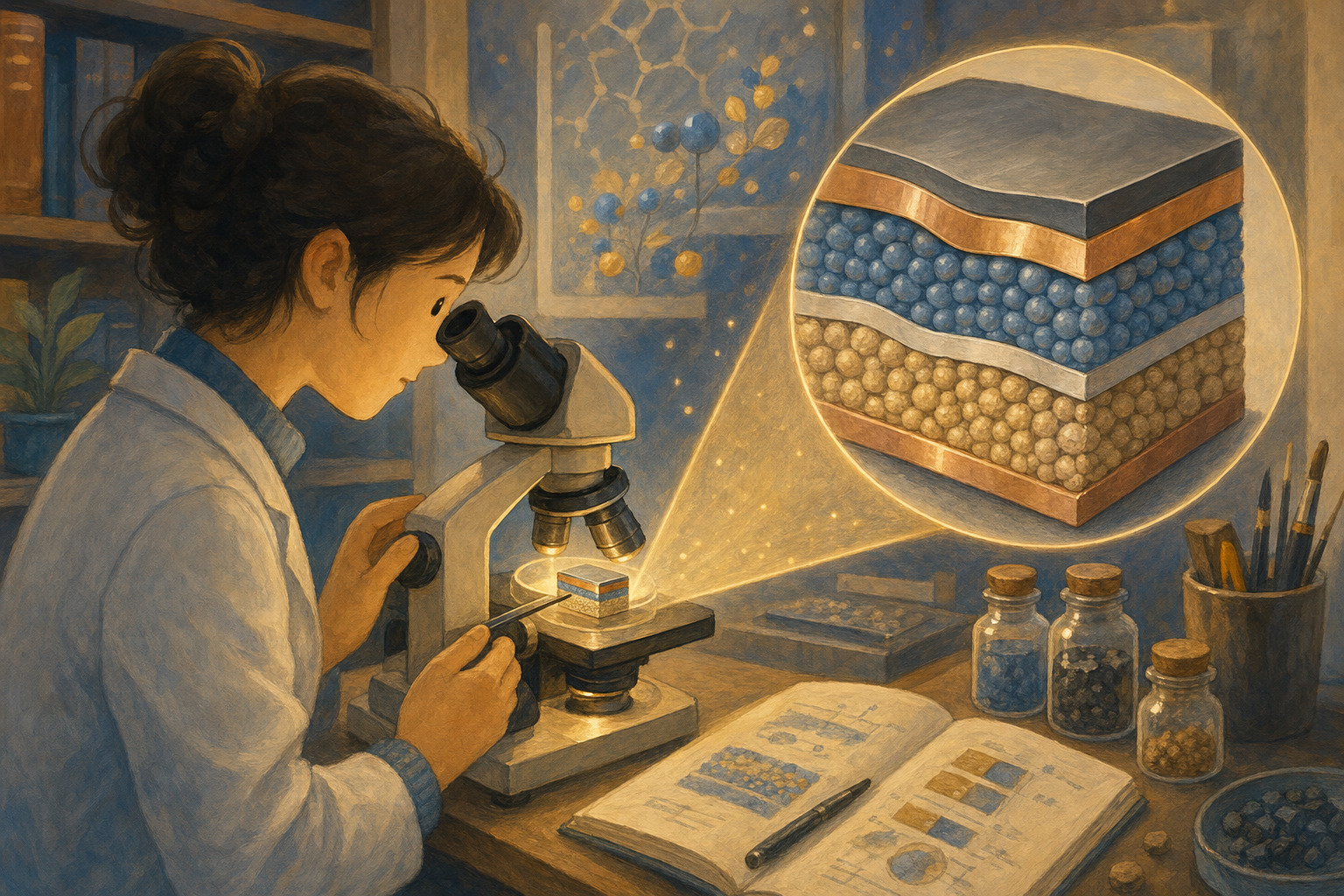
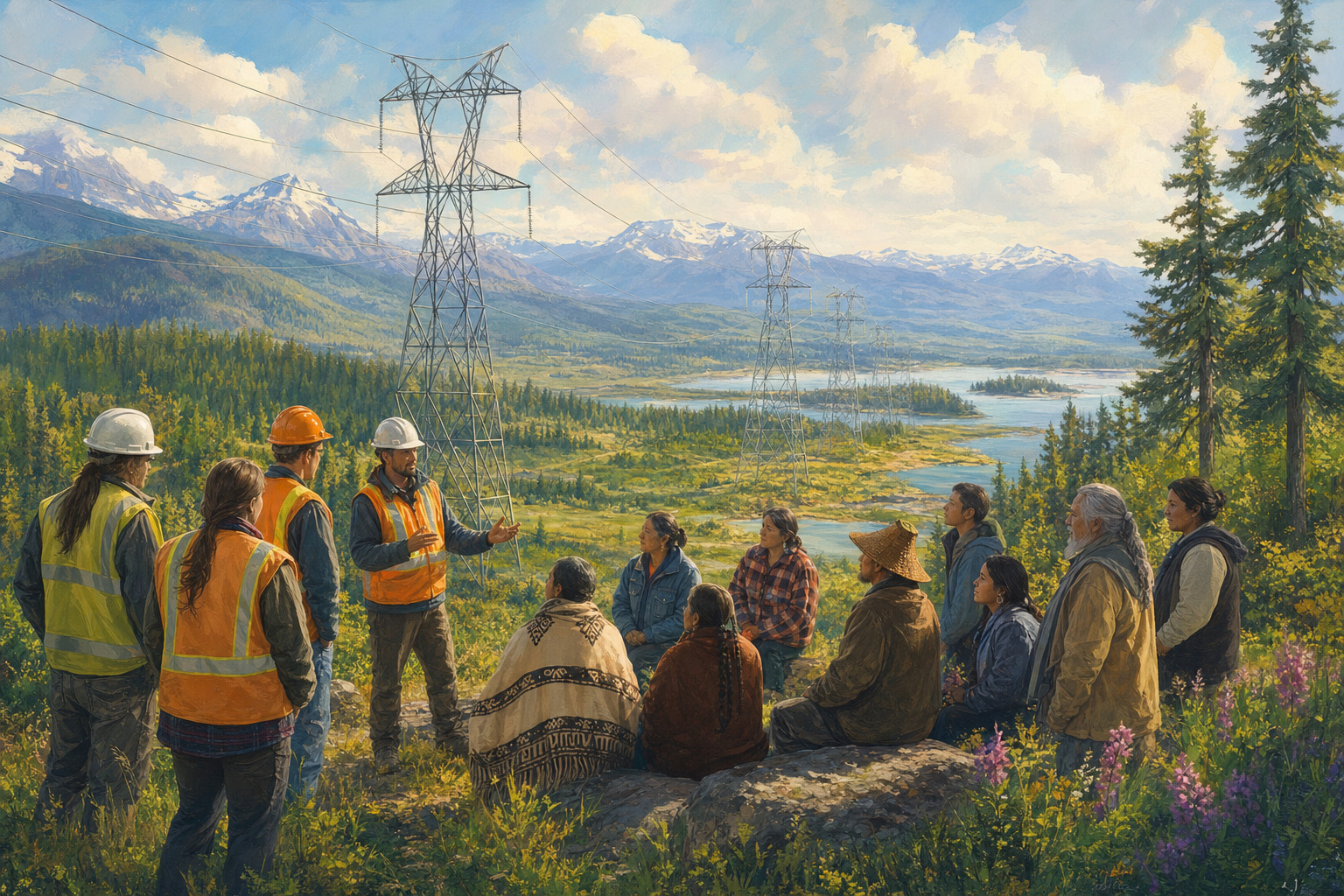
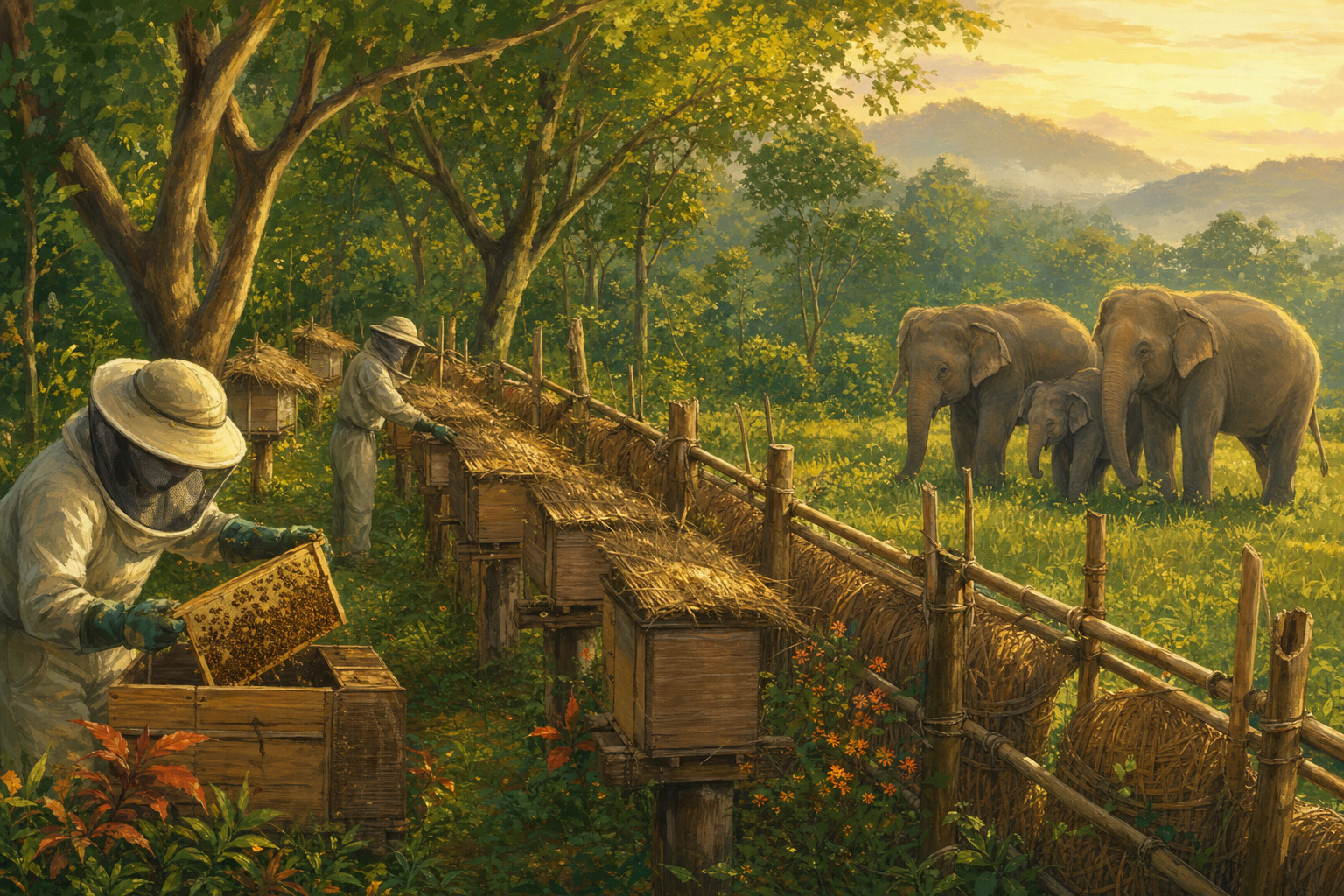
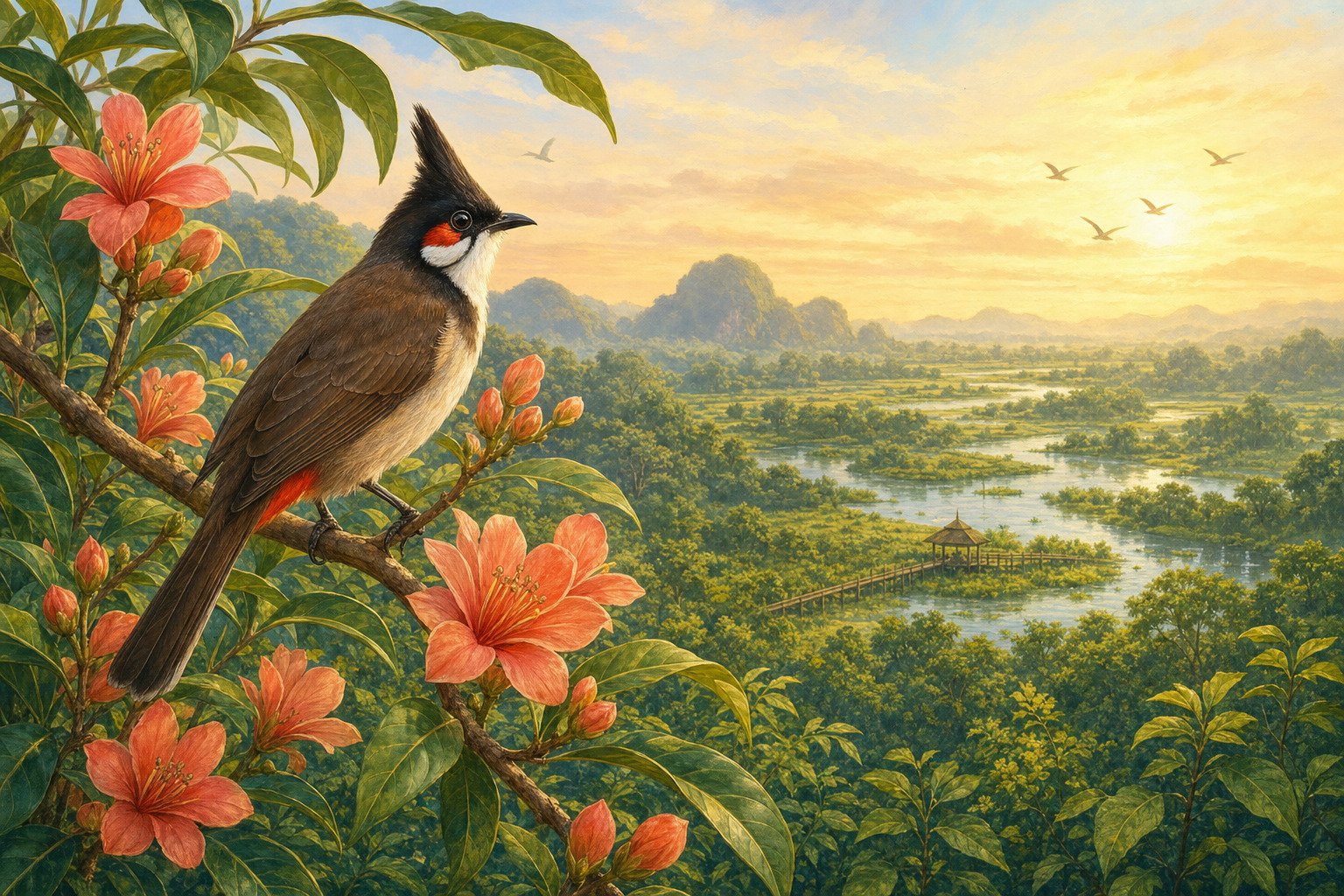
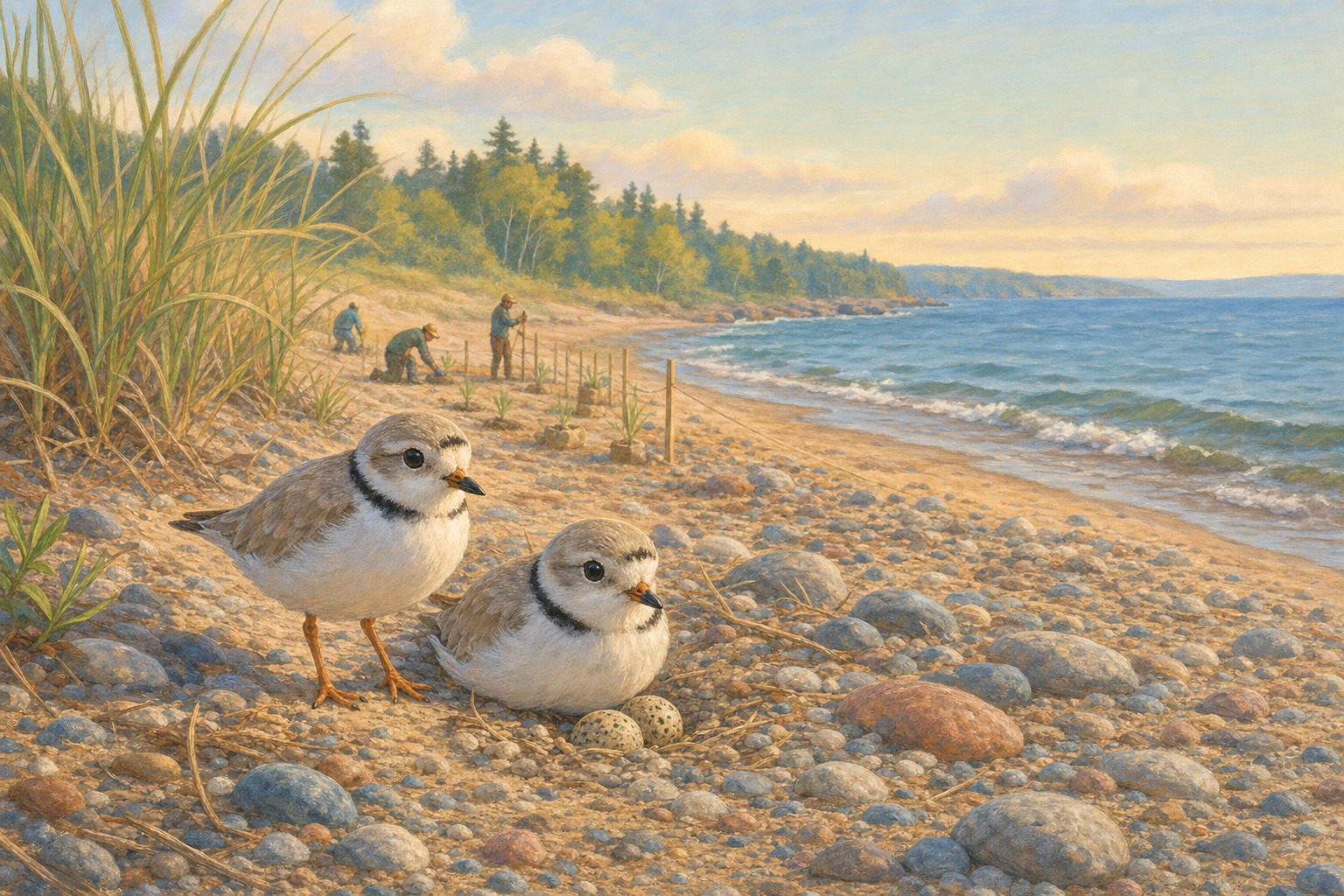
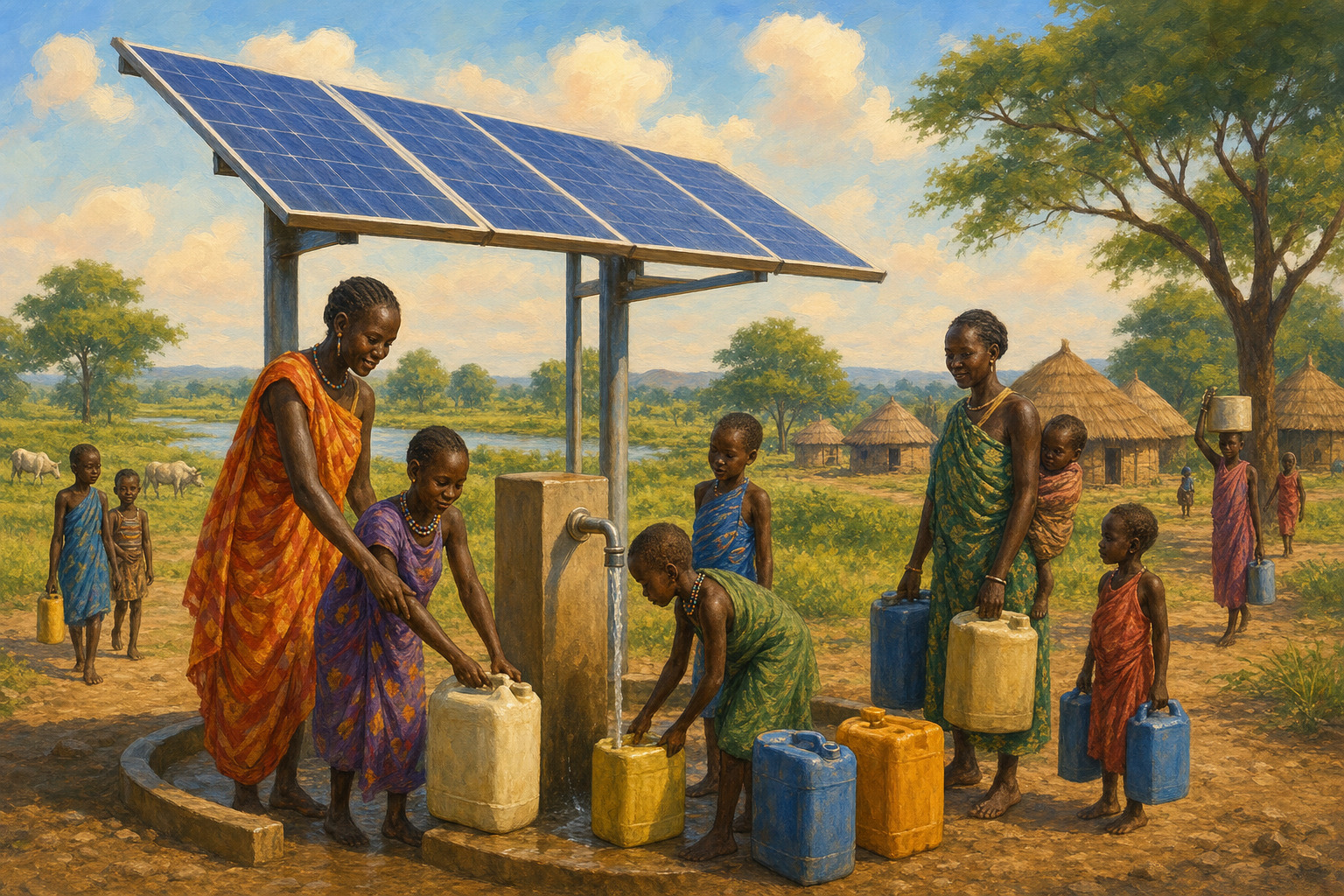
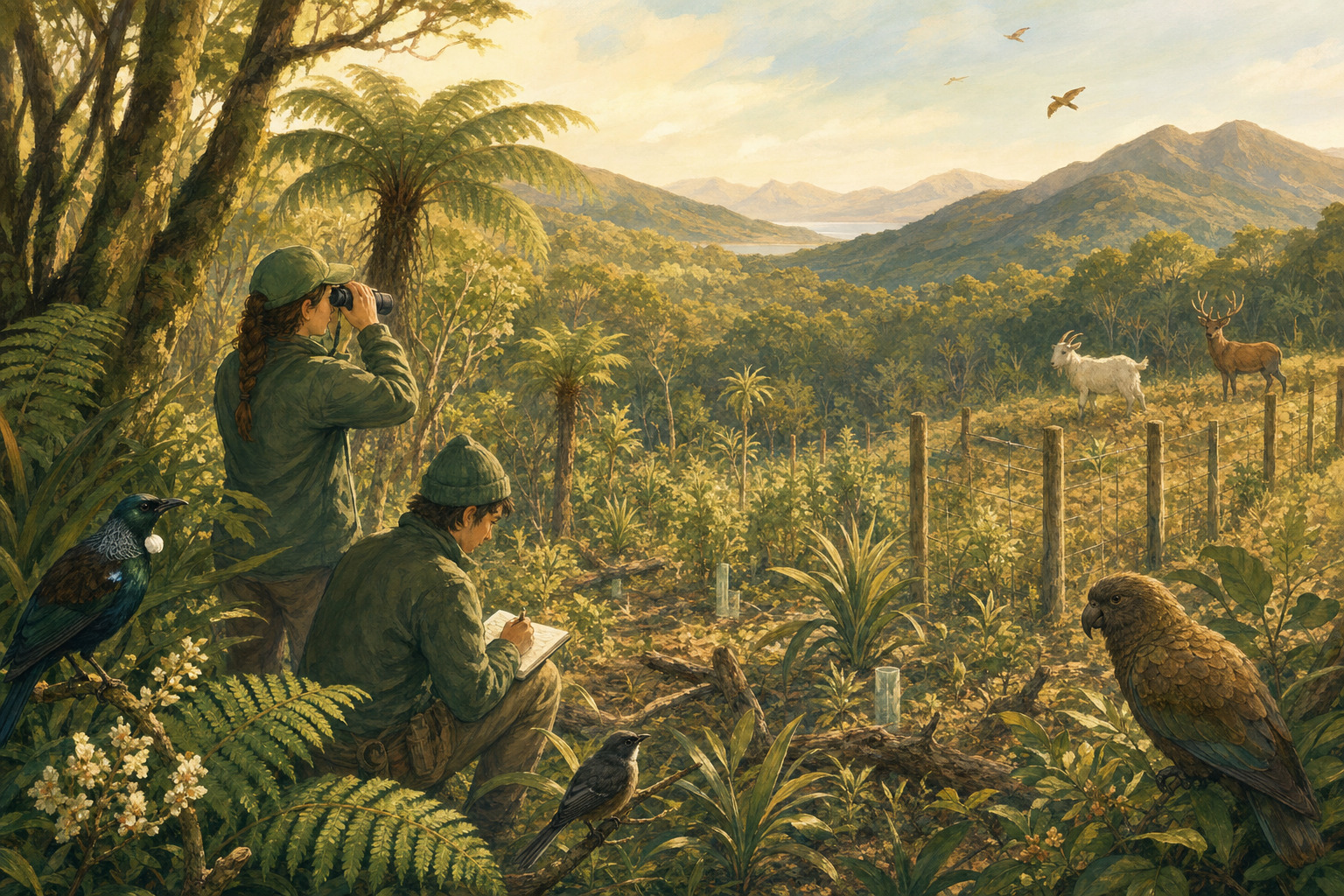
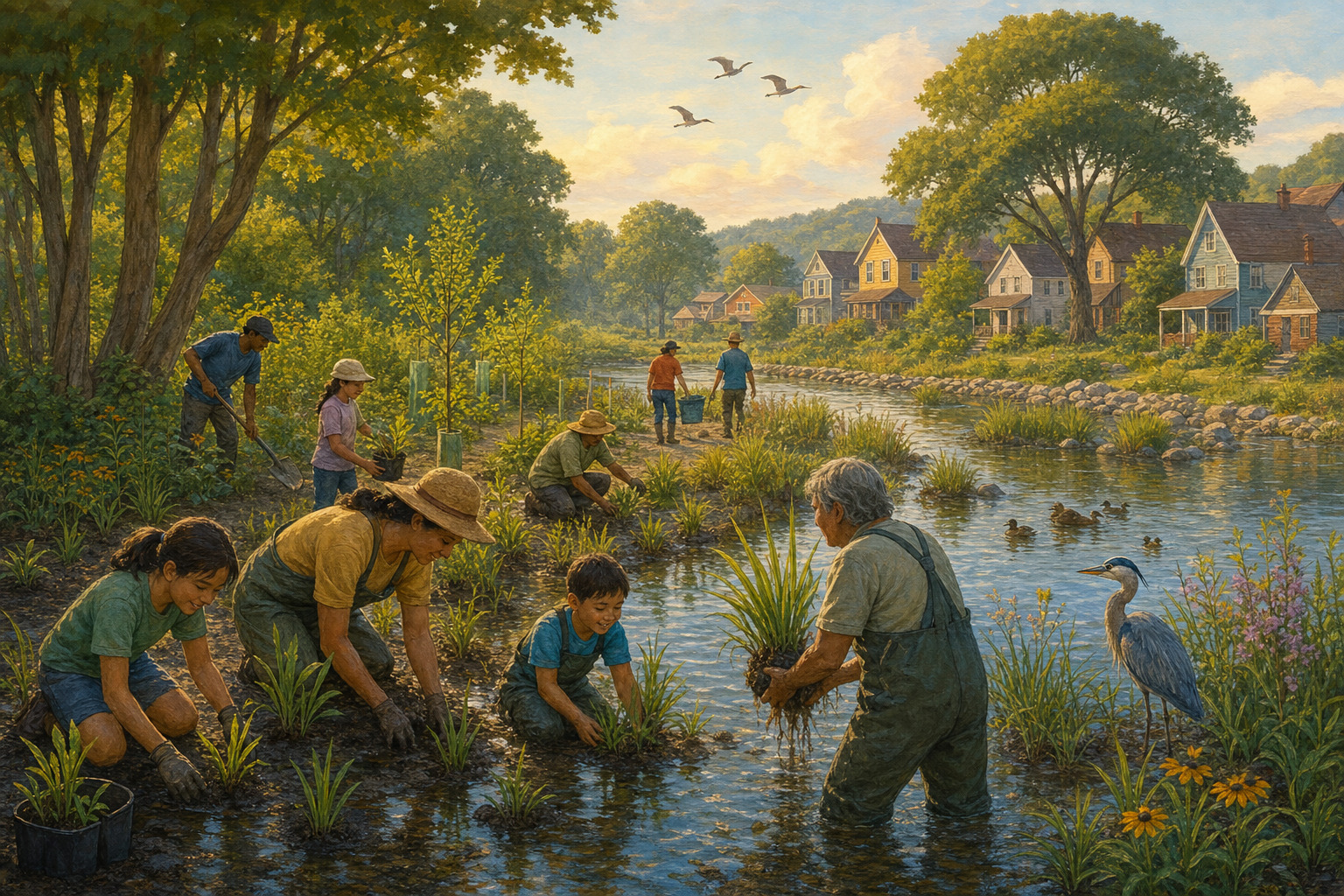
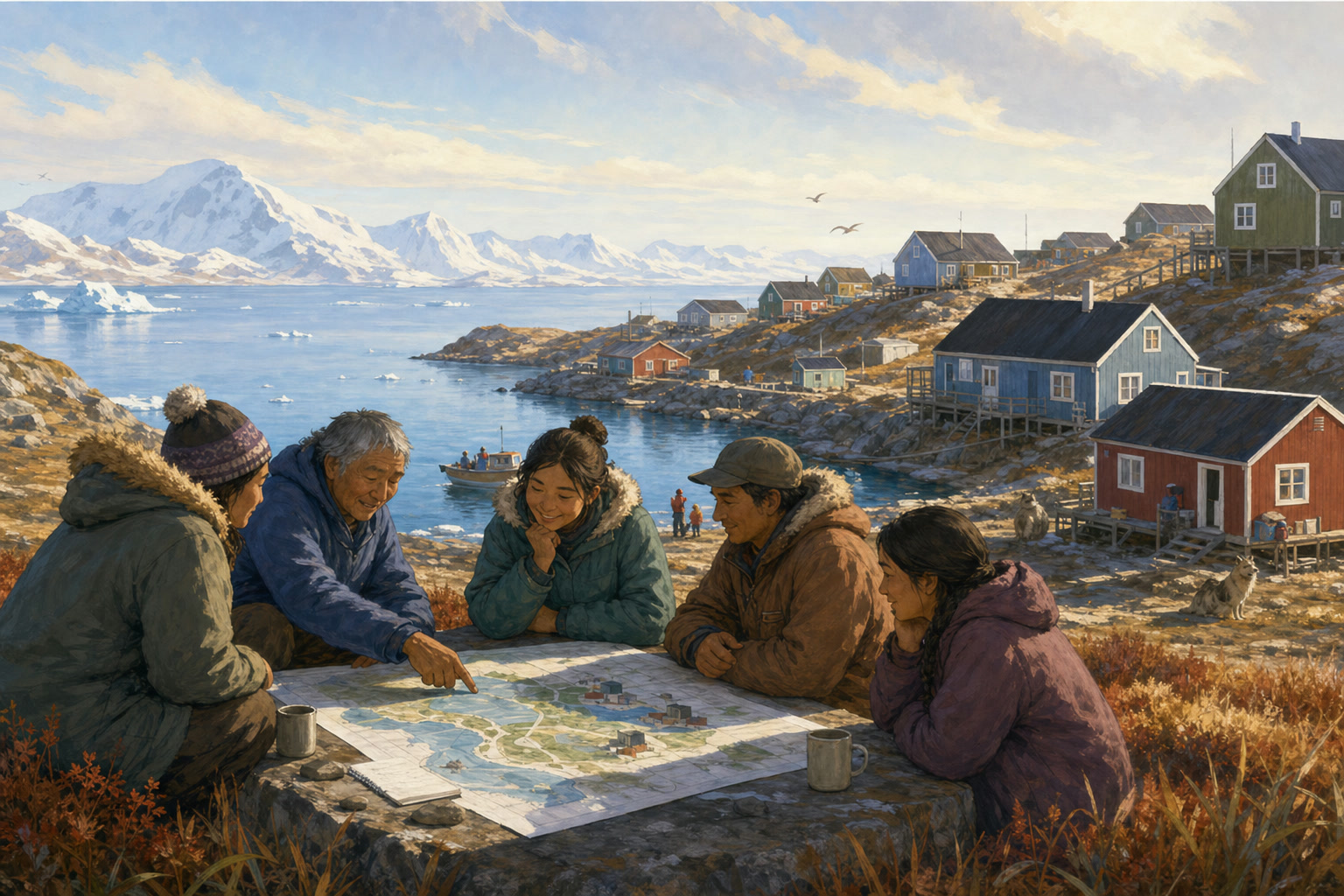
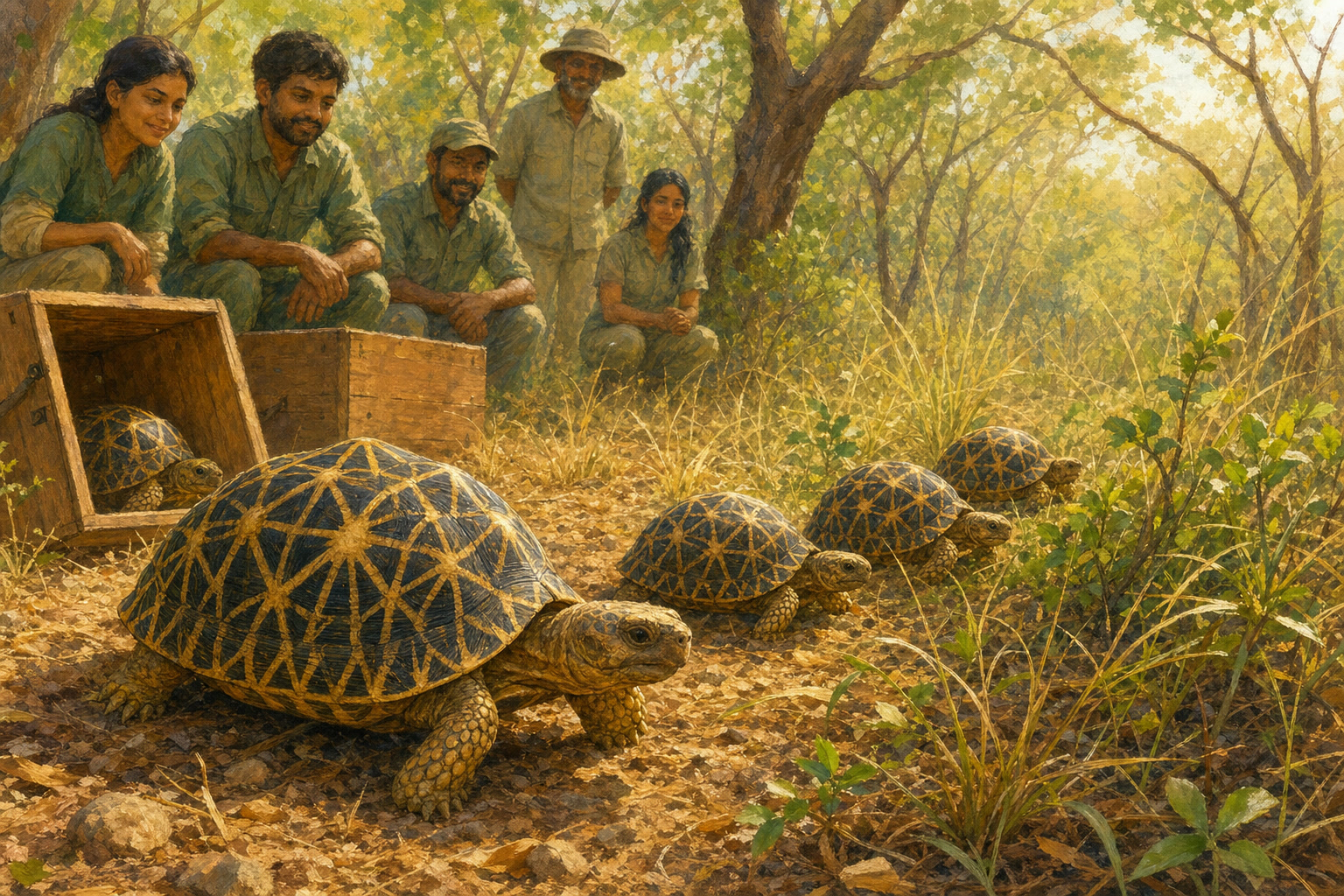
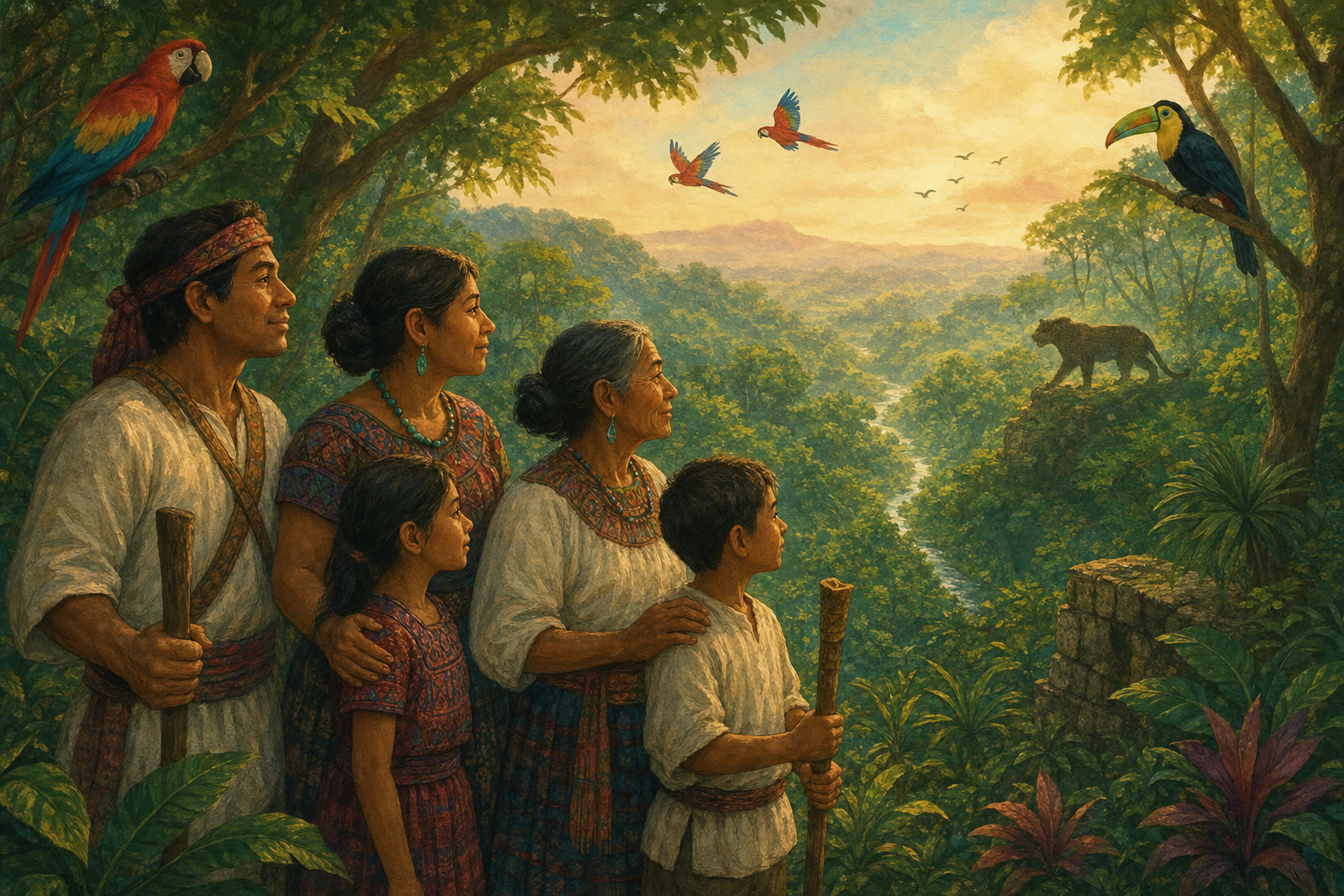
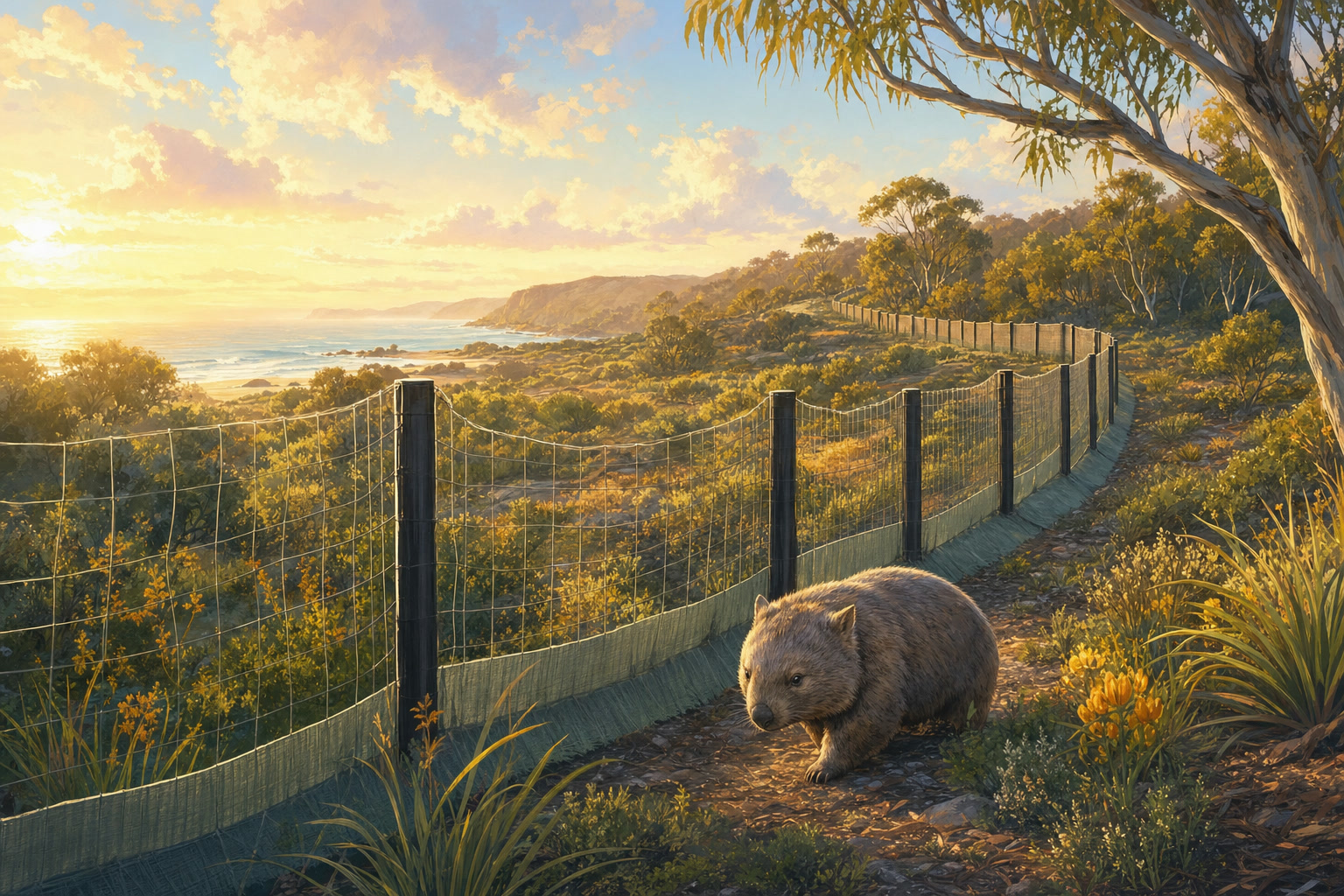
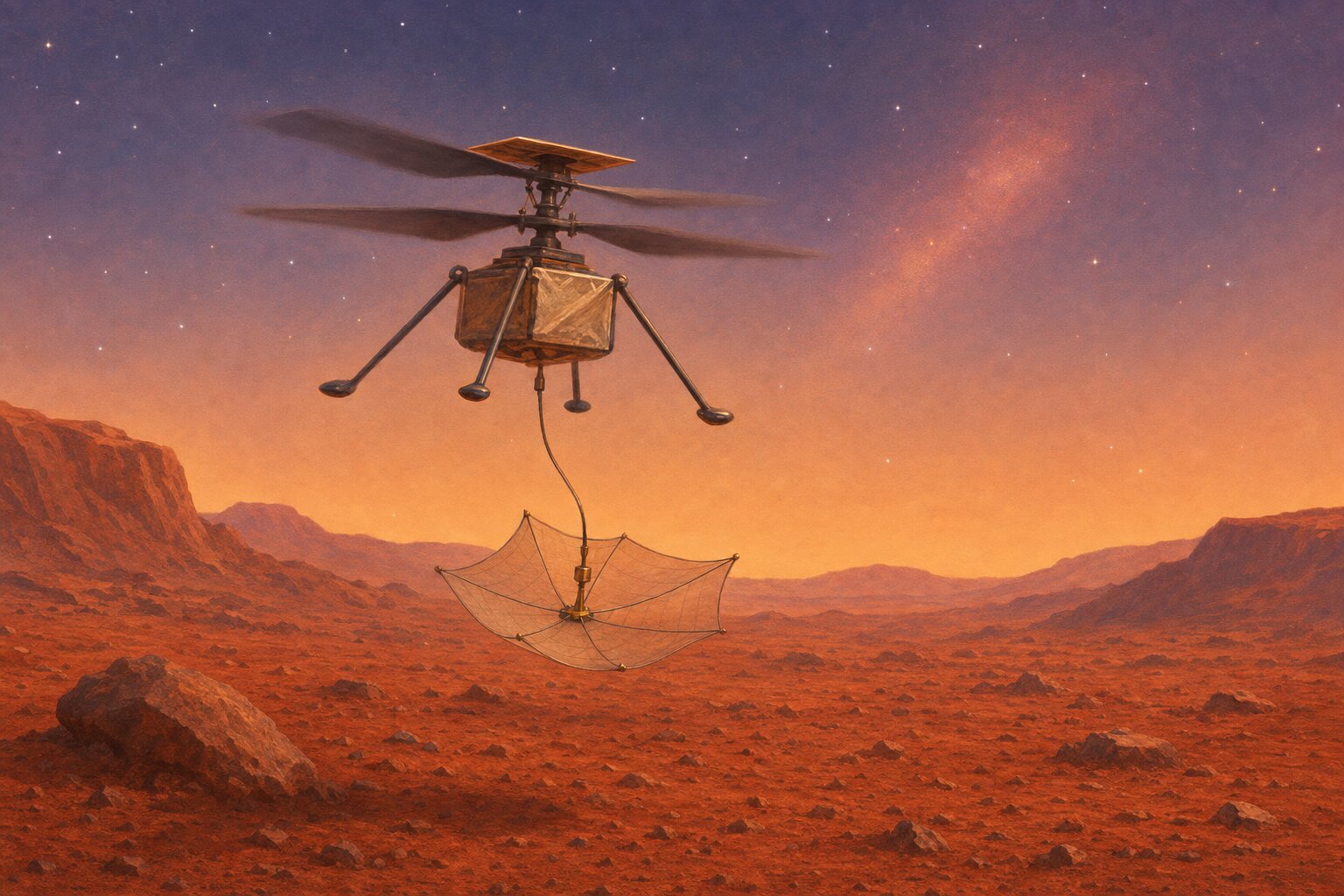
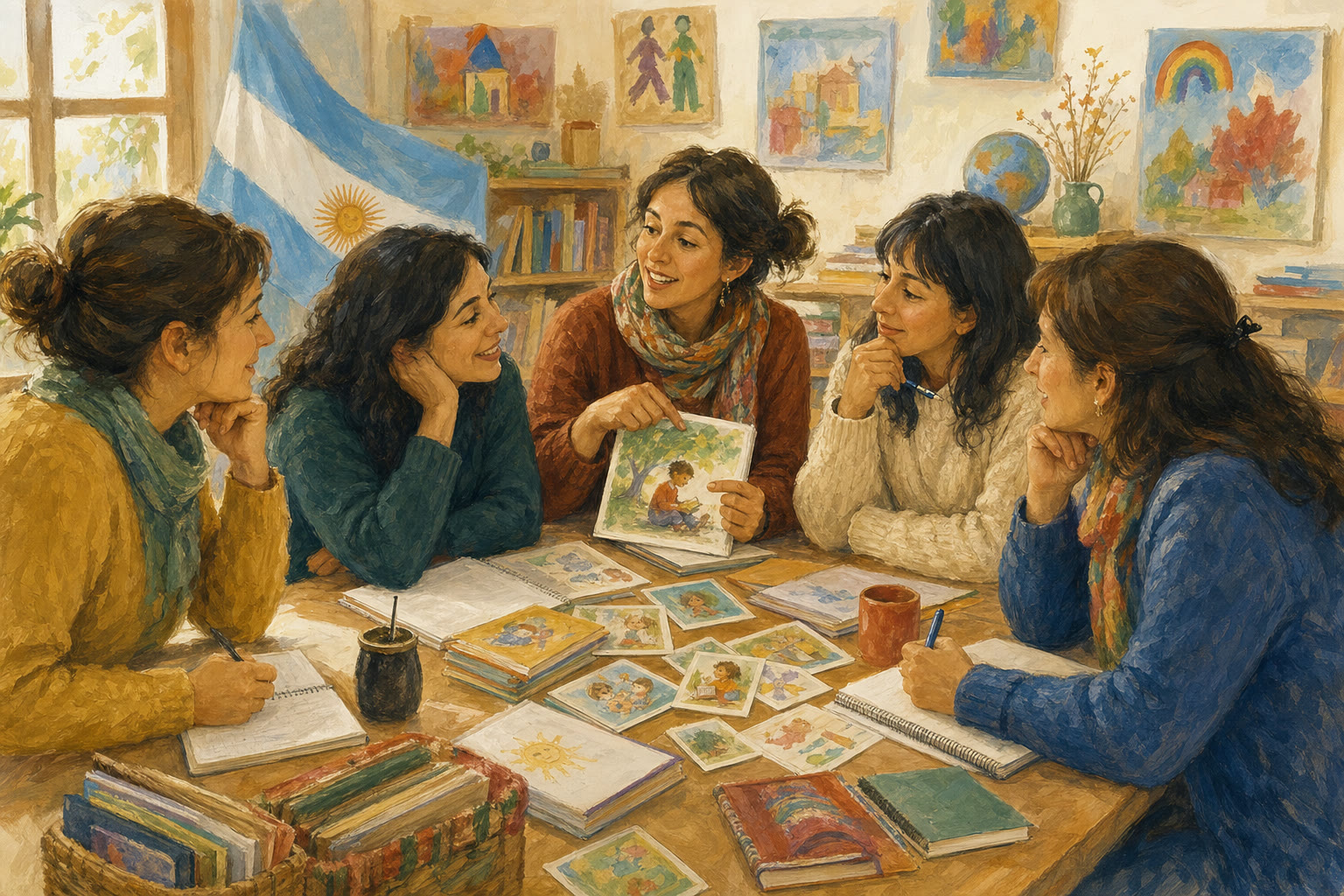
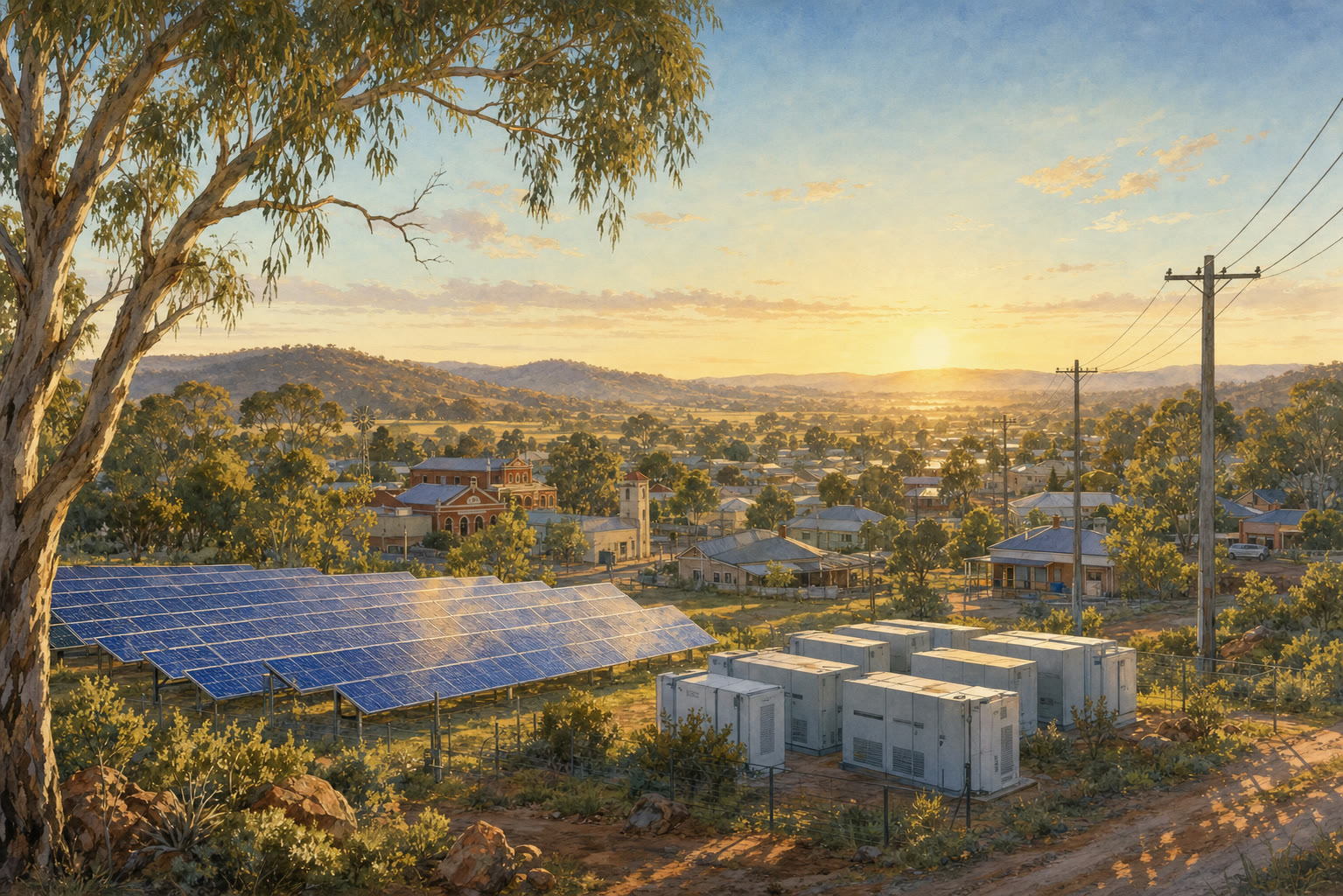
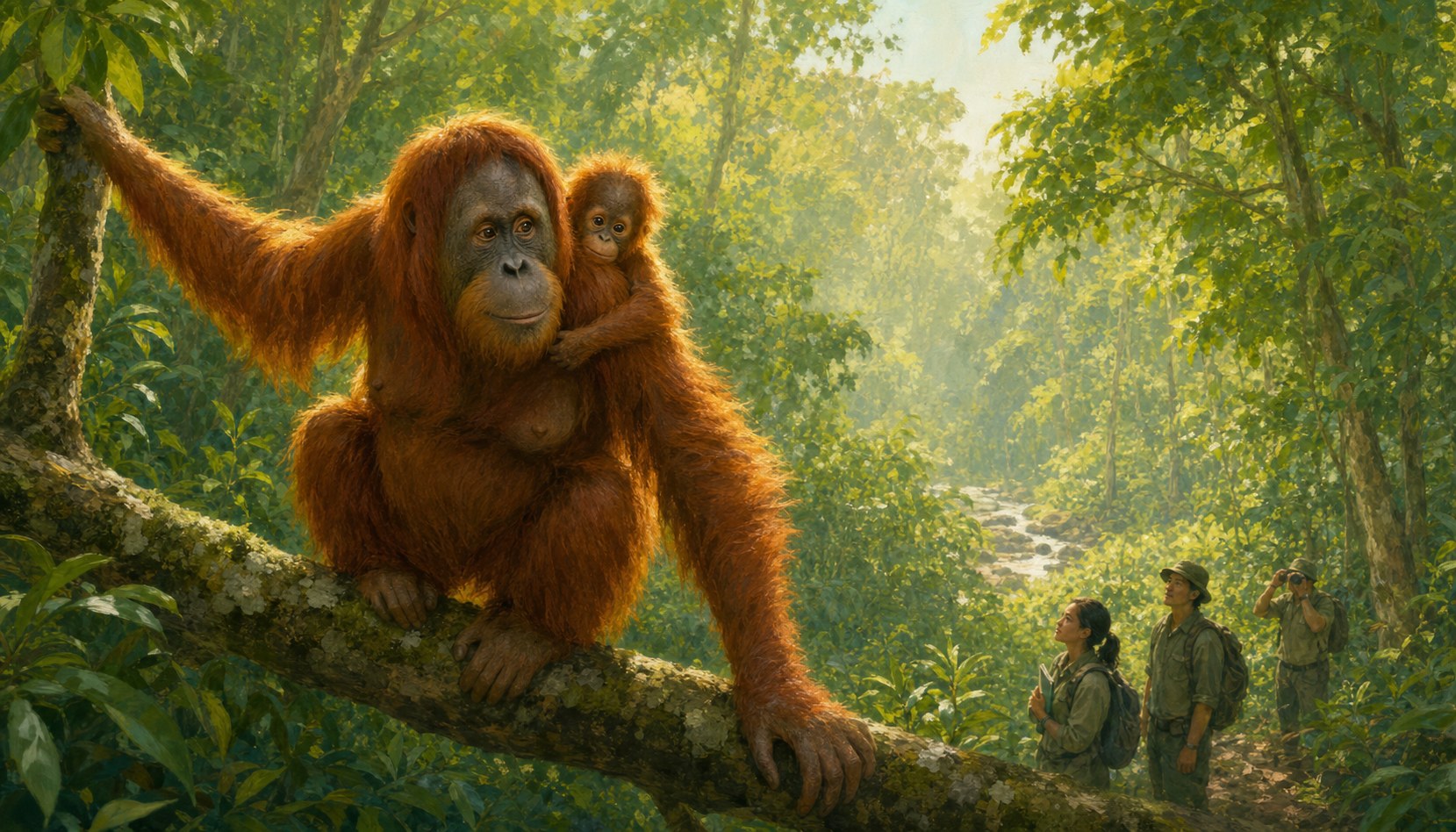
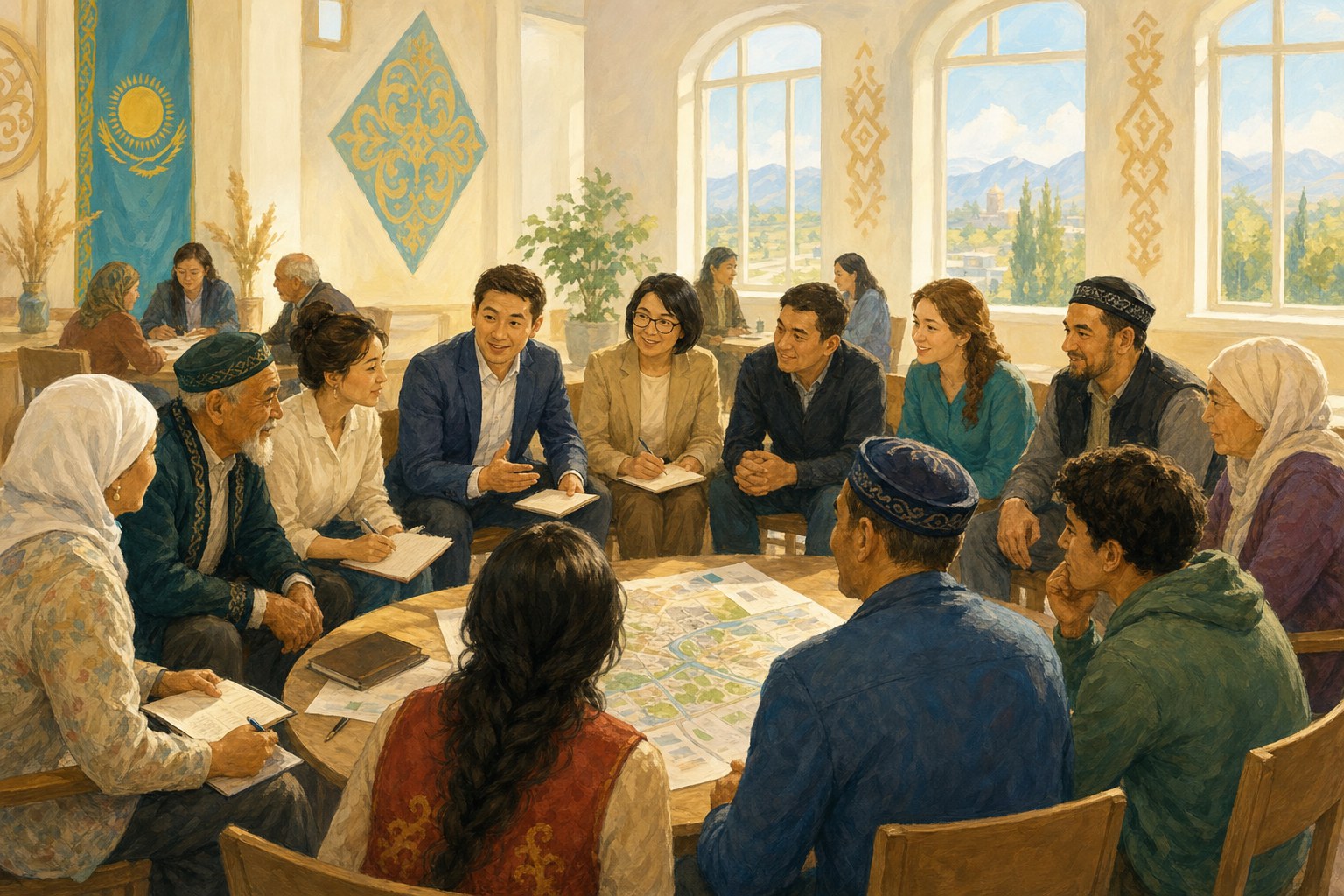
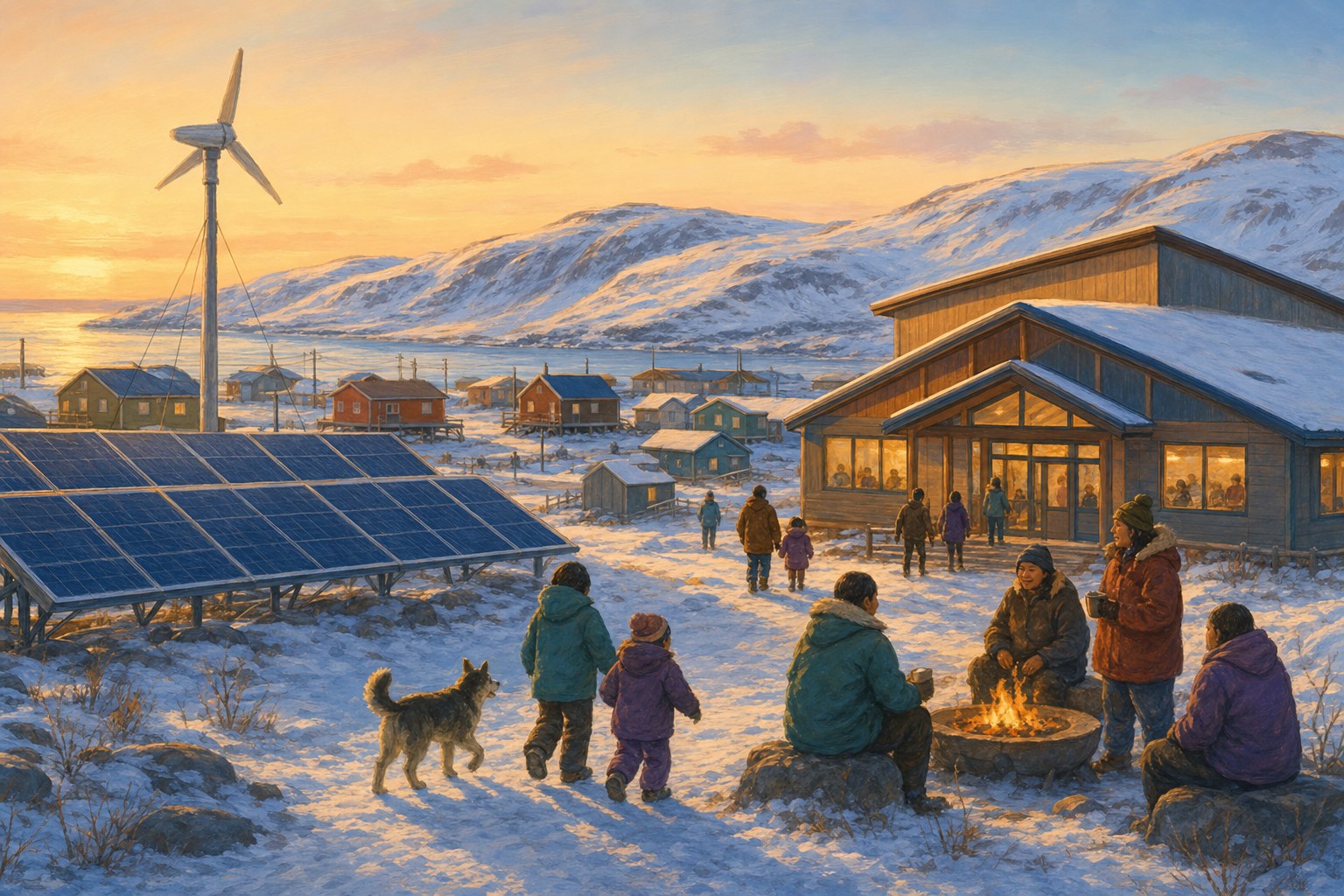
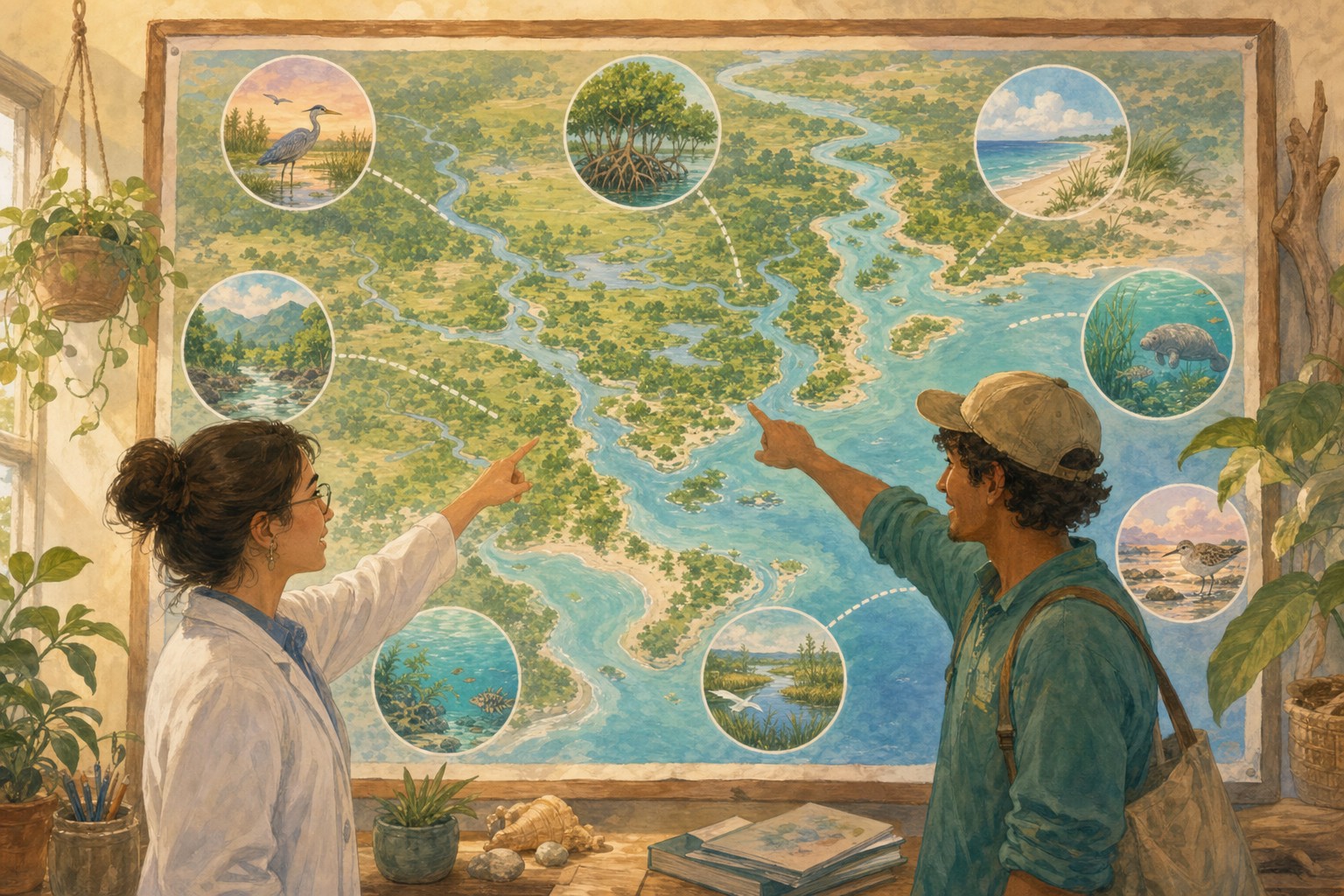
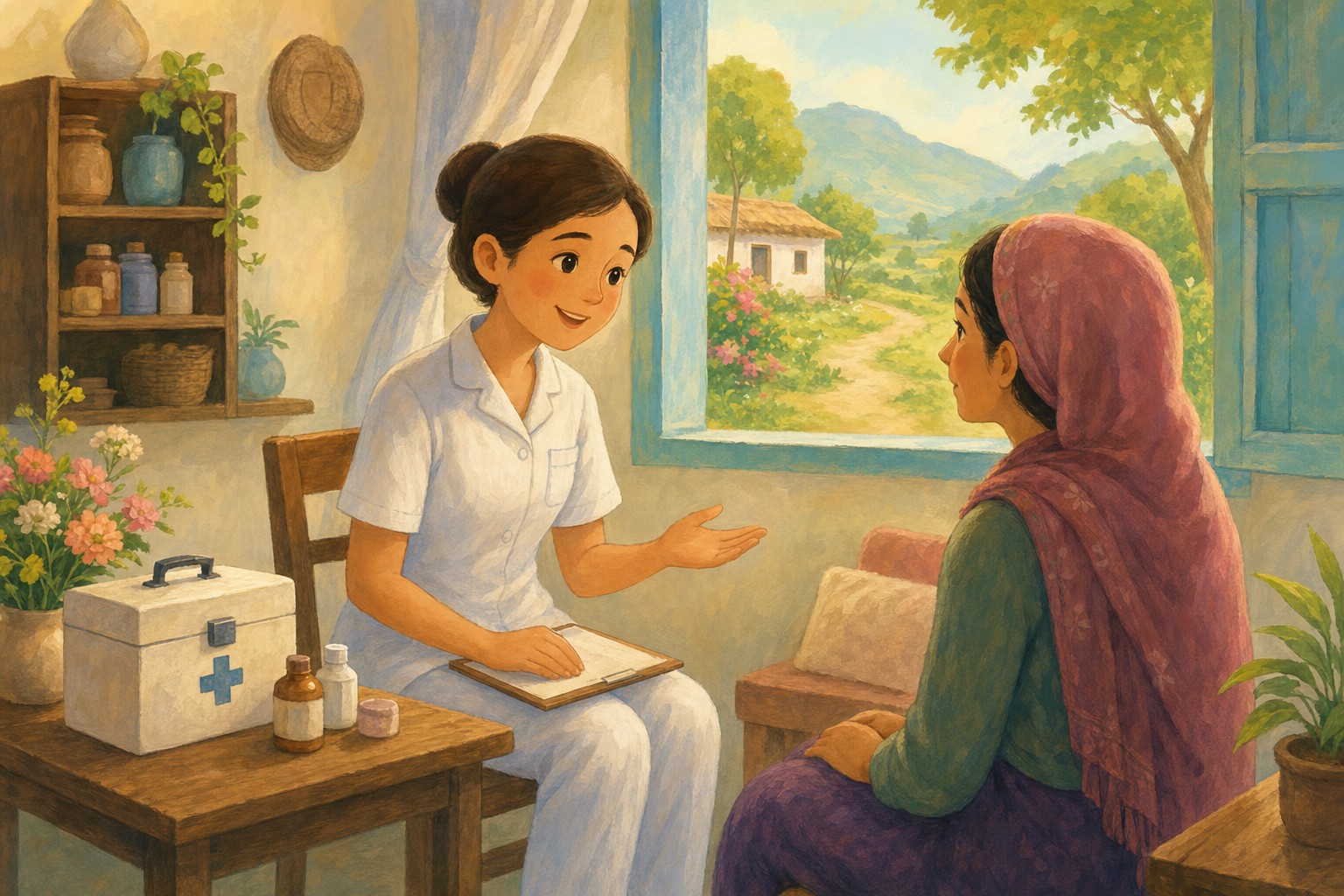
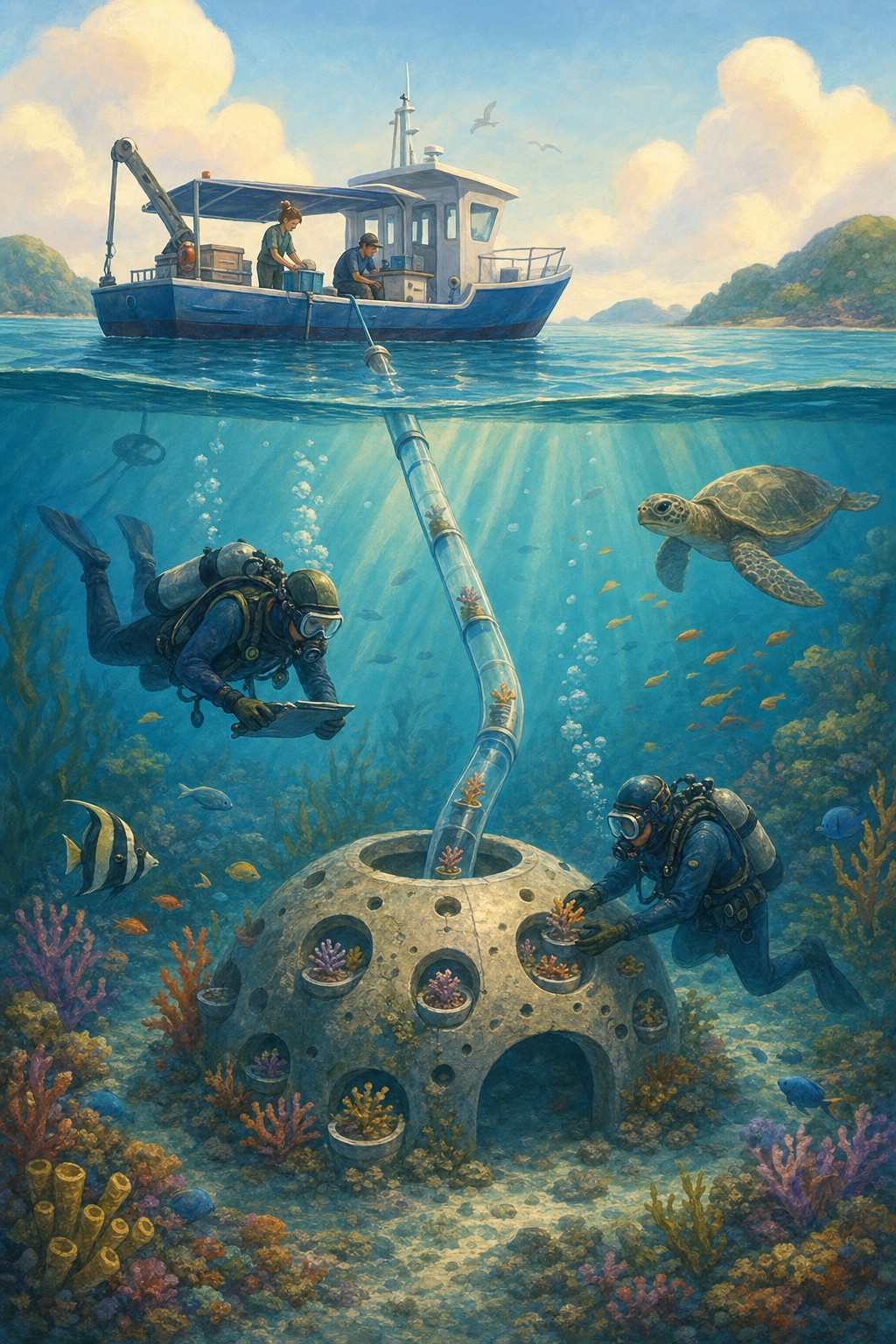
●The EPA Is Funding New Wetland Protection Projects Across the Mid-Atlantic●More Than 400 England Schools Will Add Clubs, Sports, and Outdoor Learning●New York Opened a $135 Million Push for More Efficient Homes●A Mount Sinai Study Offers Clues to a Rare CAR-T Therapy Complication●A Stranger Freed a Chained Dog From a Burning Van●A Volunteer Dental Group Has Helped Hundreds of Jamaicans for 10 Years●A Maryland University Promised Eligible Students a Lower Tuition Cost●Scientists Found Hafnia Can Keep Its Special Electrical Behavior at Tiny Scales●Researchers Found a New Target for a Malaria Vaccine●A Detroit Family Got Help Rebuilding After a Tornado●The Webb Telescope Found Young Galaxies Already Sharing the Ingredients of New Stars●New Grants Will Open More Room for Wildlife in the American West●A Malaysian Scholarship Program Has Helped 1,254 Students Stay in Higher Education●Mozambique Is Bringing More Partners Together to Power Rural Communities●Seven Everett Students Pushed a Stranger's Car Out of Traffic●A Pittsburgh Charity Has Given 10,000 Pieces of Equipment to Children●Aerial Maps Show Scotland’s Young Woodlands Growing Back●This Tiny Robot Can Choose How High It Jumps●Researchers Received a Major Grant to Work Toward Shorter TB Treatment●A Red Cross Volunteer Helped One Woman Feel Seen After a Typhoon●A Tiny Brain Implant Can Record, Stimulate, and Deliver Medicine●A New AWS Program Gives University Students Free Cloud Training●Saint Lucia Began a Project to Make Water Service More Reliable●A Coral Reef Thought Lost for 60 Years Is Alive Beneath Benin's Coast●A Student Helped Bring a School Bus to a Safe Stop●India Started a New Project to Protect Its One-Horned Rhinos●Gaza’s Children Returned to In-Person School After Nearly Three Years●A Bone-Marrow Study Offers New Hope for Mitochondrial Disease●New York Put Nearly $1 Billion Behind Cleaner, More Affordable Energy●Detroit Volunteers Helped a Family Get Back Into Their Home●UN Support Is Helping 13,000 Haitian Households Grow Food Again●Virtual Cells Could Help Scientists Test Medicines More Quickly●Young Lake Sturgeon Are Returning to Ohio’s Cuyahoga River●Egypt Planted 50,000 Mangroves Along the Red Sea●A Vancouver Good Samaritan Has Served 15,000 Meals to People in Need●A Virtual Team of AI Agents Helped Study 50,000 Clinical Trials●Ohio Approved Funding for Four Affordable Housing Developments●Scientists Found That the Brain Begins as Two Separate Systems●Tripura Plans Free AI Lessons for Students in 1,920 Government Schools●More Than 250 Volunteers Served 16 Nonprofits Across the Shenandoah Valley●A New Partnership Will Bring Faster TB Tests Closer to Patients●Vietnam Officials Removed More Than 20,000 Bird Traps Before Migration Season●A New Cooling Device Kept Working After One Million Cycles●UK Communities Can Now Build and Own More of Their Clean Energy●Volunteers Spent Three Days Helping 28 De Pere Homeowners●NASA’s Roman Telescope May Now Have 22 Years to Study the Universe●India’s Cheetah Population Has Reached 52 After Four Years of Reintroduction●A $2 Million Grant Will Help More Students Stay in STEM●A Compound Made by Gut Bacteria Helped Strengthen the Intestine●A Neighbor Pulled a 95-Year-Old Woman to Safety From a House Fire●Philippines Schools Secured 31,000 Work-Experience Slots for Students●A New Washington Habitat Will Help Protect the Critically Endangered Arabian Leopard●A Solar System Turned Seawater Into Fresh Water Without Liquid Brine●Australia Opened a $30 Million Launchpad for Clean-Energy Startups●Daegu Volunteers Served Warm Meals to 1,200 People Before Chuseok●A Large Review Found Whole Grains Helped Improve Several Heart-Health Measures●Egypt’s Red Crescent Sent 3,490 Tons of Aid Toward Gaza●Predator Control Gave Native Wildlife a Safer Season in New Zealand’s Kahurangi National Park●England Set New School Food Standards for Healthier, More Balanced Meals●Neighbors Helped Elderly Residents Escape a Glendale Fire●A Study Found That Deaf Adults’ Brains Give Extra Attention to Peripheral Vision●NOAA Awarded $103 Million to Restore Fish Habitat Across the United States●Sri Lanka Started a 300-Megawatt Solar Programme With a New Veyangoda Plant●Chile Became the First South American Country to Eliminate Dog-Transmitted Rabies●A Scottish Wrestling Club Keeps the Mat Open to Every Child●UCLA Researchers Made Ready-to-Use Cancer-Fighting Cells From Cord Blood●Five Students Helped Bring Clean Water to a Ghanaian Community●The UK Plans to Invest £400 Million in a Fund for Tropical Forests●A London Hospital Recruited the First Patient for a Rare Blood Cancer Trial●Johannesburg Youth Turned a Day of Work Into Meals for 200 Children●A Pittsburgh Coyote Was Freed From a Very Tight Spot●Average Incomes More Than Doubled in Nine African Countries Over a Generation●A London High-Rise Is Showing What Stone Can Do●A New Campaign Will Plant 3,000 Trees in Memory of 9/11 Victims●New York Volunteers Turned a Day of Remembrance Into Meals for Neighbors●A Quantum Computing Method Cuts Some Operations From Thousands of Steps to One●Restored Wetlands in British Columbia Passed Their First Big Flood Test●New Brunswick Schools Are Rolling Out Affordable Lunches for Every Student●A New RSV Vaccine Vial Could Help Protect More Babies●Three Grove City Neighbors Turned a 24-Mile Run Into Help for First Responder Families●Six Orangutans Were Rescued From Fire-Stranded Forests●Scientists Finally Watched Two DNA Strands Lock Together●Canada Began Building a Large Carbon Storage Hub in Alberta●Nigeria Will Give Students Daily Data for Online Learning●Neighbors Lifted a Car to Free a Trapped E-Bike Rider●A New Alberta Partnership Aims to Build at Least 1,460 Affordable Homes●Quantum and Classical Computers Worked Together to Model a Very Large Protein●Uganda and Conservation Partners Made a Ten-Year Plan for Ishasha Wildlife●Mental Health Support Before Surgery Helped Older Adults Recover With Less Distress●Cary Neighbors Turned a Difficult Week Into a Community of Care●An Air Bridge Carried Emergency Supplies to Flood-Hit Families in Nepal●Western Australia Celebrated 30 Years of Helping Native Wildlife Recover●A Quantum Experiment Found Einstein's Gravity Rule Still Held for Falling Atoms●Hong Kong Students Performed Strongly in a Global Digital Learning Assessment●A Good Samaritan Held a Child Safely Above the River Until Help Arrived●A Smoother Battery Surface Could Help Scientists Read Ion Movement More Clearly●British Columbia Began Building a New Line for Clean Electricity and Jobs●Kenya’s Coastal Communities Are Giving Sea Turtle Hatchlings a Safer Start●College Freshmen Helped Rochester Families Start School With a Little Less Stress●A Tailored Exercise Plan Reduced Atrial Fibrillation in a Yearlong Trial●Caraquet Is About to Add 24 New Public Homes●Australia Is Backing a New Push to Make Solar Cells Last Longer●The Virgin Islands Opened Their First Climate-Resilience Grant Call●England’s Expanded School Support Is Giving Families More Room to Breathe●A Backyard Party Turned Into $1,750 for Neighbors Facing Hunger●Scientists Show That a Natural Enzyme Can Read an Expanded DNA Alphabet●The Philippines Expanded Its Free-Tuition Law to Help Students Stay in School●South Korea Plans a Bigger Climate Budget With More Support for Solar Power●Five Rescued Orangutans Are Learning the Skills They Will Need in the Wild●A Group of Strangers Worked Together to Rescue a Man From a River●Scientists Found How Practice Helps the Brain Get Better at Multitasking●Beehive Fences Are Giving Elephants and Farmers More Room to Live Alongside One Another●Sokoto Began a Campaign to Plant 500,000 Trees●A New Ebola Vaccine Has Entered Its First Human Trial●Volunteers Built a Dream Playset for a Girl in Cancer Remission●Thailand Added 40 More Protected Areas for the Red-Whiskered Bulbul●Singapore Red Cross Sends More Aid to Flood-Hit Communities in Nepal●A Neighbor Looked Up, and a Whole Community Helped an Older Woman●New Grants Will Restore Forests and Wetlands Along the Lower Mississippi●Europe's Countries Have Started Turning Nature Restoration Into a Plan●A Good Samaritan Stayed With an Elderly Man Until Help Arrived●Five Greater Flamingo Chicks Hatched at a Thai Zoo●Rooftop Solar Met Nearly All of South Australia’s Demand●A Tainan Company and Its Employees Raised NT$810,000 for Students●A Tiny New Device Lets One Sensor Read Magnetic Fields in More Than One Direction●A One-Time Gene-Editing Treatment Lowered Cholesterol in a Small Yearlong Trial●Scotland Is Building One Clearer Path to Learning Support●Astronomers Found New Clues for Reading How Galaxies Change●Cleveland Clinic Performed Ohio’s First Robotic Nipple-Sparing Mastectomy●DR Congo and M23 Set a Roadmap for Peace Talks●High-Resolution Scans Could Help Doctors Spot Joint Damage Earlier●Tiny Nanoantennas Help Scientists See Signals Inside Living Cells●Education Projects in Gaza Are Helping Children Keep Learning●A Blight-Tolerant American Chestnut Cleared a Major Regulatory Step●A Volunteer Started a Chain Reaction to Help a Homebound Senior●Two New Free Preschools Opened for Families in Queanbeyan●A Clinical Trial Found Extra Liver Benefits From a Low-Carb Diet●The UK Is Putting £28 Million Into Storing Clean Energy for Longer●After Nearly 40 Years, Nipigon Bay Is No Longer an Area of Concern●A Thank-You Letter Brought a 77-Year-Old Back to the Office That Helped Him●Researchers Built a Cooling System That Runs on Heat Instead of Electricity●Uganda Declared Its Ebola Outbreak Over After 42 Days Without a New Case●A New Global Facility Will Help Countries Prepare for Drought●A New RNA Approach Helped Restore a Missing Protein in Cystic Fibrosis Models●A Stranger Saw a Bronx Family’s Story and Sent Help●Tiny Soft Robots Can Keep Leaping While Infrared Light Shines●Plug-In Solar Is Now Legal Across Great Britain●Endangered Piping Plovers Nested on Wisconsin Point for the First Time in 49 Years●A New Program Will Help 200,000 Sudanese Children Return to Learning●An 11-Year-Old Stayed With an Older Man Until Help Arrived●Solar-Powered Water Stations Are Bringing Clean Drinking Water to South Sudan●A Deep-Underground Experiment Has Begun Its Search for Dark Matter●Four U.S. Communities Will Test Local Plans to Improve Children’s Health●Baton Rouge Workers Spent Their Morning Packing Food Boxes●New Zealand Parks Will Get Four Years of Help to Recover From Wild Goats and Deer●A Quantum Computer Gave Scientists a New Way to Study Complex Matter●Twenty-Eight Baton Rouge Leaders Joined a Program to Improve Local Schools●Victoria Opened Australia’s First Offshore Wind Auction●A Nine-Year-Old Raised $525 for a Food Bank With a Lemonade Stand●Eight Research Institutes Will Push Quantum Science Forward●A New $7.5 Million Fund Will Help Communities Use Nature to Adapt to Climate Change●Tamil Nadu Plans a New Science Institute and More Help for Students●A Shingles Vaccine Was Linked to Lower Dementia Risk in a Large Study●A Hawaiʻi Family Kept Bringing Meals to Older Neighbors After the Storm●Physicists Describe a New Quantum Droplet That Could Be Tested in the Lab●A New Water Scheme Will Bring Clean Water to 1,385 KwaZulu-Natal Households●One Million California Families Have Claimed Savings Accounts for Children’s Futures●New Pecos River Grants Will Restore Grasslands, Streams, and Native Species●An 18-Year-Old Helped His Neighbors Escape a Singapore Flat Fire●AI Helped Decode a Hidden Start Signal in Human DNA●A Berkeley Study Found a Way to Burn Fat Without Losing Muscle in Mice●Ulukhaktok Will Update Its Plan for a Changing Climate●Two Hundred Sixteen Rescued Tortoises Returned to the Wild●A Governor Stopped to Help a Passerby Who Collapsed●A Maya Forest Community Protected 500 Hectares for Wildlife●Twenty-Seven Classrooms Won Grants for Hands-On STEM Projects●A Personalized mRNA Cancer Treatment Reached a New Trial Milestone●Renewable Energy Projects Can Help Repair the Land Beneath Them●Calgary Volunteers Filled More Than 2,000 Backpacks for Students●Thirteen California Communities Received Funding to Build More Affordable Homes●McGill Researchers Found a Smaller Way for AI to Recognize Uncertainty●Virginia Plans to Restore Wetlands and Streams at Sunken Meadow●A Three-Day Workshop Helped Syrian Girls Find Their Path to University●Atlanta Volunteers Are Giving Donated Bicycles a Second Life●The FDA Authorized a Robotic Device to Help With Blood Draws●Canada Announced a Major New Investment in Clean Electricity for Labrador●Queensland Opened a Quantum Testbed for Researchers and Startups●A River Otter Has Returned to the Bronx River After About a Century●A Passing Driver Helped Keep a Farmington House Safe From a Car Fire●NASA's Air Sensors Are Building a Detailed Picture of Addis Ababa's Pollution●The UK Approved a New Treatment Option for a Rare Joint Tumor●Uzbekistan Launched a New Curriculum for Nearly 7 Million Learners●A Michigan Community Worked Together to Rescue a Horse from a Muddy Hole●A 10-Kilometre Fence Is Giving Wildlife at Wilsons Promontory a Safer Place to Recover●Communities Hosting New Power Lines Will Get Help With Their Energy Bills●A New Grant Will Help Northern Ireland Communities Make Their Voices Heard●New Regional Hubs Will Give More Researchers the Tools to Use AI for Science●A Stranger Drove Through the Wildfire Smoke to Bring an Older Man Home●NASA Data Is Helping Plan Future Work on the Moon●Three New Gazelle Births Signal Recovery at a Saudi Nature Reserve●Rwanda and the EIB Signed a €65 Million Plan for Climate Resilience●School Grants Are Helping 25,000 Girls Stay in School in Chad●A Stranger Ran Into a Burning Home Five Times to Save Five Children●Alberta Is Putting More Than $38 Million Behind Community Projects●Canada Is Supporting 141 New Projects to Prepare Communities for Climate Risks●Some of China’s Rarest Animals Are Finding Their Way Back●Bihar Is Bringing Free Around-the-Clock Learning to 688 Schools●Two Strangers Turned a Cancelled Flight Into a 90th-Birthday Road Trip●A Clever Power-Saving Fix Will Keep Voyager 2 Doing Science Longer●A Winnipeg Community Kitchen Will Prepare More Than 500 Meals Each Week●A New Fund Will Give 100 Threatened Species More Time to Recover●The UK Approved a New Once-Daily Tablet for Weight Management and Type 2 Diabetes●A Stranger Ran Toward a Car Trapped on the Railroad Tracks●California's Battery Network Has Passed 21,000 Megawatts●A New Health Partnership Plans Support for Clinics in More Than 20 Countries●Astronomers Found a New Way to Map Dark Matter in Another Galaxy●Excelsior University Will Cover Tuition for More New York Students●A San Antonio Neighbor Helped a Family Stay in Their Home●A New 35-Kilometer Trail Will Connect Three New Brunswick Communities●A Rare New Zealand Skink Has Been Seen Again After 50 Years●Canada Is Funding 141 Projects to Help Communities Handle Climate Risks●An Alert Bay Resident Used CPR to Save an Otter Pup●Cape Breton Is Adding Six Accessible Mini-Buses●A New Water Project Delivered 47 Boreholes in South Sudan●Indian Students Won Four Medals at a Global Linguistics Olympiad●Indonesia Has Helped 43,000 Children Return to School●Two Teenagers Gave Their Sunday to a Community Closet●NASA Found Evidence of Liquid Nitrogen Moving Across Pluto's Surface●India's Asiatic Lion Population Has Grown Since 2015●India Has Crossed 300 Gigawatts of Non-Fossil Power Capacity●The FDA Approved the First mRNA Flu Vaccine●A Nine-Year-Old's Kindness Group Packed Care Bags After a Tornado●Southern California Ports Add New Steps Toward Cleaner Freight●NASA Tested a Tiny Antenna Built for Mars●Two Ukrainian Education Centers Have Been Repaired for Students●A New Cancer Research Library Could Help Scientists Find Better Treatments●An 18-Year-Old Saved a Maine Bowling Alley, Then Turned It Into a Safe Place●Three Siblings Turned a Year of Saved Change Into Food for Shelter Animals●Entangled Photons Stayed Connected Across 62 Kilometers of Everyday Fiber●A New Waterfront Centre Will Bring Recreation and Wellness to Marathon●A Restored California Creek Is Giving Young Salmon More Room to Grow●Amazon Deforestation Alerts Fell to Their Lowest Level on Record●England Plans 159 New NHS Mental-Health Centers●A Neighbor Helped Bring a Family’s Tornado-Scattered Photos Home●A New Kolkata Kitchen Will Serve School Meals to 44,000 Students●A New Solar Telescope Image Captured a Long-Predicted Swirl on the Sun●Mongolia Is Putting Rangeland Restoration at the Center of Its Global Climate Work●In Wagga Wagga, Neighbors Kept Showing Up for People Living Outdoors●Moldova Is Supporting 160 Women Building More Resilient Livelihoods●More Than 500 Argentine Educators Met to Turn Reading Data Into Better Lessons●A New Project Will Help 100 Species Come Back From the Brink●Angola's Polio Campaigns Have Reached More Than Nine Million Children●Australia's Green Bank Will Help 16 Smaller Solar and Battery Projects Get Built●A Sumatran Orangutan Born in the Wild Offers Hope for a Reintroduced Family●Scientists Used Starlink Satellites to Map a Hard-to-See Layer of Earth’s Atmosphere●A New Tool Traced Hidden Branches of the Human Family Tree in Our DNA●Indonesia Sent 5.5 Million Books to Schools Across Every Province●A Tiger Has Returned to Kazakhstan's Wild for the First Time in More Than 70 Years●A Local Foundation Is Serving Daily Meals to Up to 200 Children●Timor-Leste Now Has One-Stop Government Services in Every Municipality●NASA’s Roman Space Telescope Took Another Step Toward Launch●Renewables Supplied 53% of UK Major Producers’ Electricity This Spring●Nearly 500 Rare Frogs Were Released Into a Mississippi Habitat●Europe Is Making Steady Progress Against Hepatitis●Kazakhstan, the EU, and UNDP Launched an Initiative for Stronger Local Government●Canada Is Funding Eight Clean-Energy Projects Across Its Northern Territories●Bangladesh and UNICEF Will Bring New Learning Options to 38,400 Out-of-School Young People●A University of Queensland Study Finds a New Way to Slow Several Viruses●NOAA Released an Updated Map of 30 Years of Environmental Restoration Work●Nepal Plans to Expand Its School Meals Programme to Reach Up to 4.5 Million Children●South Sudan and UN Partners Launched New Peacebuilding Initiatives for Women and Youth●UNESCO and LG AI Research Launched a Free Global Course on AI Ethics●WHO Updated Leishmaniasis Treatment Guidance to Make Care Shorter and Safer●NOAA Highlighted a Year of Habitat Restoration, From Seagrass to Oysters●Canada and the Ismaili Council Announced a Partnership Aimed at Building Over 1,250 Rental Homes●A Brazilian Program Has Helped Bring More Than 320,000 Children Back Into School●Tiger Numbers Are Rising, and So Are Practical Plans for Living Alongside Them●Researchers Built a Magnetic Material That Pulls Microplastics and Some PFAS From Water●The U.S. Is Planning Up to $400 Million for Rural and Remote Clean-Energy Projects●Uganda Has Started the Countdown to the End of Its Ebola Outbreak●England Is Expanding Free School Meals to Every Child on Universal Credit●The UK is funding eight projects to help electric and hydrogen flight take off●Europe’s ‘digital twin’ of Earth is moving into its next phase, focused on real-world use●Ten Mi’kmaw communities in Nova Scotia are generating their own power with new solar installations●Endangered African wild dogs are spotted again in Malawi’s Kasungu National Park●UNESCO and Special Olympics East Asia team up to widen disability inclusion for young people●Solar and Battery Storage Made Up 91% of New U.S. Grid Capacity Additions in Early 2026●NOAA Divers Planted Lab-Reared Corals Deep in the Gulf Using a New ‘Coral Torpedo’ Delivery Tool●Zimbabwe Just Finished Three National Polio Vaccination Rounds, Reaching Nearly 3 Million Children●Seattle's Summer Meals Program Is Back, Offering Free Food for Kids at 50 Sites●A Chinese Province Plans to Stop Selling New Petrol Cars by 2030●England Launched a National Nature-Recovery Campaign, and Some Species Are Already Returning●India Approved Its First Dengue Vaccine●A New UN Update Highlights Quiet, Measurable Progress on Basic Needs Since 2015●Researchers in Germany Are Testing Two Ways to Break Down 'Forever Chemicals' in Water●Hanoi Made Buses Free in Its City-Center Ring, and More Than 600,000 Trips Followed●A 20-Year-Old Cleaned an Entire 22-Acre Village Pond by Himself●Solar Power Just Set a New EU Record●A Man Used His Own Car to Stop a Runaway SUV, and Saved a Mother and Child●Beavers Just Fixed a Flooding Problem That Had Stumped Engineers for Years●Namibia Just Recorded Its Lowest Rhino Poaching Numbers in Over a Decade●After 50 Years of Work, This Hawaiian Bird Is Finally Doing Better●El Salvador Just Eliminated a Disease That Used to Blind People●The Ozone Layer Is Healing Years Ahead of Schedule●Guinea Worm Disease Just Hit an All-Time Low, After 40 Years of Work●A Rare Conservation Success: One Bird's Long Road Back Across 16 States●Global Hunger Has Eased for a Third Year in a Row●Chicago Turned Every Student ID Into a Library Card, and Library Use Jumped●A Family in Chennai Gave a Street Dog and Her Puppies Shelter From the Storm●UK Plans Free AI Tutoring for 450,000 Disadvantaged Students●Mississippi Went From Worst to First in Reading, Without Spending More Money●This Teacher Turned Slum Walls Into Classrooms, and Just Won $1 Million for It●Scientists Grew Cells in a Lab That Could One Day Help Reverse Blindness●One Simple Fix Could Cut Diesel Engine Pollution by Two-Thirds●New Solar Technology Makes Clean Drinking Water Cheaper Than Bottled Water●A Malaria Vaccine Is Already Saving Children's Lives Across Africa
●The EPA Is Funding New Wetland Protection Projects Across the Mid-Atlantic●More Than 400 England Schools Will Add Clubs, Sports, and Outdoor Learning●New York Opened a $135 Million Push for More Efficient Homes●A Mount Sinai Study Offers Clues to a Rare CAR-T Therapy Complication●A Stranger Freed a Chained Dog From a Burning Van●A Volunteer Dental Group Has Helped Hundreds of Jamaicans for 10 Years●A Maryland University Promised Eligible Students a Lower Tuition Cost●Scientists Found Hafnia Can Keep Its Special Electrical Behavior at Tiny Scales●Researchers Found a New Target for a Malaria Vaccine●A Detroit Family Got Help Rebuilding After a Tornado●The Webb Telescope Found Young Galaxies Already Sharing the Ingredients of New Stars●New Grants Will Open More Room for Wildlife in the American West●A Malaysian Scholarship Program Has Helped 1,254 Students Stay in Higher Education●Mozambique Is Bringing More Partners Together to Power Rural Communities●Seven Everett Students Pushed a Stranger's Car Out of Traffic●A Pittsburgh Charity Has Given 10,000 Pieces of Equipment to Children●Aerial Maps Show Scotland’s Young Woodlands Growing Back●This Tiny Robot Can Choose How High It Jumps●Researchers Received a Major Grant to Work Toward Shorter TB Treatment●A Red Cross Volunteer Helped One Woman Feel Seen After a Typhoon●A Tiny Brain Implant Can Record, Stimulate, and Deliver Medicine●A New AWS Program Gives University Students Free Cloud Training●Saint Lucia Began a Project to Make Water Service More Reliable●A Coral Reef Thought Lost for 60 Years Is Alive Beneath Benin's Coast●A Student Helped Bring a School Bus to a Safe Stop●India Started a New Project to Protect Its One-Horned Rhinos●Gaza’s Children Returned to In-Person School After Nearly Three Years●A Bone-Marrow Study Offers New Hope for Mitochondrial Disease●New York Put Nearly $1 Billion Behind Cleaner, More Affordable Energy●Detroit Volunteers Helped a Family Get Back Into Their Home●UN Support Is Helping 13,000 Haitian Households Grow Food Again●Virtual Cells Could Help Scientists Test Medicines More Quickly●Young Lake Sturgeon Are Returning to Ohio’s Cuyahoga River●Egypt Planted 50,000 Mangroves Along the Red Sea●A Vancouver Good Samaritan Has Served 15,000 Meals to People in Need●A Virtual Team of AI Agents Helped Study 50,000 Clinical Trials●Ohio Approved Funding for Four Affordable Housing Developments●Scientists Found That the Brain Begins as Two Separate Systems●Tripura Plans Free AI Lessons for Students in 1,920 Government Schools●More Than 250 Volunteers Served 16 Nonprofits Across the Shenandoah Valley●A New Partnership Will Bring Faster TB Tests Closer to Patients●Vietnam Officials Removed More Than 20,000 Bird Traps Before Migration Season●A New Cooling Device Kept Working After One Million Cycles●UK Communities Can Now Build and Own More of Their Clean Energy●Volunteers Spent Three Days Helping 28 De Pere Homeowners●NASA’s Roman Telescope May Now Have 22 Years to Study the Universe●India’s Cheetah Population Has Reached 52 After Four Years of Reintroduction●A $2 Million Grant Will Help More Students Stay in STEM●A Compound Made by Gut Bacteria Helped Strengthen the Intestine●A Neighbor Pulled a 95-Year-Old Woman to Safety From a House Fire●Philippines Schools Secured 31,000 Work-Experience Slots for Students●A New Washington Habitat Will Help Protect the Critically Endangered Arabian Leopard●A Solar System Turned Seawater Into Fresh Water Without Liquid Brine●Australia Opened a $30 Million Launchpad for Clean-Energy Startups●Daegu Volunteers Served Warm Meals to 1,200 People Before Chuseok●A Large Review Found Whole Grains Helped Improve Several Heart-Health Measures●Egypt’s Red Crescent Sent 3,490 Tons of Aid Toward Gaza●Predator Control Gave Native Wildlife a Safer Season in New Zealand’s Kahurangi National Park●England Set New School Food Standards for Healthier, More Balanced Meals●Neighbors Helped Elderly Residents Escape a Glendale Fire●A Study Found That Deaf Adults’ Brains Give Extra Attention to Peripheral Vision●NOAA Awarded $103 Million to Restore Fish Habitat Across the United States●Sri Lanka Started a 300-Megawatt Solar Programme With a New Veyangoda Plant●Chile Became the First South American Country to Eliminate Dog-Transmitted Rabies●A Scottish Wrestling Club Keeps the Mat Open to Every Child●UCLA Researchers Made Ready-to-Use Cancer-Fighting Cells From Cord Blood●Five Students Helped Bring Clean Water to a Ghanaian Community●The UK Plans to Invest £400 Million in a Fund for Tropical Forests●A London Hospital Recruited the First Patient for a Rare Blood Cancer Trial●Johannesburg Youth Turned a Day of Work Into Meals for 200 Children●A Pittsburgh Coyote Was Freed From a Very Tight Spot●Average Incomes More Than Doubled in Nine African Countries Over a Generation●A London High-Rise Is Showing What Stone Can Do●A New Campaign Will Plant 3,000 Trees in Memory of 9/11 Victims●New York Volunteers Turned a Day of Remembrance Into Meals for Neighbors●A Quantum Computing Method Cuts Some Operations From Thousands of Steps to One●Restored Wetlands in British Columbia Passed Their First Big Flood Test●New Brunswick Schools Are Rolling Out Affordable Lunches for Every Student●A New RSV Vaccine Vial Could Help Protect More Babies●Three Grove City Neighbors Turned a 24-Mile Run Into Help for First Responder Families●Six Orangutans Were Rescued From Fire-Stranded Forests●Scientists Finally Watched Two DNA Strands Lock Together●Canada Began Building a Large Carbon Storage Hub in Alberta●Nigeria Will Give Students Daily Data for Online Learning●Neighbors Lifted a Car to Free a Trapped E-Bike Rider●A New Alberta Partnership Aims to Build at Least 1,460 Affordable Homes●Quantum and Classical Computers Worked Together to Model a Very Large Protein●Uganda and Conservation Partners Made a Ten-Year Plan for Ishasha Wildlife●Mental Health Support Before Surgery Helped Older Adults Recover With Less Distress●Cary Neighbors Turned a Difficult Week Into a Community of Care●An Air Bridge Carried Emergency Supplies to Flood-Hit Families in Nepal●Western Australia Celebrated 30 Years of Helping Native Wildlife Recover●A Quantum Experiment Found Einstein's Gravity Rule Still Held for Falling Atoms●Hong Kong Students Performed Strongly in a Global Digital Learning Assessment●A Good Samaritan Held a Child Safely Above the River Until Help Arrived●A Smoother Battery Surface Could Help Scientists Read Ion Movement More Clearly●British Columbia Began Building a New Line for Clean Electricity and Jobs●Kenya’s Coastal Communities Are Giving Sea Turtle Hatchlings a Safer Start●College Freshmen Helped Rochester Families Start School With a Little Less Stress●A Tailored Exercise Plan Reduced Atrial Fibrillation in a Yearlong Trial●Caraquet Is About to Add 24 New Public Homes●Australia Is Backing a New Push to Make Solar Cells Last Longer●The Virgin Islands Opened Their First Climate-Resilience Grant Call●England’s Expanded School Support Is Giving Families More Room to Breathe●A Backyard Party Turned Into $1,750 for Neighbors Facing Hunger●Scientists Show That a Natural Enzyme Can Read an Expanded DNA Alphabet●The Philippines Expanded Its Free-Tuition Law to Help Students Stay in School●South Korea Plans a Bigger Climate Budget With More Support for Solar Power●Five Rescued Orangutans Are Learning the Skills They Will Need in the Wild●A Group of Strangers Worked Together to Rescue a Man From a River●Scientists Found How Practice Helps the Brain Get Better at Multitasking●Beehive Fences Are Giving Elephants and Farmers More Room to Live Alongside One Another●Sokoto Began a Campaign to Plant 500,000 Trees●A New Ebola Vaccine Has Entered Its First Human Trial●Volunteers Built a Dream Playset for a Girl in Cancer Remission●Thailand Added 40 More Protected Areas for the Red-Whiskered Bulbul●Singapore Red Cross Sends More Aid to Flood-Hit Communities in Nepal●A Neighbor Looked Up, and a Whole Community Helped an Older Woman●New Grants Will Restore Forests and Wetlands Along the Lower Mississippi●Europe's Countries Have Started Turning Nature Restoration Into a Plan●A Good Samaritan Stayed With an Elderly Man Until Help Arrived●Five Greater Flamingo Chicks Hatched at a Thai Zoo●Rooftop Solar Met Nearly All of South Australia’s Demand●A Tainan Company and Its Employees Raised NT$810,000 for Students●A Tiny New Device Lets One Sensor Read Magnetic Fields in More Than One Direction●A One-Time Gene-Editing Treatment Lowered Cholesterol in a Small Yearlong Trial●Scotland Is Building One Clearer Path to Learning Support●Astronomers Found New Clues for Reading How Galaxies Change●Cleveland Clinic Performed Ohio’s First Robotic Nipple-Sparing Mastectomy●DR Congo and M23 Set a Roadmap for Peace Talks●High-Resolution Scans Could Help Doctors Spot Joint Damage Earlier●Tiny Nanoantennas Help Scientists See Signals Inside Living Cells●Education Projects in Gaza Are Helping Children Keep Learning●A Blight-Tolerant American Chestnut Cleared a Major Regulatory Step●A Volunteer Started a Chain Reaction to Help a Homebound Senior●Two New Free Preschools Opened for Families in Queanbeyan●A Clinical Trial Found Extra Liver Benefits From a Low-Carb Diet●The UK Is Putting £28 Million Into Storing Clean Energy for Longer●After Nearly 40 Years, Nipigon Bay Is No Longer an Area of Concern●A Thank-You Letter Brought a 77-Year-Old Back to the Office That Helped Him●Researchers Built a Cooling System That Runs on Heat Instead of Electricity●Uganda Declared Its Ebola Outbreak Over After 42 Days Without a New Case●A New Global Facility Will Help Countries Prepare for Drought●A New RNA Approach Helped Restore a Missing Protein in Cystic Fibrosis Models●A Stranger Saw a Bronx Family’s Story and Sent Help●Tiny Soft Robots Can Keep Leaping While Infrared Light Shines●Plug-In Solar Is Now Legal Across Great Britain●Endangered Piping Plovers Nested on Wisconsin Point for the First Time in 49 Years●A New Program Will Help 200,000 Sudanese Children Return to Learning●An 11-Year-Old Stayed With an Older Man Until Help Arrived●Solar-Powered Water Stations Are Bringing Clean Drinking Water to South Sudan●A Deep-Underground Experiment Has Begun Its Search for Dark Matter●Four U.S. Communities Will Test Local Plans to Improve Children’s Health●Baton Rouge Workers Spent Their Morning Packing Food Boxes●New Zealand Parks Will Get Four Years of Help to Recover From Wild Goats and Deer●A Quantum Computer Gave Scientists a New Way to Study Complex Matter●Twenty-Eight Baton Rouge Leaders Joined a Program to Improve Local Schools●Victoria Opened Australia’s First Offshore Wind Auction●A Nine-Year-Old Raised $525 for a Food Bank With a Lemonade Stand●Eight Research Institutes Will Push Quantum Science Forward●A New $7.5 Million Fund Will Help Communities Use Nature to Adapt to Climate Change●Tamil Nadu Plans a New Science Institute and More Help for Students●A Shingles Vaccine Was Linked to Lower Dementia Risk in a Large Study●A Hawaiʻi Family Kept Bringing Meals to Older Neighbors After the Storm●Physicists Describe a New Quantum Droplet That Could Be Tested in the Lab●A New Water Scheme Will Bring Clean Water to 1,385 KwaZulu-Natal Households●One Million California Families Have Claimed Savings Accounts for Children’s Futures●New Pecos River Grants Will Restore Grasslands, Streams, and Native Species●An 18-Year-Old Helped His Neighbors Escape a Singapore Flat Fire●AI Helped Decode a Hidden Start Signal in Human DNA●A Berkeley Study Found a Way to Burn Fat Without Losing Muscle in Mice●Ulukhaktok Will Update Its Plan for a Changing Climate●Two Hundred Sixteen Rescued Tortoises Returned to the Wild●A Governor Stopped to Help a Passerby Who Collapsed●A Maya Forest Community Protected 500 Hectares for Wildlife●Twenty-Seven Classrooms Won Grants for Hands-On STEM Projects●A Personalized mRNA Cancer Treatment Reached a New Trial Milestone●Renewable Energy Projects Can Help Repair the Land Beneath Them●Calgary Volunteers Filled More Than 2,000 Backpacks for Students●Thirteen California Communities Received Funding to Build More Affordable Homes●McGill Researchers Found a Smaller Way for AI to Recognize Uncertainty●Virginia Plans to Restore Wetlands and Streams at Sunken Meadow●A Three-Day Workshop Helped Syrian Girls Find Their Path to University●Atlanta Volunteers Are Giving Donated Bicycles a Second Life●The FDA Authorized a Robotic Device to Help With Blood Draws●Canada Announced a Major New Investment in Clean Electricity for Labrador●Queensland Opened a Quantum Testbed for Researchers and Startups●A River Otter Has Returned to the Bronx River After About a Century●A Passing Driver Helped Keep a Farmington House Safe From a Car Fire●NASA's Air Sensors Are Building a Detailed Picture of Addis Ababa's Pollution●The UK Approved a New Treatment Option for a Rare Joint Tumor●Uzbekistan Launched a New Curriculum for Nearly 7 Million Learners●A Michigan Community Worked Together to Rescue a Horse from a Muddy Hole●A 10-Kilometre Fence Is Giving Wildlife at Wilsons Promontory a Safer Place to Recover●Communities Hosting New Power Lines Will Get Help With Their Energy Bills●A New Grant Will Help Northern Ireland Communities Make Their Voices Heard●New Regional Hubs Will Give More Researchers the Tools to Use AI for Science●A Stranger Drove Through the Wildfire Smoke to Bring an Older Man Home●NASA Data Is Helping Plan Future Work on the Moon●Three New Gazelle Births Signal Recovery at a Saudi Nature Reserve●Rwanda and the EIB Signed a €65 Million Plan for Climate Resilience●School Grants Are Helping 25,000 Girls Stay in School in Chad●A Stranger Ran Into a Burning Home Five Times to Save Five Children●Alberta Is Putting More Than $38 Million Behind Community Projects●Canada Is Supporting 141 New Projects to Prepare Communities for Climate Risks●Some of China’s Rarest Animals Are Finding Their Way Back●Bihar Is Bringing Free Around-the-Clock Learning to 688 Schools●Two Strangers Turned a Cancelled Flight Into a 90th-Birthday Road Trip●A Clever Power-Saving Fix Will Keep Voyager 2 Doing Science Longer●A Winnipeg Community Kitchen Will Prepare More Than 500 Meals Each Week●A New Fund Will Give 100 Threatened Species More Time to Recover●The UK Approved a New Once-Daily Tablet for Weight Management and Type 2 Diabetes●A Stranger Ran Toward a Car Trapped on the Railroad Tracks●California's Battery Network Has Passed 21,000 Megawatts●A New Health Partnership Plans Support for Clinics in More Than 20 Countries●Astronomers Found a New Way to Map Dark Matter in Another Galaxy●Excelsior University Will Cover Tuition for More New York Students●A San Antonio Neighbor Helped a Family Stay in Their Home●A New 35-Kilometer Trail Will Connect Three New Brunswick Communities●A Rare New Zealand Skink Has Been Seen Again After 50 Years●Canada Is Funding 141 Projects to Help Communities Handle Climate Risks●An Alert Bay Resident Used CPR to Save an Otter Pup●Cape Breton Is Adding Six Accessible Mini-Buses●A New Water Project Delivered 47 Boreholes in South Sudan●Indian Students Won Four Medals at a Global Linguistics Olympiad●Indonesia Has Helped 43,000 Children Return to School●Two Teenagers Gave Their Sunday to a Community Closet●NASA Found Evidence of Liquid Nitrogen Moving Across Pluto's Surface●India's Asiatic Lion Population Has Grown Since 2015●India Has Crossed 300 Gigawatts of Non-Fossil Power Capacity●The FDA Approved the First mRNA Flu Vaccine●A Nine-Year-Old's Kindness Group Packed Care Bags After a Tornado●Southern California Ports Add New Steps Toward Cleaner Freight●NASA Tested a Tiny Antenna Built for Mars●Two Ukrainian Education Centers Have Been Repaired for Students●A New Cancer Research Library Could Help Scientists Find Better Treatments●An 18-Year-Old Saved a Maine Bowling Alley, Then Turned It Into a Safe Place●Three Siblings Turned a Year of Saved Change Into Food for Shelter Animals●Entangled Photons Stayed Connected Across 62 Kilometers of Everyday Fiber●A New Waterfront Centre Will Bring Recreation and Wellness to Marathon●A Restored California Creek Is Giving Young Salmon More Room to Grow●Amazon Deforestation Alerts Fell to Their Lowest Level on Record●England Plans 159 New NHS Mental-Health Centers●A Neighbor Helped Bring a Family’s Tornado-Scattered Photos Home●A New Kolkata Kitchen Will Serve School Meals to 44,000 Students●A New Solar Telescope Image Captured a Long-Predicted Swirl on the Sun●Mongolia Is Putting Rangeland Restoration at the Center of Its Global Climate Work●In Wagga Wagga, Neighbors Kept Showing Up for People Living Outdoors●Moldova Is Supporting 160 Women Building More Resilient Livelihoods●More Than 500 Argentine Educators Met to Turn Reading Data Into Better Lessons●A New Project Will Help 100 Species Come Back From the Brink●Angola's Polio Campaigns Have Reached More Than Nine Million Children●Australia's Green Bank Will Help 16 Smaller Solar and Battery Projects Get Built●A Sumatran Orangutan Born in the Wild Offers Hope for a Reintroduced Family●Scientists Used Starlink Satellites to Map a Hard-to-See Layer of Earth’s Atmosphere●A New Tool Traced Hidden Branches of the Human Family Tree in Our DNA●Indonesia Sent 5.5 Million Books to Schools Across Every Province●A Tiger Has Returned to Kazakhstan's Wild for the First Time in More Than 70 Years●A Local Foundation Is Serving Daily Meals to Up to 200 Children●Timor-Leste Now Has One-Stop Government Services in Every Municipality●NASA’s Roman Space Telescope Took Another Step Toward Launch●Renewables Supplied 53% of UK Major Producers’ Electricity This Spring●Nearly 500 Rare Frogs Were Released Into a Mississippi Habitat●Europe Is Making Steady Progress Against Hepatitis●Kazakhstan, the EU, and UNDP Launched an Initiative for Stronger Local Government●Canada Is Funding Eight Clean-Energy Projects Across Its Northern Territories●Bangladesh and UNICEF Will Bring New Learning Options to 38,400 Out-of-School Young People●A University of Queensland Study Finds a New Way to Slow Several Viruses●NOAA Released an Updated Map of 30 Years of Environmental Restoration Work●Nepal Plans to Expand Its School Meals Programme to Reach Up to 4.5 Million Children●South Sudan and UN Partners Launched New Peacebuilding Initiatives for Women and Youth●UNESCO and LG AI Research Launched a Free Global Course on AI Ethics●WHO Updated Leishmaniasis Treatment Guidance to Make Care Shorter and Safer●NOAA Highlighted a Year of Habitat Restoration, From Seagrass to Oysters●Canada and the Ismaili Council Announced a Partnership Aimed at Building Over 1,250 Rental Homes●A Brazilian Program Has Helped Bring More Than 320,000 Children Back Into School●Tiger Numbers Are Rising, and So Are Practical Plans for Living Alongside Them●Researchers Built a Magnetic Material That Pulls Microplastics and Some PFAS From Water●The U.S. Is Planning Up to $400 Million for Rural and Remote Clean-Energy Projects●Uganda Has Started the Countdown to the End of Its Ebola Outbreak●England Is Expanding Free School Meals to Every Child on Universal Credit●The UK is funding eight projects to help electric and hydrogen flight take off●Europe’s ‘digital twin’ of Earth is moving into its next phase, focused on real-world use●Ten Mi’kmaw communities in Nova Scotia are generating their own power with new solar installations●Endangered African wild dogs are spotted again in Malawi’s Kasungu National Park●UNESCO and Special Olympics East Asia team up to widen disability inclusion for young people●Solar and Battery Storage Made Up 91% of New U.S. Grid Capacity Additions in Early 2026●NOAA Divers Planted Lab-Reared Corals Deep in the Gulf Using a New ‘Coral Torpedo’ Delivery Tool●Zimbabwe Just Finished Three National Polio Vaccination Rounds, Reaching Nearly 3 Million Children●Seattle's Summer Meals Program Is Back, Offering Free Food for Kids at 50 Sites●A Chinese Province Plans to Stop Selling New Petrol Cars by 2030●England Launched a National Nature-Recovery Campaign, and Some Species Are Already Returning●India Approved Its First Dengue Vaccine●A New UN Update Highlights Quiet, Measurable Progress on Basic Needs Since 2015●Researchers in Germany Are Testing Two Ways to Break Down 'Forever Chemicals' in Water●Hanoi Made Buses Free in Its City-Center Ring, and More Than 600,000 Trips Followed●A 20-Year-Old Cleaned an Entire 22-Acre Village Pond by Himself●Solar Power Just Set a New EU Record●A Man Used His Own Car to Stop a Runaway SUV, and Saved a Mother and Child●Beavers Just Fixed a Flooding Problem That Had Stumped Engineers for Years●Namibia Just Recorded Its Lowest Rhino Poaching Numbers in Over a Decade●After 50 Years of Work, This Hawaiian Bird Is Finally Doing Better●El Salvador Just Eliminated a Disease That Used to Blind People●The Ozone Layer Is Healing Years Ahead of Schedule●Guinea Worm Disease Just Hit an All-Time Low, After 40 Years of Work●A Rare Conservation Success: One Bird's Long Road Back Across 16 States●Global Hunger Has Eased for a Third Year in a Row●Chicago Turned Every Student ID Into a Library Card, and Library Use Jumped●A Family in Chennai Gave a Street Dog and Her Puppies Shelter From the Storm●UK Plans Free AI Tutoring for 450,000 Disadvantaged Students●Mississippi Went From Worst to First in Reading, Without Spending More Money●This Teacher Turned Slum Walls Into Classrooms, and Just Won $1 Million for It●Scientists Grew Cells in a Lab That Could One Day Help Reverse Blindness●One Simple Fix Could Cut Diesel Engine Pollution by Two-Thirds●New Solar Technology Makes Clean Drinking Water Cheaper Than Bottled Water●A Malaria Vaccine Is Already Saving Children's Lives Across Africa